10 Essential Zero Waste Wedding Tips for a Sustainable 2025 Celebration
Discover expert zero waste wedding tips to reduce your environmental impact. Learn about Meadowcore trends, sustainable catering, and eco-friendly wedding decor.
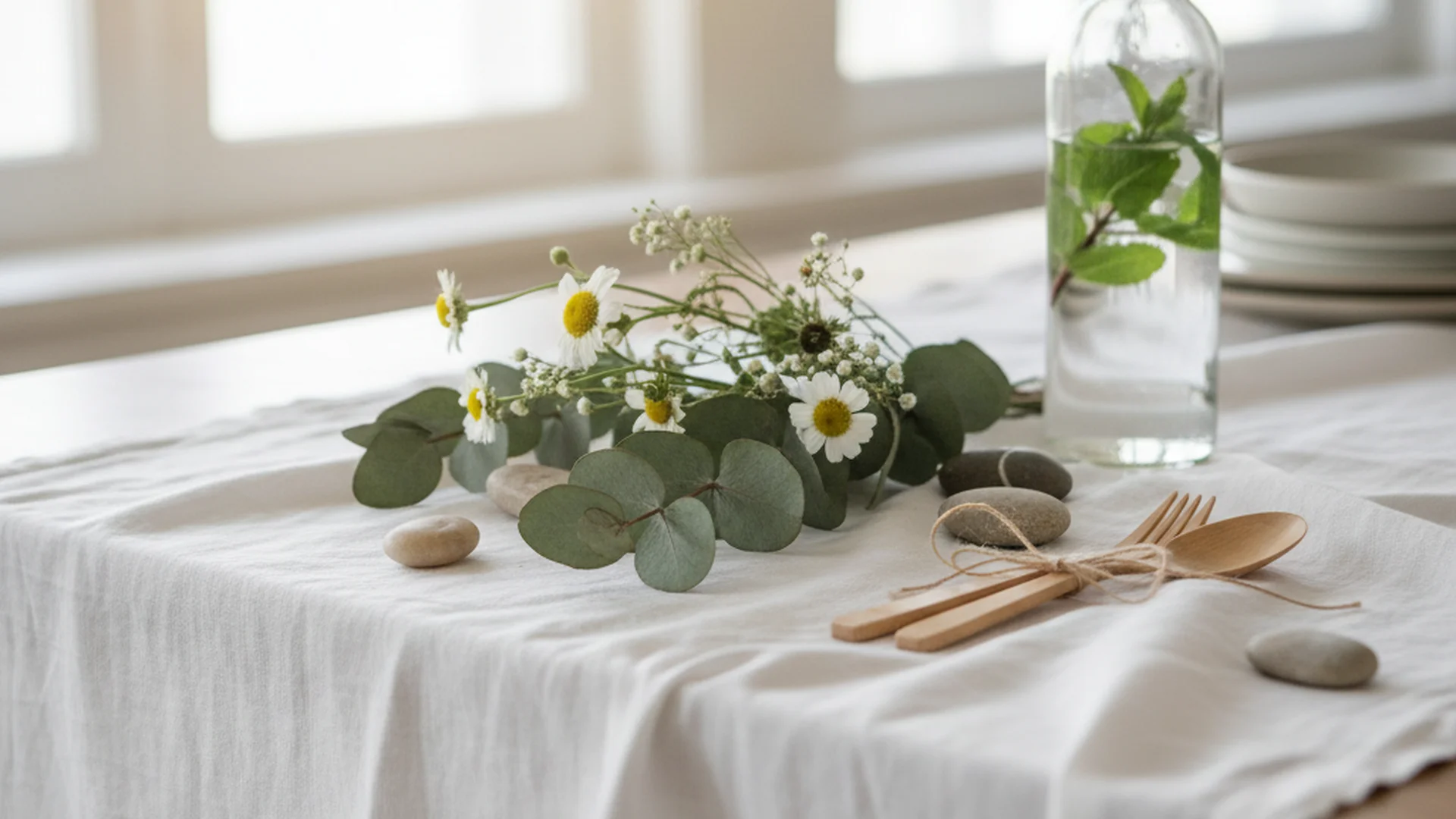
- The average wedding produces 400-600 lbs of trash; planning for low waste is essential.
- "Slow Wedding" and "Meadowcore" are the leading design philosophies for 2025 and 2026.
- Transitioning to digital-only invitation suites and plated meals can cut waste by over 30%.
For many modern couples, the "big day" is no longer just about the aesthetic—it is about the impact. As we move into 2025, the concept of a zero waste wedding has evolved from a niche trend into a core design philosophy known as the "Slow Wedding" or "Mindful Matrimony." These zero waste wedding tips are designed to help you navigate the complex world of event planning without leaving a mountain of trash in your wake.
The reality of the traditional wedding industry is staggering. Every time a couple says "I do," the environment often says "I can’t." However, by shifting our focus toward circularity and intentionality, we can create celebrations that are as kind to the planet as they are beautiful. As a professional vow writer, I often tell my clients that your wedding is the first public statement of your shared values. If sustainability is at your core, your wedding should reflect that commitment.
The Environmental Reality of Modern Weddings
To understand why zero waste wedding tips are so critical, it helps to consider the scale of the impact. The average wedding emits roughly 63 tons of CO2—which is approximately what four people produce in an entire year. With 2.5 million weddings happening annually in the U.S. alone, the industry generates over 1 billion pounds of trash each year.
The shift toward sustainability isn't just a trend; it's a necessity. A growing number of engaged couples now treat sustainability as a top priority in their planning process, and many specifically weigh eco-friendly practices when selecting their vendors. We are entering an era where luxury is defined by thoughtfulness rather than excess.
1. Prioritize a "Same-Spot" Venue Strategy
One of the most effective ways to reduce your wedding’s carbon footprint is to host your ceremony and reception at the same location. This "Same-Spot Rule" eliminates the need for guest transportation between venues, which is a major source of travel emissions.
When scouting for venues, look for:
- Natural-light spaces: Botanical gardens, parks, or vineyards reduce the need for heavy electrical lighting.
- LEED Certification: These buildings are designed to be energy-efficient and often have built-in recycling and composting infrastructures.
- In-house amenities: Venues that provide their own tables, chairs, and linens reduce the need for multiple delivery trucks.
Tip
2. Embrace the "Meadowcore" Narrative
In 2025 and 2026, the "Meadowcore" aesthetic is taking over. This trend moves away from cut floral arrangements that are discarded after six hours and moves toward "living" decor.
Instead of traditional floral foam—which is non-biodegradable and toxic—Meadowcore utilizes live, rooted plants, grasses, and wildflowers to create "growing" aisles and tablescapes. After the wedding, these plants can be replanted in your own garden or donated to local community spaces.
| Decor Item | Traditional Choice | Zero Waste Alternative |
|---|---|---|
| Aisle Decor | Cut flowers in foam | Rooted potted plants |
| Centerpiece | Single-use vases | Potted herbs or rentals |
| Confetti | Plastic sequins | Dried flower petals |
| Signage | Foam board/Plastic | Digital QR or Wood |
Do this
3. The Digital-Only Invitation Suite
The "paperless" wedding is becoming the gold standard for 2025. Traditional invitation suites often include five or six pieces of paper, envelopes, and plastic liners—most of which end up in the trash within days.
By using 3D-animated digital invitations and comprehensive wedding apps, you can replace all physical stationery, including menus and programs. This not only saves trees but also saves you thousands of dollars in printing and postage costs.
Note
4. Sustainable Fashion: Rent, Thrift, and Heirloom
The fashion industry is a major contributor to global waste, and the "wear once" nature of wedding attire is a significant part of the problem. Modern couples are now turning to:
- Rental Platforms: Using services like Rent the Runway for bridesmaids or tuxedo rentals for the wedding party.
- Vintage and Thrifting: Sourcing unique, high-end vintage gowns that have a history and a lower carbon footprint.
- Lab-Grown & Heirloom Jewelry: A single new gold ring can generate 20 tons of mining waste. Choosing lab-grown diamonds or "reworking" family heirlooms is a powerful way to practice Ethical Wedding Planning.
Heads up
5. Zero-Waste Catering and the "Serpentine" Trend
Food waste is perhaps the biggest culprit at weddings, with 40% of food typically being discarded. Buffet-style receptions produce 25–30% more waste than plated dinner services due to over-portioning and food safety laws that prevent leftovers from being reused.
To minimize waste:
- Request a Plated Menu: This allows for precise portion control.
- Source Locally: Use a Locally Sourced Wedding Menu to reduce "food miles."
- The Serpentine Sheet Cake: Move away from tiered cakes that are difficult to cut and often go uneaten. A serpentine sheet cake is easier to portion perfectly and results in much less discarded cake.
Tip
From the OurVows workspace
Planning a wedding is a lot. We make it feel like less.
Checklist, budget, guest list, and a wedding website — together in one free workspace built for both of you.
6. Circular Decor and "Forever Flowers"
If you love the look of lavish florals but hate the waste, consider "Forever Flowers." These are high-end silk or real-touch flower rentals that can be used hundreds of times. For a truly Carbon Neutral Wedding, renting decor items like arches, linens, and lounge furniture is always superior to buying new items that you will never use again.
Heads up
7. Gamified Sustainability
A rising trend for 2026 is "Gamified Sustainability." Couples are placing QR codes at guest tables that lead to a dashboard showing the carbon footprint of the meal they are eating or providing a fun guide on how to use the venue’s sorting bins. This engages guests in the process and makes the Eco Friendly Wedding Guide feel like a shared mission rather than a chore.
8. Registry Shifts: Experiences over Objects
Modern etiquette now supports "Experience Registries" or charitable donation links over physical gifts. Instead of a new toaster that might eventually end up in a landfill, guests can contribute to your honeymoon, a cooking class, or a national park fund. This is a core part of Green Wedding Planning because it eliminates the packaging and shipping waste associated with physical products.
Common Mistakes to Avoid
Even with the best intentions, it is easy to fall into "greenwashing" traps.
- The "Eco-Plastic" Trap: Many couples buy "compostable" plastic cups, not realizing they require industrial composting facilities to break down. In a standard landfill, they are just as harmful as regular plastic.
- Ignoring the "Back of House": You may have bamboo plates for guests, but is your caterer using miles of plastic wrap in the kitchen? Ask your vendors about their behind-the-scenes waste management.
- The "All or Nothing" Mindset: Don't give up because you can't reach 100% zero waste. One small change, multiplied by millions of weddings, is what creates industry change.
- Over-Catering "Just in Case": Trust your caterer’s ratios. Adding "buffer" plates is the leading cause of avoidable food waste.
Do this
Frequently asked questions
How much does a zero-waste wedding cost?
What happens to the flowers after the wedding?
Is a zero-waste wedding truly possible?
How do I tell guests not to bring physical gifts?
Conclusion
Transitioning to a zero-waste mindset doesn't mean sacrificing the elegance or joy of your wedding day. In fact, by focusing on zero waste wedding tips, you create a more intentional, memorable, and unique celebration. Whether you are choosing a Locally Sourced Wedding Menu or opting for Eco Friendly Wedding Decor, every choice sends a message about the world you want to build as a married couple.
As you prepare your vows and plan your ceremony, remember that the most sustainable thing you can do is to be mindful of every resource you use. Your wedding is a celebration of love—and there is no better way to honor that love than by protecting the planet that sustains us all.
Do this
Ready when you are
Ready to Start?
Craft sustainable vows that reflect your eco-conscious values today.
Ready when you are
Plan your wedding without the chaos.
Free forever for couples just getting started. Two minutes to set up. No credit card.
Keep reading
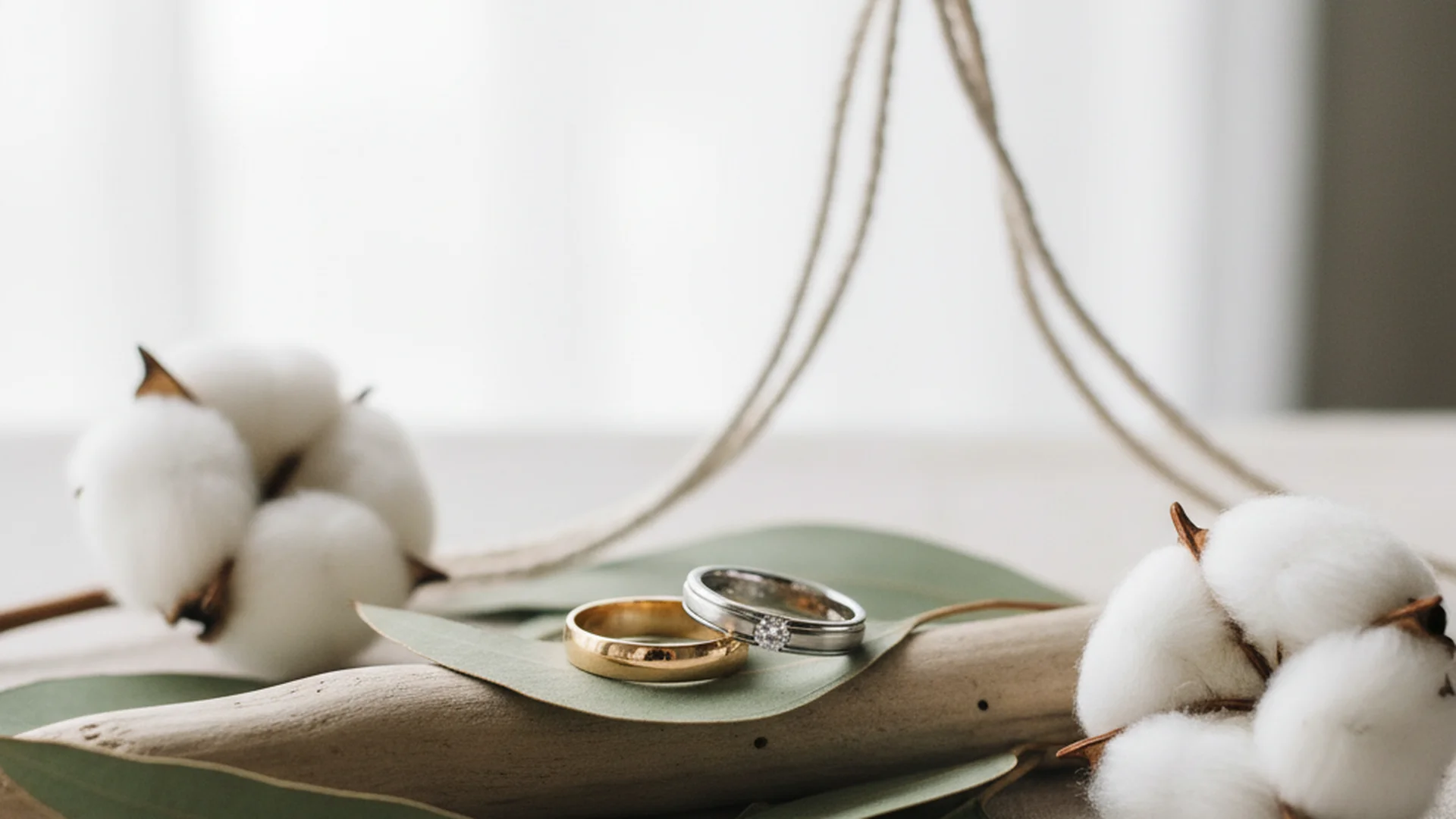
Eco-Friendly Wedding Rings: A Complete Guide to Sustainable Luxury
Discover the best eco-friendly wedding rings for 2025 and 2026. Learn about lab-grown diamonds, recycled gold, and ethical certifications for your big day.
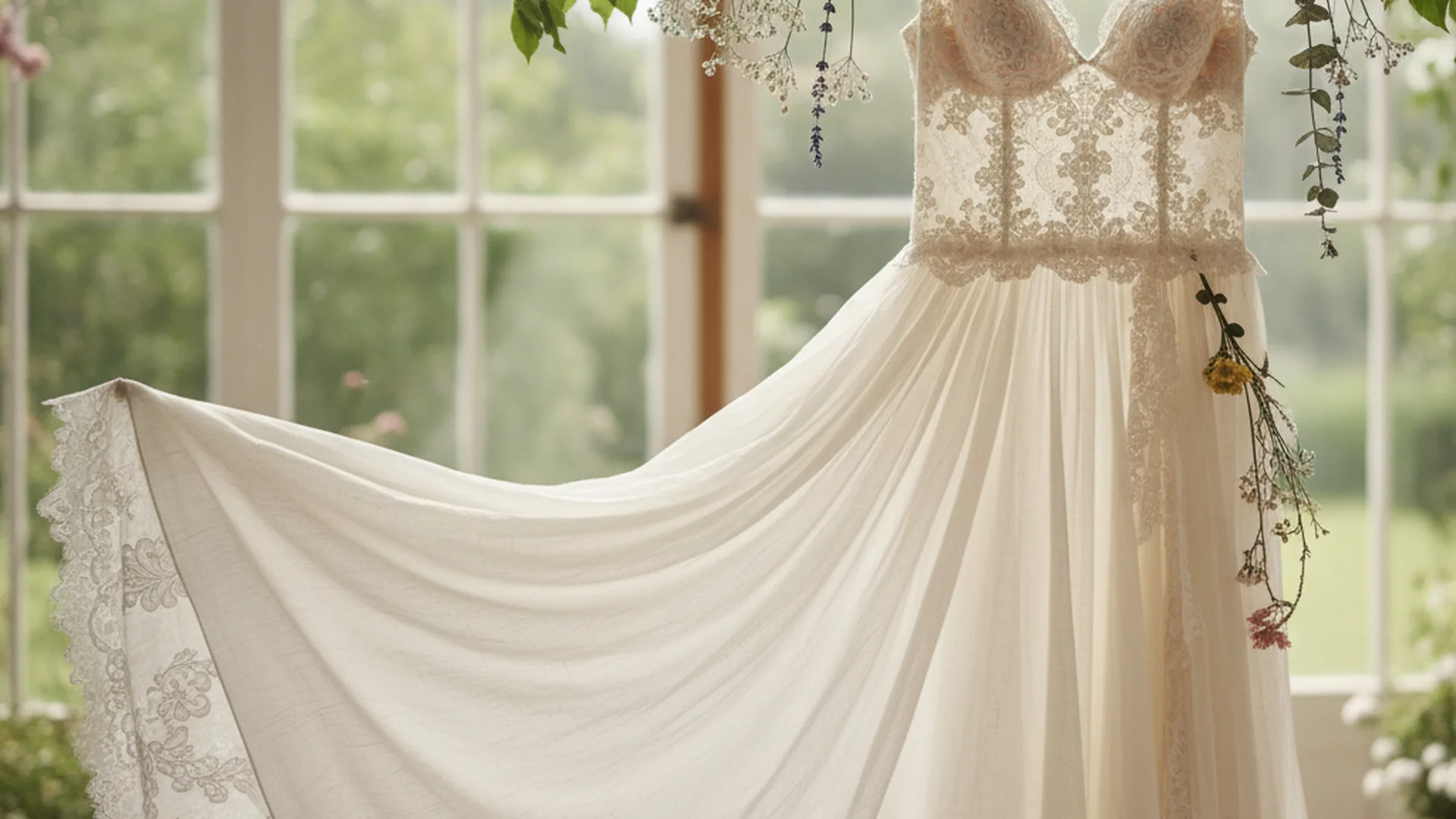
The Ultimate Guide to Choosing a Sustainable Wedding Dress in 2025
Discover how to find the perfect sustainable wedding dress. Explore eco-friendly fabrics, 2025 bridal trends, and ethical shopping tips for the conscious bride.
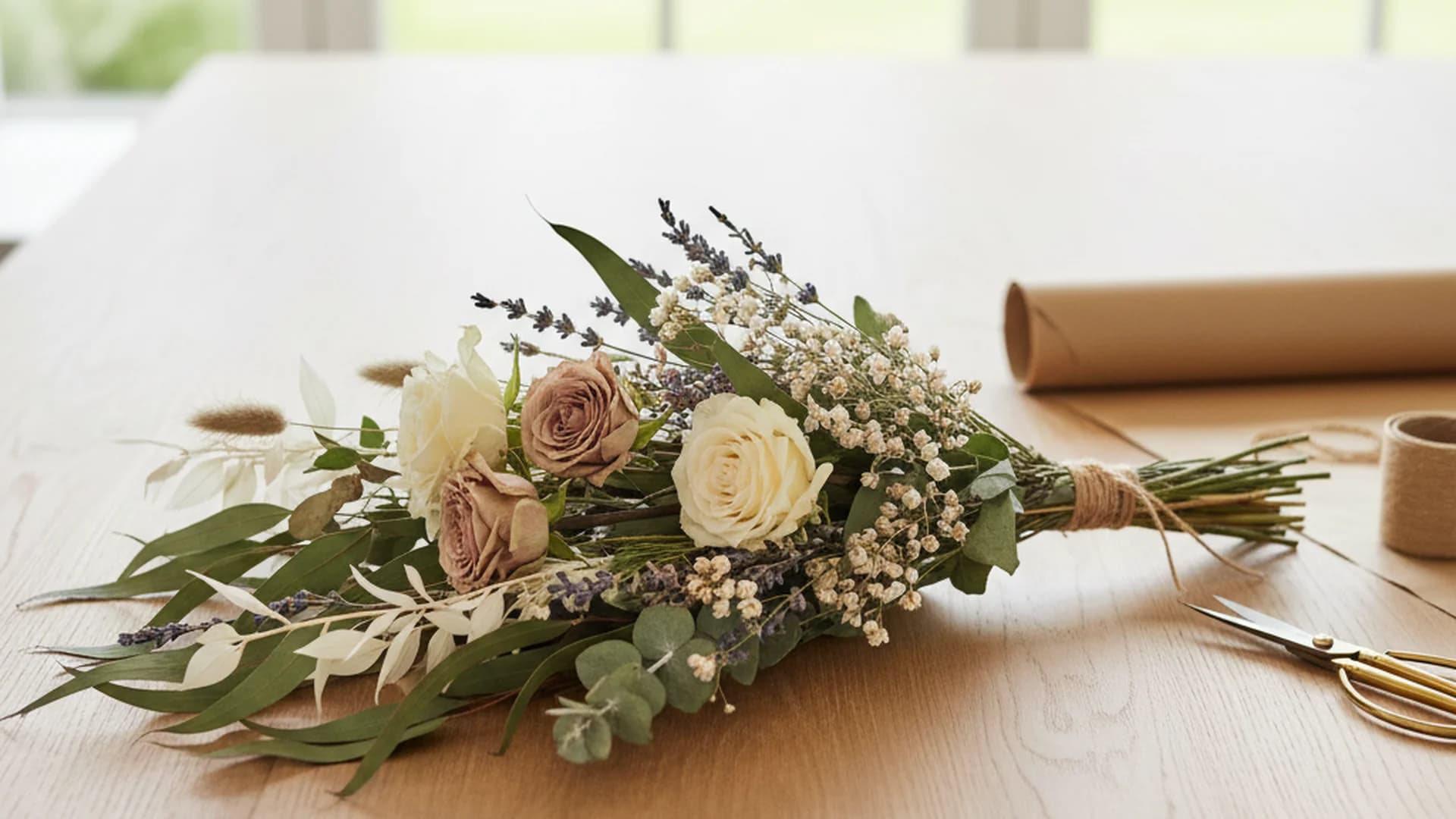
Sustainable Wedding Flowers: The Ultimate Guide to Eco-Friendly Floristry
Discover how to choose sustainable wedding flowers for your 2025-2026 wedding. Learn about no-foam mechanics, local sourcing, and reducing your carbon footprint.