Eco Friendly Wedding Invitations: A Complete Guide to Sustainable Stationery
Discover how to choose eco-friendly wedding invitations that reduce waste without sacrificing style. Learn about seed paper, recycled materials, and 2025 trends.
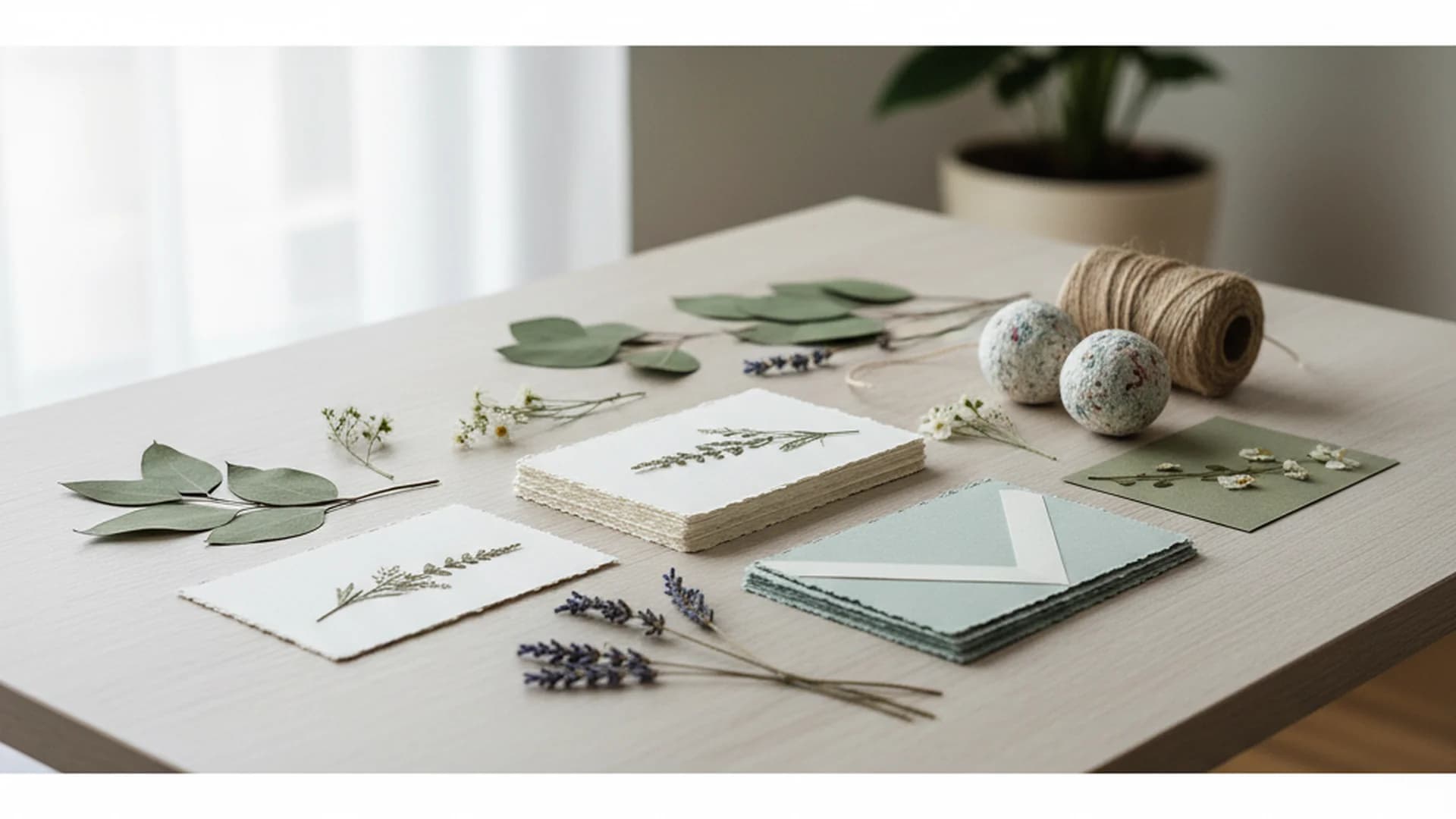
- Opt for 100% Post-Consumer Waste (PCW) or tree-free papers like bamboo and hemp.
- Digital invitations and QR codes can reduce paper waste by up to 60%.
- Avoid non-recyclable materials like acrylic, glitter, and metallic foils.
The invitation is the very first glimpse your guests receive of your union. As an interfaith wedding officiant and ceremony designer, I often tell couples that the wedding doesn't start at the altar; it starts the moment a loved one opens an envelope. However, that beautiful first impression often comes with a hidden environmental cost. Choosing eco-friendly wedding invitations is a powerful way to align your celebration with your values from the very first touchpoint.
Sustainability in the wedding industry has shifted from a niche trend to a primary consideration. With the average wedding generating significant waste, couples are looking for ways to celebrate their love without leaving a permanent footprint on the planet. This guide will walk you through everything you need to know about sustainable stationery, from the chemistry of biodegradable inks to the high-tech digital trends of 2025 and 2026.
The Environmental Impact of Wedding Stationery
To understand why eco-friendly wedding invitations are so vital, we have to look at the numbers. The average U.S. wedding produces approximately 400 pounds of garbage and 63 tons of CO2. While much of this comes from catering and travel, traditional stationery plays a significant role.
Standard invitations often utilize virgin paper pulp, plastic-based coatings, and petroleum-derived inks. When you multiply a five-piece invitation suite by 150 guests, the paper trail becomes substantial. Furthermore, the carbon-heavy shipping of heavy paper stocks adds to the atmospheric burden. By pivoting toward sustainable alternatives, you aren't just saving paper; you are conserving the 7,000 gallons of water and 17 trees required to produce just one ton of virgin paper.
Do this
Sustainable Paper Choices: Beyond the Basics
When selecting the base for your invitations, the term "recycled" can sometimes be misleading. To ensure you are making the greenest choice possible, you need to look closer at the fiber source.
100% Post-Consumer Waste (PCW)
This is the gold standard for recycled paper. PCW refers to paper that has already lived a full life as a consumer product—think old newspapers, office documents, or packaging. Because it has been diverted from a landfill, it requires no new trees to be harvested. When shopping, always look for the FSC-certified or 100% PCW labels to avoid "greenwashed" products that may only contain 10% recycled content.
Tree-Free Alternatives
Innovation in the stationery world has led to beautiful papers made from renewable plants that grow much faster than trees:
- Bamboo: Reaches maturity in just 3-5 years and requires no pesticides.
- Hemp: Known for its durability and low water usage.
- Cotton: Often made from "linters" or textile offcuts that would otherwise be discarded by the garment industry. This produces a soft, luxurious, felt-like texture.
Plantable Seed Paper
One of the most popular choices for a Zero Waste Wedding Tips approach is seed paper. This biodegradable material is embedded with non-invasive wildflower, herb, or vegetable seeds. After the wedding, guests simply soak the invitation in water and plant it in soil.
Tip
Rethinking Ink and Embellishments
The paper is only half the story. The substances used to print your details can determine whether your invitation is truly compostable or a permanent resident of a landfill.
Soy and Vegetable-Based Inks
Traditional printing uses petroleum-based inks which release Volatile Organic Compounds (VOCs) and are difficult to remove during the recycling process. Soy-based or vegetable-based inks are biodegradable, produce more vibrant colors, and allow the paper to be recycled more efficiently.
The Problem with "Luxury" Finishes
Many couples are drawn to the sparkle of glitter or the shine of metallic foil. However, these are often made of microplastics or thin layers of metal bonded to plastic, rendering the entire invitation non-recyclable.
Heads up
Eco-Friendly Alternatives for Luxury Textures
You don't have to sacrifice style for sustainability. Consider these "green" luxury techniques:
- Blind Embossing: This creates a 3D, raised texture without using any ink at all.
- Letterpress: When done with vegetable inks on thick cotton paper, letterpress provides a deep, tactile finish that is entirely sustainable.
- Modern Calligraphy: Hand-inked details using natural pigments derived from minerals or clay add a bespoke, high-end feel.
The Digital Revolution: 2025–2026 Trends
As we move into 2025 and 2026, the shift toward digital integration is accelerating. Approximately 60% of modern couples now opt for some form of electronic invitation to save resources and streamline the planning process.
The "Minimalist Front, Techy Back"
A major trend for the upcoming season is the hybrid invitation. Couples send a single, high-quality card made of 100% PCW paper. The front features a stunning, minimalist design, while the back contains a QR code. This code directs guests to a wedding website where they can view directions, dress codes, and registries.
Animated Digital Suites
For those going fully paperless, the technology has evolved far beyond a simple email. 2025 sees the rise of "animated suites" that mimic the physical experience. Guests receive a digital envelope that "opens" on their screen, accompanied by custom music and hand-painted digital illustrations.
Consolidating with Tech
Using digital RSVPs doesn't just save paper; it saves carbon emissions from the mail trucks that would otherwise carry 150 small envelopes back to your house. It also integrates perfectly with a Wedding Checklist Generator to keep your planning organized.
Note
From the OurVows workspace
Planning a wedding is a lot. We make it feel like less.
Checklist, budget, guest list, and a wedding website — together in one free workspace built for both of you.
Comparison: Traditional vs. Eco-Friendly Invitations
| Feature | Traditional Invitations | Eco-Friendly Invitations |
|---|---|---|
| Material | Virgin wood pulp / Plastic coating | 100% PCW, Bamboo, or Seed Paper |
| Ink Type | Petroleum-based (High VOCs) | Soy or Vegetable-based |
| Recyclability | Low (if foiled/glittered) | 100% Recyclable or Compostable |
| Waste | 5-7 pieces per household | 1-2 pieces + Digital RSVP |
| Carbon Footprint | High (Manufacturing & Shipping) | Low (Recycled materials & Localized) |
Common Mistakes to Avoid
In the pursuit of eco-friendly wedding invitations, it is easy to fall into common traps. Here is how to stay on the green path:
- Over-Ordering: Many couples order one invitation per guest rather than one per household. This results in nearly 50% more waste than necessary. Always count your households first.
- Neglecting the Envelope: A sustainable card inside a plastic-lined or synthetic envelope defeats the purpose. Ensure your envelopes are also made from recycled materials and avoid plastic "window" envelopes.
- The "Rustic" Misconception: You don't have to use brown kraft paper and twine to be eco-friendly. Sustainable stationery can be colorful, sleek, and ultra-luxury.
- Ignoring the Liner: Decorative envelope liners are beautiful but often use extra paper and glue. If you must have them, ensure they are printed on thin, recycled tissue.
- Forgetting the "Afterlife": Consider what happens to the invitation once the wedding is over. Can it be planted? Can it be recycled? Avoid glues and tapes that make separation difficult.
For more broad ideas on planning your celebration sustainably, check out our Sustainable Wedding Ideas guide.
Expert Recommendations for a Cohesive Suite
To truly embrace the Ethical Wedding Planning mindset, consider "multi-purpose" stationery. I often recommend that my couples design their ceremony programs to double as fans for outdoor summer weddings, or create menus that have the guest's name calligraphed at the top, serving as a place card.
If you are working with a stationer, ask if they participate in "one order, one tree" initiatives. Some leading eco-stationers have planted over a million trees to offset their operational carbon. This ensures that your wedding is not just "carbon neutral" but actually "nature positive."
Frequently asked questions
Are eco-friendly invitations more expensive?
Can they be recycled if they have printing on them?
What is the best paper for the lowest carbon footprint?
How do I tell my guests to RSVP digitally without sounding "cheap"?
Is vellum eco-friendly?
Conclusion
Choosing eco-friendly wedding invitations is more than just a logistical decision; it is a statement of intent for your new life together. By selecting recycled fibers, biodegradable inks, and innovative digital solutions, you demonstrate that your love story includes a deep respect for the world around you.
As you continue your journey, remember that sustainability is about progress, not perfection. Every sheet of recycled paper and every digital RSVP contributes to a lighter, more meaningful celebration. For more help navigating your eco-conscious journey, explore our Eco Friendly Wedding Guide.
Do this
Ready when you are
Ready to Design?
Start planning your dream sustainable wedding today with our expert tools.
Ready when you are
Plan your wedding without the chaos.
Free forever for couples just getting started. Two minutes to set up. No credit card.
Keep reading
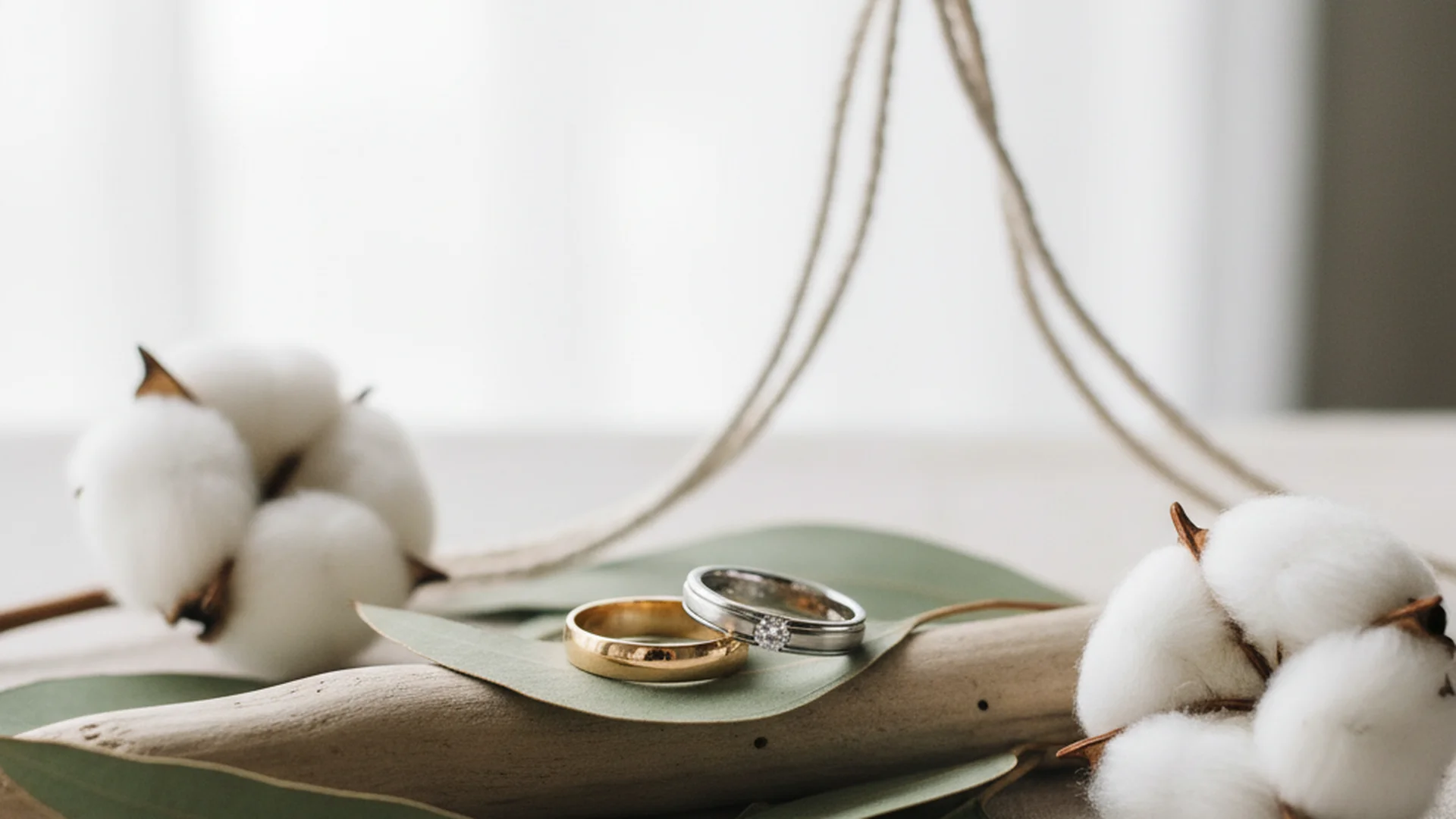
Eco-Friendly Wedding Rings: A Complete Guide to Sustainable Luxury
Discover the best eco-friendly wedding rings for 2025 and 2026. Learn about lab-grown diamonds, recycled gold, and ethical certifications for your big day.
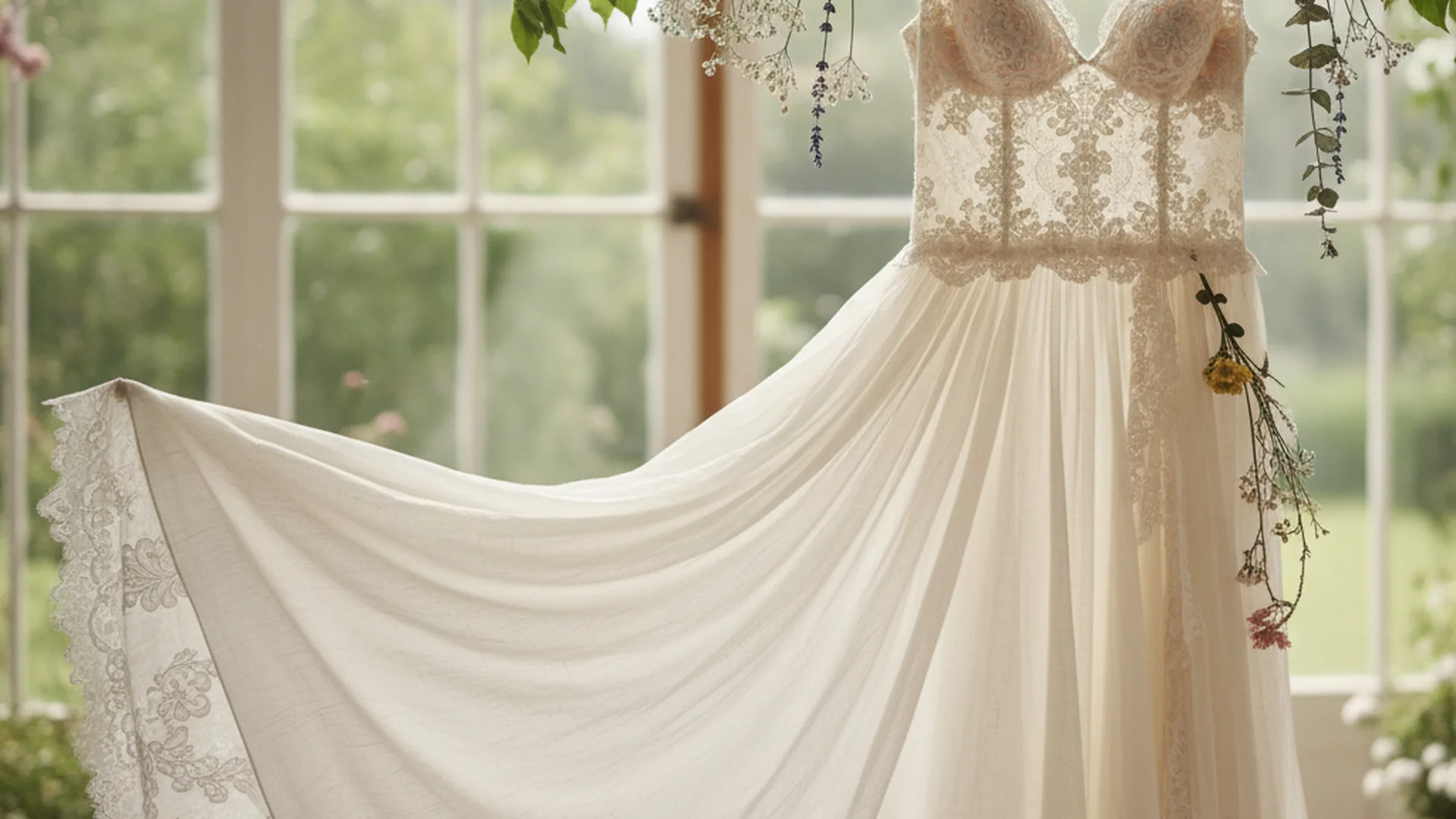
The Ultimate Guide to Choosing a Sustainable Wedding Dress in 2025
Discover how to find the perfect sustainable wedding dress. Explore eco-friendly fabrics, 2025 bridal trends, and ethical shopping tips for the conscious bride.
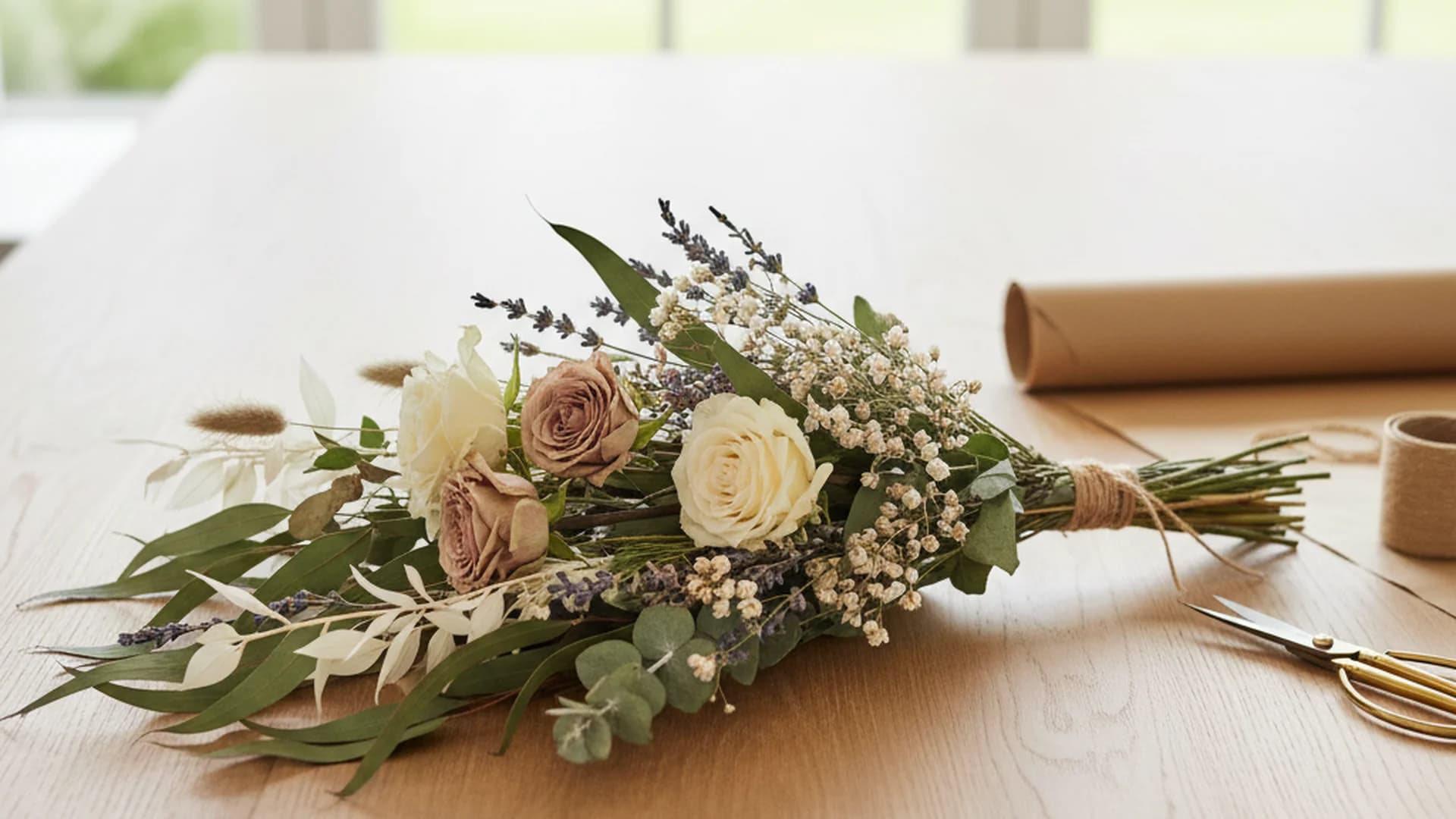
Sustainable Wedding Flowers: The Ultimate Guide to Eco-Friendly Floristry
Discover how to choose sustainable wedding flowers for your 2025-2026 wedding. Learn about no-foam mechanics, local sourcing, and reducing your carbon footprint.