Eco-Friendly Wedding Decor: The Ultimate Guide to Sustainable Style
Discover how to plan a stunning, sustainable celebration with our guide to eco-friendly wedding decor trends for 2025 and 2026.
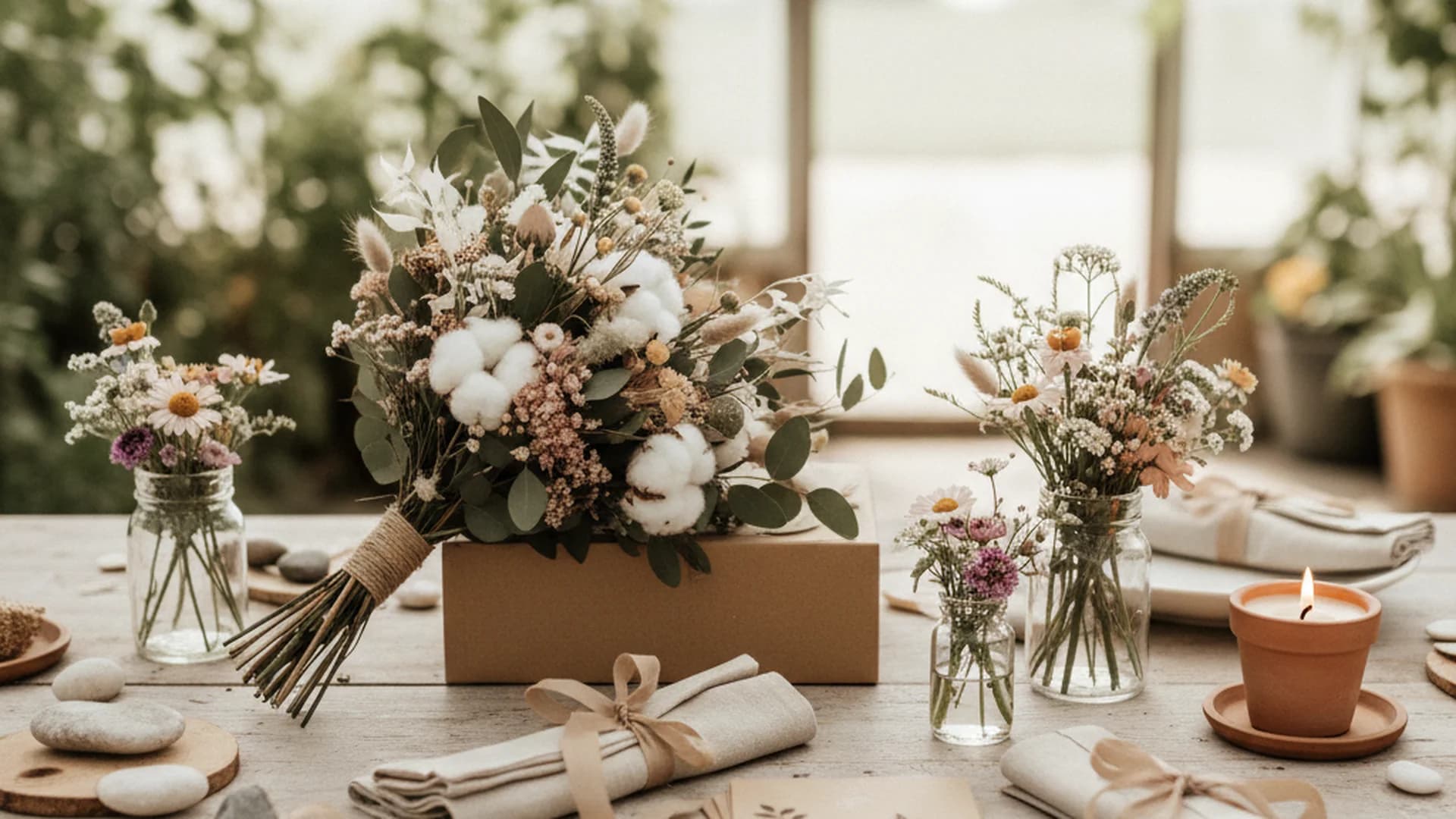
- Renting decor reduces waste and supports a circular economy.
- "Living decor" like potted plants serves as both decoration and guest favors.
- Modern sustainability focuses on high-design minimalism over "shabby chic."
For many modern couples, the journey toward "I do" is no longer just about the aesthetic—it is about alignment. As a relationship counselor, I often see how the planning process reflects a couple's shared values. In 2025, those values are increasingly rooted in environmental stewardship. Choosing eco-friendly wedding decor is no longer a niche compromise for a "rustic" look; it has become a sophisticated, high-design standard for the conscious couple.
Planning a wedding that honors both your love and the planet doesn't mean sacrificing elegance. In fact, some of the most breathtaking celebrations of the upcoming season are those that embrace the natural world through thoughtful, sustainable choices. By moving away from single-use plastics and high-carbon logistics, you are starting your marriage with a foundation of intentionality.
The Environmental Reality of Modern Weddings
Before we dive into the beauty of sustainable styling, it is important to understand the "why." The average wedding produces approximately 400 pounds of waste. In the UK alone, the industry generates over 4,900 tonnes of un-recyclable plastic every year—roughly the weight of 47 blue whales.
However, the tide is turning. A growing majority of engaged couples now consider sustainability a priority, and many are actively seeking eco-friendly venues. If you are feeling overwhelmed by the environmental footprint of your big day, remember that sustainable planning is a journey of "progress over perfection." For a broader look at planning your day with the planet in mind, see our Eco Friendly Wedding Guide.
2025–2026 Eco-Friendly Wedding Decor Trends
The "Modern Organic" aesthetic is defining the next two years of wedding design. We are seeing a move away from the heavily DIY, "shabby chic" look and toward a more sculptural, minimalist approach.
Sculptural Floral Arrangements
Instead of massive, flower-heavy installations that require thousands of stems, couples are opting for "impact stems." Think of a few perfectly placed, locally grown dahlias or zinnias that create a bold, architectural statement. This reduces the carbon footprint associated with flower transport and minimizes the use of floral foam—a microplastic-filled product that is toxic to the environment.
Vibrant, Bold Palettes
While sage and dusty rose were the staples of the 2010s, 2026 is embracing jewel tones. We are seeing deep oranges, cobalt blues, and fuchsias achieved through naturally dyed fabrics and seasonal blooms. These palettes feel modern and high-end while remaining rooted in organic materials.
Serpentine Tablescapes
Long, winding tables that mimic the natural curves of the landscape are replacing rigid, individual round tables. These setups often utilize "grounded" greenery—runners made of living moss or potted herbs—which reduces the need for large, cut-centerpieces that end up in the bin at the end of the night.
Tip
The "Rent, Don't Buy" Rule
The most effective way to ensure your eco-friendly wedding decor remains sustainable is to participate in the circular economy. This means renting almost everything. From linens and glassware to large-scale arches, renting ensures that items are used dozens of times rather than ending up in a landfill or a garage.
| Item Category | Why Rent? | Sustainable Impact |
|---|---|---|
| Linens | High-quality natural fibers (linen/hemp) are expensive to buy but common in rental inventories. | Reduces textile waste and chemical production. |
| Glassware | Buying cheap glass often leads to breakage and disposal. | Professional cleaning and reuse cycles. |
| Arches/Arbors | These are often "one-off" builds that couples struggle to dispose of later. | Circular use for multiple events. |
Heads up
Living Decor: Beyond the Cut Flower
One of the most impactful shifts in Sustainable Wedding Ideas is the rise of "Living Decor." Traditional cut flowers often travel thousands of miles in refrigerated planes and trucks, only to be tossed out 24 hours later.
Potted Plants as Centerpieces
Instead of cut arrangements, consider using potted ferns, herbs (like rosemary or lavender), or even small olive trees as your centerpieces.
- The Benefit: They stay fresh throughout the event without water tubes.
- The Afterlife: These can be replanted in your own garden as a living memory of your wedding or given to guests as high-quality favors.
Floral Donation and Composting
If you do choose cut flowers, opt for local and seasonal blooms. Once the party is over, don't let them go to waste. You can partner with organizations like Repeat Roses to have your arrangements delivered to local hospitals or nursing homes. If the flowers are at the end of their life, ensure they are composted rather than sent to a landfill where they will produce methane gas.
Do this
From the OurVows workspace
Planning a wedding is a lot. We make it feel like less.
Checklist, budget, guest list, and a wedding website — together in one free workspace built for both of you.
Sustainable Lighting and Fabrics
Lighting sets the mood, but it can also be an energy drain. To keep your decor green, prioritize LED bulbs for your string lights; they use 75% less energy and last significantly longer than traditional bulbs.
When it comes to candles, the material matters. Most standard candles are made of paraffin, a petroleum-based byproduct that releases toxins when burned.
- Choose: Soy, beeswax, or vegetable-based waxes.
- Avoid: Paraffin candles and plastic-cased tea lights.
For linens, look for natural, biodegradable fibers. Organic cotton, hemp, and linen are excellent choices. Many sustainable decorators are now using plant-based pigments (like onion skins or indigo) to dye runners and napkins, ensuring that no harsh chemicals enter the water system during production.
Note
Minimalist Signage and Digital Integration
In 2026, a growing number of couples plan to use exclusively digital invitations. This philosophy is extending into the wedding day decor as well. Instead of printing a menu for every seat or a 10-page program for every guest, consider these alternatives:
- Repurposed Mirrors: Use a vintage mirror and a chalk marker for your seating chart. It’s elegant, reusable, and produces zero paper waste.
- Wooden Chalkboards: Perfect for displaying the bar menu or the "Order of Events."
- Digital Guestbooks: Encourage guests to upload photos and messages to a digital platform via a QR code, which can be elegantly framed at the entrance.
If you are just starting your planning journey and want to see how invitations fit into this, check out our guide on Eco Friendly Wedding Invitations.
Common Mistakes to Avoid
Even with the best intentions, it is easy to fall into "greenwashing" traps. Here are the most common pitfalls:
- The "All-or-Nothing" Fallacy: Many couples feel that if they can't have a 100% zero-waste wedding, they shouldn't try at all. In reality, thousands of couples making small changes (like ditching plastic straws) create a much larger impact than one couple being perfect.
- Misunderstanding "Compostable": Many "bio-plastics" require industrial composting facilities. If your venue just throws them in the regular trash, they won't break down any faster than standard plastic.
- Over-reliance on DIY: Buying massive amounts of hot glue, glitter, and single-use craft supplies for DIY projects often creates more waste than simply renting professional decor. Sustainable DIY should focus on upcycling items you already own.
- Confusing Eco-Friendly with "Rustic": You don't need burlap and mason jars to be sustainable. Modern eco-decor can be industrial, avant-garde, or ultra-glamorous. It’s about the source and the afterlife of the materials, not the aesthetic style.
For more tips on reducing your footprint, read about Zero Waste Wedding Tips.
Frequently asked questions
Is eco-friendly wedding decor more expensive?
What can I use instead of traditional confetti?
How do I handle flowers after the wedding?
Are "biodegradable" balloons okay?
Conclusion
Choosing eco-friendly wedding decor is a beautiful way to celebrate your union while respecting the world around you. By focusing on the "Rent, Don't Buy" rule, embracing living plants, and opting for minimalist, high-impact designs, you can create a day that is as sustainable as it is stunning.
As you plan, remember that your wedding is the first of many shared projects as a couple. Approaching it with a mindset of sustainability and intentionality is a wonderful reflection of the life you are building together. For more help organizing your big day, visit our Wedding Checklist Generator.
Do this
Ready when you are
Start Planning Sustainably
Organize your eco-friendly wedding with our intelligent planning tools.
Ready when you are
Plan your wedding without the chaos.
Free forever for couples just getting started. Two minutes to set up. No credit card.
Keep reading
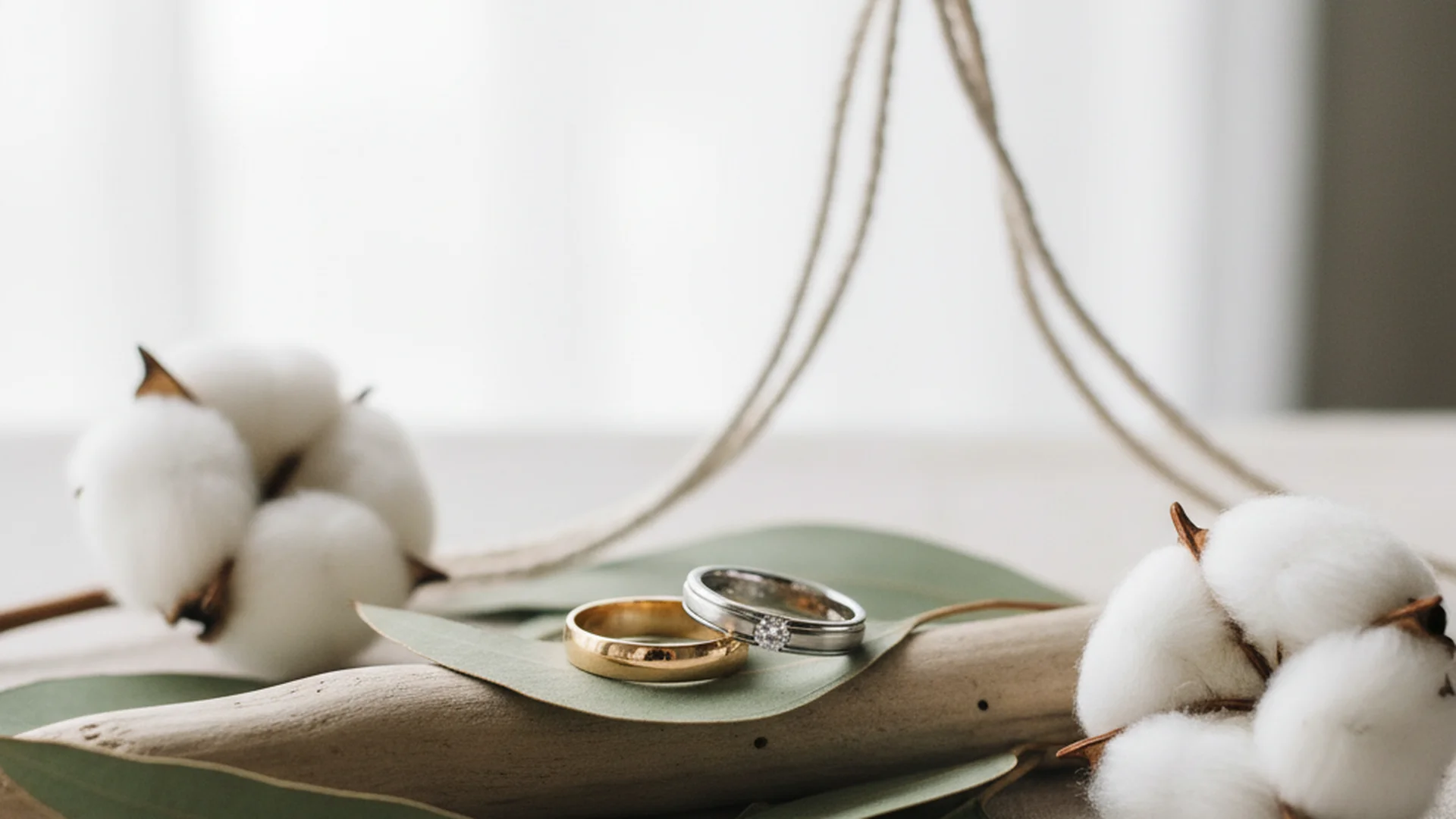
Eco-Friendly Wedding Rings: A Complete Guide to Sustainable Luxury
Discover the best eco-friendly wedding rings for 2025 and 2026. Learn about lab-grown diamonds, recycled gold, and ethical certifications for your big day.
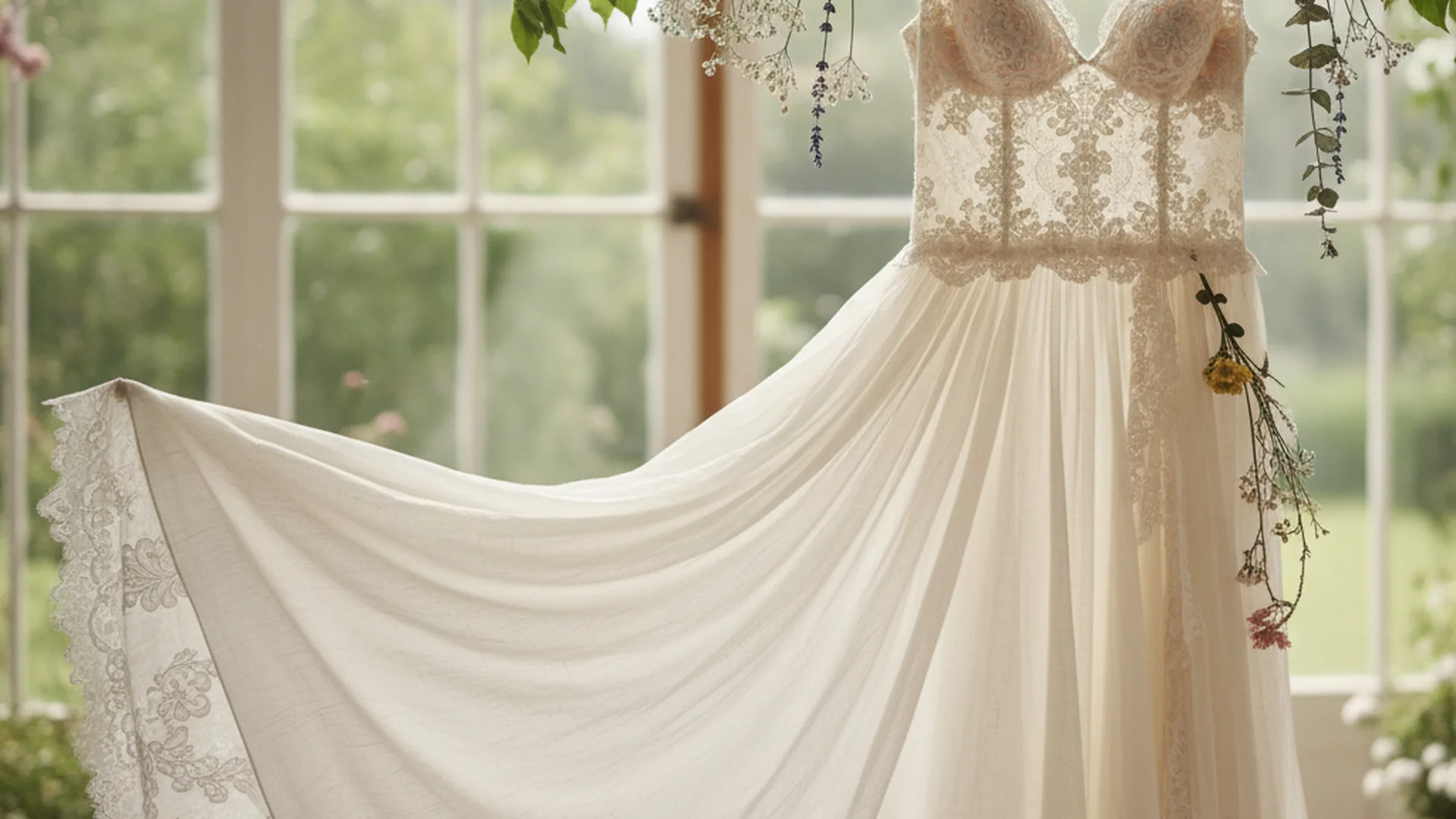
The Ultimate Guide to Choosing a Sustainable Wedding Dress in 2025
Discover how to find the perfect sustainable wedding dress. Explore eco-friendly fabrics, 2025 bridal trends, and ethical shopping tips for the conscious bride.
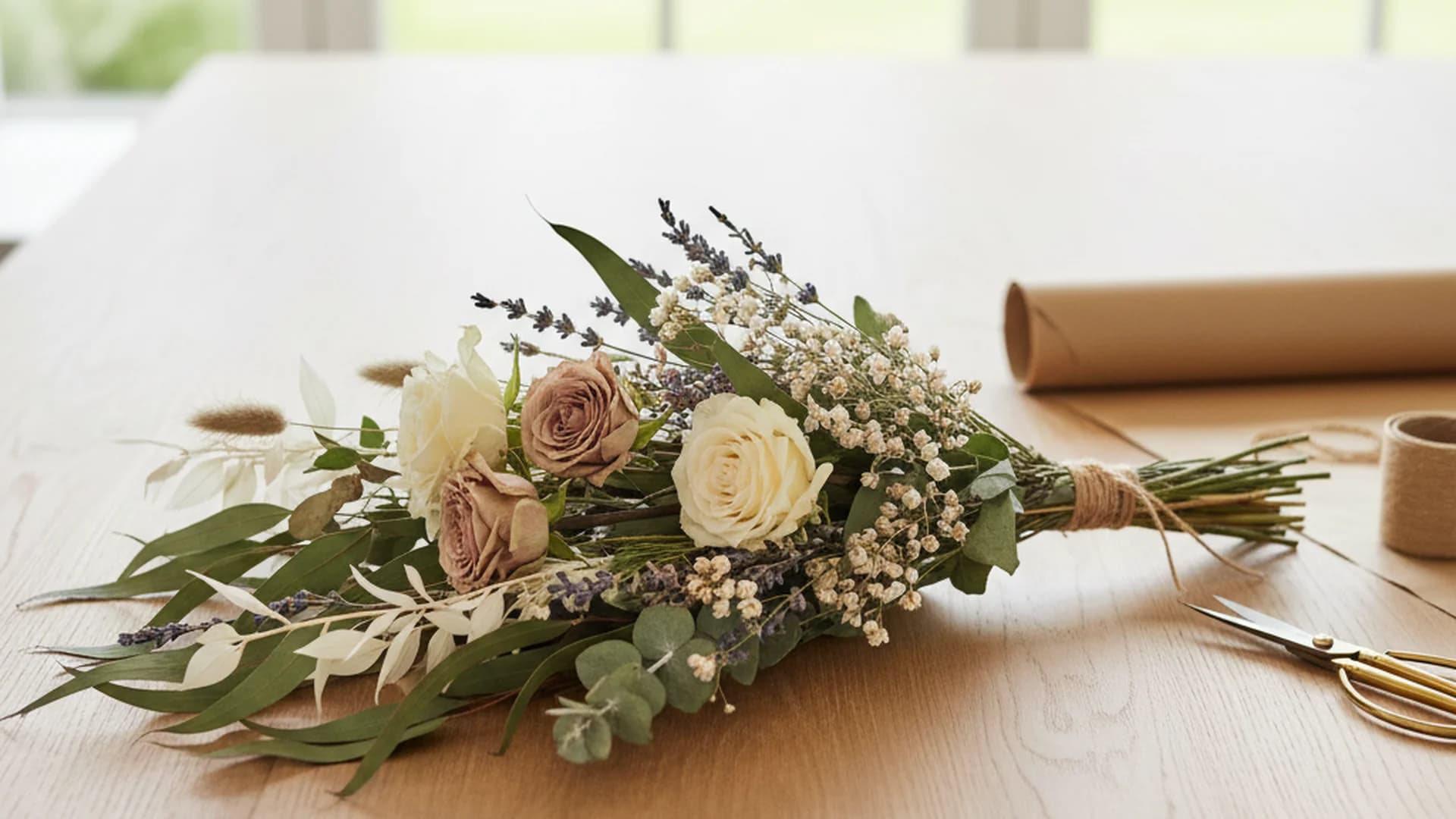
Sustainable Wedding Flowers: The Ultimate Guide to Eco-Friendly Floristry
Discover how to choose sustainable wedding flowers for your 2025-2026 wedding. Learn about no-foam mechanics, local sourcing, and reducing your carbon footprint.