The Ultimate Eco Friendly Wedding Guide: Planning a Sustainable Celebration
Discover how to plan a sustainable celebration with our comprehensive Eco Friendly Wedding Guide. Learn about 2025 trends, carbon footprints, and ethical vendors.
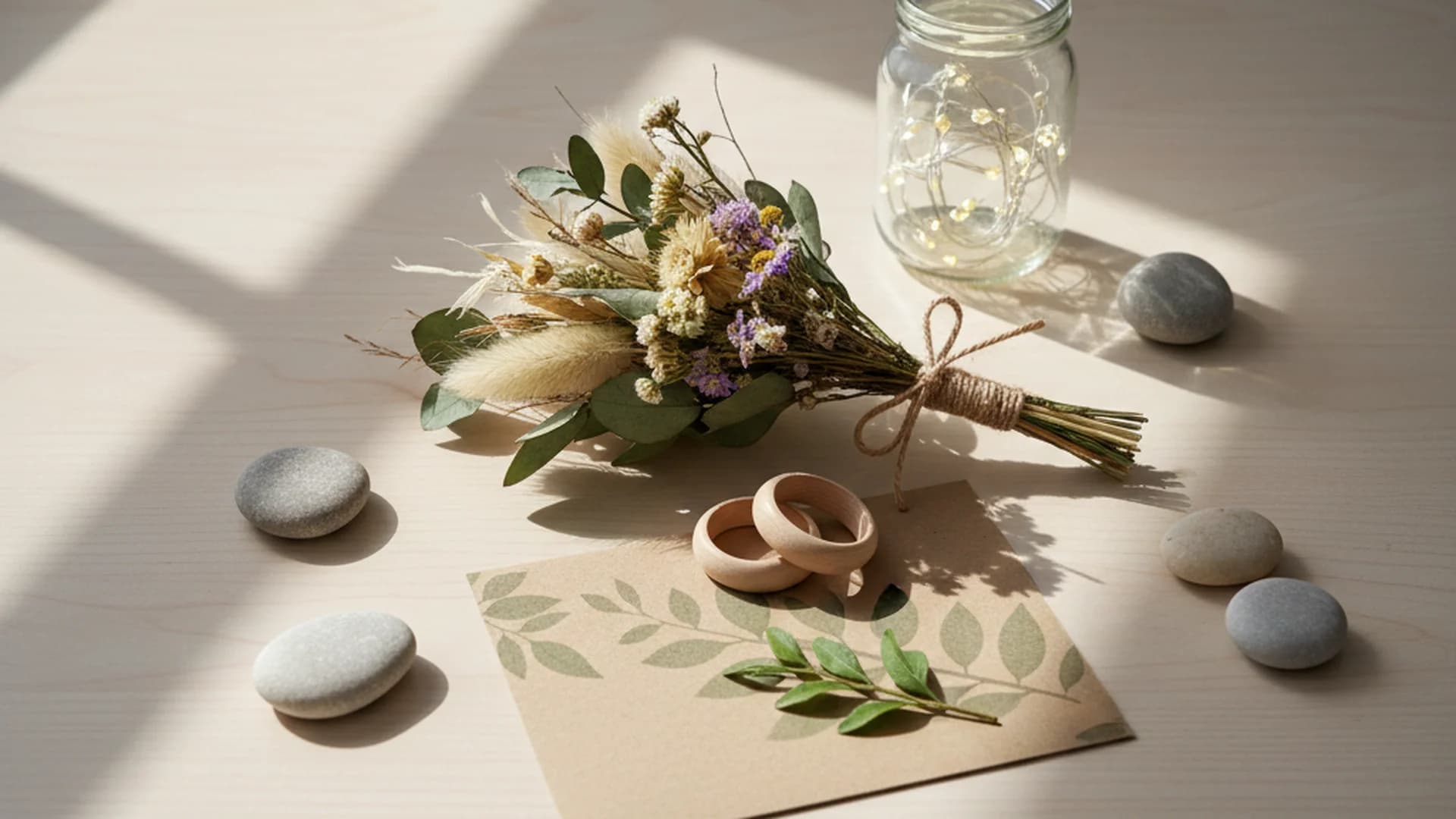
- Traditional weddings produce roughly 400 lbs of garbage; sustainability is now a core value.
- 2025 trends like Meadowcore and Eco-Drones prioritize aesthetics without environmental cost.
- Reducing travel and choosing a plant-forward menu are the most effective ways to lower carbon impact.
For decades, the standard wedding aesthetic was "more is more." More tulle, more imported peonies, and enough single-use plastic to create a small island in the Pacific. But as we move into 2025 and 2026, the tide is turning. Today, "Green" is the new White. Couples are no longer looking for just a party; they are looking for a celebration that aligns with their values.
As a Creative Director, I’ve seen my fair share of "disposable" weddings, and frankly, the only thing that should be forever is your commitment—not the plastic champagne flutes. This Eco Friendly Wedding Guide is designed to help you navigate the transition from a high-impact event to a high-style, low-footprint celebration. Whether you are a dedicated environmentalist or just someone who doesn't want to leave a mountain of trash behind, planning with intention is the first step toward a beautiful legacy.
The Environmental Impact of Saying "I Do"
Before we dive into the "how-to," we must acknowledge the "why." The traditional wedding industry is a major producer of waste. The average wedding produces approximately 400 pounds of garbage and 63 tons of CO2. To put that in perspective, that is the equivalent of 71 round-trip flights between New York and Los Angeles for a single afternoon of festivities.
Furthermore, food waste is a staggering issue. It is estimated that 40% of food at traditional weddings is discarded. However, there is a massive consumer shift happening. Sustainability was once a fringe concern, but it has rapidly become a mainstream priority, and it is on track to be a "core value" for the vast majority of couples by 2026.
Note
Phase 1: Planning and Venue Selection
The venue is the most significant decision you will make in your Green Wedding Planning journey. The right space does 80% of the sustainability work for you.
Prioritize Natural Energy
Outdoor spaces like botanical gardens, vineyards, and private estates are excellent choices because they utilize natural lighting and ventilation. This significantly reduces the energy required for heating, cooling, and industrial-scale lighting.
The Importance of Centrality
The single largest contributor to a wedding's carbon footprint is travel. When selecting a location, look for a "hub" that is central to the majority of your guests. If your families are in Chicago and your friends are in New York, getting married in Hawaii might be beautiful, but it creates a massive "carbon spike."
Tip
Real-World Example: The "Slow Wedding" Movement
In 2024, a couple in Oregon opted for a "Deconstructed Timeline." Instead of a one-day event that required vendors to drive back and forth multiple times, they hosted a three-day "slow wedding" at a single sustainable farm. By keeping all logistics on-site for 72 hours, they reduced transport emissions by 60%.
Phase 2: The Eco-Aesthetic and 2025 Floral Trends
Flowers are often the soul of a wedding's visual design, but they are also a source of significant chemical use and waste. The 2025–2026 trend cycle is moving toward "Meadowcore Narratives."
Embracing Meadowcore
Instead of structured, stiff arrangements, Meadowcore uses organic, floor-growing plants to mimic a natural field. This trend emphasizes "foam-free" techniques. Traditional floral foam is a non-biodegradable plastic that contains formaldehyde. By using reusable metal frogs or chicken wire, florists can create stunning visuals without the toxic waste.
Living Decor
Why cut flowers when you can use living ones? One of the best ways to follow an Eco Friendly Wedding Guide is to utilize potted plants, herbs, or small trees as centerpieces.
- The Benefit: Guests can take them home to replant, or you can donate them to local hospitals or nursing homes.
- The Trend: "Micro-Motion Florals" are also emerging—a high-tech trend where floral installations include subtle mechanical elements that mimic natural movement, reducing the need for massive quantities of static, cut stems.
Heads up
Phase 3: Ethical Fashion and Circular Jewelry
The wedding attire industry is massive, with approximately 25 million dresses sold annually in the U.S. alone. Fortunately, a growing segment of couples is shifting toward rentals or pre-loved attire.
Sustainable Fabrics
If you are buying new, look for a Sustainable Wedding Dress made from ethical fabrics:
- Organic Silk: Produced without synthetic chemicals.
- Hemp and Tencel: Low water usage and highly durable.
- Recycled Polyester: Giving new life to existing plastics.
The Rise of Lab-Grown Gems
When it comes to rings, the ethical choice is clearer than ever. Lab-grown diamonds and recycled gold are becoming the standard for conscious couples. These options avoid the human rights and environmental issues often associated with traditional mining.
Do this
From the OurVows workspace
Planning a wedding is a lot. We make it feel like less.
Checklist, budget, guest list, and a wedding website — together in one free workspace built for both of you.
Phase 4: Conscious Catering and the Waste Problem
As mentioned, 40% of wedding food ends up in the bin. To combat this, you need to rethink the "Locally Sourced Wedding Menu."
Farm-to-Table Menus
Work with caterers who prioritize seasonal, organic ingredients. This reduces "food miles" and ensures the highest quality flavor. A plant-forward menu (even if not entirely vegan) has a significantly lower carbon footprint than meat-heavy options.
Waste Management Strategies
Ask your caterer these three critical questions:
- Do you have a composting program?
- Can we partner with a local food rescue organization? (Note: Ensure they follow local health codes for donations).
- Are you using reusable service ware?
| Catering Element | Traditional Impact | Sustainable Alternative |
|---|---|---|
| Menu | Imported/Out-of-season | Seasonal/Locally Sourced |
| Service | Single-use plastic | Rented ceramic and glass |
| Surplus | Landfill | Composted or Donated |
Tip
Phase 5: Tech-Forward Sustainability
Technology is playing a massive role in making weddings greener. From Eco Friendly Wedding Invitations to AI-driven planning, the future is digital.
Digital Stationery
A growing number of modern couples now opt for digital invitations. If you prefer physical paper, choose "seed paper" which can be planted to grow wildflowers, or 100% post-consumer recycled paper.
Eco-Drones vs. Fireworks
Fireworks are a staple of luxury weddings but are notorious for chemical runoff and noise pollution. The 2025 trend is replacing fireworks with Eco-Drones. Programmable drone light shows can create breathtaking, custom narratives in the sky with zero air pollution and no fire risk.
AI Planning Tools
Using AI can match couples with local, eco-certified vendors, reducing the time and travel spent on "vendor hunting." Additionally, cinematic live-streaming allows remote guests to attend without the carbon cost of international travel, maintaining the Carbon Neutral Wedding goal.
Common Mistakes to Avoid
Even with the best intentions, it is easy to fall into "greenwashing" traps. Here are the most common pitfalls:
- The "All or Nothing" Fallacy: You don't have to be 100% zero-waste to make a difference. Progress over perfection is the goal. Small shifts like plant-based confetti or local beer choices add up.
- Shipping "Eco" Products: Buying sustainable bamboo plates shipped from across the globe often has a higher footprint than renting local ceramic plates that are washed and reused. Always look for local first.
- Ignoring Hidden Travel: Couples often spend months obsessing over paper types but ignore the 50 guests flying in from three different continents. If travel is unavoidable, consider a carbon offset program.
- Biodegradable Plastic Confusion: Items labeled "biodegradable" often won't break down in a backyard compost or a landfill. They need industrial heat. If you can't guarantee industrial composting, stick to reusables.
Frequently asked questions
Is an eco-friendly wedding more expensive?
How do I calculate my wedding’s carbon footprint?
What questions should I ask my venue?
Can a sustainable wedding still feel luxurious?
Conclusion
Planning an eco-friendly wedding is about more than just the environment; it’s about starting your marriage with the same values you intend to live by. By choosing local vendors, reducing waste, and embracing the latest sustainable trends like Meadowcore and drone shows, you are creating a celebration that is as kind to the planet as it is beautiful.
Remember, your wedding is a reflection of your story. By following this Eco Friendly Wedding Guide, you ensure that the story you tell is one of intentionality, respect for the earth, and a commitment to a better future. You are leaving a legacy, not a footprint.
Do this
Ready when you are
Ready to Start?
Plan your sustainable celebration with our expert tools.
Ready when you are
Plan your wedding without the chaos.
Free forever for couples just getting started. Two minutes to set up. No credit card.
Keep reading
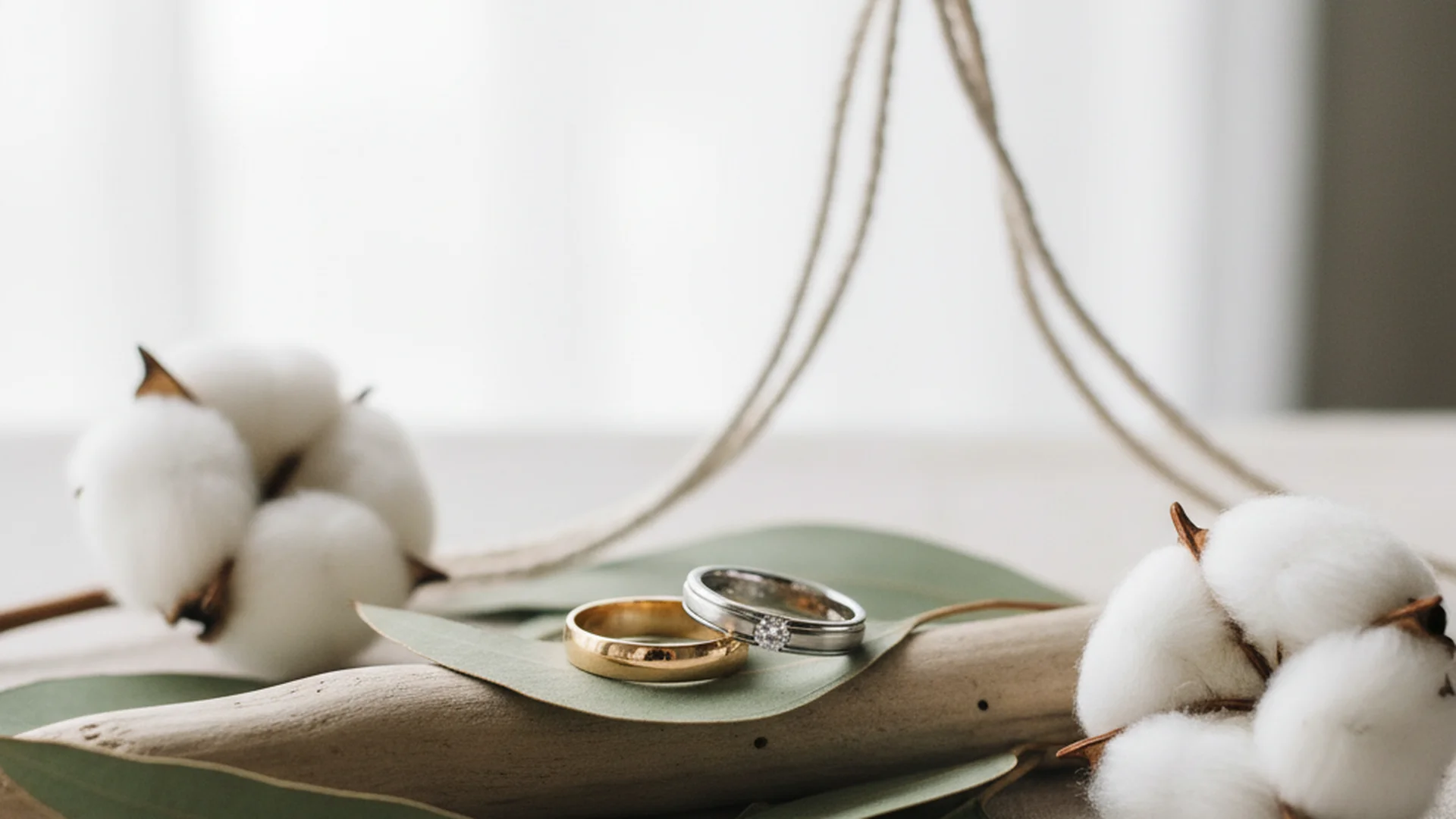
Eco-Friendly Wedding Rings: A Complete Guide to Sustainable Luxury
Discover the best eco-friendly wedding rings for 2025 and 2026. Learn about lab-grown diamonds, recycled gold, and ethical certifications for your big day.
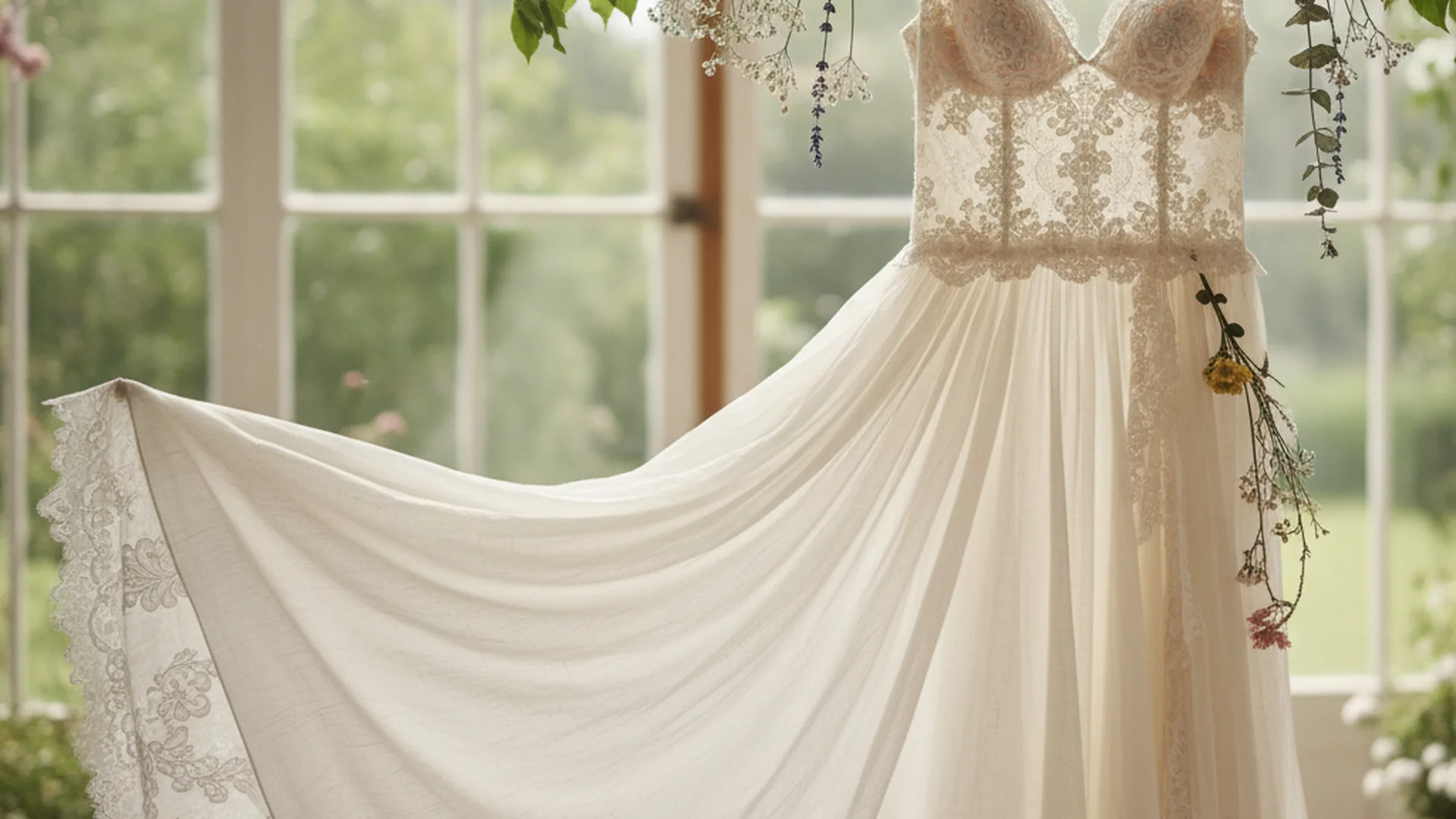
The Ultimate Guide to Choosing a Sustainable Wedding Dress in 2025
Discover how to find the perfect sustainable wedding dress. Explore eco-friendly fabrics, 2025 bridal trends, and ethical shopping tips for the conscious bride.
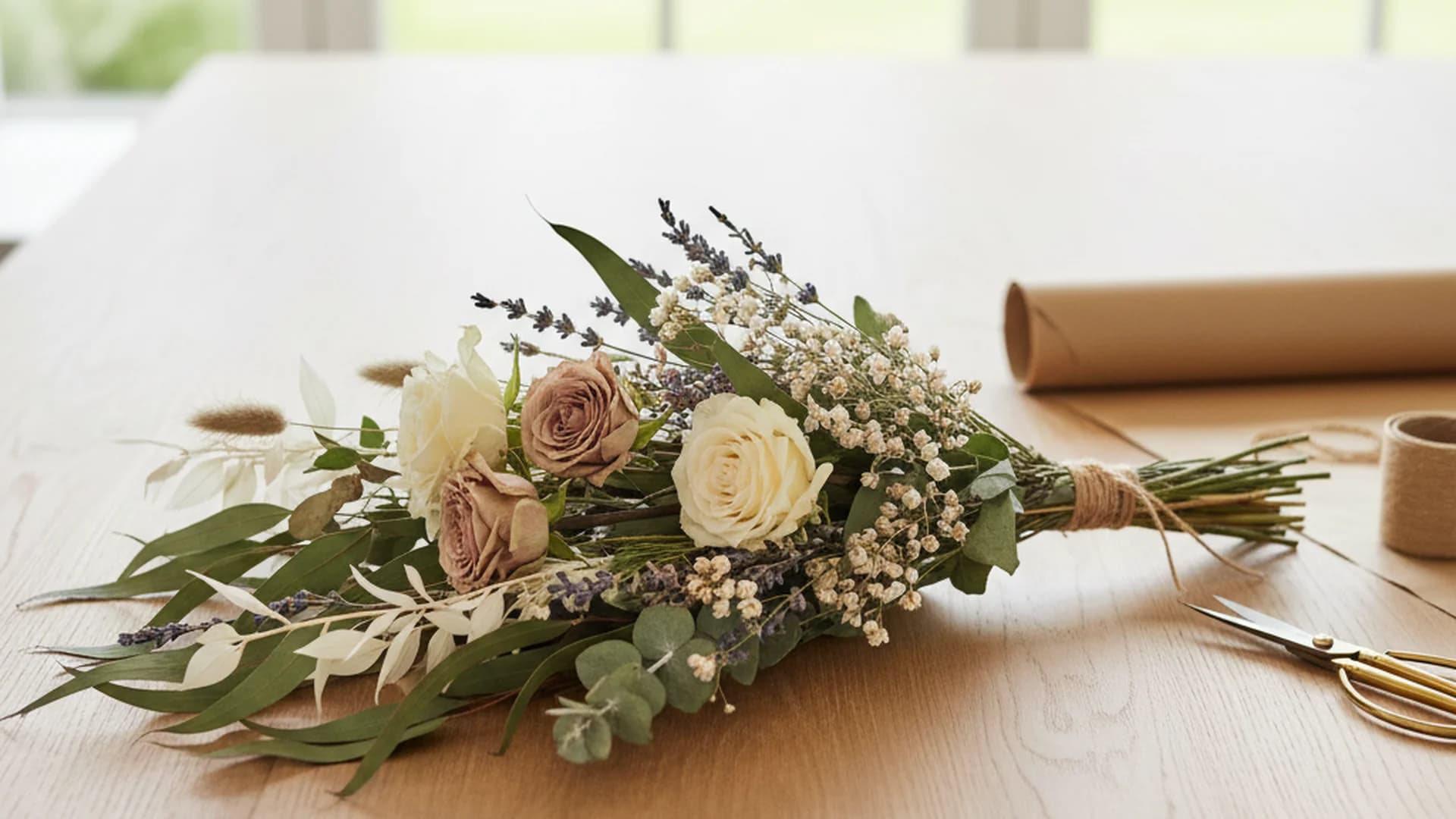
Sustainable Wedding Flowers: The Ultimate Guide to Eco-Friendly Floristry
Discover how to choose sustainable wedding flowers for your 2025-2026 wedding. Learn about no-foam mechanics, local sourcing, and reducing your carbon footprint.