The Ultimate Guide to a Locally Sourced Wedding Menu: Sustainability Meets Gourmet
Discover how a locally sourced wedding menu reduces environmental impact and enhances flavor. Explore 2025 trends, seasonal guides, and expert planning tips.
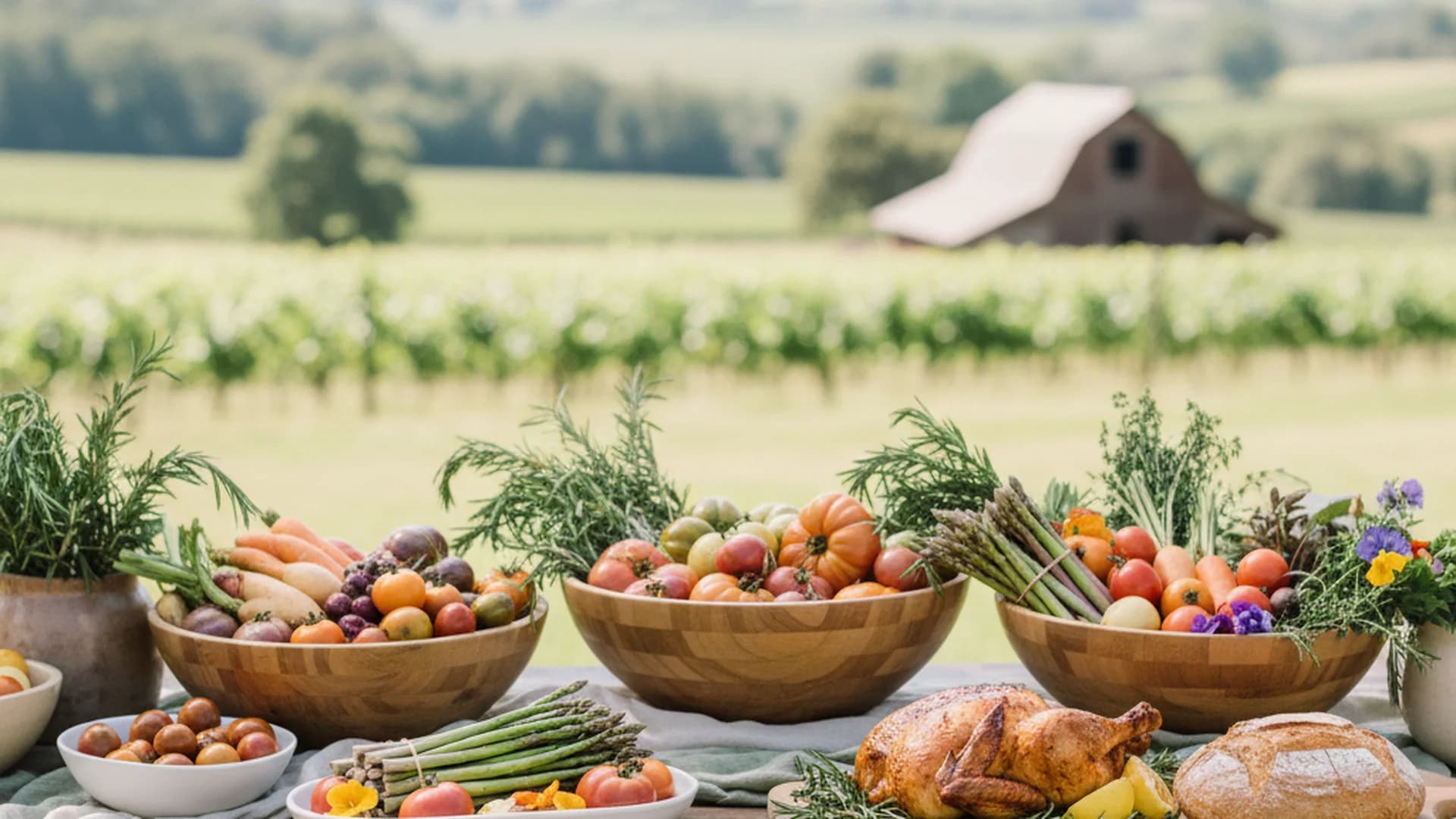
- Sourcing locally can significantly reduce a wedding’s 12-ton CO2e carbon footprint.
- Flexibility is key; menus should align with "micro-seasons" rather than broad seasonal categories.
- Hyper-local sourcing (within 50 miles) is a top trend for the 2025–2026 wedding seasons.
In the world of modern weddings, the menu is no longer just a meal—it is a manifesto. As a vow ghostwriter, I often help couples articulate their values through words, but there is perhaps no more visceral way to share your story than through the food you serve your guests. Transitioning to a locally sourced wedding menu is more than a culinary choice; it is a commitment to sustainability, community, and an unparalleled level of freshness that mass-market catering simply cannot replicate.
With approximately 75% of engaged couples now considering sustainability a priority, the "farm-to-table" movement has evolved from a niche preference into a gold standard for luxury and authenticity. Whether you are hosting an intimate garden gathering or a grand ballroom affair, focusing on regional bounty allows you to create a sensory experience that honors the land where you say "I do."
Why Choose a Locally Sourced Wedding Menu?
The shift toward local ingredients is driven by a desire for both quality and ethics. The global wedding industry contributes roughly 1.5 million tons of CO2 annually. Much of this comes from "food miles"—the distance ingredients travel from farm to plate. By sourcing your ingredients from nearby producers, you significantly slash the 12-ton CO2e footprint typically associated with a standard wedding.
Furthermore, the "local gap" remains a significant opportunity for differentiation. Despite high interest, locally sourced options account for only 12% of current wedding menus. Choosing this path doesn't just help the planet; it makes your wedding stand out as a curated, artisanal event. If you are already looking into Green Wedding Planning, your menu is the most impactful place to start.
Note
Navigating the Micro-Season
One of the most common mistakes couples make is planning for a broad season like "Spring" or "Fall." Expert caterers in 2025 are moving toward micro-seasonal planning, which focuses on what is at its absolute peak during the specific week of your wedding.
The Seasonal Harvest Guide
| Season | Peak Ingredients | Culinary Application |
|---|---|---|
| Early Spring | Ramps, Asparagus, Fiddlehead Ferns | Light broths, vibrant pestos, and grilled vegetable starters. |
| High Summer | Heirloom Tomatoes, Stone Fruit, Sweet Corn | Raw salads, gazpacho, and fruit-based desserts. |
| Late Fall | Wild Mushrooms, Root Vegetables, Squash | Earthy risottos, braised meats, and roasted sides. |
| Deep Winter | Preserved Fruits, Stored Tubers, Artisanal Cheeses | Rich stews, charcuterie boards, and fermented accents. |
Tip
The 6-Month Rule for Planning
To execute a successful locally sourced wedding menu, you cannot wait until the final weeks to decide on your dishes. Experts recommend the "6-Month Rule": start researching local suppliers 6 to 8 months in advance.
- Identify Local Producers: Visit farmers' markets and talk to vendors.
- Vet Your Caterer: Ask for specific names of farms they partner with. If they can’t name them, they likely aren't truly sourcing locally.
- Align with Harvest Cycles: Understand that if a late frost hits, your berry tart might need to become a stone fruit galette.
Heads up
2025–2026 Trends in Local Catering
The upcoming wedding seasons are embracing "Hyper-Localism"—sourcing ingredients from within a 50-mile radius of the venue. This creates a deeply rooted sense of place that resonates with guests.
Hyper-Local & Foraged Menus
Beyond traditional farming, "Foraged Wedding Menus" are rising in popularity for 2026. This involves incorporating wild-harvested elements like ramps, elderberry, or forest mushrooms. This "earthy and herbal" profile pairs beautifully with Sustainable Wedding Flowers and woodland themes.
Interactive Chef Stations
Replace the standard buffet with live cooking. Imagine a "Scallop Searing Station" using seafood caught that morning or "Hand-Rolled Pasta" featuring heritage grains from a local mill. This adds a theatrical element while highlighting the freshness of the ingredients.
Zero-Proof Local Bars
The "dry" wedding trend is evolving with elevated mocktails. Use locally distilled botanical spirits and "shrubs" (fruit-based vinegars) made from seasonal orchard harvests. It's a sophisticated way to keep the menu cohesive without the need for alcohol.
Upscale Nostalgia
This trend takes local comfort foods and elevates them. Think mini grilled cheese sandwiches made with 12-month aged farmhouse cheddar and a drizzle of local truffle-infused honey. It bridges the gap between high-end dining and the "soul food" of your specific region.
Do this
From the OurVows workspace
Planning a wedding is a lot. We make it feel like less.
Checklist, budget, guest list, and a wedding website — together in one free workspace built for both of you.
Real-World Examples of Local Menus
1. The Pacific Northwest Forest Feast
A couple marrying in Oregon focused on a 30-mile radius. Their menu featured cedar-planked wild salmon, foraged chanterelle mushrooms, and a huckleberry reduction. The bread was made from heritage wheat grown in the Willamette Valley. This menu felt like an extension of the forest surroundings.
2. The Hudson Valley Farmstead
For a New York wedding, the couple utilized a "nose-to-tail" approach with a local livestock farm. They served braised short ribs and used the bones for a rich, artisanal jus. Every vegetable on the plate was harvested within 48 hours of the ceremony, ensuring a crunch and sweetness that imported produce lacks.
3. The Coastal Lowcountry Boil
In South Carolina, a couple opted for "upscale nostalgia" by refining a traditional Lowcountry boil. They used local shrimp, corn from a nearby heritage farm, and served it family-style on communal platters to reduce waste and encourage conversation, perfectly complementing their Eco Friendly Wedding Decor.
Common Mistakes to Avoid
Misconception: "Local Always Means Sustainable"
The Truth: A farm 10 miles away using heavy chemical pesticides may have a higher environmental impact than a regenerative organic farm 100 miles away. Always prioritize farming practices alongside distance. If you are aiming for a Carbon Neutral Wedding, the how is just as important as the where.
Mistake: Over-Processing High-Quality Ingredients
The beauty of a locally sourced wedding menu lies in the freshness. A common error is masking peak-season produce with heavy, complex sauces. Experts recommend "minimal intervention" cooking—let the natural sweetness of a vine-ripened tomato or the earthiness of a local beet shine on its own.
Mistake: Assuming It's Only for Small Weddings
While it is easier to source for 20 guests, many large-scale caterers now have extensive "vendor partner" networks. If you are using a Guest Count Calculator and realize your list is hitting 200+, don't panic. You can still source local honey, cheeses, or seasonal greens even for large crowds.
Misconception: "Local Menus are More Expensive"
Sourcing in-season can actually reduce costs by avoiding international shipping and import fees. While some artisanal meats carry a premium, balancing the menu with seasonal vegetables can help you stay within your Wedding Budget Calculator targets.
Frequently asked questions
Is a locally sourced menu more expensive?
How do I know if my caterer is actually sourcing locally?
What if my favorite food isn't in season during my wedding?
Can a local menu accommodate strict dietary restrictions?
When should I start planning the menu?
Conclusion: A Feast for the Future
Creating a locally sourced wedding menu is a powerful way to ground your celebration in the present moment and the local landscape. It transforms a standard reception dinner into a shared experience of the season’s best offerings. By prioritizing transparency, flexibility, and the "6-month rule," you can provide your guests with a meal that is as memorable as your vows.
As you continue your journey toward a more conscious celebration, consider how these culinary choices fit into your broader Sustainable Wedding Ideas. From the soil to the plate, every choice you make builds a legacy of love that respects the world around you.
Do this
Ready when you are
Plan Your Perfect Menu
Use our tools to organize your guest list and budget for a sustainable feast.
Ready when you are
Plan your wedding without the chaos.
Free forever for couples just getting started. Two minutes to set up. No credit card.
Keep reading
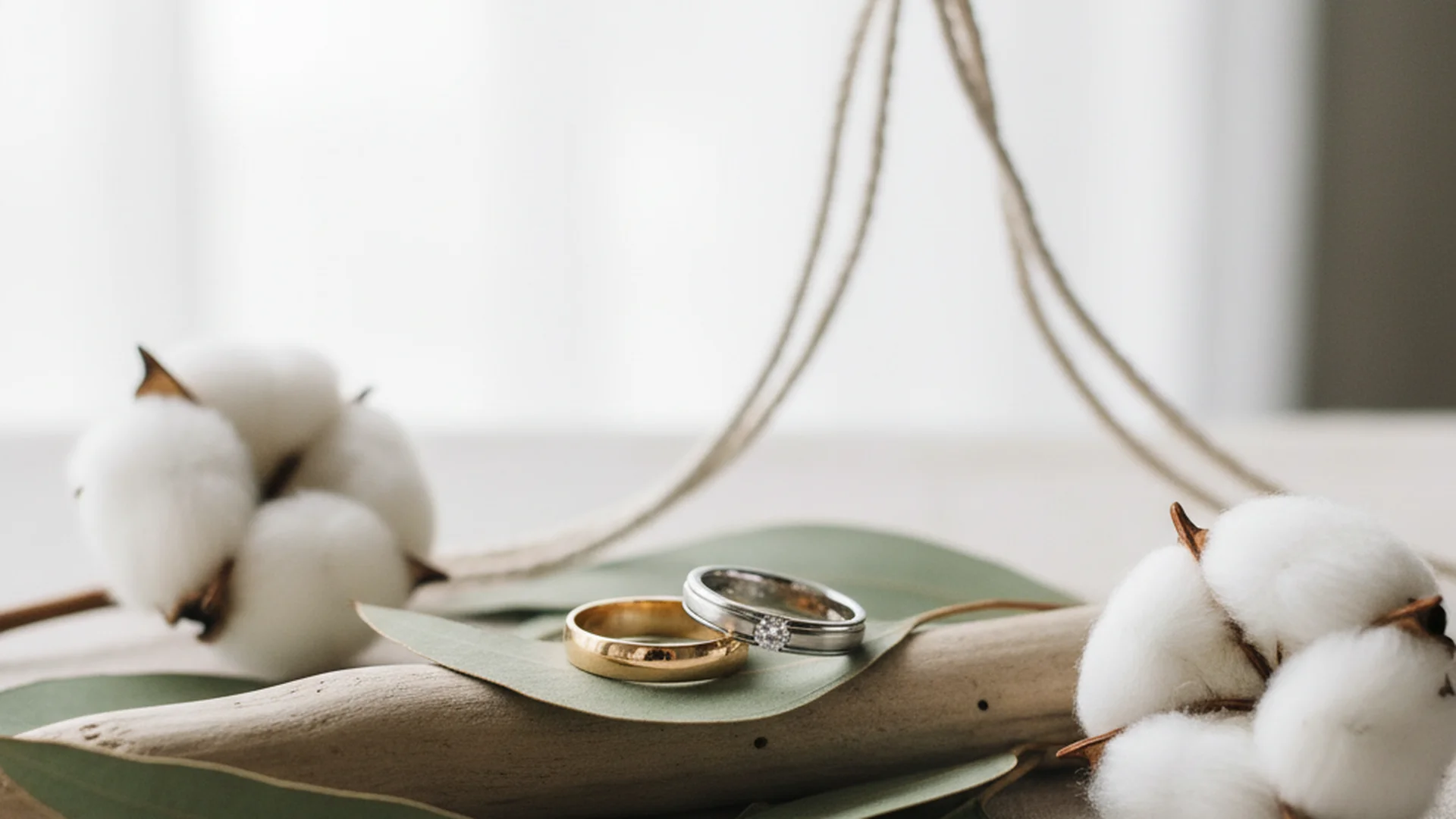
Eco-Friendly Wedding Rings: A Complete Guide to Sustainable Luxury
Discover the best eco-friendly wedding rings for 2025 and 2026. Learn about lab-grown diamonds, recycled gold, and ethical certifications for your big day.
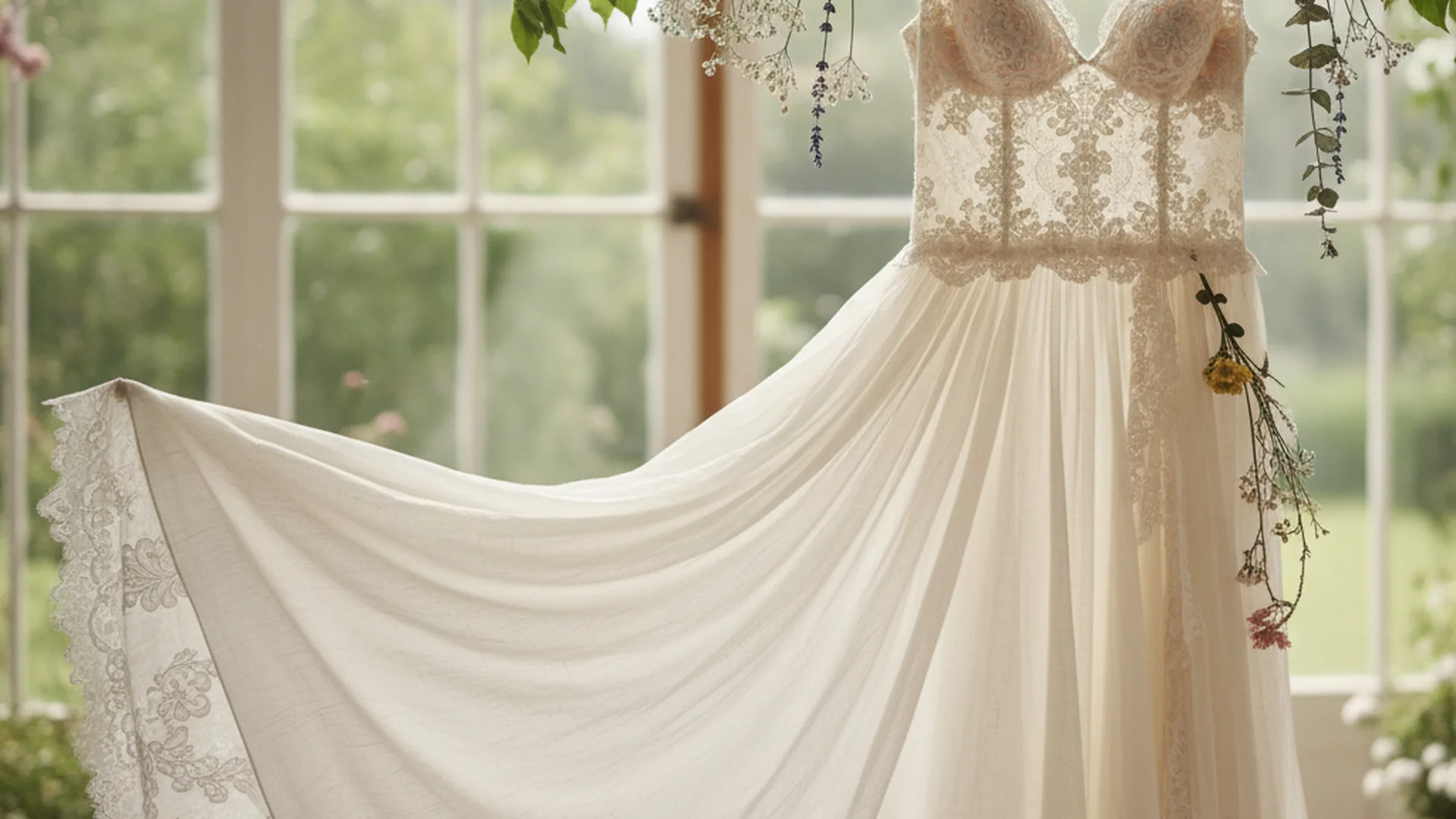
The Ultimate Guide to Choosing a Sustainable Wedding Dress in 2025
Discover how to find the perfect sustainable wedding dress. Explore eco-friendly fabrics, 2025 bridal trends, and ethical shopping tips for the conscious bride.
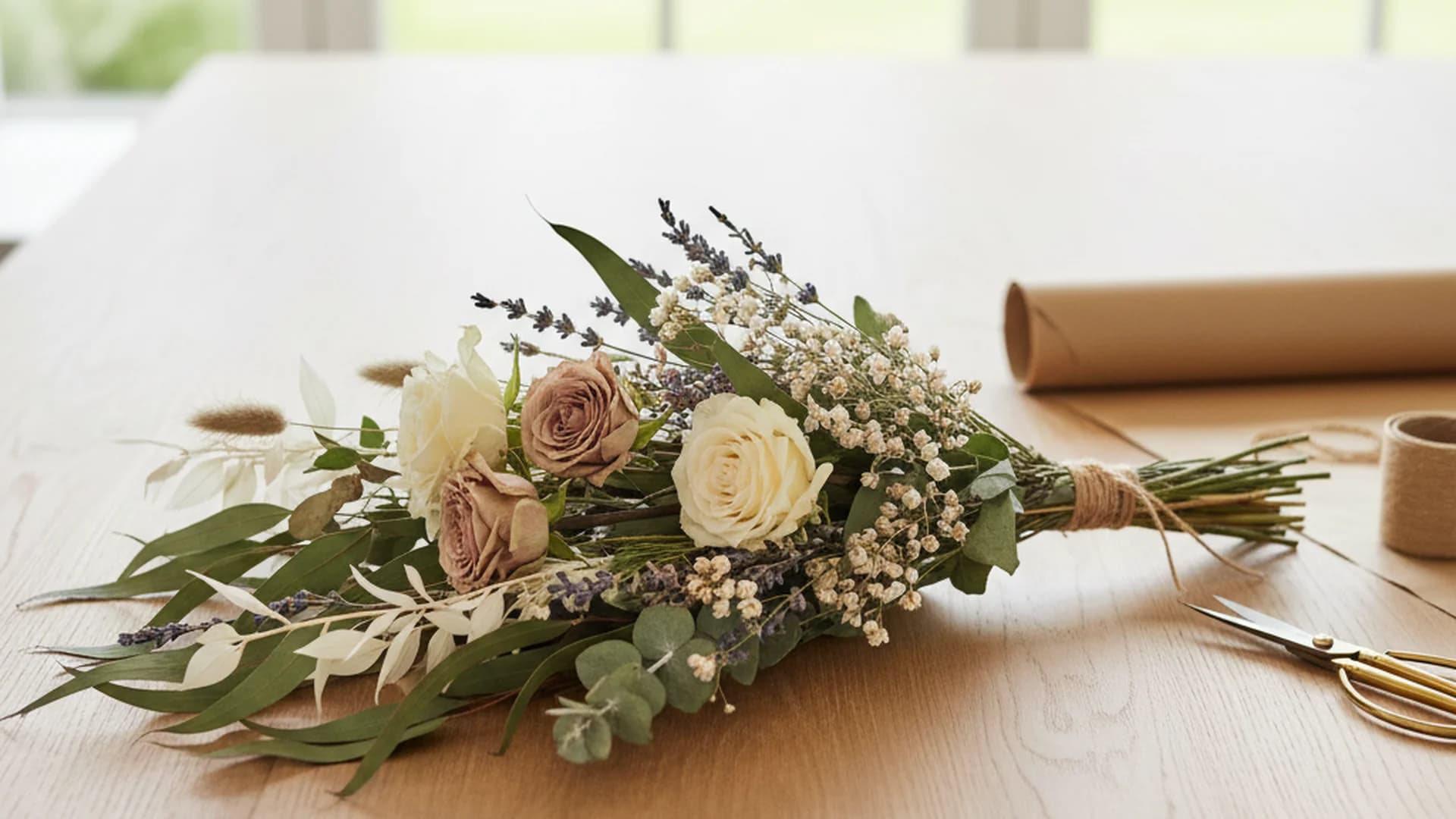
Sustainable Wedding Flowers: The Ultimate Guide to Eco-Friendly Floristry
Discover how to choose sustainable wedding flowers for your 2025-2026 wedding. Learn about no-foam mechanics, local sourcing, and reducing your carbon footprint.