Sustainable Wedding Ideas: The Ultimate Guide for 2025 and Beyond
Discover innovative sustainable wedding ideas for 2025-2026. Learn about mycelium decor, AI carbon tracking, and eco-friendly tips to reduce your wedding’s footprint.
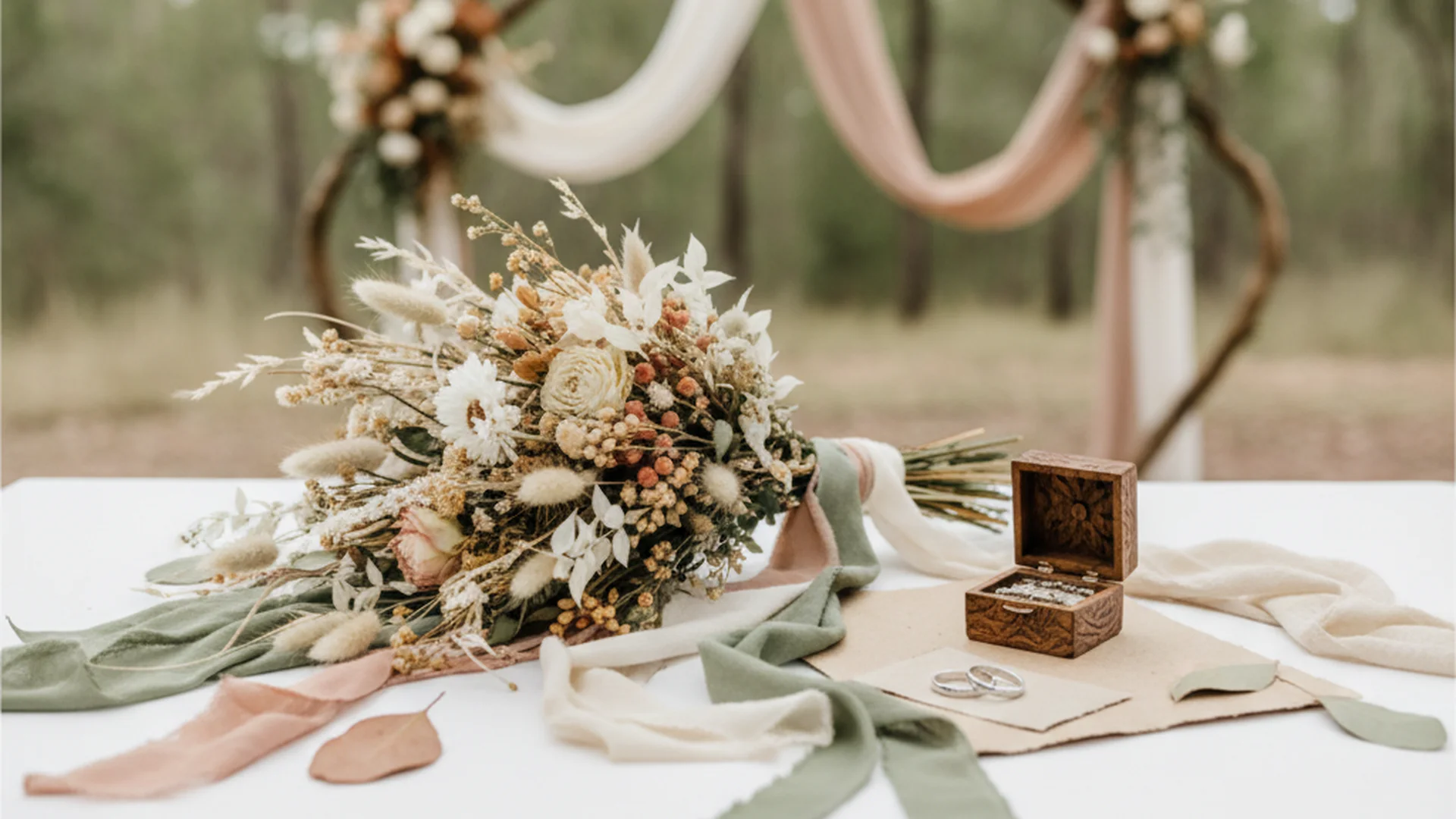
- Weddings produce an average of 14.5 tonnes of CO2; sustainability is no longer a niche, but a necessity.
- Future trends for 2025-2026 include mycelium (mushroom) decor and AI-powered carbon footprint tracking.
- Sustainable weddings can actually save you money by prioritizing rentals and seasonal, local sourcing.
So, you’ve decided to tie the knot! Congratulations. You’ve found the person you want to annoy for the next sixty years, and now you want to celebrate that bond with a party. But here is the awkward truth: a traditional wedding can be an environmental disaster. If you aren’t careful, your "Big Day" could leave behind a "Big Footprint." Fortunately, implementing sustainable wedding ideas doesn't mean you have to serve raw kale and get married in a field of hemp (unless that’s your vibe, in which case, go for it).
In 2025 and 2026, being an eco-conscious couple is about "Minimalist Luxury"—the art of having a high-end, stunning celebration that respects the planet. As someone who has seen everything from exploding confetti cannons to ice sculptures that melt into puddles of regret, I can tell you that the most beautiful weddings are often the ones that leave the lightest touch.
The Real Impact of the "I Do"
Before we dive into the gorgeous world of mushroom-based decor and drone shows, we need to talk about the elephant in the ballroom. A typical wedding in the UK generates roughly 14.5 tonnes of CO2. To put that in perspective, that’s significantly higher than the average person’s entire annual emission.
The "values-action gap" is real. While most couples say they want a green wedding, only a small fraction actually follow through with significant eco-friendly changes. We are here to help you close that gap. By choosing sustainable wedding ideas early in your planning process, you aren't just following a trend; you’re making a statement about the future you’re building together.
The 2025-2026 Trend Report: The Future is Green
Sustainability is evolving. Forget the "rustic-chic" burlap bags of 2014. The next two years are all about cutting-edge technology and "living" materials.
AI-Powered Sustainability
By 2026, expect to see AI tools taking center stage. These aren't just for writing your vows; new platforms can track your wedding's carbon footprint in real-time. These tools scan your guest list, travel distances, and menu choices to suggest "Green Certified" vendors who fit your aesthetic. It’s like having a digital Alistair Thorne, but with less sarcasm and more data.
"Designed to Disappear" Materials
We are moving beyond "recyclable" toward "compostable." In 2025, mycelium (mushroom roots) is the breakout star of wedding decor. It can be grown into sturdy, beautiful shapes—think vases, candle holders, and even structural installations—that can be tossed in the garden after the party. Similarly, seaweed-based films are replacing plastic wraps for favors and snacks.
Futuristic Minimalism (The Stainless Steel Era)
One of the most exciting design shifts for 2026 is the use of stainless steel. It sounds cold, but it’s incredibly sleek and 100% recyclable. From polished steel vases to minimalist tableware, it offers a "Quiet Luxury" look that is far more durable and eco-friendly than cheap glass or ceramics that end up in landfills.
Drone Light Shows
Traditional fireworks are, frankly, a mess. They release heavy metals and chemicals into the air and terrify every dog within a five-mile radius. The 2025 alternative? Battery-powered drone displays. They are reusable, silent, and can create intricate 3D shapes in the sky—like your initials or a giant glowing ring—without the toxic fallout.
Tip
The Four Pillars of a Sustainable Wedding
To make your planning manageable, I recommend focusing on what I call the "Four Pillars." You don't have to be perfect in every category, but making one intentional choice in each will drastically reduce your impact.
1. Materials and Origin
Prioritize natural, durable fibers. If you’re choosing linens, go for organic cotton or flax linen over polyester. When it comes to the rings, lab-grown diamonds are the gold standard for 2025. They are chemically identical to mined diamonds but avoid the massive environmental and ethical toll of traditional mining.
2. Renting vs. Buying
The "buy-and-toss" cycle is the enemy of sustainability. From your dress to the candlesticks on the table, if you can rent it, do it. Many couples are now opting for high-end rental services for their attire, ensuring a designer look without the "one-wear" waste.
3. Sustainable Logistics
Transportation is often the largest part of a wedding's carbon footprint. The simplest fix? Choose a venue where both the ceremony and the reception are held. This eliminates the need for a fleet of cars (or a vintage bus that gets 4 miles to the gallon) to ferry guests between sites. If you are planning a Carbon Neutral Wedding, local is always better.
4. Vendor Values
Don’t just take "eco-friendly" at face value. Vet your vendors. Ask if they have green certifications or if they have a written sustainability policy. A truly green caterer will know exactly which farm your carrots came from.
Heads up
Real-World Example: Three Ways to Go Green
The "Zero-Waste" Urban Soiree
Sarah and James held their wedding in a refurbished industrial loft. They used digital invitations (saving 200 sheets of cardstock), rented all their furniture, and used a "circulating" menu where ingredients were used across multiple courses to minimize prep waste. Their "flowers" were actually potted herbs that guests took home to grow.
The Regenerative Farmstead
Marcus and Elena chose a working organic farm. The menu was 100% "hyper-local," meaning nothing traveled more than 10 miles to reach the plate. They used a Wedding Budget Calculator to reallocate the money they saved on imported flowers into a donation to a local reforestation project in their guests' names.
The High-Tech Gala
This 2026-style wedding featured a drone show instead of fireworks and used AI to optimize guest shuttle routes. Every piece of decor was made from mycelium or recycled stainless steel. It was glamorous, futuristic, and produced nearly zero landfill waste.
From the OurVows workspace
Planning a wedding is a lot. We make it feel like less.
Checklist, budget, guest list, and a wedding website — together in one free workspace built for both of you.
Catering and the War on Food Waste
Food waste is one of the silent killers of a wedding’s sustainability score. One wedding can result in over £480 of wasted food.
- Skip the Buffet: While buffets seem easier, they typically require 10-20% more food production to look "full." Plated meals are much more efficient.
- The "Serpentine" Cake: Massive multi-tiered cakes often go half-uneaten. Consider a smaller display cake for the photos and a high-quality sheet cake in the kitchen for serving.
- Donate Leftovers: Work with a caterer who has a pre-arranged partnership with a local food bank or shelter.
Do this
Floral Freedom: Going Foam-Free
If there is one thing that keeps environmentalists awake at night, it’s floral foam. That green stuff at the bottom of vases is actually a non-biodegradable microplastic that is toxic to marine life.
For a truly Eco Friendly Wedding Guide experience, request "foam-free" arrangements. Florists can use chicken wire or reusable glass frogs to create stunning displays. Better yet, look into "living decor"—potted trees, ferns, or flowering plants that can be replanted in your garden after the wedding.
| Sustainable Choice | Environmental Impact | Cost Comparison |
|---|---|---|
| Digital Invites | High (Zero paper) | Much Cheaper |
| Seasonal Flowers | High (Low transport) | Cheaper |
| Lab-Grown Diamonds | Very High | 30-40% Cheaper |
| Renting Decor | High (Circular) | Varies |
Common Mistakes to Avoid
- The "All-or-Nothing" Approach: Don't give up because you can't find a carbon-neutral silk for your dress. Sustainability is about progress, not perfection. One major change—like a vegetarian menu—is better than zero changes.
- Ignoring the "Invisible" Waste: You might have seed-paper invites, but if you're flying in exotic orchids from the other side of the world, your footprint is still massive. Focus on the big hitters: travel and food.
- Forgetting Guest Travel: If you have 10 guests, your impact is naturally lower. Check out 10 Guest Wedding Ideas for inspiration on intimate, low-impact celebrations.
- Thinking "Eco" Means "Rustic": You don't need hay bales to be green. Modern sustainability is sleek, polished, and luxurious.
Note
Frequently asked questions
Is a sustainable wedding more expensive?
How can I minimize food waste without looking stingy?
What are the best eco-friendly wedding favors?
Are lab-grown diamonds "real" diamonds?
Conclusion
A wedding is a celebration of the future. It is a promise made between two people to build a life together. By choosing sustainable wedding ideas, you are extending that promise to the world your future family will inhabit. Whether you’re embracing the mycelium decor trend of 2026 or simply choosing to host your ceremony and reception in one place, every choice matters.
Remember, your wedding doesn't have to be perfect to be impactful. Start with the "Four Pillars," vet your vendors, and don't be afraid to use technology to help you track your progress. After all, the best wedding gift you can give each other—and the planet—is a beautiful beginning that doesn't cost the Earth.
Do this
Ready when you are
Ready to Start?
Begin your eco-friendly planning journey with our free tools.
Ready when you are
Plan your wedding without the chaos.
Free forever for couples just getting started. Two minutes to set up. No credit card.
Keep reading
Eco-Friendly Wedding Rings: A Complete Guide to Sustainable Luxury
Discover the best eco-friendly wedding rings for 2025 and 2026. Learn about lab-grown diamonds, recycled gold, and ethical certifications for your big day.
The Ultimate Guide to Choosing a Sustainable Wedding Dress in 2025
Discover how to find the perfect sustainable wedding dress. Explore eco-friendly fabrics, 2025 bridal trends, and ethical shopping tips for the conscious bride.
Sustainable Wedding Flowers: The Ultimate Guide to Eco-Friendly Floristry
Discover how to choose sustainable wedding flowers for your 2025-2026 wedding. Learn about no-foam mechanics, local sourcing, and reducing your carbon footprint.