Ethical Wedding Planning: The Holistic Guide to Sustainable Celebrations
Discover how to plan an ethical wedding that prioritizes sustainability, social justice, and fair labor without sacrificing style or luxury in 2025.
- Ethical planning encompasses environmental, social, and labor considerations.
- Modern couples are moving toward 'Meadowcore' and circular consumption.
- Authenticity requires vetting vendors beyond surface-level 'green' marketing.
For many years, the concept of a "green wedding" was relegated to a specific aesthetic—think kraft paper and succulents. However, as we look toward the 2025 and 2026 seasons, the landscape has shifted dramatically. Ethical Wedding Planning is no longer a niche trend; it is a holistic philosophy that integrates environmental stewardship, social justice, and fair labor practices into the very fabric of the celebration. As an interfaith officiant, I have seen firsthand how couples are moving away from mindless consumption toward intentionality, ensuring their first act as a married couple aligns with their deepest values.
The True Impact of the Modern Wedding
To understand the necessity of ethical planning, we must first look at the data. The average American wedding generates approximately 60 metric tons of CO2. To put that in perspective, that is the equivalent of 71 round-trip flights from New York to Los Angeles. Furthermore, a single event produces an average of 400 pounds of trash and consumes roughly 20kg of single-use plastic.
In the UK, the statistics are equally eye-opening, with an average of £488 wasted on food per wedding. Interestingly, a large share of guests do not even eat edible wedding favors, highlighting a significant gap between tradition and actual consumption. By choosing Green Wedding Planning, couples are actively working to dismantle these wasteful standards.
Note
The Three Pillars of Ethical Vetting
When selecting your team, I recommend using the "3-Pillar Check." This framework allows you to look past "greenwashing" and see the actual impact of a business.
1. Planet (Environmental Policy)
Ask your vendors about their specific waste management and energy policies. Do they compost? Do they use renewable energy? A caterer who prioritizes a locally sourced wedding menu is often a better choice than one who offers "organic" food flown in from across the globe.
2. People (Fair Labor and DEI)
Inquiry into labor ethics is a vital part of ethical wedding planning. Does the venue pay its staff a living wage? Does the photographer have a clear Diversity, Equity, and Inclusion (DEI) policy? Ensuring your wedding is inclusive means vetting vendors to ensure they welcome all identities and treat their employees with dignity.
3. Provenance (Sourcing)
Where do the materials come from? This applies to everything from the stones in your rings to the fabric of your attire. If you are looking for an eco friendly wedding ring, you should look for Kimberley Process certification or, better yet, recycled heirloom stones.
Tip
2025–2026 Trends in Ethical Wedding Planning
The upcoming wedding seasons are defined by a move toward "Quiet Luxury" and "Circular Narratives." Here is how these trends are manifesting:
Meadowcore and Living Decor
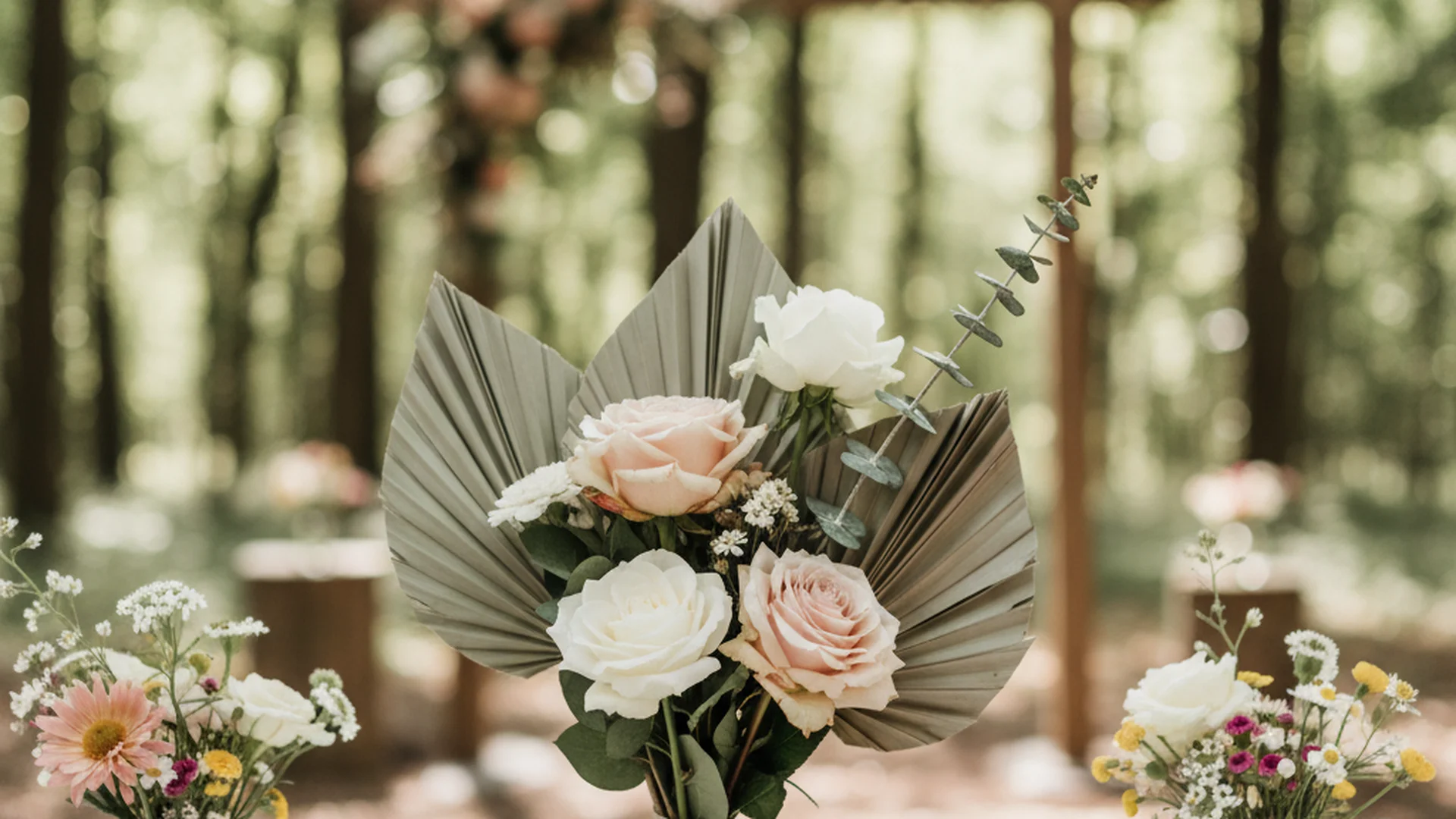
Couples are moving away from cut-flower centerpieces that are discarded after six hours. The "Meadowcore" trend utilizes potted plants, local wildflowers, and living installations that can be replanted in the couple's garden or donated to the community. This drastically reduces the carbon footprint associated with floral transportation and refrigeration.
Digital-First Communication
High-end digital invitations have become the new standard. By eliminating paper RSVPs and detail cards, couples can save thousands of gallons of water used in paper production. For those who still prefer physical keepsakes, recycled paper or seed paper (which can be planted) are the top ethical alternatives. You can find more details in our guide on eco friendly wedding invitations.
The Serpentine Table
Instead of isolated rounds, long winding "serpentine" tables are gaining popularity. This setup encourages family-style dining, which experts suggest results in significantly less food waste compared to traditional three-course plated meals.
Do this
Strategic Logistics: The "One-Site" Rule
One of the most effective ways to reduce the environmental impact of your wedding is the "One-Site" rule. By holding the ceremony and reception at the same location, you eliminate the need for guest transportation between venues. This single decision can reduce your wedding's transportation emissions by up to 50%.
Furthermore, consider choosing social impact venues. Many botanical gardens, museums, and historic trusts operate as non-profits. Your rental fee directly supports conservation, education, or community programs rather than just adding to a corporate bottom line.
Heads up
From the OurVows workspace
Planning a wedding is a lot. We make it feel like less.
Checklist, budget, guest list, and a wedding website — together in one free workspace built for both of you.
Ethical Fashion and Jewelry
The fashion industry is a major contributor to global waste, and the wedding industry is no exception. However, 2025 sees a rise in "heirloom fashion." This involves redesigning vintage pieces or choosing brands with transparent, fair-wage supply chains. Finding a sustainable wedding dress might mean renting, buying second-hand, or commissioning a gown from a designer who uses organic silk or recycled lace.
When it comes to jewelry, the "ethical diamond" debate continues. While lab-grown diamonds avoid the human rights issues of traditional mining, they are extremely energy-intensive. Truly ethical couples often look for recycled "post-consumer" diamonds or labs that run entirely on renewable energy.
Common Mistakes to Avoid
In the pursuit of perfection, many couples fall into traps that actually hinder their ethical goals.
- The "All-or-Nothing" Trap: Many feel that if they can’t achieve a 100% zero-waste wedding, they have failed. Ethical planning is about progress, not perfection. One small change, like switching to eco friendly wedding decor, is better than no change at all.
- The "Eco-Friendly" Balloon Myth: Many balloons are marketed as "biodegradable latex," but they still take years to break down and are lethal to wildlife in the interim. Avoid them entirely in favor of fabric bunting or paper lanterns.
- Overlooking Labor Ethics: It is easy to focus on the "green" aspects while forgetting the human ones. Always check if your planner or florist uses unpaid interns for heavy labor, which is a common but unethical practice in the industry.
- Greenwashing Buzzwords: Avoid vendors who use "natural" or "eco" without providing specific data or policies to back those claims.
| Strategy | Impact Level | Cost Benefit |
|---|---|---|
| One-Site Venue | High | Saves on Transport |
| Plant-Forward Menu | High | Lower Catering Costs |
| Digital Invitations | Medium | Saves $200-$800 |
| Renting Decor | High | Reduces Storage Needs |
Frequently asked questions
Is an ethical wedding more expensive?
How do I handle leftover food and flowers?
What is a "Circular" Registry?
How can I ensure my wedding is truly inclusive?
Conclusion
Ethical Wedding Planning is an invitation to celebrate your love in a way that respects the world around you. By focusing on the three pillars of Planet, People, and Provenance, you create an event that is not only beautiful but also meaningful. Whether you are aiming for a carbon neutral wedding or simply trying to reduce food waste, every intentional choice counts toward a more sustainable future for the industry and the planet.
Do this
Ready when you are
Ready to Start?
Begin your ethical planning journey with our specialized tools.
Ready when you are
Plan your wedding without the chaos.
Free forever for couples just getting started. Two minutes to set up. No credit card.
Keep reading
Eco-Friendly Wedding Rings: A Complete Guide to Sustainable Luxury
Discover the best eco-friendly wedding rings for 2025 and 2026. Learn about lab-grown diamonds, recycled gold, and ethical certifications for your big day.
The Ultimate Guide to Choosing a Sustainable Wedding Dress in 2025
Discover how to find the perfect sustainable wedding dress. Explore eco-friendly fabrics, 2025 bridal trends, and ethical shopping tips for the conscious bride.
Sustainable Wedding Flowers: The Ultimate Guide to Eco-Friendly Floristry
Discover how to choose sustainable wedding flowers for your 2025-2026 wedding. Learn about no-foam mechanics, local sourcing, and reducing your carbon footprint.