How to Choose Engagement Ring: The Ultimate Guide for 2025-2026
Expert advice on how to choose engagement ring styles, diamonds, and metals. Learn about lab-grown trends, pricing, and 2026 fashion for the perfect proposal.
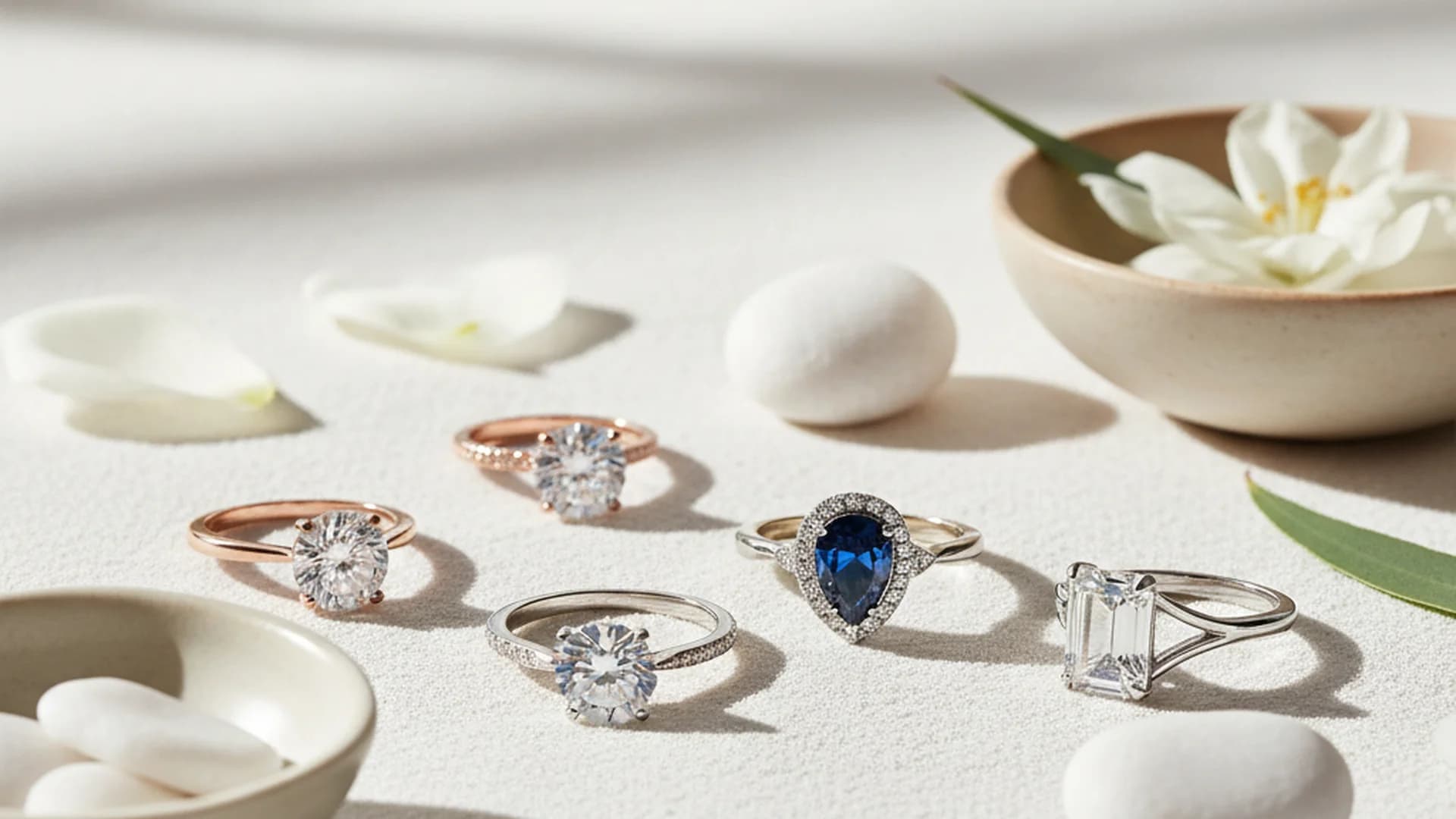
- Prioritize diamond 'Cut' over carat weight for maximum brilliance and value.
- Lab-grown diamonds now account for over 50% of center stones due to significant cost savings.
- Consider the wearer’s lifestyle (active vs. office) when selecting setting types like bezel or prong.
Choosing an engagement ring is one of the most emotionally charged and financially significant milestones in a couple’s journey. As a relationship counselor, I often see couples navigate the pressure of this purchase, balancing societal expectations against their unique personal values. Learning how to choose engagement ring styles that resonate with your partner while staying within a healthy financial boundary is a vital first step in your life together. In 2025 and 2026, the "rules" have changed—prioritizing authenticity, sustainability, and personal expression over outdated traditions.
The Shifting Landscape: Natural vs. Lab-Grown Diamonds
The most significant shift in the jewelry industry recently is the "bifurcation" of the diamond market. Today, buyers are faced with a fundamental choice: a diamond grown in a laboratory or one mined from the earth. Both are chemically, physically, and optically identical, but they represent different value propositions.
Understanding the Price Gap
In 2025, a 1-carat lab-grown diamond averages approximately $1,000 or less. In contrast, a natural diamond of similar quality can cost around $4,200. This 70% to 90% price difference has completely redefined how couples approach their budgets.
| Feature | Lab-Grown Diamond | Natural Diamond |
|---|---|---|
| Composition | Pure Carbon (Crystalline) | Pure Carbon (Crystalline) |
| 1ct Average Price | ~$1,000 | ~$4,200 |
| Resale Value | Low | Moderate/High |
| Environmental Impact | Lower (Renewable Energy dependent) | Higher (Mining operations) |
Note
Mastering the 4Cs with a Modern Twist
When learning how to choose engagement ring diamonds, the "4Cs" (Cut, Color, Clarity, and Carat) remain the standard. However, the way you should prioritize them has evolved to help you get the best visual impact for your dollar.
1. Cut: The Most Important Factor
The cut is the only "C" influenced by human hands. It dictates how light travels through the stone. A poorly cut diamond will look dull, regardless of its size or clarity.
Tip
2. Clarity: The "Eye-Clean" Goal
Many buyers make the mistake of paying for "Flawless" or "VVS" clarity. In reality, most inclusions are microscopic. You can save thousands by choosing an "Eye-Clean" SI1 or VS2 stone, where the imperfections are invisible to the naked eye.
3. Color: Embracing Warmth
While icy D-F colors were once the gold standard, 2026 trends are shifting toward "off-white" diamonds in the K-M range. These warmer tones provide a vintage, romantic feel and pair beautifully with yellow gold settings.
4. Carat: The "Slightly Under" Strategy
Diamonds are priced at "magic numbers" (0.50ct, 1.0ct, 1.5ct, 2.0ct). By purchasing a stone that is 1.90ct instead of a full 2.0ct, you can save significant money. Visually, the difference is impossible to detect without professional tools.
Setting the Stage: 2025-2026 Design Trends
The setting is what defines the personality of the ring. Current trends emphasize durability and bold, sculptural aesthetics over the delicate "whisper-thin" bands of the last decade.
Chunky Gold and Bold Bands
We are moving away from 1.2mm bands, which are prone to warping. Instead, 2026 is seeing a surge in 2mm to 4mm "cigar-style" bands. These offer better structural integrity and a modern, high-fashion look.
Elongated and Antique Cuts
The "Moval"—a hybrid of a Marquise and an Oval—is currently the most requested shape. It offers the elegance of an oval with the unique points of a marquise. Additionally, antique cuts like the Old Mine or Old European cut are trending for those who prefer a soft, candlelit glow over modern brilliance.
East-West Settings
For a modern twist on a classic, consider an East-West setting. This involves setting elongated stones (like Emerald, Radiant, or Marquise) horizontally across the finger. It is a subtle way to make a traditional stone look avant-garde.
Do this
Matching the Ring to Lifestyle
As a relationship consultant, I remind my clients that an engagement ring is a piece of jewelry meant to be worn every day for decades. It must be compatible with the wearer's daily life.
- The Active Professional: If your partner is a healthcare worker, athlete, or gardener, consider a bezel setting. This is where a rim of metal surrounds the stone, protecting the edges from chipping and preventing the ring from snagging on gloves or clothing.
- The Minimalist: A low-profile setting sits closer to the finger and is less likely to get caught on everyday objects.
- The Glamour Enthusiast: A hidden halo (diamonds tucked under the center stone) adds sparkle that only the wearer sees from the side view.
Heads up
From the OurVows workspace
Ring sorted — now the wedding.
Set a realistic budget and a checklist that knows what's next, all in one free workspace.
Real-World Examples of Modern Selection
Example 1: The Budget-Savvy Power Couple
Sarah and James wanted a high-impact ring but were also saving for a house. They used our Wedding Budget Calculator and decided on a $5,000 limit. By choosing a 2.5-carat lab-grown oval diamond and a simple 14k yellow gold solitaire band, they achieved a "celebrity look" while staying within their $5000 Wedding Budget.
Example 2: The Practical Professional
Maya, a nurse, needed a ring that wouldn't catch on her medical gloves. Her partner chose a 1.2-carat round natural diamond set in a platinum bezel. This choice prioritized security and durability, ensuring the diamond remains safe throughout her busy shifts.
Example 3: The Vintage Soul
Leo wanted something unique for his partner. He selected a 1.5-carat "champagne" diamond (K-L color) with an antique Old Mine cut. He set it in a two-tone mixed metal band, combining a yellow gold shank with a white gold head to make the diamond pop.
Common Mistakes to Avoid
When figuring out how to choose engagement ring options, it is easy to fall into marketing traps. Here are the most common pitfalls:
- Buying on Impulse: Never buy a ring on your first visit to a jeweler. Take photos, get the specs, and compare prices online.
- Ignoring Certification: Never purchase a diamond without a grading report from a reputable laboratory like GIA (Gemological Institute of America) or IGI (International Gemological Institute). Without this, you have no proof of the stone's quality.
- Obsessing Over Carat Weight: A large, dull diamond looks significantly "cheaper" than a smaller, brilliant one. Focus on "light performance" rather than the number on the scale.
- Over-Prioritizing Clarity: Don't pay for what you can't see. Focus on "Eye-Clean" stones to maximize your budget.
- Assuming Custom is More Expensive: Many local jewelers can create a custom Engagement Ring Guide style for the same price as a retail chain, often with far superior craftsmanship.
Frequently asked questions
How much should I actually spend on an engagement ring?
Is a lab-grown diamond 'real'?
Which diamond shape looks the biggest on the finger?
How do I find their ring size without them knowing?
Should I choose gold or platinum?
Conclusion
Mastering how to choose engagement ring details requires a balance of logic and emotion. Whether you opt for a sustainable lab-grown stone or a classic natural diamond, the most important factor is that the ring reflects your partner's style and your shared values. By prioritizing the "Cut," considering lifestyle-appropriate settings, and ignoring outdated spending rules, you can find a piece that will be cherished for a lifetime.
If you are still exploring your options, I recommend reading our Diamond Engagement Ring Guide or looking into Alternative Engagement Rings for something truly unique.
Do this
Ready when you are
Ready to Start?
Use our tools to plan your perfect proposal and budget.
Ready when you are
Plan your wedding without the chaos.
Free forever for couples just getting started. Two minutes to set up. No credit card.
Keep reading
The Ultimate Guide to Engagement Ring Insurance: Protecting Your Symbol of Love
Protect your investment with our comprehensive guide to engagement ring insurance. Learn about costs, 2025 trends, coverage types, and how to avoid common pitfalls.
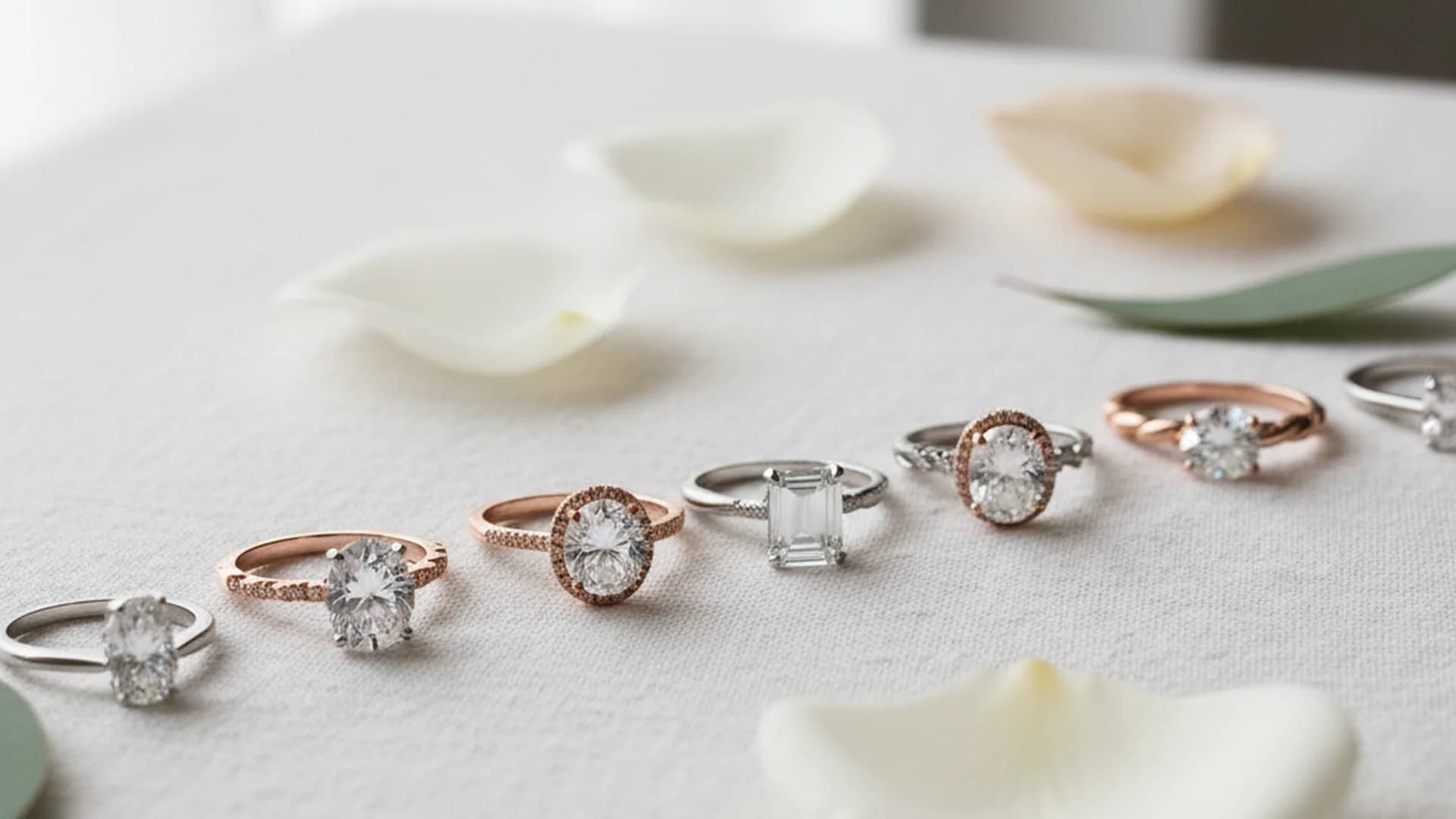
2025-2026 Guide to Engagement Ring Styles: Trends, Costs, and Expert Tips
Explore the top engagement ring styles for 2025-2026. From lab-grown diamond trends to vintage revivals and yellow gold's comeback, find your perfect ring.
The Ultimate Mens Wedding Band Guide: Metals, Styles, and 2025 Trends
Discover the perfect ring with our comprehensive Mens Wedding Band Guide. Explore top metals, 2025 trends like meteorite inlays, and expert tips on fit and sizing.