The Ultimate Engagement Ring Guide: 2025 Trends, Budgeting, and Expert Tips
Navigate the modern world of jewelry with our 2025 engagement ring guide. Learn about lab-grown diamonds, budgeting myths, and upcoming 2026 style trends.
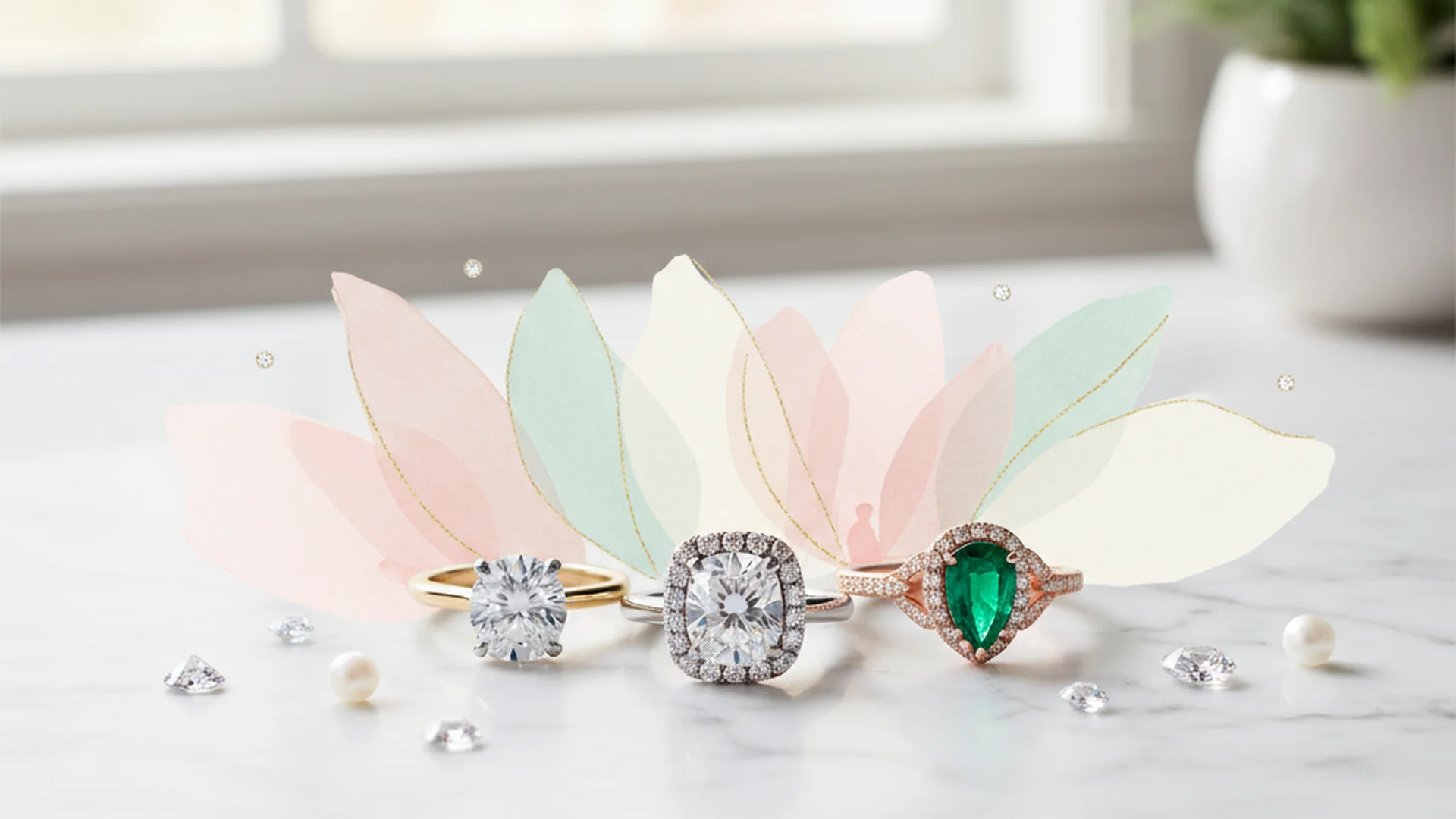
- Lab-grown diamonds now dominate the market, offering significantly higher carat weights for lower prices.
- Prioritizing 'Cut' over 'Carat' is the most effective way to ensure a diamond's brilliance and perceived size.
- Yellow gold has returned as the leading metal choice for new engagement rings.
Choosing a symbol of lifelong commitment is one of the most significant milestones in a couple’s journey. However, the process of finding the right piece can feel overwhelming amidst shifting market prices and evolving styles. This comprehensive engagement ring guide is designed to demystify the process, incorporating the latest data from 2024–2025 and expert projections for 2026 to help you make an informed, confident decision.
In 2025, the jewelry landscape looks remarkably different than it did just a few years ago. With the rise of sustainable lab-grown options and a move toward more personalized, "brutalist," or vintage-inspired designs, couples are prioritizing personal value over antiquated social rules. Whether you are looking for a classic solitaire or a bold, modern statement, understanding the technical and aesthetic nuances of today's market is the first step toward a successful proposal.
Redefining the Engagement Ring Budget
The financial landscape of engagement rings has undergone a massive shift. For decades, the "three months’ salary" rule was touted as the gold standard for how much one should spend. In 2025, this rule is officially considered obsolete.
Modern couples are now basing their budgets on personal debt-to-income ratios and long-term financial goals, such as buying a home or funding the wedding itself. The average spend in the U.S. has stabilized between $5,200 and $6,500. While this is a decrease from the post-pandemic highs of 2022, it reflects a smarter, more value-driven consumer.
Tip
If you are looking for ways to maximize your budget, consider exploring our 10000 Wedding Budget guide to see how your ring fits into the larger financial picture of your celebration.
The Rise of Lab-Grown Diamonds
Perhaps the most significant change in the industry is the "Lab-Grown Takeover." As of late 2025, lab-grown diamonds account for the majority of engagement ring sales, surpassing natural diamonds for the first time.
The appeal is largely financial and ethical. To the naked eye, a lab-grown diamond is identical to a natural one. They share the same chemical, physical, and optical properties. The primary difference lies in the price and the origin story.
| Feature | Natural Diamond | Lab-Grown Diamond |
|---|---|---|
| Price (1-Carat, 2025) | ~$4,200 | ~$1,000 or less |
| Average Carat Purchased | 1.1 carats | 1.7 - 2.0+ carats |
| Resale Value | Retains ~30-50% | Minimal |
| Origin | Mined from Earth | Created in a Lab |
Do this
For a deeper dive into stone types, see our Diamond Engagement Ring Guide.
Mastering the 4Cs: Where to Prioritize
When following any engagement ring guide, you will inevitably encounter the "4Cs": Cut, Color, Clarity, and Carat. However, not all "Cs" are created equal. To get the most "sparkle" for your dollar, experts recommend a strategic balancing act.
1. Cut (The Most Important)
The cut of a diamond determines how it interacts with light. An "Excellent" or "Ideal" cut can make a smaller diamond look significantly more brilliant than a larger, poorly cut stone. If the cut is too shallow or too deep, light leaks out the sides or bottom, leaving the stone looking "dead" or dull.
2. Color
For 2025, the sweet spot for value is in the "Near-Colorless" range (G through H). When set in yellow gold, these stones look perfectly white. You generally do not need to pay the premium for D-F colorless grades unless you are setting the stone in platinum and have a very discerning eye.
3. Clarity
Look for "Eye-Clean" stones. This usually falls in the VS1 or VS2 range. These diamonds have tiny inclusions that are invisible without a jeweler's loupe. Paying for "Internally Flawless" (IF) is often an unnecessary expense for a ring that will be worn daily.
4. Carat
This is the weight of the diamond, not necessarily its size. This is where many buyers fall into the "Magic Number" trap.
Heads up
To understand how different shapes affect the look of these carats, read our guide on Engagement Ring Cuts.
Metal and Setting Trends for 2025–2026
The "white metal" dominance of the early 2000s has officially ended. Today, 18k Yellow Gold is the preferred choice for many modern proposals. It provides a warm, classic aesthetic that complements a wide variety of skin tones.
The Return of Bold Design
As we look toward 2026, the "dainty" trend is being replaced by more substantial metalwork.
- Chunky & Cigar Bands: Wide, sculptural gold bands are trending, offering a more "brutalist" and modern look.
- Toi et Moi (You and Me): Inspired by celebrities like Megan Fox, these two-stone rings allow for a mix of shapes (e.g., a pear and an emerald cut side-by-side).
- Elongated Shapes: Ovals, Marquise, and elongated Cushion cuts are highly sought after because they create an elongating effect on the finger and naturally look larger than round diamonds of the same weight.
Note
If you are looking for something truly unique, you might consider Alternative Engagement Rings like sapphires or emeralds.
From the OurVows workspace
Ring sorted — now the wedding.
Set a realistic budget and a checklist that knows what's next, all in one free workspace.
Practicality: Choosing Based on Lifestyle
An engagement ring is a piece of fine jewelry, but it is also an everyday item. Your lifestyle should dictate the setting you choose.
- The Active Lifestyle: If you work with your hands, garden, or frequent the gym, a Bezel setting (where metal completely surrounds the rim of the stone) is your best friend. It protects the diamond from chipping and prevents it from snagging on clothing.
- The Maximum Sparkle Seeker: A Prong setting (usually 4 or 6 prongs) allows the most light to enter the stone from all angles, maximizing its brilliance.
- The Vintage Enthusiast: Milgrain details and intricate engravings offer a timeless, heirloom feel.
Heads up
Common Mistakes to Avoid
Even with a detailed engagement ring guide, it is easy to make a few common errors during the buying process.
- Ignoring the Wedding Band: Many people choose a high-profile engagement ring only to find that a standard wedding band won't sit flush against it. This often results in needing a custom-curved band, which adds unexpected costs. Think about the Diamond Wedding Bands you might want later.
- Assuming Bigger is Better: A 2-carat diamond with a "Deep" cut can actually look smaller than a 1.5-carat diamond with an "Ideal" cut. This is because the weight of a deep-cut stone is hidden in the bottom (the pavilion) where you can't see it.
- Buying for "Investment": It is a hard truth, but most engagement rings lose approximately 30% of their value the moment you leave the store. View the ring as a sentimental heirloom, not a financial asset.
- Skipping Insurance: Accidents happen—stones fall out, and rings get lost. Always secure Engagement Ring Insurance immediately after purchase.
- Forgetting Certification: Never buy a diamond over 0.50ct without a grading report from a reputable lab like GIA or IGI. This ensures you are getting exactly what you paid for.
Frequently asked questions
How much should I actually spend on an engagement ring?
Is a lab-grown diamond a "real" diamond?
How do I find my partner’s ring size without them knowing?
Which "C" is the most important when buying a diamond?
Should I buy the wedding band at the same time?
Conclusion
Finding the perfect ring is a balance of technical knowledge, budget management, and personal style. By prioritizing the "Cut" of your stone, considering the incredible value of lab-grown diamonds, and paying attention to the lifestyle of the wearer, you can find a piece that will be cherished for decades.
Remember that trends like yellow gold and elongated shapes are popular for a reason—they offer a blend of timelessness and modern flair. However, the best ring is always the one that reflects your unique relationship and fits comfortably within your financial journey.
Do this
Ready when you are
Ready to Start?
Use our professional tools to plan your perfect proposal and wedding.
Ready when you are
Plan your wedding without the chaos.
Free forever for couples just getting started. Two minutes to set up. No credit card.
Keep reading
The Ultimate Guide to Engagement Ring Insurance: Protecting Your Symbol of Love
Protect your investment with our comprehensive guide to engagement ring insurance. Learn about costs, 2025 trends, coverage types, and how to avoid common pitfalls.
2025-2026 Guide to Engagement Ring Styles: Trends, Costs, and Expert Tips
Explore the top engagement ring styles for 2025-2026. From lab-grown diamond trends to vintage revivals and yellow gold's comeback, find your perfect ring.
The Ultimate Mens Wedding Band Guide: Metals, Styles, and 2025 Trends
Discover the perfect ring with our comprehensive Mens Wedding Band Guide. Explore top metals, 2025 trends like meteorite inlays, and expert tips on fit and sizing.