The Rise of Alternative Engagement Rings: A Guide to 2025-2026 Trends
Discover the top alternative engagement ring trends for 2025-2026. From lab-grown stones to teal sapphires and chunky gold, find your perfect non-traditional ring.
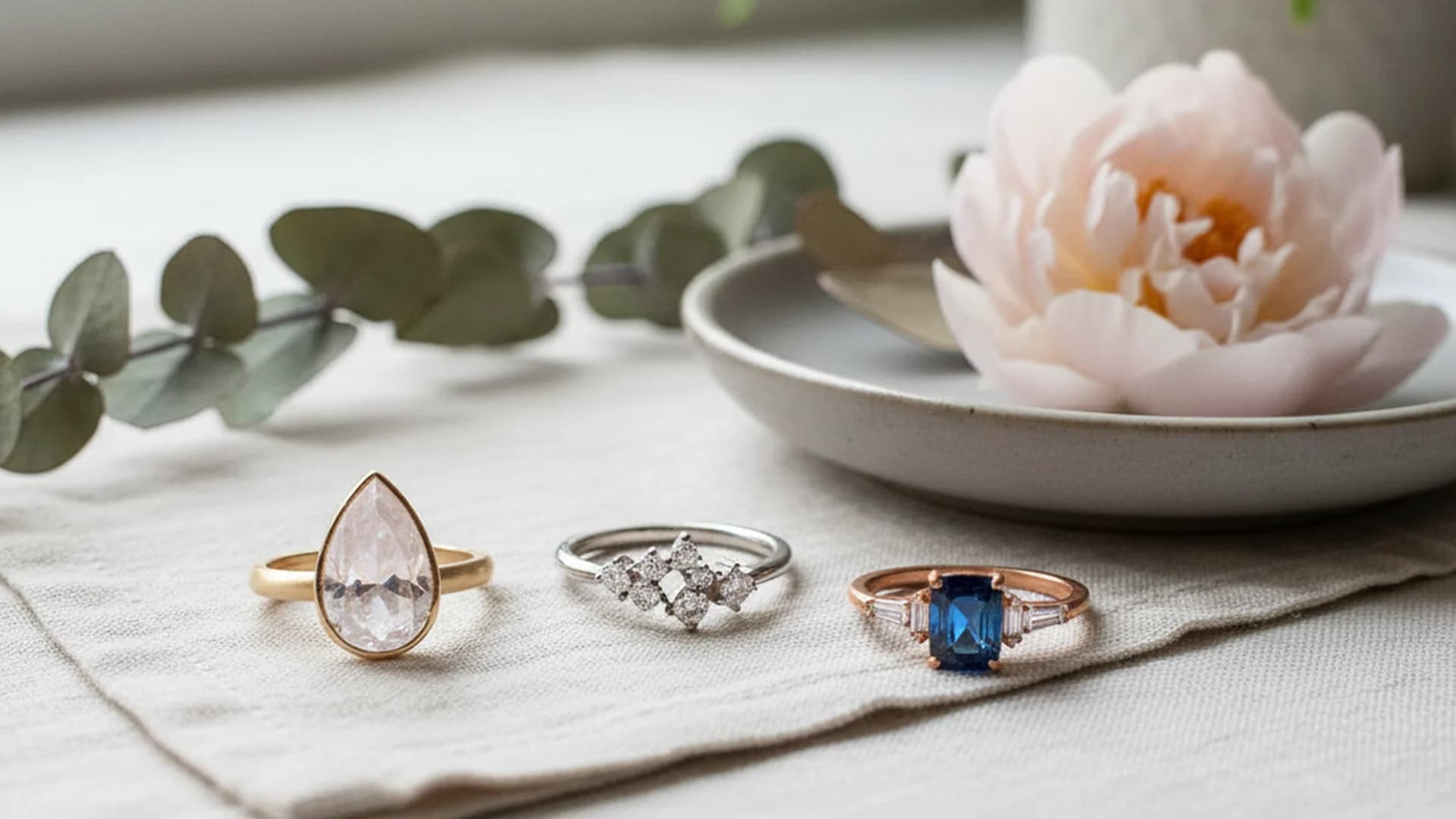
- Lab-grown diamonds now make up the majority of the market.
- Durability matters—prioritize stones with a Mohs hardness of 8 or higher.
- Personalization is the new standard, with many couples opting for custom designs.
For decades, the "traditional" engagement ring was a very specific, very expensive, and very colorless affair. We were told that a certain size, a certain stone, and a three-month salary sacrifice were the only ways to prove true love. Well, it is 2025, and I am happy to report that the old rulebook has been unceremoniously tossed into a very chic, recycled-metal bin. Alternative engagement rings have transitioned from a niche "indie" choice to the primary driver of the modern bridal market.
Couples today aren't just looking for something that sparkles; they are looking for a piece of jewelry that tells a story, aligns with their ethics, and doesn’t require a second mortgage. Whether it’s the icy allure of a salt-and-pepper diamond or the deep, oceanic hues of a teal sapphire, the shift toward individuality is here to stay.
The New Standards: Lab-Grown Diamonds and Moissanite
The most significant shift in the jewelry industry over the last five years hasn't been a change in style, but a change in origin. For the first time, lab-grown diamonds have reached a tipping point, now accounting for the majority of engagement ring sales.
Why Lab-Grown is Winning
The appeal is simple: you get the exact same chemical, physical, and optical properties as a mined diamond for roughly 20–40% less. To the naked eye (and even under a microscope), they are identical. For the modern couple, this means the budget can go further. Instead of settling for a smaller stone with lower clarity, buyers are investing in high-quality, "eye-clean" stones that offer a massive visual payoff. If you are curious about the technical side of this, our Lab Grown Diamond Guide breaks down the science behind the sparkle.
The Moissanite Boom
If lab-grown diamonds are the "alternative" to mined diamonds, Moissanite is the high-performance alternative to both. Projected to be a $1.4 billion industry by 2025, Moissanite has a higher refractive index than a diamond—meaning it actually sparkles more.
Tip
Beyond Colorless: The Rise of Gemstones and Earth Tones
We are seeing a massive departure from the "D-color flawless" obsession. Today, color is a statement of personality. A significant and growing share of engagement rings now feature colored gemstones, a notable jump from just a few years ago.
Teal Sapphires and Montana Blues
One of the breakout stars of 2025-2026 is the teal sapphire. These stones offer a unique blend of blue and green, often with "parti" coloring where both shades are visible in the same stone. They are the perfect "middle ground" for someone who wants color but still wants a stone that feels sophisticated and timeless.
Salt and Pepper Diamonds
For the couple that finds traditional diamonds a bit too "perfect," salt-and-pepper diamonds offer a moody, galaxy-like aesthetic. These stones are filled with inclusions (black and white carbon deposits) that create a unique, speckled look. No two are ever the same, which is the ultimate win for those seeking alternative engagement rings.
Champagne and Warm-Toned Diamonds
The "colorless" obsession is fading. Warm, "off-white," yellow-toned, and champagne diamonds are trending for their romantic, vintage aesthetic. These stones pair beautifully with yellow gold, creating a cohesive, sun-drenched look that feels much softer than the stark contrast of a white diamond in platinum.
Note
Structural Innovation: Multi-Stone Designs and "Toi et Moi"
The single-stone solitaire will always be a classic, but 2026 is the year of the "more is more" philosophy—though executed with modern restraint.
The "Toi et Moi" Trend
French for "You and Me," these rings feature two primary stones nestled against each other. This style gained massive traction after several celebrity engagements and has remained a staple for those looking for something non-traditional. The real magic happens in the contrast: pairing an emerald-cut diamond with a pear-shaped sapphire, or a round moissanite with an oval morganite. It symbolizes two unique individuals coming together.
The Trilogy and Five-Stone Variations
The "trilogy" ring (three stones representing past, present, and future) has been updated with varied shapes. Instead of three round stones, we are seeing "movals" (marquise-oval hybrids) flanked by tapered baguettes. These designs offer a larger "finger coverage" than a single stone, giving the illusion of a much more substantial piece of jewelry. To understand how these shapes impact the look, check out our guide on Engagement Ring Cuts.
Do this
Settings and Metal Trends for 2025-2026
The setting is the "personality" of the ring. While thin, delicate bands dominated the 2010s, we are seeing a shift toward substance and security.
Bezel Set Engagement Rings
The bezel setting—where a rim of metal completely surrounds the stone—is the hero of 2025. It is modern, sleek, and incredibly practical. It protects the edges of the stone from chipping and prevents the ring from snagging on sweaters or hair. It’s the ultimate choice for an active lifestyle.
Chunky Gold and Signet Styles
The "bold band" era is here. We are seeing engagement rings that look more like high-fashion signet rings, with stones flush-set into thick, substantial gold bands. This "chunky" aesthetic feels grounded and modern, moving away from the "princess" look of previous decades.
Mixed Metals and the "Two-Tone Hack"
Two-tone rings are a major 2026 trend. Using a yellow gold band with platinum or white gold prongs is a brilliant technical choice. The yellow gold provides warmth against the skin, while the white metal prongs ensure that no yellow "tint" is reflected into the stone, keeping it looking bright and colorless.
| Trend | Style | Vibe |
|---|---|---|
| Bezel | Stone encased in metal | Modern, Industrial, Secure |
| Toi et Moi | Two stones side-by-side | Romantic, Unique, Artistic |
| Signet | Stone set into a wide band | Bold, Fashion-forward, Durable |
| Mixed Metal | Yellow gold band, White prongs | Practical, Versatile, Classic |
From the OurVows workspace
Ring sorted — now the wedding.
Set a realistic budget and a checklist that knows what's next, all in one free workspace.
Real-World Examples of Alternative Choices
To help visualize how these trends come together, let’s look at three couples who ditched the diamond-and-platinum tradition:
- The Nature Lovers (Sarah & Mark): Sarah wanted a ring that felt organic. They chose a 1.5-carat teal sapphire in a bezel setting with a textured, "twig-like" yellow gold band. The result was a ring that felt like a piece of art rather than a standard piece of bridal jewelry.
- The Minimalists (Leo & Jin): Choosing a lab-grown diamond, they opted for an elongated marquise cut set horizontally (east-west) on a very thick, polished 18k yellow gold band. It’s a modern take on Engagement Ring Styles that feels architectural and clean.
- The Vintage Souls (Emma & Clara): Emma chose a salt-and-pepper diamond in a "Toi et Moi" setting, paired with a small pear-shaped emerald. The stones were set in rose gold, giving the entire piece a warm, heirloom feel that looked like it could have been found in a Parisian antique shop.
Heads up
Common Mistakes to Avoid
When shopping for alternative engagement rings, it is easy to get swept up in the aesthetics and forget about the "forever" part of the commitment.
1. Choosing Fragile Stones for Daily Wear
This is the most common error. Opals, Turquoise, and even Emeralds are significantly softer or more brittle than diamonds or sapphires. If you work with your hands or are generally "clumsy" (like most of us), these stones can chip or shatter. If you must have a softer stone, ensure it is in a protected bezel setting.
2. Skipping the Certificate
Just because a stone is "alternative" doesn't mean it shouldn't be graded. Whether it’s a lab-grown diamond or a high-end moissanite, always request a grading report (GIA or IGI). This verifies the stone’s quality and ensures you aren't overpaying for a "fancy" name that lacks substance.
3. Ignoring the "Lifestyle" Factor
A high-profile prong setting looks stunning in photos, but if you are an athlete, a healthcare worker, or a chef, that ring is going to snag on everything. Always match the setting to your lifestyle. Our How to Choose Engagement Ring guide covers how to balance beauty with daily utility.
4. Overlooking Insurance
Many people think alternative rings don't need insurance because they are "cheaper." However, even a $2,000 moissanite ring is a significant investment. Always get your piece appraised and insured. Check our guide on Engagement Ring Insurance for more details.
Frequently asked questions
Do engagement rings have to have diamonds?
Are alternative stones durable enough for everyday wear?
Is a lab-grown diamond 'real'?
What is a "Salt and Pepper" diamond?
Why is the "three-month salary" rule no longer followed?
Conclusion
Choosing an engagement ring in 2025 is no longer about following tradition; it’s about breaking it in a way that feels authentic to you. Whether you choose a lab-grown diamond for its ethical profile, a teal sapphire for its mesmerizing color, or a chunky gold band for its modern edge, the best alternative engagement rings are those that make you smile every time you look down at your hand.
Remember to prioritize durability (check that Mohs scale!), choose a setting that fits your daily life, and don't be afraid to go "off-script" with your design. Your love story is unique—your ring should be, too.
Do this
**CTA: Ready to Find Your Style? | Explore our comprehensive guides to find the perfect setting and stone for your story. | Read the Style Guide | /blog/engagement-ring-styles
Ready when you are
Plan your wedding without the chaos.
Free forever for couples just getting started. Two minutes to set up. No credit card.
Keep reading
The Ultimate Guide to Engagement Ring Insurance: Protecting Your Symbol of Love
Protect your investment with our comprehensive guide to engagement ring insurance. Learn about costs, 2025 trends, coverage types, and how to avoid common pitfalls.
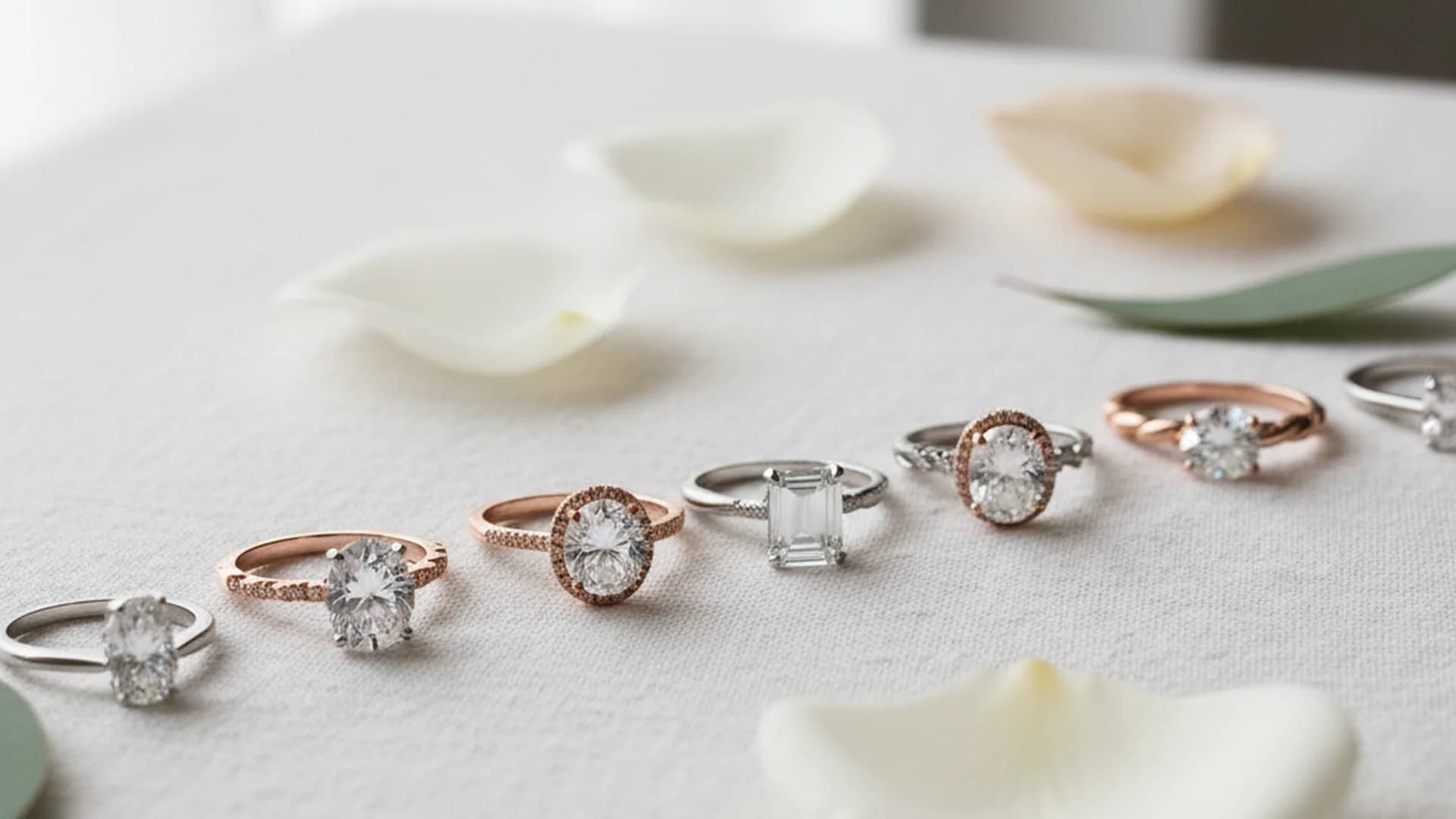
2025-2026 Guide to Engagement Ring Styles: Trends, Costs, and Expert Tips
Explore the top engagement ring styles for 2025-2026. From lab-grown diamond trends to vintage revivals and yellow gold's comeback, find your perfect ring.
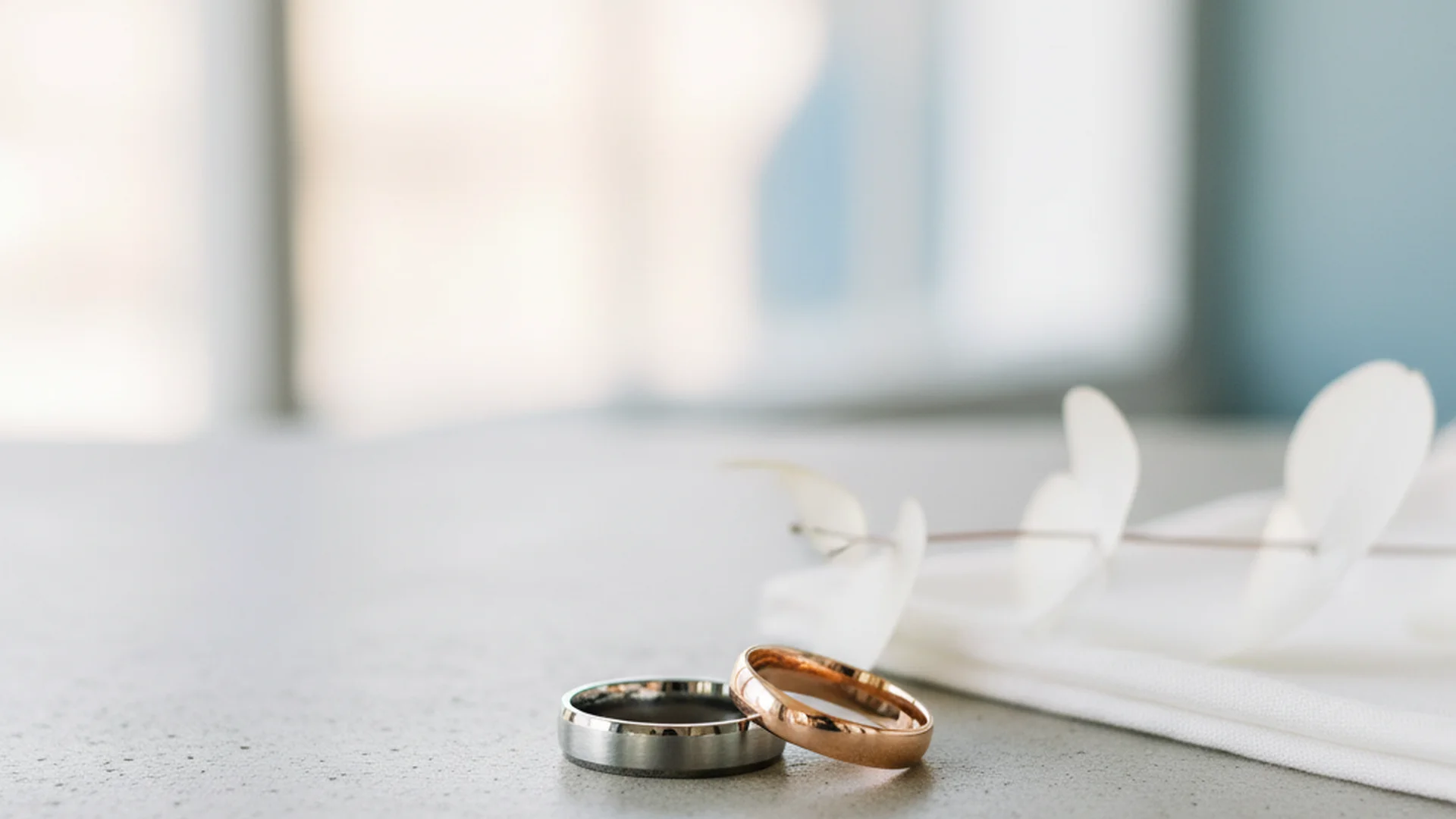
The Ultimate Mens Wedding Band Guide: Metals, Styles, and 2025 Trends
Discover the perfect ring with our comprehensive Mens Wedding Band Guide. Explore top metals, 2025 trends like meteorite inlays, and expert tips on fit and sizing.