The Ultimate Engagement Ring Cleaning Guide: 2025 Edition
Keep your sparkler brilliant with our 2025 Engagement Ring Cleaning Guide. Learn expert DIY methods, modern maintenance trends, and mistakes to avoid.
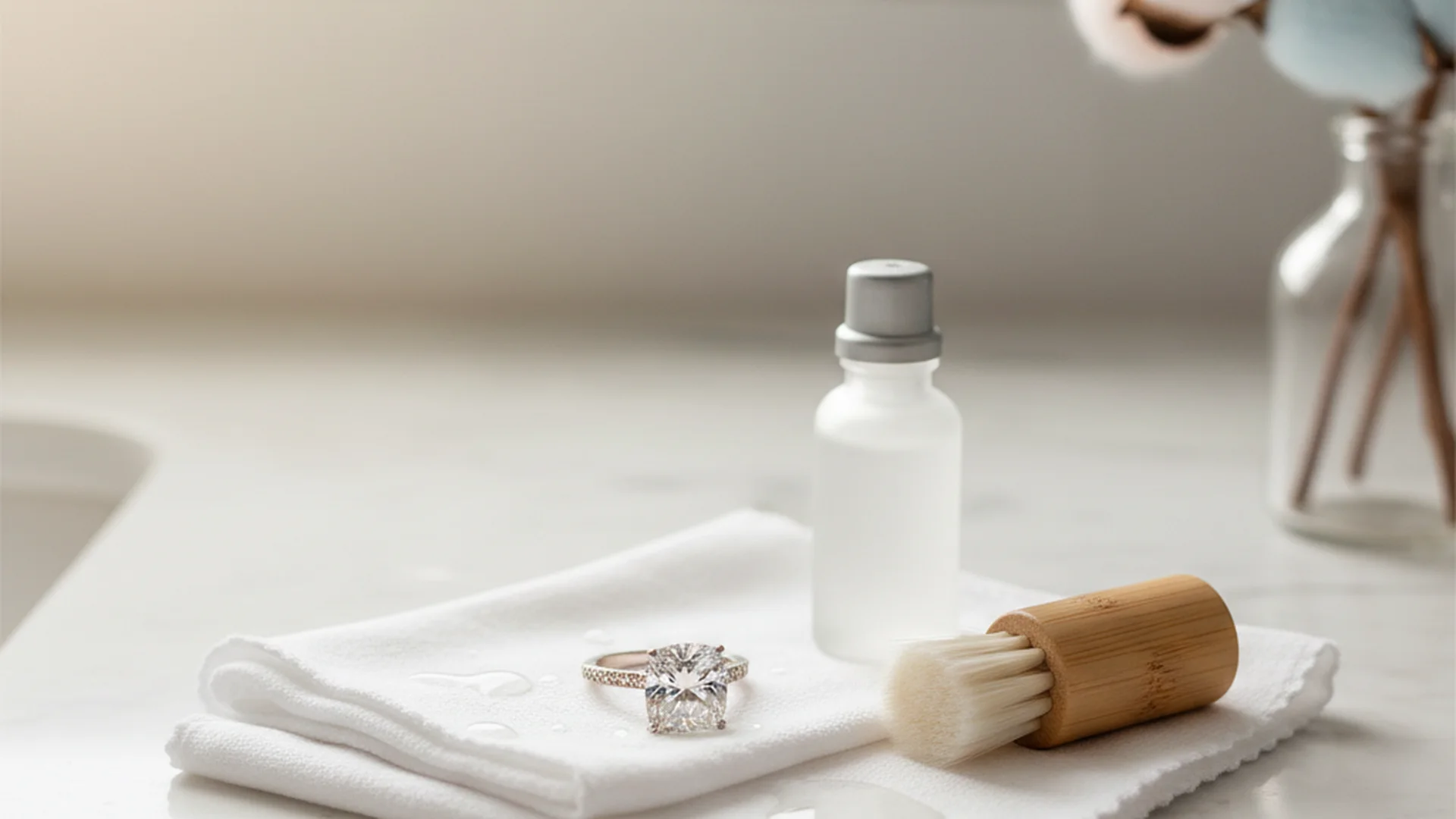
- Clean your ring weekly at home and professionally twice a year.
- Avoid harsh chemicals like bleach or abrasive substances like toothpaste.
- Use the Gold Standard DIY method: warm water, mild dish soap, and a soft brush.
So, you’ve got the ring. It’s gorgeous, it’s blinding, and it probably cost more than my first three cars combined. But a few months into the "engaged life," you might notice that your center stone looks a little... sad. Instead of a fiery prism of light, it’s looking more like a piece of frosted sea glass. Welcome to the reality of daily wear. This Engagement Ring Cleaning Guide is designed to help you navigate the delicate balance between keeping your diamond brilliant and accidentally dissolving your setting in a vat of questionable chemicals.
In 2025, we are seeing a shift toward "Quiet Luxury" and intricate settings that require more than just a quick lick-and-a-promise. Whether you have a classic solitaire or a modern bezel-set masterpiece, maintaining the structural integrity of your most precious investment is a non-negotiable part of adulthood.
The State of Jewelry Hygiene in 2025
Let’s be honest: most of us are failing at jewelry maintenance. In our experience, most people only clean their jewelry when it’s visibly covered in mystery gunk, and only a tiny fraction actually maintain a regular cleaning routine.
Even more alarming is the "Never Clean" group. A surprising number of people admit they have never given their jewelry a thorough cleaning. If you are in that group, don't worry—there is no judgment here, only a very stern look from your jeweler. Beyond the aesthetics, a dirty ring is a liability. Dirt and oils act as an abrasive, slowly wearing down prongs and hiding loose stones that are just waiting for a chance to escape.
Note
The "Gold Standard" DIY Cleaning Method
You don't need a lab-grade laboratory to get a professional-grade shine. In fact, most experts agree that the simplest method is often the safest. Here is the step-by-step process for a standard diamond set in gold or platinum.
Step 1: The Soak
Submerge the ring in a small bowl of warm (not boiling!) water mixed with a few drops of mild, grease-cutting dish soap. Dawn is the industry favorite for a reason—it’s designed to cut through the exact types of organic oils that cloud your diamond. Let it soak for 20–40 minutes. This softens the layers of lotion, hairspray, and skin cells that have taken up residence behind your stone.
Step 2: The Gentle Scrub
Use a new, extra-soft toothbrush. This is crucial. A medium or hard bristle brush can actually leave micro-scratches on softer metals like 18k gold. Focus your attention on the underside of the stone and the tiny crevices of the Engagement Ring Settings. This is where the "gunk" hides and prevents light from entering the pavilion of the diamond.
Step 3: The Safe Rinse
Rinse your ring under warm running water.
Heads up
Step 4: The Lint-Free Dry
Pat the ring dry with a microfiber cloth. Avoid using paper towels or tissues; these are made of wood pulp and can leave tiny scratches on the metal or deposit lint under the prongs.
Do this
Material-Specific Care: Know Your Metal
Not all rings are created equal. While the method above works for most, different materials have different "deal-breakers."
| Metal/Stone Type | Special Considerations | Pro Tip |
|---|---|---|
| Platinum | Can withstand frequent cleaning but develops a "patina." | Requires professional polishing every 1-2 years. |
| White Gold | Sensitive to acidic cleaners and heavy friction. | Preserving the rhodium plating is key; avoid harsh chemicals. |
| Yellow Gold | High karat gold (18k+) is soft and scratches easily. | Use a high-quality polishing cloth for daily luster. |
| Porous Stones | Never soak pearls, opals, or emeralds. | Wipe with a damp, soft cloth only; moisture can ruin them. |
The Yellow Gold Resurgence
As we head into 2026, we’re seeing a massive resurgence in 18k and 24k yellow gold. Because high-karat gold is softer than its white gold or platinum counterparts, it is more susceptible to "dulling" from skin oils. If you have a yellow gold band, consider it a magnet for fingerprints. A quick daily wipe with a dedicated jewelry cloth will keep that warm glow from looking like tarnished brass.
Common Mistakes to Avoid
In my role as a wedding humor consultant, I’ve heard some absolute horror stories. Most of them start with "I read on the internet that..." Here are the big ones you should avoid at all costs.
The Toothpaste Myth
This is a relic from the 1950s that needs to stay in the past. Toothpaste contains abrasive particles (designed to scrub plaque off teeth) that are hard enough to scratch the surface of gold and even some softer gemstones. It can also leave a film that is harder to remove than the original dirt.
Ultrasonic Overuse
While smart ultrasonic cleaners are trending for 2025, they aren't a "set it and forget it" solution. The high-frequency vibrations can actually vibrate stones loose over time, especially in "pave" or "halo" settings.
Heads up
Boiling Water and Thermal Shock
You might think boiling water "sanitizes" the ring, but extreme heat can cause thermal shock. If your diamond has internal inclusions, a sudden temperature change can cause those inclusions to expand, potentially cracking the stone from the inside out. Always stick to "comfortably warm" water.
From the OurVows workspace
Ring sorted — now the wedding.
Set a realistic budget and a checklist that knows what's next, all in one free workspace.
Real-World Examples: Three Scenarios
1. The "Lotion Layer" Incident
Sarah, a bride-to-be, noticed her Diamond Engagement Ring Guide looked dull after her tropical vacation. She had been applying heavy SPF 50 every two hours without removing her ring. The sunscreen had formed a literal "shell" around the diamond. A 40-minute soak in Dawn dish soap was the only thing that could penetrate the water-resistant barrier.
2. The Chlorine Crisis
Mark and Leo went on their honeymoon and spent three days in a chlorinated pool. By the end of the week, Leo's white gold band looked yellowed and the prongs felt "snaggy." Chlorine actually leaches the alloys out of gold, making it brittle. This is called "stress corrosion." If you're heading to the pool, leave the ring in the hotel safe.
3. The "Quiet Luxury" Bezel
Elena chose a bezel setting for her 2025 wedding, following the trend of Engagement Ring Guide styles that prioritize sleek lines. While her bezel setting is more secure, she found that soap residue would build up in the tiny gap between the metal rim and the stone. She learned that a weekly "water-pik" style rinse was necessary to flush out the debris.
Professional Maintenance and Insurance
While DIY cleaning is great for weekly maintenance, it doesn't replace the pros. Most jewelers (including GIA and Brilliant Earth) recommend professional inspections and cleanings twice a year.
A professional jeweler doesn't just clean the ring; they put it under a microscope to check for bent prongs, thinning bands, and stone stability. Many jewelers offer this as a complimentary service for life if the ring was purchased from them. If not, it typically costs between $25 and $50—a small price to pay to ensure your Emerald Engagement Rings or diamonds don't go missing.
Tip
Frequently asked questions
Can I use Windex to clean my ring?
Is it safe to wear my ring in the shower?
Does washing my hands count as cleaning my ring?
How often should I get my ring professionally inspected?
Conclusion
Your engagement ring is a symbol of a lifetime commitment, but it requires its own kind of commitment to stay beautiful. By following this Engagement Ring Cleaning Guide, you aren't just maintaining a piece of jewelry; you're protecting a memory. Set a recurring alarm on your phone for a "Sunday Soak," keep your soft toothbrush ready, and remember that when it comes to diamonds, grease is the enemy and consistency is the cure.
Whether you're rocking one of the latest Engagement Ring Cuts or a vintage family heirloom, a little bit of warm water and soap goes a long way.
Do this
Ready when you are
Ready to Protect Your Investment?
Learn how to safeguard your ring with our comprehensive insurance guide.
Ready when you are
Plan your wedding without the chaos.
Free forever for couples just getting started. Two minutes to set up. No credit card.
Keep reading
The Ultimate Guide to Engagement Ring Insurance: Protecting Your Symbol of Love
Protect your investment with our comprehensive guide to engagement ring insurance. Learn about costs, 2025 trends, coverage types, and how to avoid common pitfalls.
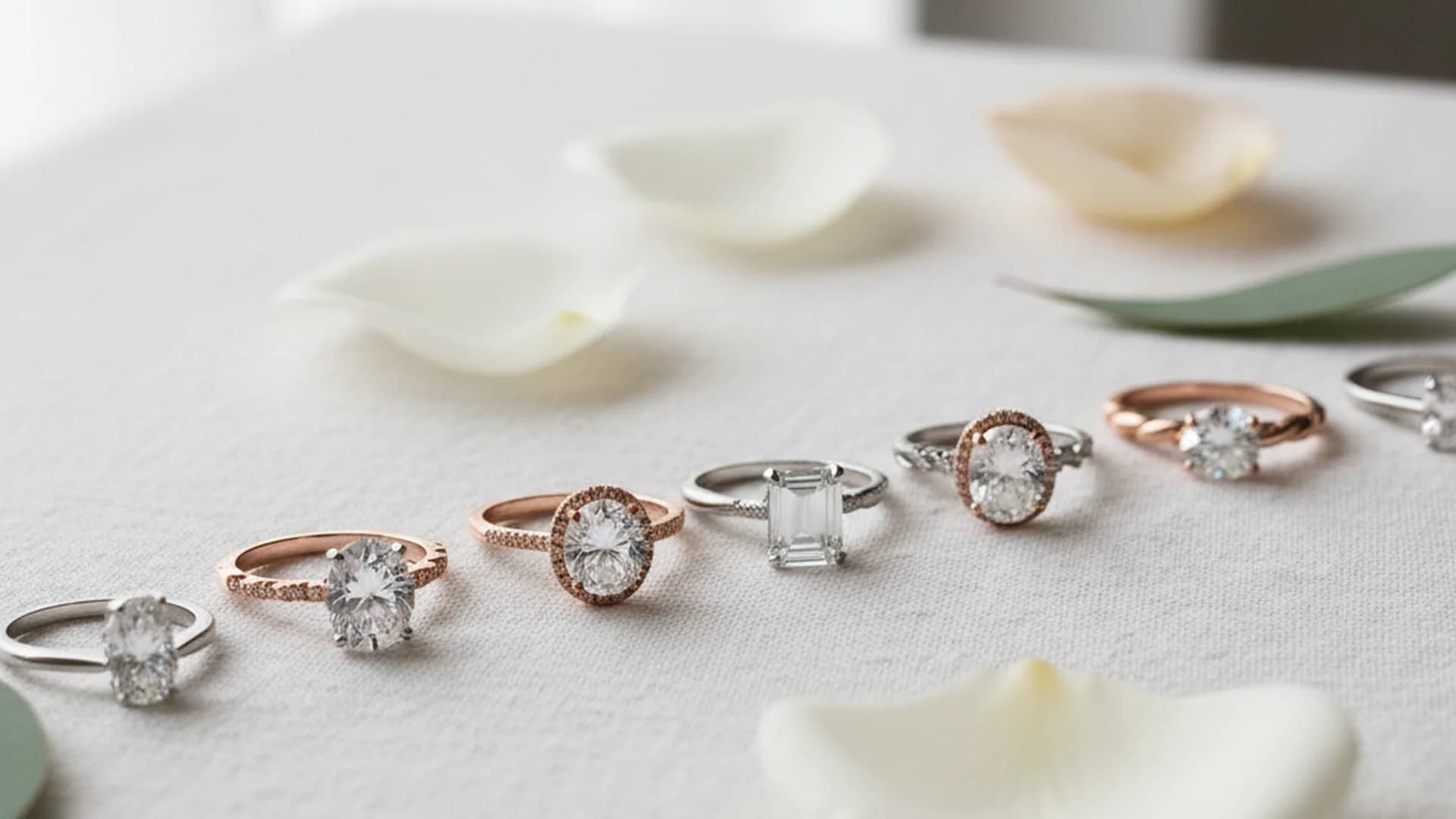
2025-2026 Guide to Engagement Ring Styles: Trends, Costs, and Expert Tips
Explore the top engagement ring styles for 2025-2026. From lab-grown diamond trends to vintage revivals and yellow gold's comeback, find your perfect ring.
The Ultimate Mens Wedding Band Guide: Metals, Styles, and 2025 Trends
Discover the perfect ring with our comprehensive Mens Wedding Band Guide. Explore top metals, 2025 trends like meteorite inlays, and expert tips on fit and sizing.