The Complete Guide to Wedding Band Styles: 2025 Trends & Expert Advice
Explore the latest wedding band styles for 2025-2026. From gold dominance to lab-grown diamonds, find the perfect ring with expert advice from Alistair Thorne.
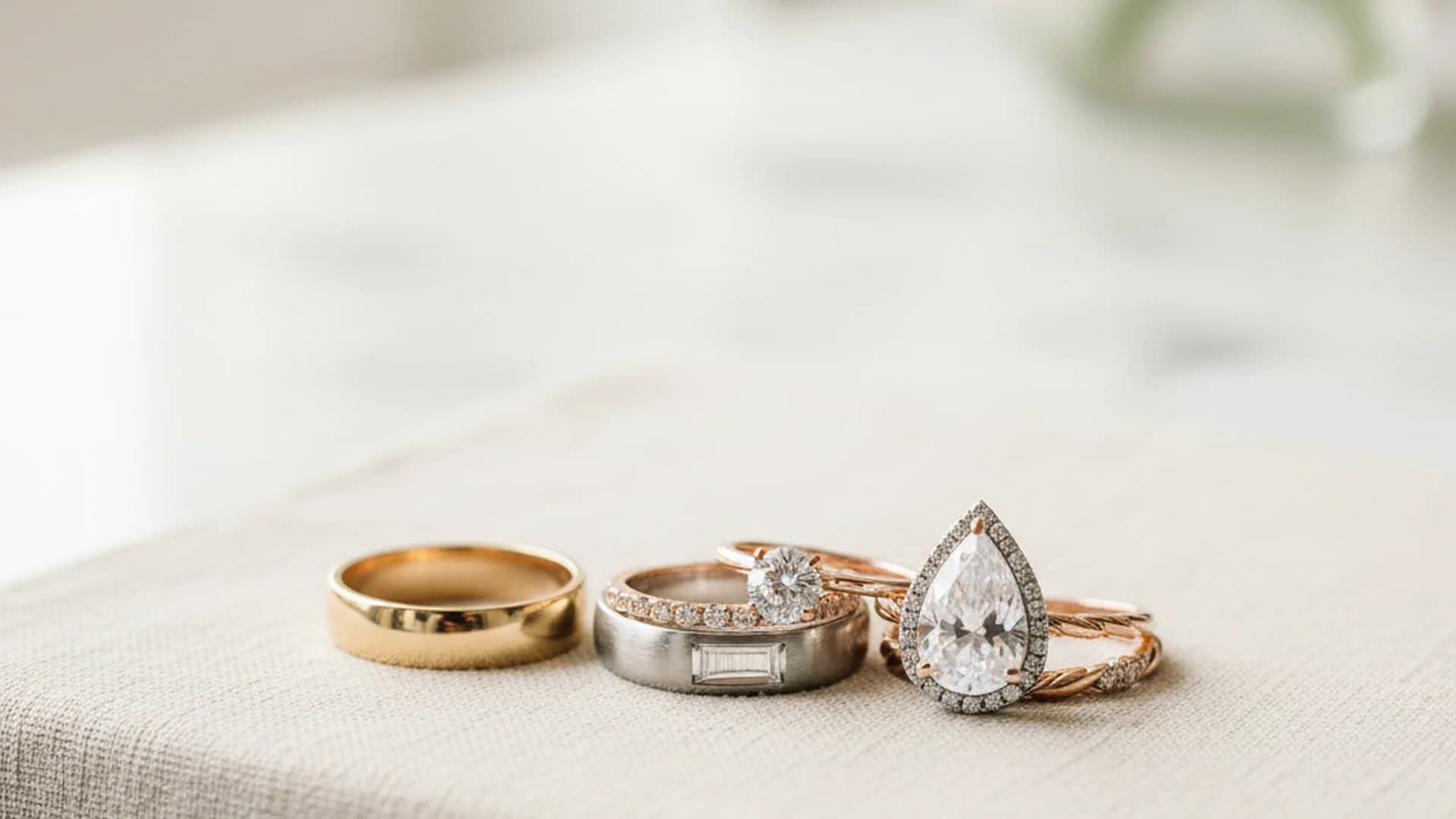
- Personalized and custom-designed wedding bands now make up a majority of the market.
- Lab-grown diamonds have officially surpassed natural stones in popularity for wedding sets.
- Metal density matters—always match the metal of your band to your engagement ring to prevent wear.
Choosing your wedding band is often the final "sparkly" step in the wedding planning process, but it shouldn't be an afterthought. While the engagement ring is the grand proposal, the wedding band is the "until death do us part" contract you actually have to wear on your body every single day. Navigating the myriad of wedding band styles can feel overwhelming, especially when you’re balancing aesthetics with the practicalities of everyday life (like not wanting your ring to snag on your favorite sweater or vanish during a gym session).
In 2025, the market is shifting. We are seeing a move away from "cookie-cutter" matching sets toward deeply personalized, sustainable, and structurally bold choices. Whether you are looking for a classic gold dome or a modern architectural masterpiece, this guide will walk you through everything you need to know to find "the one."
Understanding the Modern Wedding Ring Landscape
The global wedding ring market is currently experiencing a massive evolution, growing steadily year over year. This growth isn't just about more people getting married; it’s about couples investing more in high-quality materials and bespoke designs.
One of the most significant shifts we've seen at the Creative Director level is the "Lab-Grown Revolution." For the first time, the majority of couples now report that their center stones are lab-grown—a dramatic rise in just a few years. This shift has allowed couples to allocate more of their wedding budget toward unique metalwork and wider band profiles.
Note
Popular Wedding Band Styles for 2025 and 2026
When selecting a style, you aren't just choosing a ring; you're choosing an era. Here are the top styles dominating the current wedding landscape.
1. The Bold & Substantial (Wide Bands)
After a decade of ultra-thin "whisper" bands, the pendulum has swung back toward the "substantial." We are seeing a surge in 6mm+ wide bands for all genders. These rings offer a canvas for intricate details that thin bands simply can't support.
2. Textured & Artisanal Finishes
High-polish is no longer the default. Couples are gravitating toward rings that look like they were pulled from the earth or crafted by a medieval blacksmith.
- Hammered: Creates a multifaceted surface that hides scratches beautifully.
- Brushed/Satin: A matte finish that offers a modern, understated look.
- Bark/Organic: Mimics the texture of wood or stone, perfect for the nature-loving couple.
3. Step-Cut and Architectural Accents
For those who want a diamond band that feels sophisticated rather than "blingy," step-cuts are the answer. Baguette and emerald-cut diamonds are replacing the traditional round brilliant stones. This creates a "hall of mirrors" effect that feels vintage yet decidedly modern. You can learn more about how these stones sit in different engagement ring settings to ensure a flush fit.
4. Mixed Metal Magic
The old rule that you must choose between gold or silver is dead. "Mixed metal magic" is a top trend for 2026. We are seeing white gold bands with yellow gold inner sleeves or rose gold accents woven into platinum designs.
Tip
Choosing the Best Wedding Ring Metals
Your choice of metal is the foundation of your ring's longevity. While gold remains the king—accounting for the majority of global sales—alternative metals are gaining ground for their durability and price point.
| Metal Type | Durability | Maintenance | Hypoallergenic |
|---|---|---|---|
| 14k/18k Gold | Moderate | Low | No (contains nickel) |
| Platinum | High | Low (develops patina) | Yes |
| White Gold | Moderate | High (needs rhodium) | No |
| Tungsten | Very High | Zero | Yes |
| Titanium | Very High | Zero | Yes |
Heads up
The Importance of the "Comfort Fit"
If there is one technical term you remember from this guide, let it be "Comfort Fit." Traditional rings are flat on the inside. A "Comfort Fit" band is slightly domed on the interior.
This design feature does three things:
- It slides over the knuckle more easily.
- It creates less friction against the skin.
- It allows the finger to "breathe," reducing the likelihood of moisture getting trapped under the metal.
Do this
From the OurVows workspace
Ring sorted — now the wedding.
Set a realistic budget and a checklist that knows what's next, all in one free workspace.
Real-World Style Examples
To help visualize how these styles work in practice, let’s look at three common scenarios for modern couples.
Example 1: The Active Hobbyist
Meet "The Gardener." This individual spends their weekends in the soil or at the crossfit box. A delicate pavé diamond band would be a disaster here. Instead, they opt for a 6mm Brushed Tungsten band. It’s virtually scratch-proof, budget-friendly, and doesn't require the constant maintenance of a gold ring.
Example 2: The Modern Romantic
This bride has a stunning pear-shaped engagement ring. A straight wedding band would leave a large, awkward gap. She chooses a Contour "Chevron" Band in 18k yellow gold with tiny baguette diamonds. It hugs the curve of her pear stone perfectly, creating a cohesive "stack" that looks like a single piece of art. If you're in this boat, check out our Engagement Ring Styles guide for more pairing ideas.
Example 3: The Custom Minimalists
A couple wants their rings to match without being identical. They choose a Custom Wedding Band approach, where both rings are made of the same 18k Rose Gold melt, but one is a 2mm polished thin band and the other is a 5mm hammered wide band. They add a hidden engraving of their wedding date inside to tie the set together.
Common Mistakes to Avoid
Even with the best intentions, it's easy to make a "forever" mistake when shopping for wedding band styles.
- The "Size" Myth: Do not assume your wedding band size is the same as your engagement ring. When you wear two rings together, they displace more skin and feel tighter. You often need to go up half a size for the band to feel comfortable.
- Waiting Until the Last Minute: Many people think they can walk into a store and buy a ring off the shelf. In reality, most quality bands are made to order. You should start shopping 6 to 8 months before the big day to allow for production and 1 month before wedding checklist final adjustments.
- Prioritizing Trend over Timelessness: That neon-inlay carbon fiber ring might look cool on Instagram today, but will you love it during your 10 year vow renewal? If you love a trend, try to find a way to incorporate it subtly.
- Ignoring Maintenance: If you choose an eternity band (diamonds all the way around), you cannot easily resize it later. Furthermore, those tiny stones require regular prong checks to ensure they don't go missing.
Frequently asked questions
Do our wedding bands have to match?
Which goes on first: the engagement ring or the wedding band?
Is platinum better than white gold?
How far in advance should we buy our bands?
Can I wear a wedding band without an engagement ring?
Conclusion
Finding the perfect wedding band style is a balance of lifestyle, budget, and personal flair. Whether you’re leaning toward the sustainable brilliance of lab-grown diamond bands or the rugged charm of textured metals, remember that this ring will be the most-worn item in your wardrobe. Take your time, try on different widths, and don't be afraid to break tradition to find something that truly feels like "you."
By starting early and considering the structural integrity of your metals, you’ll ensure that your rings stay as beautiful on your 50th anniversary as they were on the day you said "I do."
Do this
Ready when you are
Ready to Start?
Find the perfect ring for your budget and style today.
Ready when you are
Plan your wedding without the chaos.
Free forever for couples just getting started. Two minutes to set up. No credit card.
Keep reading
The Ultimate Guide to Engagement Ring Insurance: Protecting Your Symbol of Love
Protect your investment with our comprehensive guide to engagement ring insurance. Learn about costs, 2025 trends, coverage types, and how to avoid common pitfalls.
2025-2026 Guide to Engagement Ring Styles: Trends, Costs, and Expert Tips
Explore the top engagement ring styles for 2025-2026. From lab-grown diamond trends to vintage revivals and yellow gold's comeback, find your perfect ring.
The Ultimate Mens Wedding Band Guide: Metals, Styles, and 2025 Trends
Discover the perfect ring with our comprehensive Mens Wedding Band Guide. Explore top metals, 2025 trends like meteorite inlays, and expert tips on fit and sizing.