The Ultimate Guide to Wedding Ceremonies: Planning Your 2025-2026 Celebration
Navigate the complexities of modern wedding ceremonies with our comprehensive 2025-2026 guide. From legal requirements to AI-assisted vows and trending rituals.
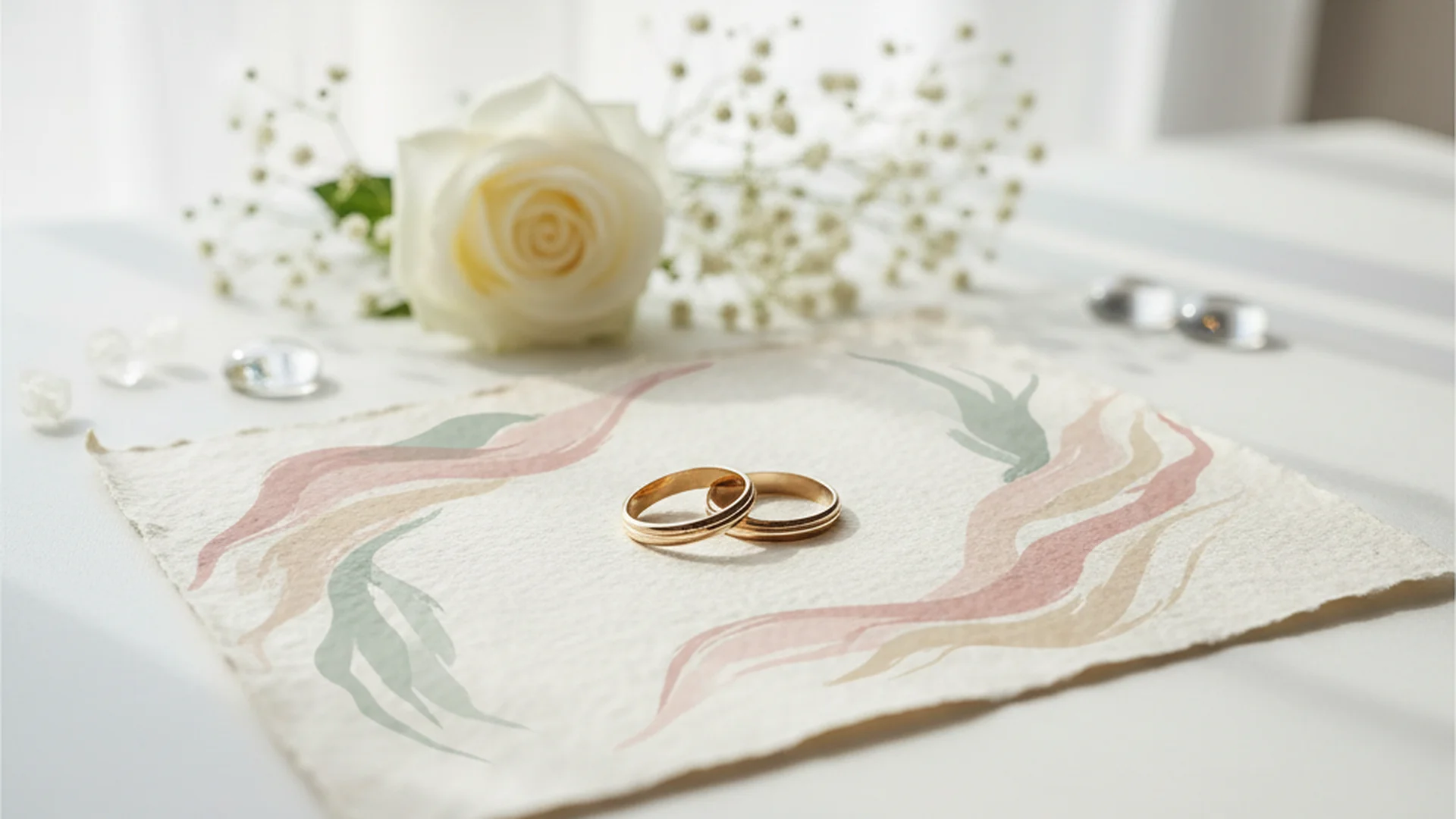
- Start legal paperwork at least 3 months before the date to avoid delays.
- Prioritize audio quality with microphones regardless of guest count.
- Personalize your ceremony using modern rituals like ring warming or unity cocktails.
The heart of your big day isn't the open bar or the midnight snack station—it is the moment you stand before your community to make a lifelong commitment. Wedding ceremonies have evolved significantly over the last few years, moving away from rigid, cookie-cutter templates toward highly personalized, storytelling-driven experiences. Whether you are planning a grand cathedral event or an intimate backyard gathering, understanding the foundational elements and modern trends is essential for a seamless celebration in 2025 and 2026.
The Legal Foundation: Crossing the T’s and Dotting the I’s
Before you pick out the floral arrangements or choose your processional song, you must ensure your union is legally recognized. In 2025, the administrative side of weddings requires more foresight than in previous decades due to varying state and county regulations.
Securing Your Marriage License
The most common logistical pitfall is the marriage license timeline. You should begin researching your local requirements at least 3 months out. Most jurisdictions require you to apply for the license 2–4 weeks before the wedding.
Be aware of the "Waiting Period" (often 24 to 72 hours between receiving the license and being allowed to marry) and the "Expiration Date" (usually 30 to 90 days). If you are planning a destination wedding, check if you need to arrive several days early to visit the local clerk's office in person.
Choosing Your Officiant
A major shift in the 2025-2026 season is the rise of the "friend-officiant." Increasingly, couples choose a family member or friend to lead the ceremony. This adds a layer of intimacy, but it also adds legal risk.
Heads up
If you prefer a more formal or religious route, you might consider following a Christian Wedding Ceremony Script or a Catholic Wedding Ceremony Script to ensure all traditional and ecclesiastical requirements are met.
Choosing Your Vibe: Traditional vs. Modern vs. Secular
In 2025, the "rules" of wedding ceremonies are more like suggestions. Couples are increasingly prioritizing personal storytelling over religious dogma, leading to a surge in secular ceremonies.
The Secular Shift
With a growing share of ceremonies now being non-religious, many couples are looking for ways to make their ceremony feel "official" without a church setting. A Civil Wedding Ceremony Script provides a fantastic foundation for those who want a legal, dignified, yet modern ceremony.
Cultural and Fusion Traditions
Modern weddings often blend multiple backgrounds. We are seeing a beautiful increase in couples incorporating specific heritage elements, such as Chinese Wedding Traditions, into otherwise contemporary settings. This "fusion" approach allows couples to honor their roots while keeping the ceremony's pace fast and engaging for a modern audience.
Note
The Standard Order of Service
While every wedding is unique, a standard modern ceremony usually lasts 20–30 minutes. Here is the blueprint for a successful flow:
- The Processional: The entrance of the wedding party and the couple.
- The Welcome/Opening Remarks: The officiant sets the tone and acknowledges the guests.
- Readings: Can be poems, literature, or scripture. See our guide on Bible Readings for Weddings for inspiration.
- The Charge to the Couple: A brief reflection on the meaning of marriage.
- The Vows: The heart of the ceremony where promises are made.
- The Ring Exchange: The physical symbol of the commitment.
- The Pronouncement: "I now pronounce you..."
- The Kiss: The moment everyone waits for.
- The Recessional: The couple exits, followed by the wedding party.
Tip
Recent Trends for 2025-2026
The next two years of weddings are defined by tech integration, sustainability, and "Quiet Luxury."
AI Integration and Personalized Scripts
Couples are no longer satisfied with "off-the-shelf" ceremony scripts. Many are now using AI tools to help draft their vows or provide their friend-officiant with a structured outline. If you are struggling with what to say, using a Wedding Vow Writer can help translate your feelings into a cohesive speech while maintaining your unique voice.
Modern Rituals to Consider
- Ring Warming: Guests pass the wedding bands around before the exchange, "warming" them with well-wishes.
- Unity Cocktails: Replacing the sand ceremony, couples mix two spirits to create a signature drink they share on the spot.
- Time Capsules: Sealing letters to each other in a wooden box to be opened on a milestone anniversary.
Sustainability and Aesthetics
"Bridgerton-Core" and "Quiet Luxury" are the dominant aesthetics for 2026. This translates to "living aisles" (potted plants instead of cut flowers) and digital-only invitations. In fact, a large share of couples now use QR codes for their Save-the-Dates, and many 2026 couples plan to go entirely paperless for their invites.
| Trend Category | 2025/2026 Focus | Impact |
|---|---|---|
| Technology | QR Codes & AI | High Efficiency |
| Sustainability | Zero-Waste/Live Plants | Lower Environmental Footprint |
| Aesthetics | Quiet Luxury | Minimalist, High-Quality Feel |
| Officiating | Personal Storytelling | Highly Emotional Engagement |
From the OurVows workspace
Shaping your ceremony?
Draft your vows and ceremony, then keep the whole day organized in one place.
Real-World Examples of Modern Ceremonies
Example 1: The Tech-Forward "Unplugged" Wedding
Sarah and James used a Wedding Checklist Generator to stay organized. They opted for an "Unplugged" ceremony, where guests were asked via a QR code on the program to keep phones away. This allowed their photographer to capture the perfect aisle shot without a sea of glowing screens in the background.
Example 2: The Multi-Cultural Hybrid
Leila and David combined a traditional Western ceremony with Chinese Wedding Traditions, including a brief tea ceremony at the start. They used a Wedding Budget Calculator to manage the extra costs associated with two sets of attire and specific ceremonial decor.
Example 3: The AI-Enhanced Secular Ceremony
Marcus and Elena wanted a secular ceremony but didn't know how to make it feel "meaningful." They used AI to help their best friend (the officiant) weave stories of their first date into the script. They also included a Bubble Wedding Exit for a playful, eco-friendly finale.
Common Mistakes to Avoid
Even the most well-planned wedding ceremonies can hit snags. Avoid these frequent pitfalls:
- Prioritizing "The Look" Over Comfort: A beautiful outdoor cliffside is a disaster if guests are sitting in 90-degree heat without shade. Always provide fans, water, or umbrellas for outdoor events.
- Forgetting the "Buffer" Time: Moving 100+ guests from the ceremony site to the reception always takes 15–20 minutes longer than you think. Use a Guest Count Calculator to estimate movement flow accurately.
- Skipping the Plan B: With weather becoming more unpredictable, a secondary indoor location or a tent on standby is non-negotiable.
- Ignoring the Rehearsal: Even a 15-minute walk-through the day before can prevent "aisle traffic jams" and ensure everyone knows where to stand.
Do this
Frequently asked questions
How long should the ceremony last?
Who should walk down the aisle?
Do we need an "Unplugged" ceremony?
When should we start our wedding countdown?
How do we handle guest seating?
Conclusion
Your wedding ceremony is the foundation upon which your entire marriage is built. By balancing the legal requirements with modern trends like AI-assisted vows and sustainable decor, you can create an event that is both legally sound and deeply personal. Remember, the day is ultimately about your unique story—don't be afraid to break tradition to make it your own.
Do this
Ready when you are
Ready to Plan Your Vows?
Start crafting your perfect ceremony script today.
Ready when you are
Plan your wedding without the chaos.
Free forever for couples just getting started. Two minutes to set up. No credit card.
Keep reading

Crafting the Perfect Second Marriage Ceremony Script: A Guide to New Beginnings
Planning a remarriage? Discover how to write a Second Marriage Ceremony Script that honors your past while celebrating a beautiful, mature future.
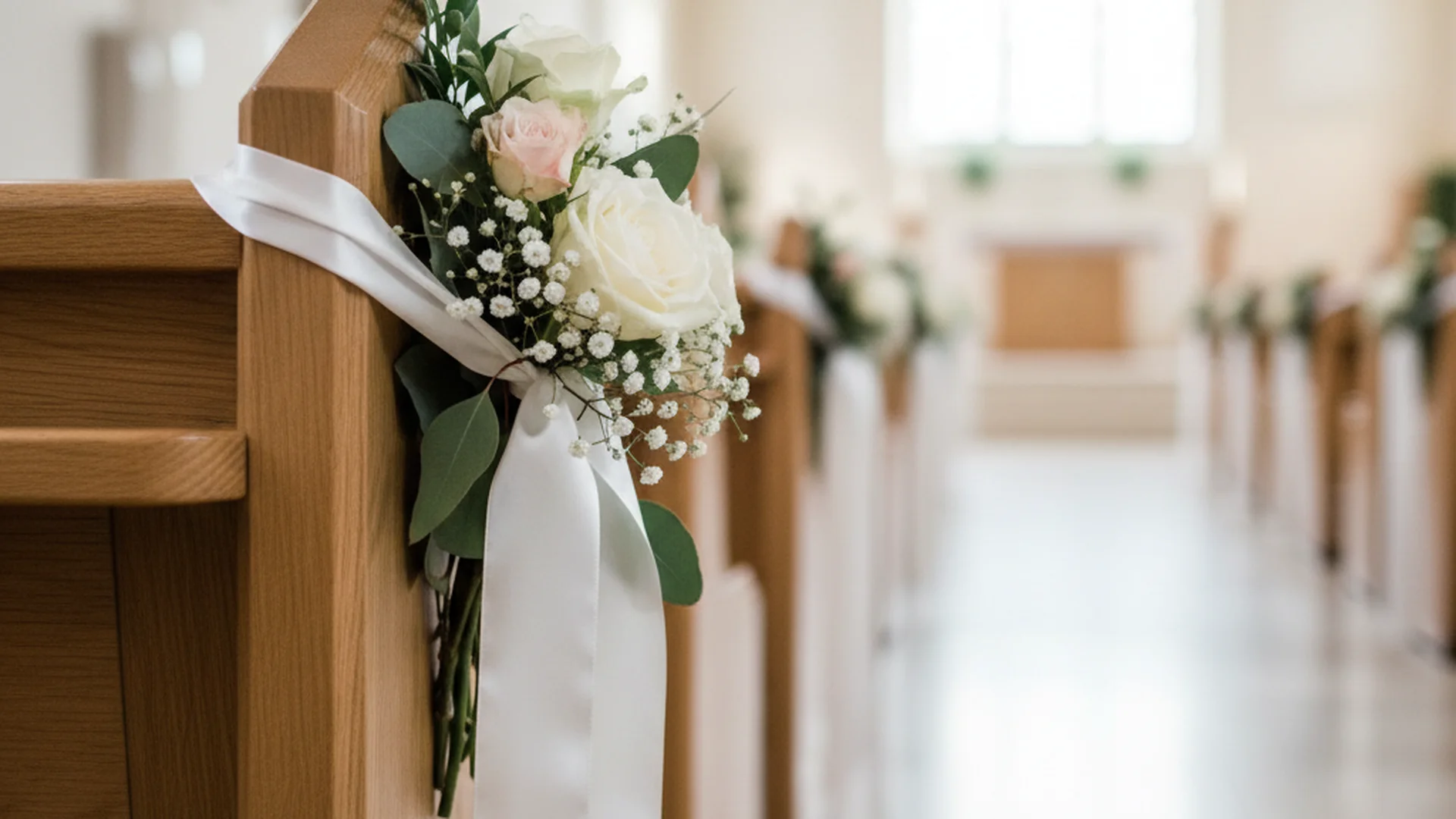
Pew Decorations Wedding: 15 Inspiring Ideas and Trends for 2025-2026
Transform your ceremony aisle with stunning pew decorations wedding ideas. From sustainable florals to 2026 trends, learn how to frame your walk to the altar.
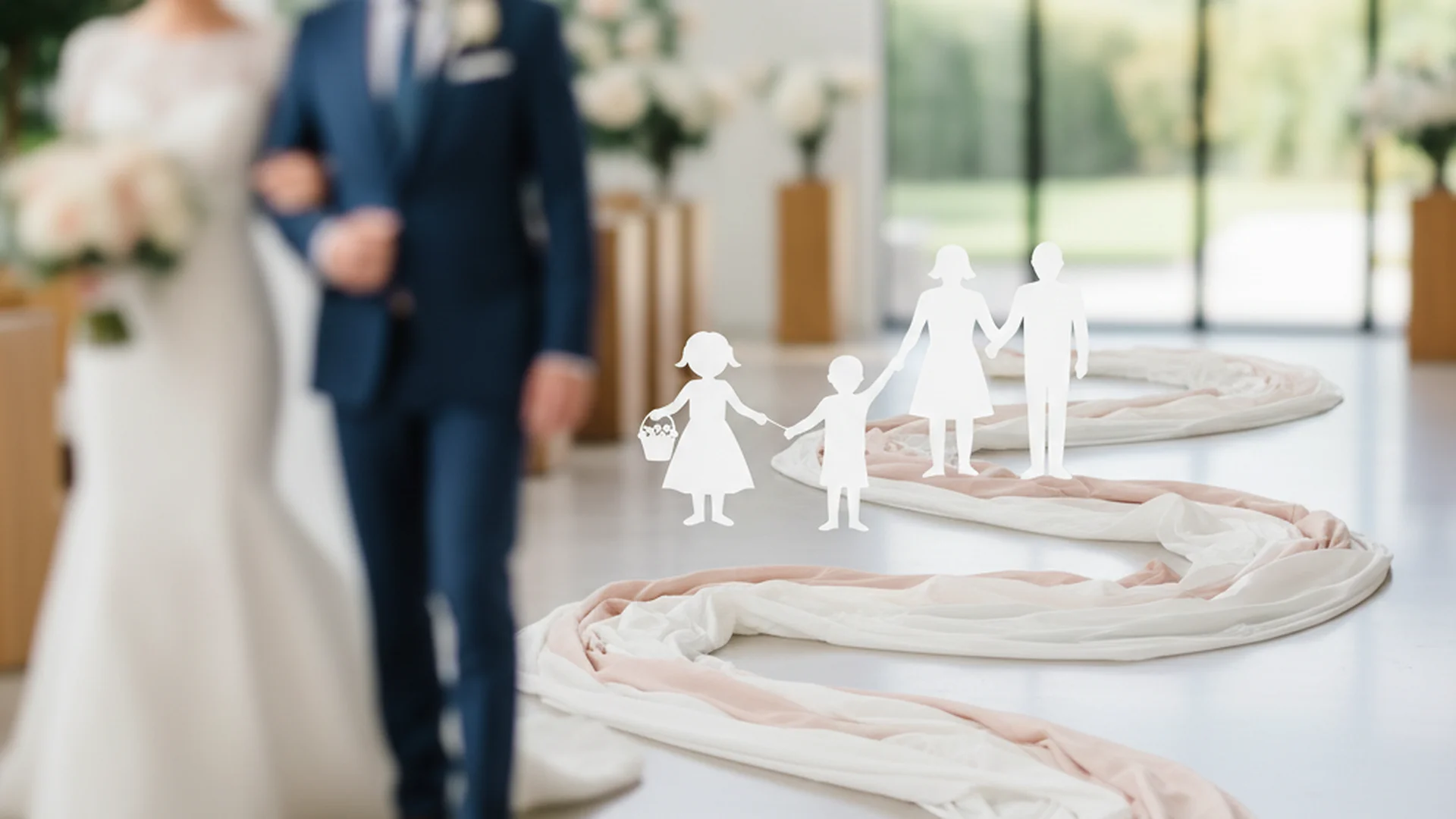
The Ultimate Wedding Processional Order Guide: Traditions and Modern Trends
Master your wedding processional order with our comprehensive guide. From traditional Christian and Jewish lineups to modern LGBTQ+ and 2025 trends.