Mastering Wedding Program Wording: Trends, Templates, and 2026 Etiquette
Discover the ultimate guide to wedding program wording. From formal templates to modern "vibe-led" trends, learn how to craft the perfect keepsake for your guests.
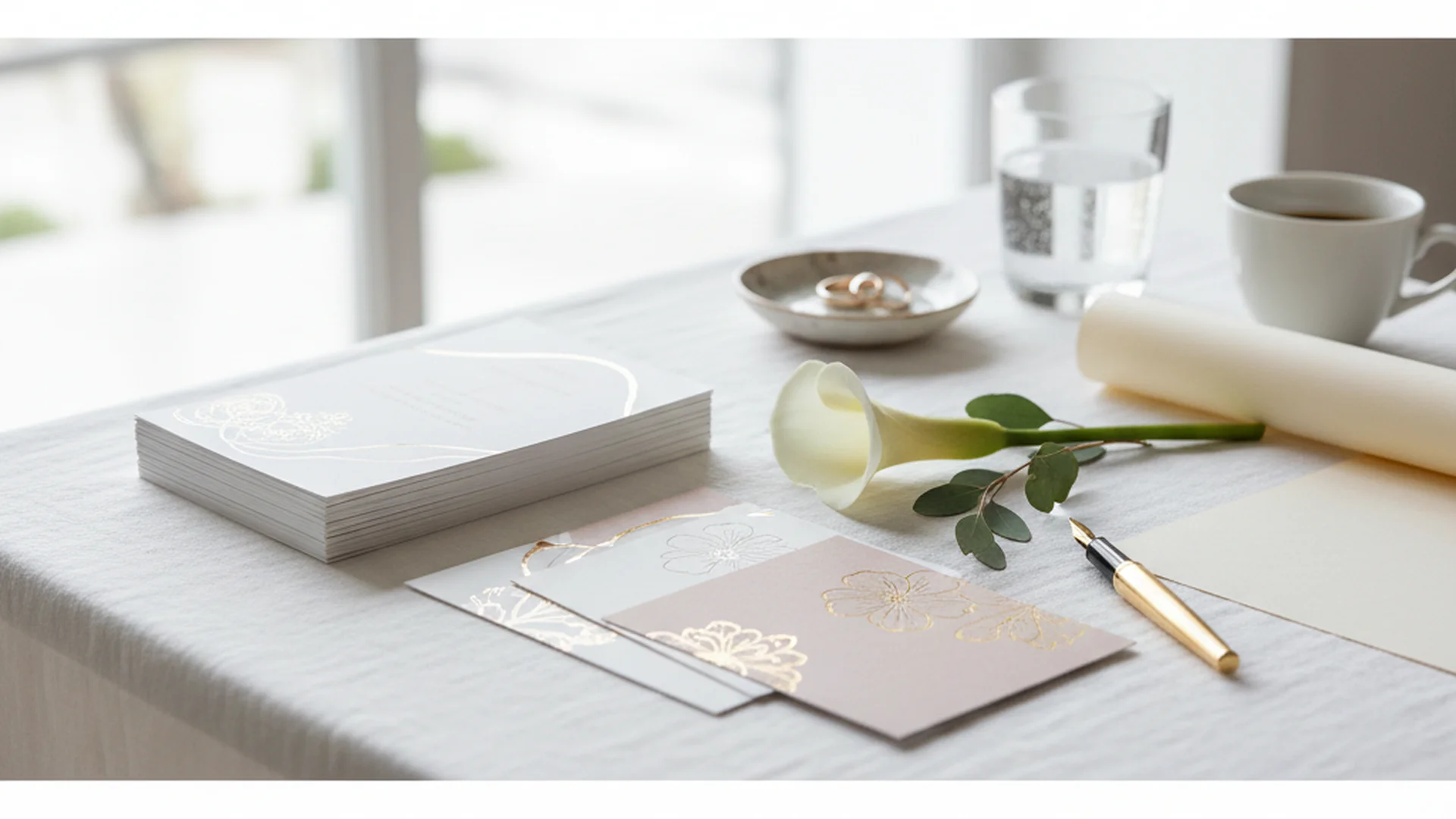
- Wedding programs are essential for communicating "unplugged" rules and cultural rituals.
- The "Wedding Newspaper" is the top trend for 2025 and 2026 ceremonies.
- Sustainability is rising, with many couples choosing digital or seed-paper options.
So, you’ve secured the venue, survived the seating chart Tetris, and your invitations are finally in the mail. You might think you’re in the home stretch, but then you realize: your guests need a roadmap for the actual big day. This is where wedding program wording comes into play. While some might view the program as a mere formality, it is actually the ultimate "User Manual" for your wedding.
In my years as a Creative Director and Wedding Humor Consultant, I’ve seen programs range from stiff, liturgical scrolls to hilarious four-page tabloids. Today, a wedding program is much more than a list of songs; it’s a place to share your story, honor your ancestors, and—perhaps most importantly—remind Uncle Bob to keep his iPhone in his pocket. With a growing number of modern couples now using AI tools like a Wedding Vow Writer to help draft their ceremony content, the bar for creativity has never been higher.
Why Wedding Program Wording Matters in 2025
While a program isn’t strictly "mandatory" in the way a marriage license is, it serves three critical functions in a modern ceremony. First, it’s a communication tool. With many weddings incorporating specific cultural, racial, or religious customs, the program allows you to explain these beautiful rituals to guests who may be unfamiliar with them.
Second, it establishes the "vibe." Whether you’re going for a "Quiet Luxury" monochrome aesthetic or a casual "No phones, just vibes" atmosphere, your wording sets the tone before the first bridesmaid even hits the aisle. Finally, it serves as a cherished keepsake. Long after the cake is eaten, that slip of paper (or seed-paper card) remains a tangible memory of the "casting list" that made your day possible.
Tip
The Essential Components of a Wedding Program
When drafting your wedding program wording, it helps to think like a Broadway producer. You need a cover (the branding), a casting list (the VIPs), and a synopsis (the order of events).
1. The Cover: The "Who, When, and Where"
The front of your program should be clean and legible. It typically includes:
- The names of the couple
- The wedding date
- The location (City, State)
- A catchy header (e.g., "The Best Day Ever," "Finally!", or a classic "The Marriage of...")
2. The Order of Service
This is the "Schedule" portion. You don't need to list every single minute, but a high-level overview helps guests follow along.
- Processional: The entrance of the wedding party.
- The Welcome: Opening remarks by the officiant.
- Readings/Rituals: Mention the title of the poem or the name of the cultural tradition (e.g., "The Breaking of the Glass").
- Exchange of Vows & Rings: The heart of the ceremony.
- The Pronouncement: When you're officially declared "hitched."
- Recessional: The celebratory exit.
3. The Wedding Party (The "Casting List")
Listing your wedding party is a gesture of gratitude. In 2025, we’re seeing a shift toward "Personalized VIPs." Instead of just listing "Bridesmaid: Sarah Miller," many couples add a small "fun fact" like "Best friend since 2nd grade" or "The one most likely to lose her shoes on the dance floor."
Note
Real-World Examples of Wedding Program Wording
Different wedding styles require different tones. Here are three examples ranging from the traditional to the modern.
Example 1: The Formal & Traditional
Header: The Marriage of Katherine Elizabeth Pierce and Jonathan David Miller
- The Prelude: "Clair de Lune" - Claude Debussy
- The Processional: "Canon in D" - Pachelbel
- The Invocation: Reverend Arthur Sterling
- A Reading from 1 Corinthians 13: Read by Mrs. Eleanor Vance
- Exchange of Vows: Written by the Couple
- The Recessional: "Wedding March" - Mendelssohn
Example 2: The Casual & Punchy
Header: We Did It! Now Let’s Celebrate.
- The Beginning: Everyone walks in.
- The Middle: We say some nice things and exchange rings.
- The End: We kiss, you cheer, and then we all go find the open bar.
- The Cast: Our favorite people (See back for names).
Example 3: The "Vibe-Led" Modern Program
Header: No Phones, Just Vibes.
- The "I-Dos": 4:30 PM
- The "Cheers": 5:00 PM (Cocktail Hour)
- The "Feast": 6:30 PM
- The "Dance Off": 8:00 PM onwards.
- Note: We’ve hired a pro photographer. Please keep your phones away and be present with us!
Do this
Navigating Tricky Etiquette: Parents and Memorials
One of the most frequent questions I receive is: "How do I list divorced or remarried parents?" The modern rule is clarity over tradition. List parents on separate lines. If they are remarried, include the spouse's name (e.g., "Mr. and Mrs. John Smith" followed by "Ms. Jane Doe and Mr. Robert Brown"). If you need help with the specific wording for invitations that matches your program, check out Formal Wedding Invitation Wording.
Honoring Those Who Are With Us in Spirit
A memorial section is a beautiful way to honor deceased loved ones. To keep it from feeling too heavy, use uplifting language:
- "In loving memory of those who are with us in spirit today."
- "We carry you in our hearts as we say our I-dos."
- "A candle burns today for those who couldn't be here."
Heads up
From the OurVows workspace
Sorting out invitations?
Track who's invited, who's replied, and what they need — with digital invites and RSVPs built in.
2025–2026 Trends: The "Wedding Newspaper" and Beyond
The biggest trend for the upcoming seasons is the "Wedding Newspaper." Instead of a single card, couples are printing 4-page tabloids. These include:
- The Lead Story: A fun "How We Met" article.
- The Crossword: A puzzle with clues like "The groom's favorite snack" or "Where they went on their first date."
- The Weather Forecast: A humorous look at the honeymoon destination.
- The Creative Team: A "Credits" section honoring the photographer, florist, and planner.
QR Code Integration
Sustainability is a major priority for many modern couples. Many are opting for a single, beautifully designed sign with a QR code titled "Scan for the Full Story." This leads to a digital hub with the full program, a Spotify playlist of the ceremony music, and even a Wedding Hashtag Generator link for guests to use.
| Trend | Best For | Why We Love It |
|---|---|---|
| Wedding Newspaper | Long Ceremonies | Keeps guests entertained during downtime. |
| Seed-Paper Programs | Eco-Conscious | Guests can plant them to grow wildflowers. |
| QR Code Digital Hub | Tech-Savvy | Minimalist, interactive, and saves money on printing. |
| Cobalt Blue Ink | Modern Luxury | The "It" color for 2026 wedding palettes. |
Common Mistakes to Avoid
Even with the best intentions, wedding program wording can go awry. Here are the most common pitfalls to watch for:
1. The "Copy-Paste" Vows
Many couples copy religious templates but forget to remove parts that don't apply to them—like a mention of communion when they aren't serving it. Always review every line with your officiant before printing.
2. Over-Ordering
A common misconception is that you need one program per guest. In reality, about 60–75% of your guest count is sufficient. Couples and families almost always share a single program. Save the paper and the budget!
3. The "Missing Map"
Even in the age of Google Maps, signal can be spotty at remote wedding venues. Always include the physical address of the reception venue and a small map or a QR code that links directly to GPS coordinates.
4. Forgetting the Vendors
It is a major trend to credit your "Creative Team" at the bottom of the program. Your photographer, florist, and planner have worked hard to bring your vision to life—a small shoutout is a lovely gesture of appreciation.
Tip
Frequently asked questions
Is a wedding program mandatory?
How do I word a non-traditional ceremony?
What is the average cost of wedding programs?
Should I include a thank you note?
How do I handle an unplugged ceremony request?
Conclusion: Crafting Your Story
Your wedding program wording is the final piece of the storytelling puzzle. Whether you choose a formal "Playbill" approach, a trendy "Wedding Newspaper," or a sustainable QR code, the goal is the same: to make your guests feel included, informed, and ready to celebrate.
By focusing on clarity, honoring your VIPs, and infusing a bit of your own personality (and perhaps a few 2026 trends), your program will transition from a simple piece of paper to a treasured memento of the day you said "I do."
Do this
Ready when you are
Ready to Start?
Use our tools to craft your perfect wedding day.
Ready when you are
Plan your wedding without the chaos.
Free forever for couples just getting started. Two minutes to set up. No credit card.
Keep reading

The Essential Guide to Save the Date Etiquette: 2025–2026 Edition
Master Save the Date etiquette for your wedding. Learn when to send them, what to include, and 2025 trends for digital and physical stationery.

Modern Digital Save the Date Ideas: The Complete 2025/2026 Guide
Explore the best digital save the date ideas for 2025. Learn about Meadowcore trends, AR technology, and eco-friendly wedding planning tips from Nia Amari.
Mastering Wedding RSVP Card Etiquette: The 2025-2026 Guide
Navigate wedding RSVP card etiquette with ease. Learn about deadlines, modern wording trends, QR codes, and how to handle guest follow-ups for 2025 and 2026.