Russian Wedding Traditions: A Guide to Rituals, Costs, and 2025 Trends
Explore the rich tapestry of Russian wedding traditions, from the 'Vykup' bride ransom to modern 2025 trends like high-tech 'Gorko!' moments and maximalist decor.
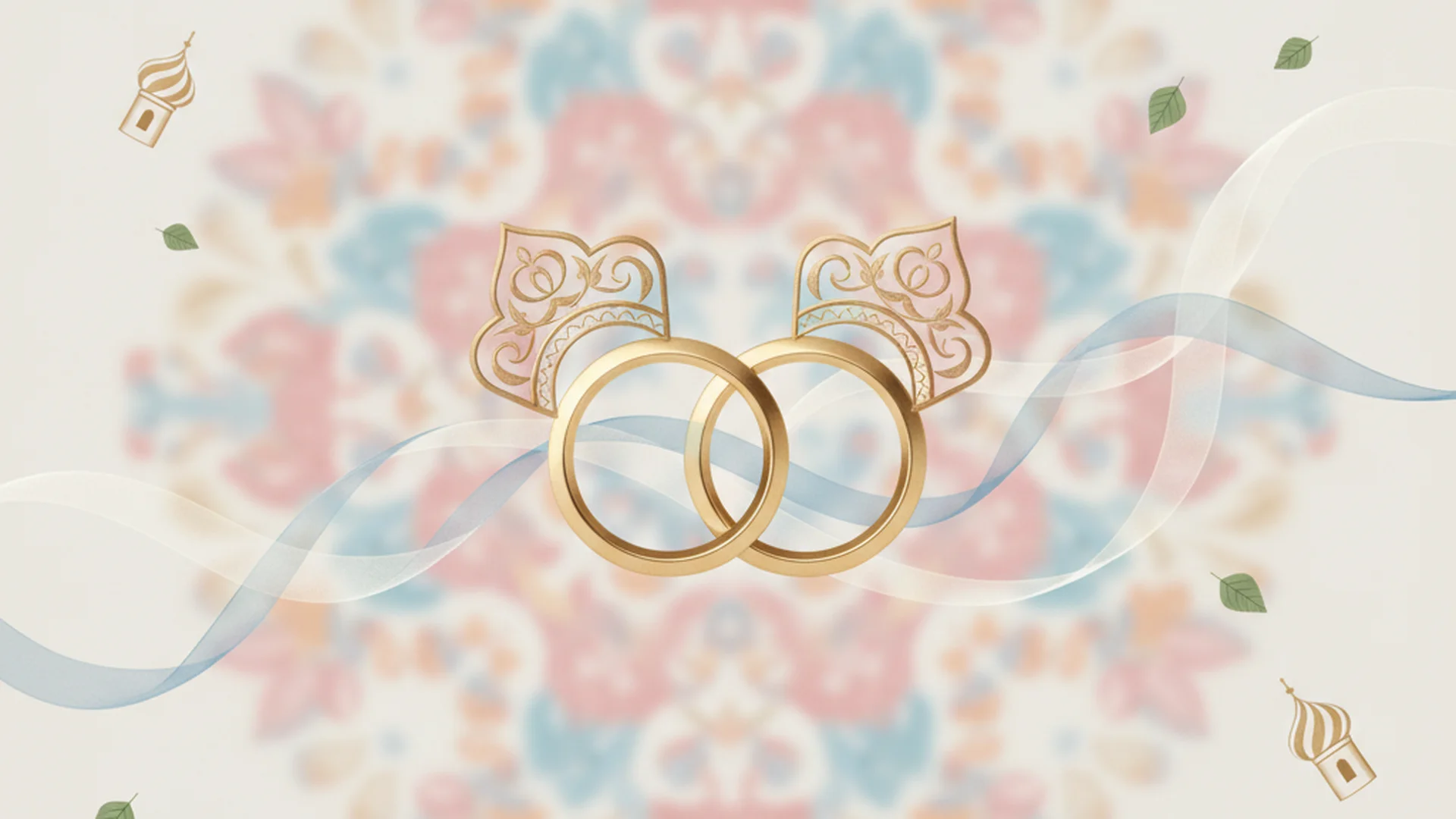
- Russian weddings are a blend of legal civil ceremonies (ZAGS) and spiritual rituals.
- The 'Vykup' (bride ransom) is a comedic tradition, not a literal financial transaction.
- Cash is the standard gift, and everyone is expected to give a poetic toast.
- Modern trends for 2025-2026 include digital gender reveals and 'Bridgerton' aesthetics.
Russian wedding traditions represent a fascinating intersection where centuries-old Slavic rituals meet Soviet-era formalities and modern, high-tech Western influences. Whether you are attending a celebration in the heart of Moscow or planning a destination wedding in a St. Petersburg palace, understanding the nuances of these ceremonies is essential. In 2025 and 2026, we are seeing a resurgence of "maximalist" celebrations that honor heritage while embracing digital innovation.
As a professional vow ghostwriter, I often see couples struggle to balance the heavy structure of a traditional Russian itinerary with their desire for a personal, modern touch. From the playful "theft" of the bride to the deeply emotional "Bread and Salt" ceremony, every element of a Russian wedding serves to bind two families together through hospitality and humor.
The Foundation: Legal vs. Spiritual Ceremonies
In Russia, the path to the altar is paved with specific legal requirements that differ significantly from Western practices. Understanding these steps is crucial for any couple planning a ceremony within the federation.
The ZAGS (Registry Office)
Unlike in many countries where a religious official or a licensed celebrant can perform a legally binding ceremony, only a civil registration at a ZAGS (Registry Office) is legally recognized in Russia. These offices range from functional administrative buildings to "Wedding Palaces" with ornate interiors.
Heads up
Venchaniye: The Church Wedding
For many Russian Orthodox couples, the legal ceremony at the ZAGS is merely a formality. The "real" spiritual union happens during the Venchaniye (crowning ceremony). This usually takes place the day after the civil registration or later in the afternoon. During this ritual, the priest places ornate crowns over the heads of the bride and groom, symbolizing their role as the "king and queen" of their new domestic kingdom.
The Morning of the Wedding: The Vykup (Bride Ransom)
One of the most unique and entertaining Russian wedding traditions is the Vykup Neveseti, or the bride ransom. This occurs on the morning of the wedding when the groom arrives at the bride's home to pick her up.
Instead of simply walking in, the groom is met by the bridesmaids and female relatives who "blockade" the entrance. He must then prove his love and worthiness through a series of comedic challenges.
Examples of Vykup Challenges
- The Identity Game: The groom is shown a series of lip prints on a piece of paper and must correctly identify his bride's print. A wrong guess requires a "fine" (chocolates or cash).
- The Staircase of Praise: For every step the groom takes toward the bride's room, he must shout out a reason why he loves her.
- The Strength Test: He might be asked to sing a song, perform a dance, or solve a riddle about the bride’s favorite things.
Note
The Russian Wedding Banquet: A Marathon of Hospitality
If the ceremony is the heart of the wedding, the banquet (Sashlik) is the soul. Russian wedding receptions are legendary for their length, abundance of food, and structured entertainment.
The Role of the Tamada
A Russian wedding without a Tamada (Toastmaster) is almost unheard of. The Tamada is a professional Master of Ceremonies who manages the entire flow of the evening. They are responsible for organizing games, introducing speakers, and ensuring the energy stays high for the duration of the 6-to-8-hour banquet.
If you are currently preparing your own words for the big day, using a Wedding Vow Writer can help you craft something that fits the poetic and heartfelt style typical of Russian toasts.
The "Gorko!" Tradition
Throughout the night, you will hear guests rhythmically chanting "Gorko! Gorko! Gorko!" The word literally translates to "bitter." This is the signal for the newlyweds to stand and kiss. The tradition suggests that the alcohol is too bitter, and only the couple's kiss can "sweeten" the drinks for the guests. Guests will often count aloud—1, 2, 3...—to see how many seconds the kiss lasts, with longer kisses signifying a longer marriage.
The Bread and Salt Ritual (Karavai)
Upon arriving at the reception venue, the couple is greeted by their parents holding a Karavai, a specially baked, ornate loaf of bread topped with a salt shaker. The couple must take a bite of the bread without using their hands.
Do this
Modern Trends for 2025 and 2026
Russian weddings are evolving rapidly. While the core rituals remain, the delivery is becoming more high-tech and aesthetically ambitious.
The "Bridgerton" Influence
In St. Petersburg, there is a massive surge in heritage-style weddings. Couples are booking 18th-century palaces and leaning into a "Regency Era" aesthetic featuring corsetry, lace, and string quartets. This mirrors a broader trend seen in other European celebrations, such as those discussed in our guide to German Wedding Traditions.
Digital Traditions and QR Codes
The traditional game of "predicting the first baby's gender"—where guests would place coins in pink or blue plates—has moved into the digital age. In 2025, it is common for guests to scan a QR code on their table to "vote" for a boy or girl by sending a small donation via a banking app. The live results are then displayed on a LED screen in the ballroom.
Maximalist Decor and Palettes
Moving into 2026, the trend of muted pastels is being replaced by bold, "Maximalist" choices. We are seeing:
- Cobalt Blue & Chrome: High-contrast table settings using stainless steel accents.
- 3D Florals: Wedding gowns featuring heavy 3D appliqués rather than traditional flat embroidery.
- Vertical Content: The rise of "Wedding Content Creators" who provide instant TikTok and Reel-ready footage within 24 hours of the event.
| Feature | Traditional Approach | 2025/2026 Trend |
|---|---|---|
| Photography | Film/Digital Albums | Real-time Social Content |
| Gender Reveal | Coin collection | QR Code Voting |
| Fashion | Minimalist Slip Dress | Maximalist 3D Florals |
| Decor | Soft Pinks/Beiges | Cobalt Blue & Chrome |
From the OurVows workspace
Planning a wedding is a lot. We make it feel like less.
Checklist, budget, guest list, and a wedding website — together in one free workspace built for both of you.
Gift Culture: What to Expect
If you are a guest attending a Russian wedding, forget the gift registry. In Russia, cash is king. It is a social expectation that your gift should, at minimum, cover the cost of your "plate" at the banquet.
Tip
Common Mistakes to Avoid
- Underestimating the Toasts: In many Western cultures, only three people speak. In Russia, everyone is expected to give a toast. If you are nervous about public speaking, consider practicing or using professional help to ensure your words are both poetic and concise.
- The Witness Misconception: While many people still use "Official Witnesses" (Svideteli) who wear red sashes, they are no longer a legal requirement for the ceremony. They are now a purely symbolic and traditional role.
- Dressing Too Casually: Russian weddings are high-fashion events. For men, a suit is mandatory; for women, think "Formal Elegance." Avoid wearing all-white, as that is strictly reserved for the bride.
- Leaving After the First Day: Many traditional Russian weddings last two days. The second day is often a more relaxed gathering at a dacha (country house) with BBQ and leftovers. If you are invited to both, try to attend both to show respect to the families.
Frequently asked questions
What does "Gorko!" mean?
Do Russians wear their wedding rings on the left or right hand?
Is it true that the groom has to buy the bride?
How long does a Russian wedding typically last?
What is a Karavai?
Conclusion
Russian wedding traditions are a masterclass in balancing reverence for the past with a zest for the present. From the playful hurdles of the Vykup to the rhythmic chants of Gorko!, these celebrations are designed to be immersive, emotional, and deeply communal. Whether you are following a 1 Month Before Wedding Checklist or just starting your planning journey, embracing these cultural touchstones will ensure your celebration is unforgettable.
If you find yourself inspired by the cross-cultural beauty of Slavic celebrations, you might also enjoy reading about Polish Wedding Traditions, which share many of the same festive roots.
Do this
Ready when you are
Planning your own celebration?
Create a custom plan and vows that honor your heritage today.
Ready when you are
Plan your wedding without the chaos.
Free forever for couples just getting started. Two minutes to set up. No credit card.
Keep reading
Thai Wedding Traditions: A Complete Guide to Rituals and Modern Trends
Discover the beauty of Thai wedding traditions, from the Khan Maak procession to 2025-2026 trends like sustainable merit-making and earthy terracotta palettes.
Dominican Wedding Traditions: A Guide to Island Heritage and Modern Trends
Explore vibrant Dominican wedding traditions, from the 13 gold coins (Las Arras) to the Hora Loca. Learn about costs, legalities, and 2025-2026 trends.
The Ultimate Guide to Bangladeshi Wedding Traditions: Rituals, Fashion, and 2025 Trends
Explore the vibrant world of Bangladeshi wedding traditions. From Gaye Holud rituals to 2025 pastel fashion trends and modern tech-integrated celebrations.