Sustainable Wedding Flowers: The Ultimate Guide to Eco-Friendly Floristry
Discover how to choose sustainable wedding flowers for your 2025-2026 wedding. Learn about no-foam mechanics, local sourcing, and reducing your carbon footprint.
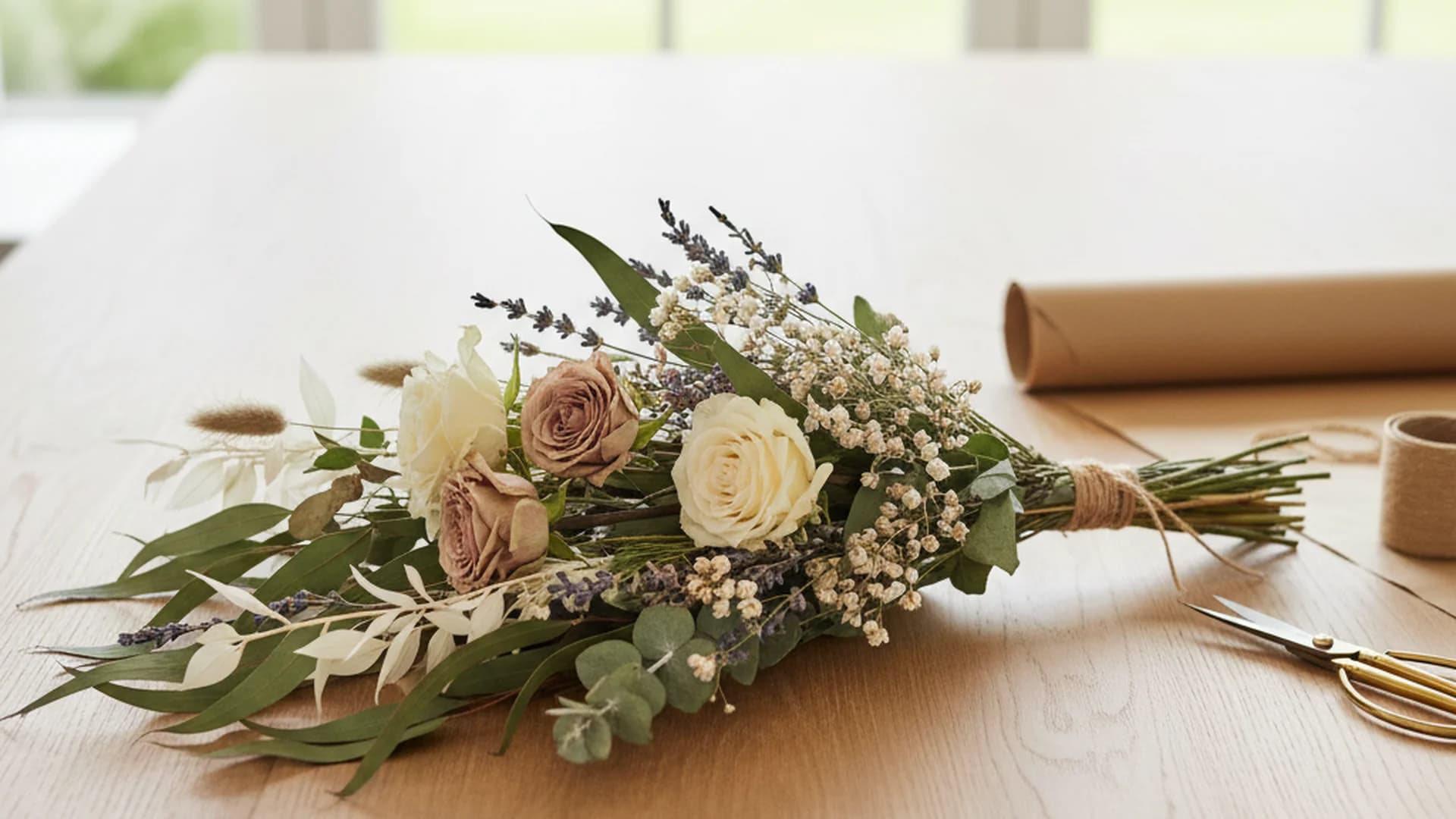
- Locally sourced bouquets reduce carbon emissions by nearly 20 times compared to imports.
- Traditional floral foam is a non-biodegradable microplastic that harms the environment.
- Prioritizing a color palette over specific flower varieties ensures seasonal sustainability.
Planning a wedding is an act of hope and a celebration of a future built together. As a relationship counselor, I often tell my clients that the intentionality you bring to your wedding planning reflects the values you will carry into your marriage. For many couples in 2025 and 2026, those values include environmental stewardship. Choosing sustainable wedding flowers is one of the most impactful ways to align your celebration with a commitment to the planet.
While flowers are a symbol of natural beauty, the traditional floral industry often hides a significant environmental cost. From high-octane international shipping to the use of toxic chemicals and microplastics, the "business of blooms" can be surprisingly dirty. However, by shifting your perspective and working with the rhythms of nature, you can create a breathtaking floral design that leaves a positive legacy.
The Environmental Impact of Traditional Floristry
To understand why sustainable wedding flowers matter, we must look at the data. Most flowers found in traditional bouquets are flown halfway across the world in refrigerated planes. A single imported mixed bouquet from Kenya or the Netherlands produces approximately 31–32kg of CO2. In contrast, a locally grown, seasonal bouquet produces as little as 1.7kg.
Furthermore, the average wedding generates about 400 lbs of waste. A significant portion of this comes from single-use floral materials and the industry’s "dirty secret": floral foam.
The Problem with Floral Foam
Traditional green floral foam is a plastic-based product that does not biodegrade. It crumbles into microplastics that enter our water systems, harming aquatic life. To put it into perspective, one brick of floral foam contains the plastic equivalent of 10 plastic grocery bags.
Heads up
How to Source Sustainable Wedding Flowers
When you begin your journey toward a carbon neutral wedding, your first step is sourcing. How and where your flowers are grown determines the bulk of their environmental footprint.
1. The "Farmer-Florist" Movement
The gold standard for sustainable wedding flowers is the "Farmer-Florist." These are professionals who grow their own blooms or source directly from local flower patches within a 100-mile radius. This eliminates air-freight emissions and ensures that the flowers are at their peak freshness, often cut just hours before they arrive at your venue.
2. Seasonality Over Variety
One of the most common mistakes couples make is demanding a specific flower that is out of season. If you are getting married in the autumn but insist on Peonies, those flowers must be flown in from the Southern Hemisphere.
Tip
3. Certifications to Look For
If you cannot source 100% locally, look for flowers with ethical certifications. Labels such as Rainforest Alliance or Certified American Grown indicate higher standards for environmental protection and fair labor practices.
| Certification | Focus Area | Best For |
|---|---|---|
| Rainforest Alliance | Biodiversity & Worker Rights | Imported tropical blooms |
| Certified American Grown | Domestic Origin | Reducing domestic air-miles |
| Veriflora | Sustainability & Quality | Comprehensive eco-standards |
Sustainable Mechanics: The "No-Foam" Revolution
A bouquet can be made of organic flowers, but if it is held together by plastic tape and foam, it isn't truly sustainable. Modern eco-florists use "no-foam" mechanics to create stunning, gravity-defying installations.
Chicken Wire and Kenzans
Instead of foam, florists use chicken wire "pillows" or metal kenzans (pin frogs). These tools are reusable for decades and provide excellent structural support for heavy stems.
Compostable Alternatives
If a water-holding base is absolutely necessary, experts recommend products like Oasis TerraBrick (made from plant-based coir) or Sideau Agra-Wool (made from basalt rock and a plant-based binder). These materials are fully compostable and do not shed microplastics.
Do this
Real-World Examples of Sustainable Design
To help you visualize how these concepts come to life, here are three real-world examples of sustainable wedding flower strategies:
Example 1: The "Living" Centerpiece
A couple in Portland opted out of cut flowers entirely for their tables. Instead, they used potted ferns, lavender, and rosemary. After the wedding, these were either replanted in the couple's new garden or given to guests as favors. This approach creates a zero waste wedding environment while providing a lasting memory.
Example 2: The Repurposed Ceremony Meadow
Rather than a traditional arch, a couple used "ground meadows"—heavy, low-profile arrangements that sat at the base of their altar. After the ceremony, these meadows were moved to the front of the head table and the bar. By repurposing the designs, they cut the total number of stems needed by 40%.
Example 3: The Naturally Dried Aisle
For a winter wedding where fresh local flowers were scarce, a couple used naturally air-dried stems of lunaria, pampas grass (locally sourced), and seed pods. Because these were not bleached or chemically dyed, they were fully compostable after the event.
Note
From the OurVows workspace
Planning a wedding is a lot. We make it feel like less.
Checklist, budget, guest list, and a wedding website — together in one free workspace built for both of you.
Trends for 2025 and 2026
The world of green wedding planning is evolving rapidly. Here is what we are seeing in the upcoming seasons:
- Amaranthus Momentum: Requests for cascading Amaranthus have spiked by 383% for 2026. This flower adds dramatic, "living" movement to arrangements without needing plastic support structures.
- Monochrome Magic: Moving away from traditional pastels, 2025/26 is seeing a shift toward moody burgundy and zesty lemon. Layering different textures of the same color creates a high-fashion look with fewer stems.
- Sensory Installations: Trends are shifting toward scent and texture. Florists are incorporating fruiting branches (like crabapples), fragrant herbs, and textured seed pods to create a multi-sensory "wild garden" experience.
Common Mistakes to Avoid
Even with the best intentions, it is easy to fall into "greenwashing" traps. Here are the most common errors to watch for:
1. Thinking Faux is More Eco-Friendly
Many couples believe silk or plastic flowers are better because they are "reusable." However, faux flowers are almost entirely petroleum-based. A silk bouquet must be reused between 2.5 and 90 times to break even with the carbon footprint of a single local fresh bouquet. Unless you are renting them from a company that guarantees dozens of uses, fresh and local is always better.
2. Over-Reliance on Eucalyptus
High-demand greenery like Eucalyptus is often over-harvested or shipped globally from areas where it is an invasive species. Large greenery runners can actually require more labor and chemical preservatives than a strategic, flower-forward design using local foliage.
3. Ignoring the "End-of-Life" Plan
This is the most frequent mistake. Many couples spend thousands on sustainable flowers only to have the venue throw them in the trash at midnight. Without oxygen in a landfill, organic matter produces methane—a greenhouse gas much more potent than CO2.
Heads up
What to Do With Flowers After the Wedding
The beauty of your sustainable wedding flowers doesn't have to end when the music stops.
- Donation: Organizations like Petals for Hope or Floranthropy repurpose wedding flowers for hospitals and senior centers.
- Composting: If your flowers are free of floral foam and plastic tape, they can be professionally composted.
- Preservation: Professional flower pressing or resin casting allows you to keep your bouquet as a lifelong heirloom.
For more inspiration on planning a conscious celebration, check out our guide on eco friendly wedding decor.
Frequently asked questions
How do I know if my flowers are actually sustainable?
Is it more expensive to buy sustainable flowers?
Can I still have a large installation without floral foam?
Are dried flowers always a better choice?
Conclusion
Choosing sustainable wedding flowers is about more than just aesthetics; it’s about starting your marriage with an act of respect for the world around you. By prioritizing seasonality, supporting local farmer-florists, and insisting on no-foam mechanics, you create a celebration that is as ethical as it is beautiful.
As you continue your planning journey, remember that every small choice—from your eco friendly wedding invitations to your floral arrangements—contributes to a larger story of intentionality.
Do this
Ready when you are
Start Your Sustainable Journey
Explore more eco-friendly tips and tools to plan your perfect, conscious wedding.
Ready when you are
Plan your wedding without the chaos.
Free forever for couples just getting started. Two minutes to set up. No credit card.
Keep reading
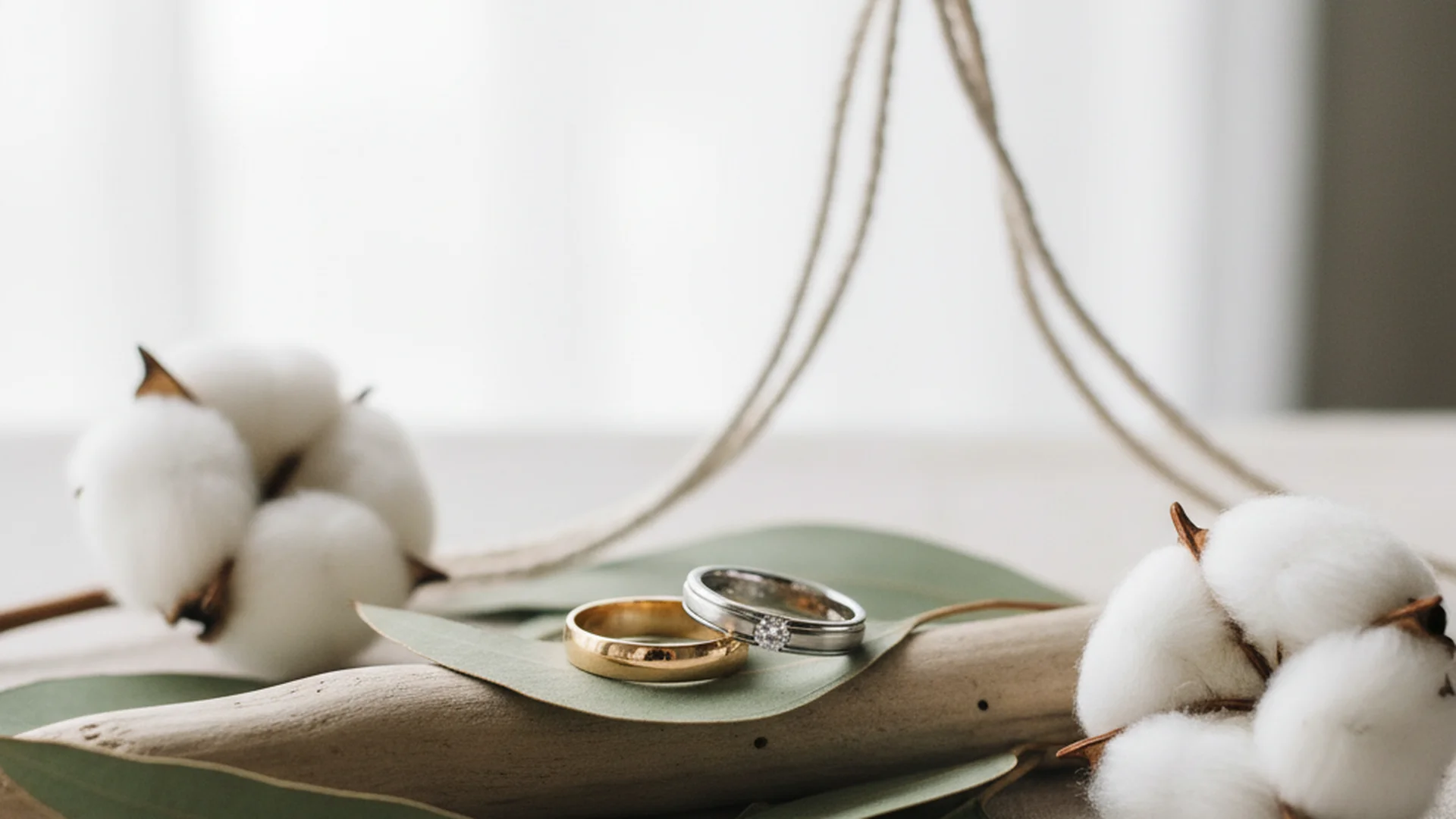
Eco-Friendly Wedding Rings: A Complete Guide to Sustainable Luxury
Discover the best eco-friendly wedding rings for 2025 and 2026. Learn about lab-grown diamonds, recycled gold, and ethical certifications for your big day.
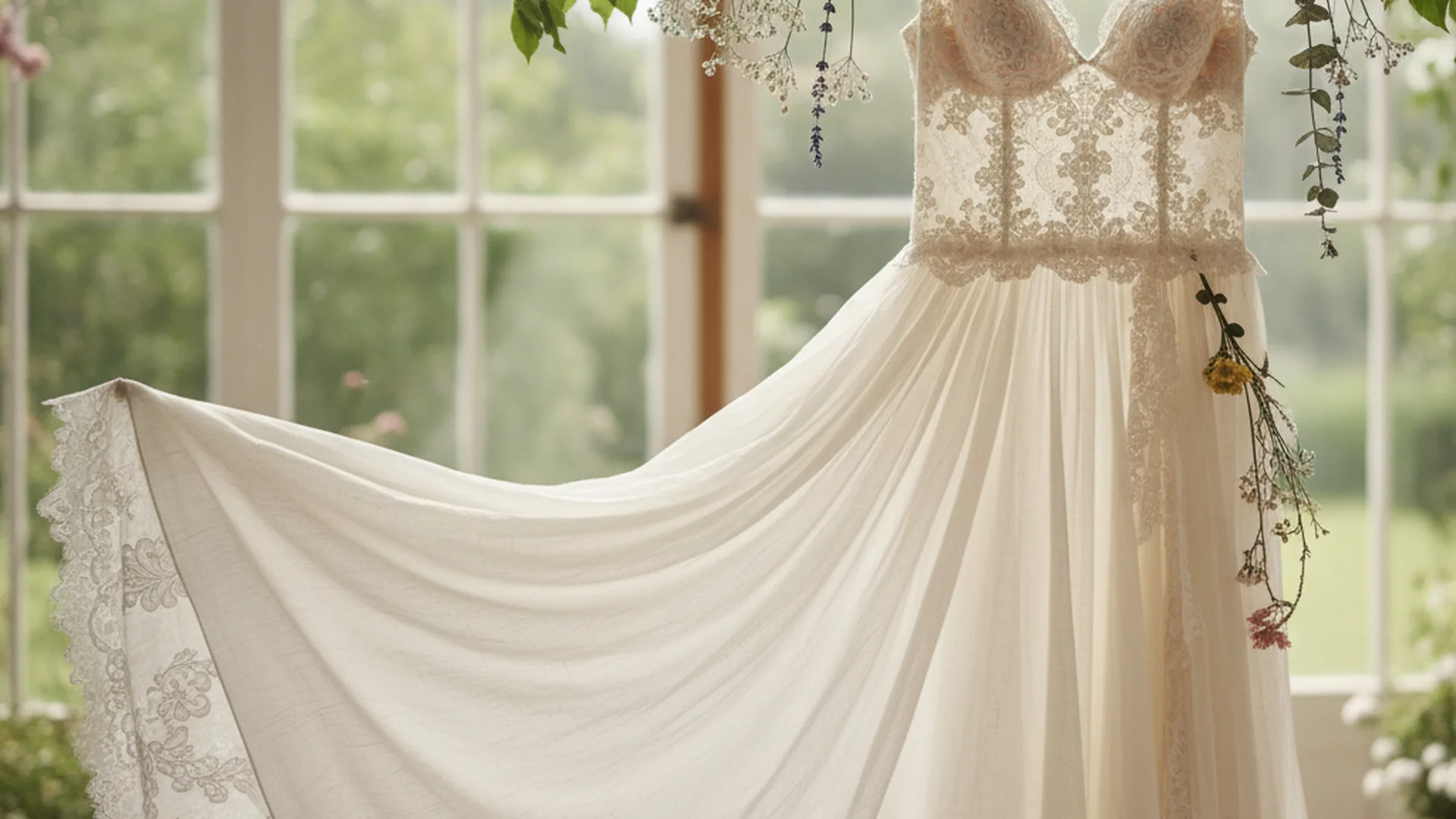
The Ultimate Guide to Choosing a Sustainable Wedding Dress in 2025
Discover how to find the perfect sustainable wedding dress. Explore eco-friendly fabrics, 2025 bridal trends, and ethical shopping tips for the conscious bride.
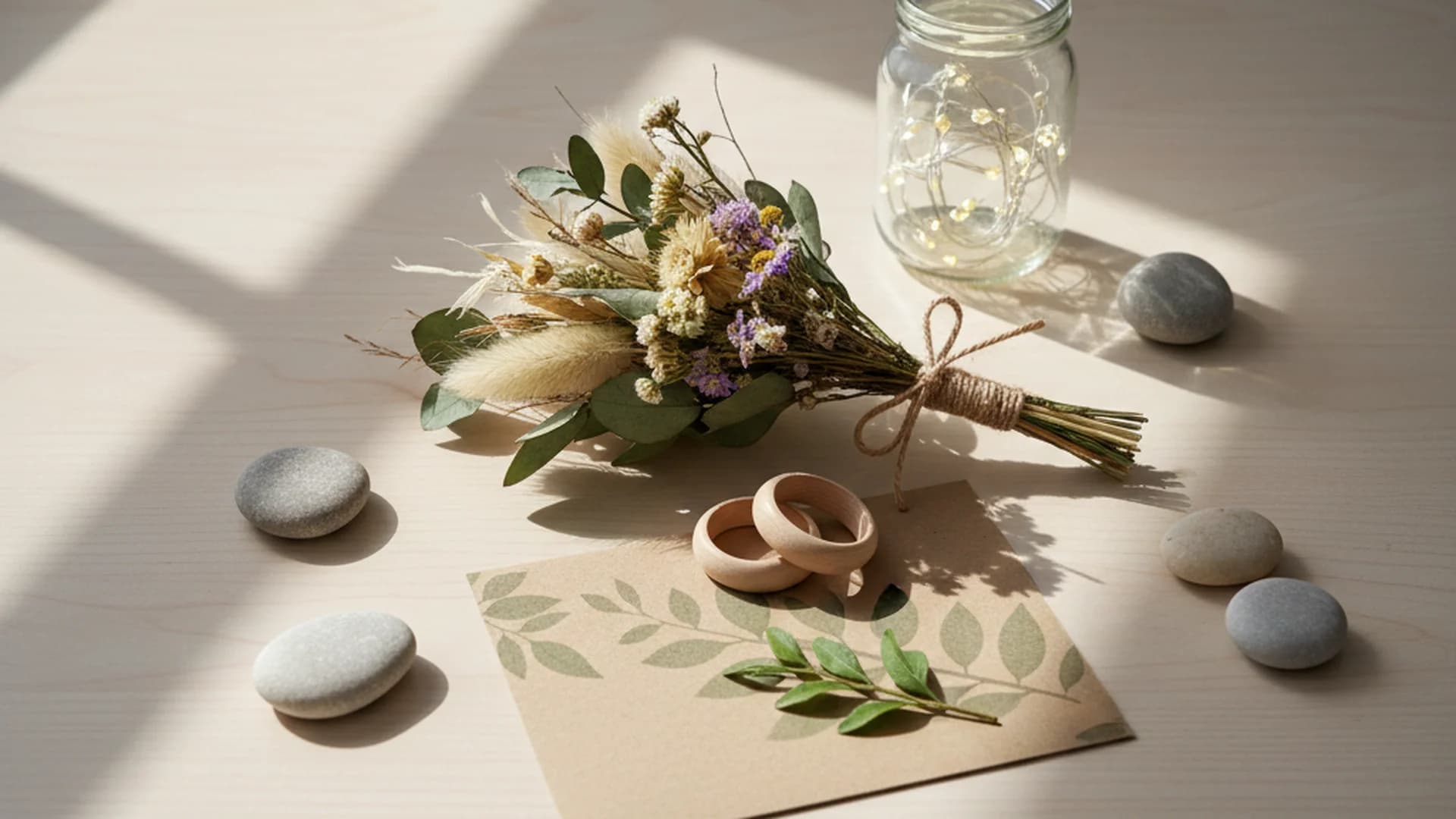
The Ultimate Eco Friendly Wedding Guide: Planning a Sustainable Celebration
Discover how to plan a sustainable celebration with our comprehensive Eco Friendly Wedding Guide. Learn about 2025 trends, carbon footprints, and ethical vendors.