The Modern Choice: The Complete Moissanite Engagement Ring Guide (2025–2026)
Discover why the moissanite engagement ring is the top choice for 2025. Learn about its brilliance, durability, ethical sourcing, and how it compares to diamonds.
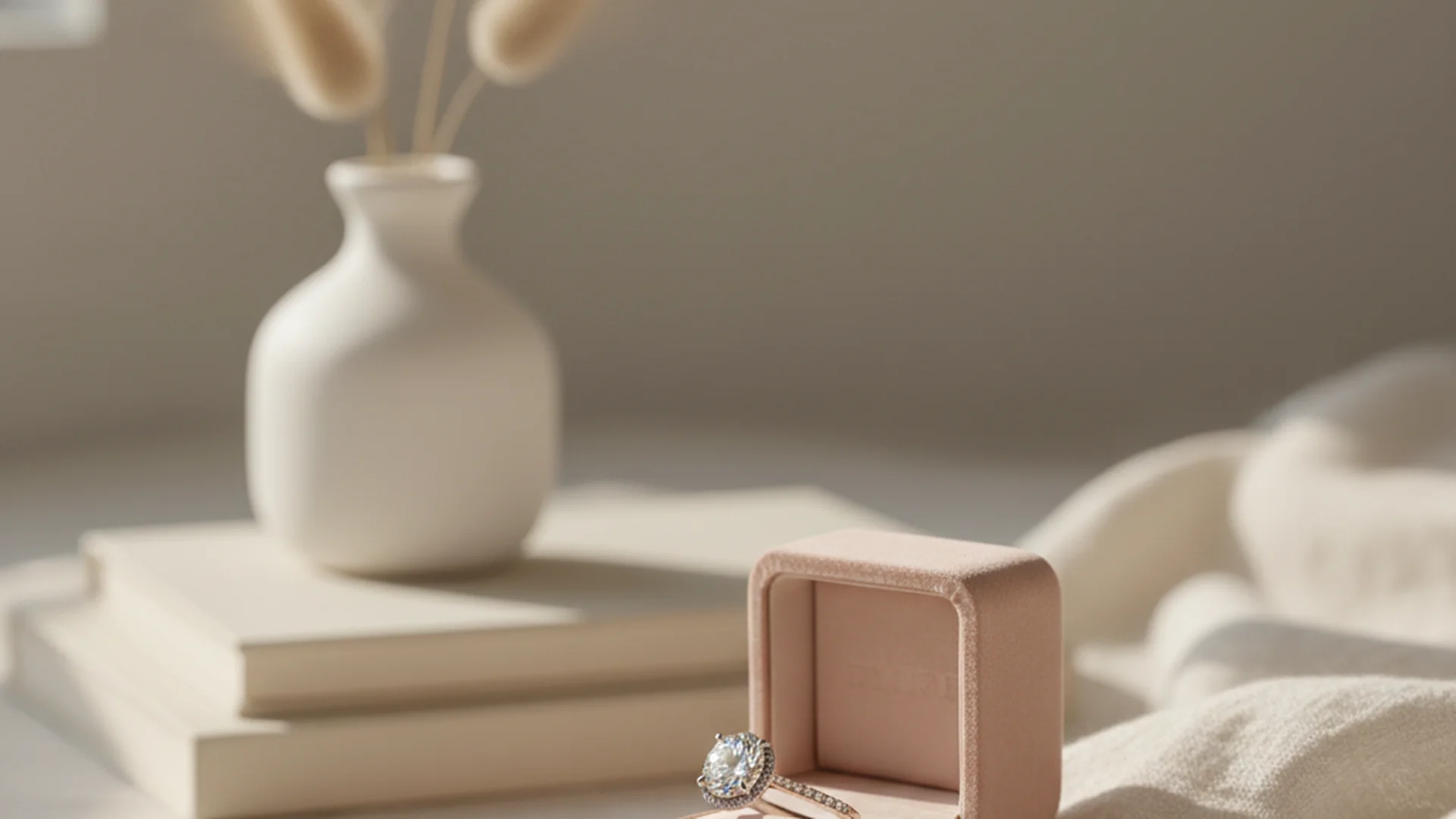
- Moissanite is a unique gemstone with higher brilliance (fire) than a diamond.
- It is the second hardest gemstone (9.25 Mohs), making it ideal for daily wear.
- Choosing moissanite can save couples 80% to 90% compared to natural diamonds.
Choosing a moissanite engagement ring is no longer just about finding a "diamond alternative." In my years as an interfaith wedding officiant, I have stood at the altar with hundreds of couples, and I have seen a massive shift in how they approach the symbols of their commitment. Today’s couples are prioritizing ethics, sustainability, and financial wisdom without sacrificing the "wow" factor.
Moissanite has officially transitioned from a niche gemstone to a top-tier luxury choice for the 2025–2026 wedding seasons. Whether you are drawn to its celestial origins or its incredible "disco ball" sparkle, understanding the science and the market of this stone is essential before you make your purchase.
The Extraordinary Science of Moissanite
Moissanite is not a "fake diamond" or a cheap imitation; it is a distinct mineral known as silicon carbide. Its story begins in the stars. In 1893, French chemist Henri Moissan discovered microscopic particles of the gem in a crater created by a meteorite that fell to Earth in Arizona. For decades, natural moissanite remained one of the rarest minerals on the planet.
It wasn't until the late 20th century that scientists perfected the process of growing these crystals in a laboratory. Today, almost every moissanite engagement ring on the market features a lab-grown stone. This controlled environment allows for near-perfect clarity and the ability to cut stones into shapes that maximize their unique optical properties.
Brilliance and Fire: Why It Sparkles More
The most striking feature of moissanite is its Refractive Index (RI). While a diamond has an RI of 2.42, moissanite ranges from 2.65 to 2.69.
Note
If you compare a diamond engagement ring side-by-side with moissanite, you will notice that the moissanite produces more colorful flashes of light, especially in direct sunlight. This is a primary reason why many modern brides prefer it over traditional stones.
Moissanite vs. Diamond: A Comparative Look
When deciding between these two popular choices, it helps to look at the hard data. While lab grown diamond guides highlight the identical chemical structure of lab diamonds to natural ones, moissanite offers a completely different value proposition.
| Feature | Moissanite | Diamond (Natural/Lab) |
|---|---|---|
| Hardness (Mohs) | 9.25 | 10 |
| Brilliance (RI) | 2.65 – 2.69 | 2.42 |
| Fire (Dispersion) | 0.104 | 0.044 |
| Chemical Comp. | Silicon Carbide | Carbon |
| Sustainability | Very High (Lab) | Variable |
| Price (1 Carat) | $300 - $600 | $1,500 - $5,000+ |
Do this
Trends for 2025–2026: What’s In Style?
As we look toward the 2026 wedding season, several design trends have emerged that specifically highlight the beauty of moissanite.
1. The Oval Dominance
The oval-cut moissanite remains the most requested shape. Why? Because the elongated shape makes the finger look slimmer and offers a larger surface area, maximizing that famous moissanite sparkle. Ovals also do a fantastic job of masking the "double refraction" for those who want a look that is closer to a diamond.
2. Thin, Minimalist Bands
The "floating stone" look is the gold standard for the coming years. Bands measuring between 1.5mm and 1.8mm are trending, often paired with engagement ring settings like the "hidden halo"—a small circle of pavé stones tucked beneath the center gem.
3. Bezel and Half-Bezel Settings
For couples with active lifestyles, the bezel setting is making a massive comeback. By surrounding the gemstone with a thin rim of metal, the stone is protected from snagging on clothes or bumping against surfaces. This "low profile" look is both modern and incredibly practical.
4. Champagne and Teal Hues
While colorless (D-E-F) moissanite is the classic choice, we are seeing a surge in "faintly colored" stones. Champagne moissanite offers a vintage, warm glow, while teal and light blue stones provide a bespoke, non-traditional aesthetic for the modern bride.
Real-World Examples: Choosing the Right Stone
To help you visualize how to choose your ring, let’s look at three common scenarios I encounter when consulting with couples on their engagement ring styles.
Example 1: The "Practical Luxury" Couple
Sarah and James wanted a large, 3-carat look but were focused on saving for a house down payment. By choosing a 9.5mm (3-carat equivalent) round moissanite in a 14K gold solitaire setting, they spent roughly $1,200. A similar natural diamond would have cost upwards of $30,000.
Tip
Example 2: The Sustainability Advocate
Maya prioritized an ethical supply chain. She chose moissanite because it is 100% conflict-free and created in a laboratory with a significantly smaller environmental footprint than traditional mining. She paired her stone with a recycled platinum band to ensure her ring aligned with her values.
Example 3: The Active Professional
David, an ER nurse, needed a ring that wouldn't catch on medical gloves. He opted for a 2-carat cushion-cut moissanite in a full bezel setting. The 9.25 hardness ensured that the stone could withstand the rigors of his high-intensity job without losing its luster.
From the OurVows workspace
Ring sorted — now the wedding.
Set a realistic budget and a checklist that knows what's next, all in one free workspace.
Buying Guide: Best Practices for 2025
Purchasing a moissanite engagement ring requires a different strategy than buying a diamond. Follow these expert recommendations to ensure you get the best value.
Buy by Millimeters, Not Carats
"Carat" is a measure of weight, not size. Because moissanite is about 15–18% lighter than a diamond, a 1-carat moissanite will actually look larger than a 1-carat diamond. To ensure you get the visual size you want, always look at the physical dimensions in millimeters (mm). For reference, a 6.5mm round stone is roughly equivalent to a 1-carat diamond.
Choose the Right Metal
Since your engagement ring is meant to last a lifetime, don't skimp on the band.
Heads up
Look for Certification
Always ensure your stone comes with a certificate of authenticity from a reputable manufacturer, such as Charles & Colvard or GRA. This guarantees the stone's grading and often includes a limited lifetime warranty against loss of brilliance.
Common Mistakes to Avoid
Even with its many benefits, there are pitfalls to avoid when shopping for moissanite.
- Expecting a High Resale Value: Unlike natural diamonds, moissanite does not hold its value as a financial investment. You should buy it for its beauty and ethical value, not as an asset to sell later.
- The "Oil Slick" Panic: Some owners notice a rainbow-colored film on their stone after a few months. This isn't a defect in the stone; it's a buildup of organic oils and hard water minerals.
- Ignoring the "Disco Ball" Effect: In some engagement ring cuts like Radiant or Round, moissanite can produce very intense rainbow flashes. If you prefer a more subtle, white-light sparkle, consider an Emerald or Asscher cut, which features "step cuts" that reduce the fire.
Do this
Frequently asked questions
Is moissanite a fake diamond?
Will moissanite get cloudy over time?
Can moissanite pass a diamond tester?
Is it really more ethical?
How do I clean my moissanite ring?
Conclusion
The rise of the moissanite engagement ring is a testament to the changing values of modern couples. It offers a stunning combination of durability, unmatched brilliance, and ethical peace of mind—all at a price point that allows you to invest more in your future together, rather than just the ring on your finger.
If you are just beginning your journey, I recommend reading our how to choose an engagement ring guide to help narrow down your style preferences. Whether you choose the fiery sparkle of moissanite or a classic diamond, the most important part of the ring is the promise it represents.
Ready when you are
Ready to Design Your Dream Ring?
Start planning your perfect ceremony and ring today.
Ready when you are
Plan your wedding without the chaos.
Free forever for couples just getting started. Two minutes to set up. No credit card.
Keep reading
The Ultimate Guide to Engagement Ring Insurance: Protecting Your Symbol of Love
Protect your investment with our comprehensive guide to engagement ring insurance. Learn about costs, 2025 trends, coverage types, and how to avoid common pitfalls.
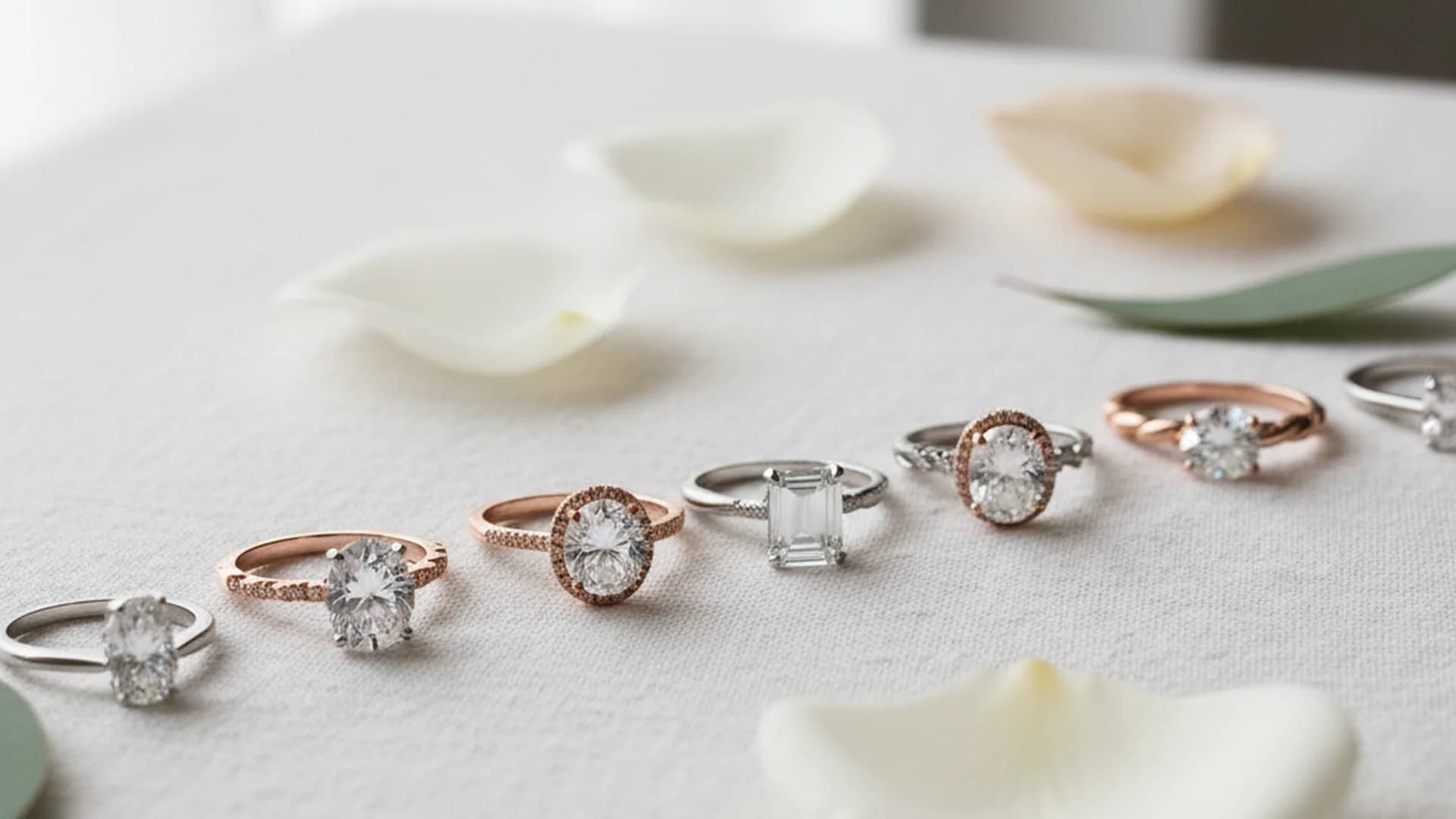
2025-2026 Guide to Engagement Ring Styles: Trends, Costs, and Expert Tips
Explore the top engagement ring styles for 2025-2026. From lab-grown diamond trends to vintage revivals and yellow gold's comeback, find your perfect ring.
The Ultimate Mens Wedding Band Guide: Metals, Styles, and 2025 Trends
Discover the perfect ring with our comprehensive Mens Wedding Band Guide. Explore top metals, 2025 trends like meteorite inlays, and expert tips on fit and sizing.