A Guide to Lebanese Wedding Traditions: From the Zaffeh to the Sword
Discover the vibrant energy of Lebanese wedding traditions. Learn about the Zaffeh, Zalghouta, 2025-2026 bridal trends, and the "more is more" philosophy.
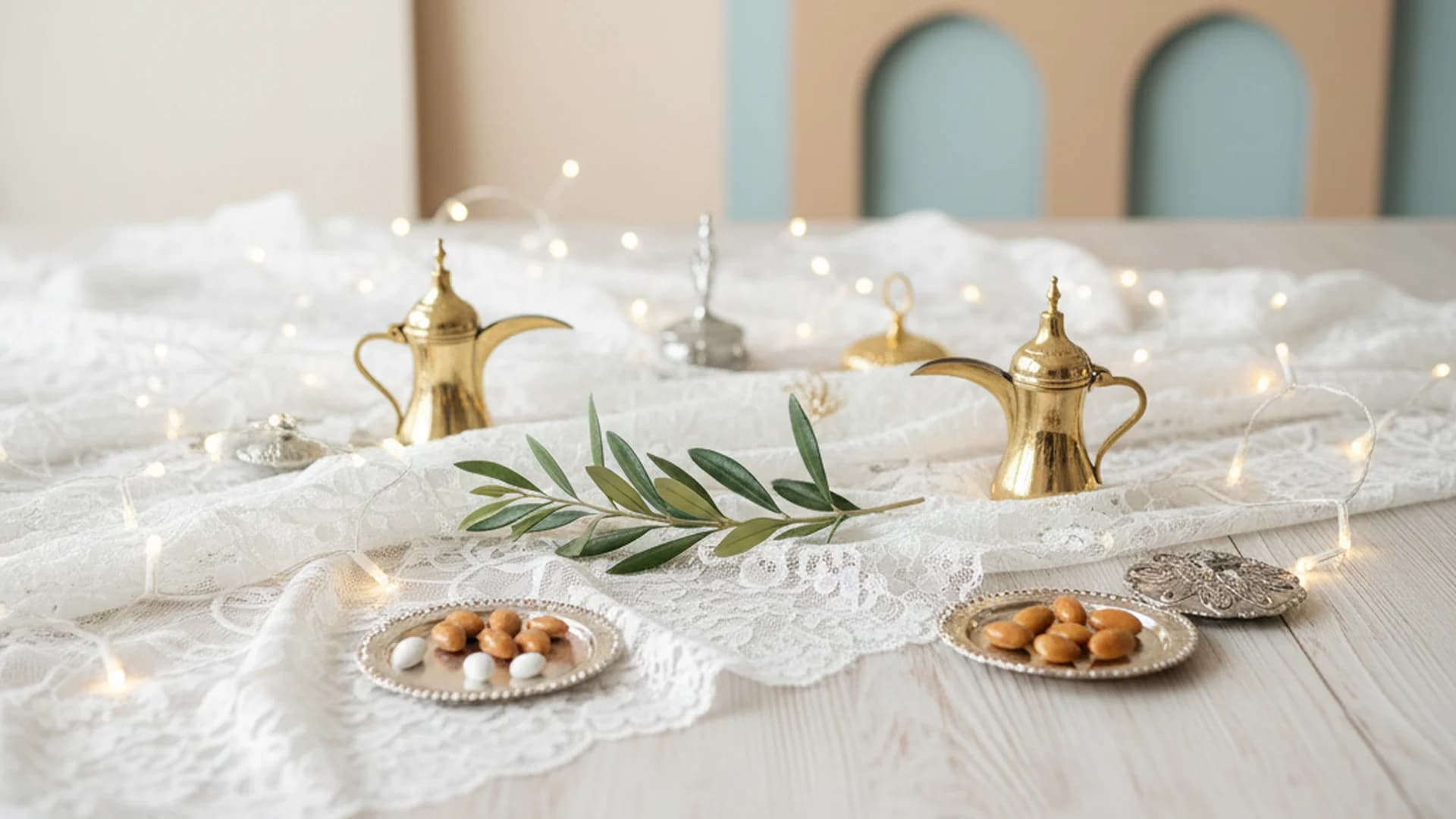
- The Zaffeh is the high-energy hallmark of any Lebanese celebration.
- Marriage in Lebanon is a religious legal matter, leading many to wed in Cyprus for civil ceremonies.
- 2025-2026 trends favor bold colors like emerald green and sculptural bridal silhouettes.
In the world of international celebrations, few cultures embrace the "more is more" philosophy quite as fervently as Lebanon. If you have ever been invited to a celebration governed by Lebanese wedding traditions, you know that "subtle" is a word left at the door. These events are a sensory explosion of rhythmic drumming, high-pitched ululations, multi-course feasts that could feed a small army, and a level of hospitality that is virtually unmatched globally.
Whether you are a guest preparing for your first Middle Eastern "extravaganza" or a couple looking to honor your heritage, understanding the nuances of these rituals—from the symbolic Katb al-Kitab to the thunderous Zaffeh—is essential. As we look toward the 2025 and 2026 wedding seasons, the Lebanese wedding landscape is evolving, blending ancient customs with high-tech integration and bold, modern fashion choices.
The Pre-Wedding Rituals: Setting the Stage
A Lebanese wedding is rarely a one-day affair. Traditionally, the festivities begin days before the actual ceremony. These pre-wedding rituals are designed to build anticipation and transition the couple from their families' homes to their new life together.
The Laylieh (The Pre-Party)
Think of the Laylieh as a high-octane version of a rehearsal dinner or henna party. Each family often hosts their own celebration. One of the most charming traditions during this time is the "Stolen Bride" ritual. Historically, the groom’s family would symbolically "crash" the bride’s party to "steal her away" to their family. Today, it serves as a joyful excuse for the two families to merge their celebrations early, often featuring plenty of Arak (a Levantine spirit) and early-bird dancing.
Katb al-Kitab: The Contract
For Muslim Lebanese couples, the Katb al-Kitab is the official signing of the marriage contract. This ceremony is presided over by a Sheikh and involves the groom and the bride's father (or guardian). While it is a legal and religious necessity, it is also a moment of deep solemnity before the high-decibel reception begins.
Note
The Grand Entrance: The Zaffeh
If there is one element that defines Lebanese wedding traditions, it is the Zaffeh. This is not just an entrance; it is a musical riot that marks the couple's official arrival at the reception.
A professional Zaffeh troupe typically includes:
- Drummers: Using large tabl drums to create a heartbeat for the room.
- Dancers: Often performing traditional steps or contemporary fire shows.
- Bagpipes and Horns: Adding a layer of triumphant melody.
The energy during a Zaffeh is palpable. The couple is often carried on the shoulders of their friends, surrounded by a whirlwind of music and cheering guests.
Tip
The Sounds of Joy: Zalghouta and Dabke
You cannot talk about a Lebanese wedding without mentioning the Zalghouta. This is a high-pitched, warbling sound (ululation) made by the female family members. It is a traditional expression of joy that dates back centuries and is often accompanied by short, rhyming verses that praise the beauty of the bride and the strength of the groom.
The Dabke
Once the Zaffeh concludes, the dance floor belongs to the Dabke. This is a traditional Levantine folk dance where guests join hands or link shoulders in a circle or line.
Example 1: At a high-end wedding in the mountains of Chouf, you might see 300 guests perfectly synchronized in a Dabke line, led by a professional dancer who performs acrobatic leaps at the front of the chain. It is the ultimate "icebreaker" that unites guests of all ages.
Heads up
The Feast: A Masterclass in Hospitality
In Lebanon, the quality of a wedding is often judged by the abundance of its food. You will not find "chicken or fish" plated dinners here. Instead, the meal usually begins with a massive spread of Mezza.
| Course Type | Examples | Expectation |
|---|---|---|
| Mezza | Hummus, Tabbouleh, Kibbeh, Warak Enab | 15–20 different small plates |
| Main | Grilled meats (Mashawi), Ouzi (Lamb with rice) | Served family-style or as a grand buffet |
| Dessert | Baklava, Knefeh, Fresh Fruits | An "extravagant" table that stays open late |
Do this
The Sword Cake Cutting
One of the most dramatic visual moments of the night is the cake cutting. In keeping with the warrior-like traditions of the region, the couple often cuts their multi-tiered wedding cake with a large, ceremonial sword (Saif wa Ters). This is usually accompanied by another round of drumming and fireworks (or indoor cold sparks).
From the OurVows workspace
Planning a wedding is a lot. We make it feel like less.
Checklist, budget, guest list, and a wedding website — together in one free workspace built for both of you.
2025-2026 Trends: The Modern Lebanese Wedding
While the bones of the celebration remain traditional, the aesthetics are shifting as we move into 2025 and 2026.
1. Sculptural Bridal Silhouettes
Moving away from the "minimalist" trends of previous years, Lebanese brides are embracing "intentional drama." Look for "Basque waists," corseted gowns, and sculptural shapes that lean into high-fashion territory.
2. Bold Color Palettes
While white and gold remain classics, the upcoming seasons are seeing a surge in Deep Emerald Green, Royal Blue, and Burgundy. These colors are being integrated into floral arrangements and table settings to create a regal, moody atmosphere.
3. Tech Integration
QR codes are now a staple on reception tables. These allow guests to instantly upload their photos and videos to a shared digital album, acting like a modern, high-speed version of the old disposable camera trend.
4. Statement Veils
In 2026, expect to see more custom-embroidered veils. Whether it is the couple's initials, their wedding date, or a line from a favorite Arabic poem, the veil has become a canvas for personalization.
Note
Common Mistakes to Avoid
- Arriving on Time: If the invitation says 7:00 PM, arriving at 7:00 PM will likely result in you sitting in an empty room. Lebanese weddings typically run 1–2 hours behind the invitation time. Arriving "fashionably late" is not just accepted; it is expected.
- Leaving Early: It is considered disrespectful for the couple to leave before the last guest. Similarly, as a guest, you should stay until at least after the cake cutting. Leaving at 11:00 PM is often seen as "leaving during the warm-up."
- Underestimating the Dress Code: Lebanese weddings are high-fashion events. For women, this means formal floor-length gowns. For men, a sharp suit is the bare minimum—tuxedos are very common.
- Ignoring the Money Dance: If you see guests pinning money to the bride’s dress or tucking bills into the groom’s fingers, don't be alarmed. This is a traditional way to help the couple start their new life together.
Tip
Comparisons with Other Cultures
Lebanese traditions share some similarities with other high-energy cultures. For instance, the emphasis on a grand, rhythmic entrance can also be found in Moroccan Wedding Traditions, though the instruments and musical styles differ significantly. Similarly, the communal dance aspect is a hallmark of Greek Wedding Traditions (though we've linked German traditions here, the communal energy is a shared Mediterranean trait).
Example 2: Much like Brazilian Wedding Traditions, Lebanese weddings prioritize the party aspect, often lasting until the sunrise of the following day.
Example 3: The legal complexity of marrying in Lebanon—often requiring travel to nearby countries—is a unique hurdle compared to the relatively straightforward process found in Dominican Wedding Traditions.
Frequently asked questions
What should I wear to a Lebanese wedding?
How long do Lebanese weddings actually last?
Is cash an appropriate gift?
What is the difference between a Christian and Muslim Lebanese wedding?
Conclusion
Lebanese wedding traditions are a testament to the country's resilience and its profound love for life and family. From the thunderous drums of the Zaffeh to the intricate steps of the Dabke, every element is designed to celebrate the union of two families with as much joy and noise as humanly possible.
As we look toward 2025 and 2026, the blend of deep-rooted heritage with modern, high-fashion sensibilities ensures that the Lebanese wedding remains one of the most spectacular cultural celebrations in the world. If you find yourself on the guest list, bring your dancing shoes, a healthy appetite, and prepare for a night you will never forget.
Do this
Ready when you are
Ready to Plan Your Celebration?
Use our suite of tools to organize your guest list and budget today.
Ready when you are
Plan your wedding without the chaos.
Free forever for couples just getting started. Two minutes to set up. No credit card.
Keep reading
Thai Wedding Traditions: A Complete Guide to Rituals and Modern Trends
Discover the beauty of Thai wedding traditions, from the Khan Maak procession to 2025-2026 trends like sustainable merit-making and earthy terracotta palettes.
Dominican Wedding Traditions: A Guide to Island Heritage and Modern Trends
Explore vibrant Dominican wedding traditions, from the 13 gold coins (Las Arras) to the Hora Loca. Learn about costs, legalities, and 2025-2026 trends.
The Ultimate Guide to Bangladeshi Wedding Traditions: Rituals, Fashion, and 2025 Trends
Explore the vibrant world of Bangladeshi wedding traditions. From Gaye Holud rituals to 2025 pastel fashion trends and modern tech-integrated celebrations.