Persian Wedding Traditions: A Guide to the Symbols, Rituals, and Modern Trends
Explore the rich history and vibrant rituals of Persian wedding traditions. From the Sofreh Aghd to the Knife Dance, learn how to plan a modern Aroosi.
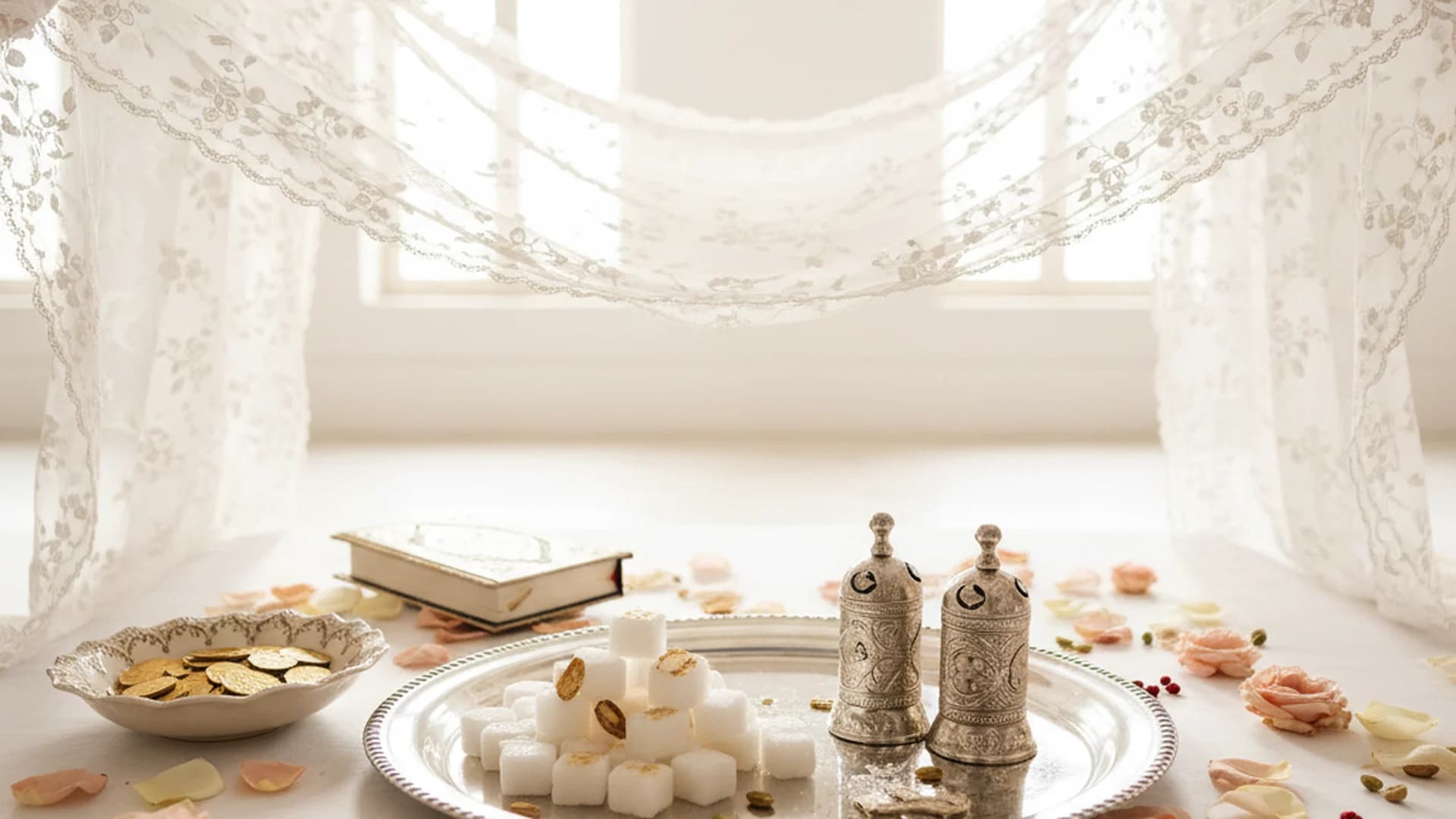
- Persian weddings are rooted in 3,000-year-old Zoroastrian culture rather than religion.
- The Sofreh Aghd is the central symbolic element of the wedding ceremony.
- Modern trends for 2025 focus on minimalist acrylic designs and Persian fusion cuisine.
Persian wedding traditions, collectively known as Aroosi, are a breathtaking blend of ancient Zoroastrian heritage and modern luxury. For over 3,000 years, these ceremonies have celebrated the union of two families through deep symbolism, opulent displays, and high-energy celebrations. Whether you are planning your own "Aroosi" or attending one as a guest, understanding the intricate rituals—from the delicate sugar grinding to the playful knife dance—is essential to appreciating the depth of this cultural milestone.
As a professional vow ghostwriter, I have seen how these traditions provide a soulful foundation for couples as they embark on their new life. While many modern weddings in the diaspora are condensed into a single day, they retain the legendary hospitality and grandeur that Persian culture is known for worldwide.
The Heart of the Ceremony: The Sofreh Aghd
The Aghd is the legal and ceremonial portion of the wedding, and its centerpiece is the Sofreh Aghd. This is a lavishly decorated "ceremonial spread" laid out on the floor or a low platform. The couple sits at the head of the spread, facing away from the guests and toward a mirror, which represents the light and the future.
Every item placed on the Sofreh is meticulously chosen for its symbolic meaning:
- Aayeneh (Mirror) and Shamdaan (Candlesticks): The mirror represents the reflection of the couple's future, while the candles symbolize energy and clarity.
- Naan-e Sangak (Flatbread): Often decorated with calligraphy or cinnamon, bread signifies prosperity for the couple’s life together.
- Aasal (Honey): Used at the end of the ceremony to sweeten the couple's journey.
- Khoncheh (Seven Herbs and Spices): These are included to guard against the "evil eye."
- Tokhmeh-Morgh (Eggs) and Joz & Baadaam (Nuts): These represent fertility and abundance.
Tip
The Rituals of the Aghd
Unlike some Western ceremonies, the Aghd is highly interactive. It is a time when the family participates directly in the blessing of the union.
The Sugar Grinding (Kalleh Ghand)
Perhaps the most iconic visual of a Persian wedding is the sugar grinding ritual. While the officiant speaks, happily married women from the family hold a fine silk or lace cloth over the couple’s heads. Two large sugar cones (Kalleh Ghand) are then rubbed together over the cloth, symbolically "showering" the bride and groom with sweetness.
The "Baleh" and the Vows
In a playful tradition, the officiant asks the bride for her consent to the marriage. To build anticipation, the bride remains silent the first two times she is asked. Guests often shout out excuses like, "The bride has gone to pick flowers!" or "The bride is bringing back rosewater!" Only on the third request does she say "Baleh" (Yes), usually after the groom’s family has promised a gift or "Mahrieh."
Do this
The Honey Ritual
Immediately after the vows are exchanged and the marriage is made official, the couple dips their pinky fingers into a bowl of honey and feeds it to one another. This act symbolizes that they will provide sweetness and sustenance to each other for the rest of their lives.
Note
The Reception: Jashn-e Aroosi
If the Aghd is about symbolism and solemnity, the reception (Jashn-e Aroosi) is about pure celebration. Persian receptions are famous for their high energy, abundance of food, and non-stop dancing.
The Knife Dance (Raghse Chaghoo)
Before the wedding cake can be cut, the couple must "earn" the knife. This is known as the Raghse Chaghoo. A female family member or bridesmaid takes the knife and begins to dance with it to upbeat Persian music. The groom must offer her money (tips) to get the knife back. She will often pass the knife to another dancer, continuing the game until the groom has paid enough to satisfy the dancers and finally claim the knife for the cake cutting.
The Persian Feast
Food is a cornerstone of Persian hospitality. A traditional wedding menu often includes:
- Zereshk Polo: Saffron rice with barberries.
- Fesenjan: A rich stew made from pomegranate molasses and ground walnuts.
- Tahdig: The coveted crispy rice from the bottom of the pot.
- Kebabs: Various grilled meats served with charred tomatoes.
Heads up
From the OurVows workspace
Planning a wedding is a lot. We make it feel like less.
Checklist, budget, guest list, and a wedding website — together in one free workspace built for both of you.
Modern Trends for 2025 and 2026
As we look toward the 2025-2026 wedding seasons, several exciting trends are emerging within the Persian community, blending tradition with contemporary luxury.
Minimalist and Acrylic Sofrehs
While the traditional Termeh (embroidered silk) is still beloved, many modern couples are opting for "Floating Sofrehs." These use clear acrylic stands and glass pedestals to make the symbolic items appear as if they are suspended in air. This creates a clean, airy aesthetic that works beautifully in modern hotel ballrooms or outdoor garden settings.
Jewel Tones and Emerald Accents
Moving away from the all-white weddings of the past decade, 2026 trends are leaning heavily into Emerald Green and Deep Sapphire. Emerald, in particular, is significant in Persian culture as it symbolizes growth, vitality, and paradise.
Wedding Content Creators
A new vendor category becoming essential for Persian weddings is the "Social Media Content Creator." Given the high energy of the Raghse Chaghoo and the intricate details of the Sofreh, couples are hiring specialists to capture "behind-the-scenes" vertical video specifically for TikTok and Instagram Reels, allowing the main videographer to focus on the cinematic feature film.
| Trend Feature | Traditional Approach | 2025/2026 Trend |
|---|---|---|
| Sofreh Style | Cloth-based (Termeh) | Acrylic/Floating |
| Color Palette | White and Gold | Jewel Tones |
| Menu Style | Standard Buffet | Persian Fusion |
| Photography | Traditional Video | Content Creators |
Common Mistakes to Avoid
Planning a Persian wedding requires balancing the expectations of traditional elders with the couple's modern vision. Here are the most common pitfalls to avoid:
- Obstructing the View: Many Sofreh designers use large floral arrangements. If these are too tall, your guests won't be able to see you during the ceremony. Ensure your "eye-line" remains clear so guests can witness the honey ritual and sugar grinding.
- Neglecting the Guest Experience: If you have many non-Persian guests, the Aghd can be confusing since it is conducted in Farsi. Provide a small program card at each seat that explains the meaning of the mirror, the sugar, and the "Baleh" ritual.
- Underestimating the Budget: With guest counts often exceeding 300, costs add up quickly. Using a Wedding Budget Calculator can help you stay on track, especially when factoring in the high-end catering and floral requirements of an Aroosi.
- The Small Dance Floor: As mentioned before, Persians dance more than almost any other culture. A cramped dance floor can dampen the energy of the reception.
Frequently asked questions
Is a Persian wedding ceremony religious?
What should I wear to a Persian wedding?
Do Persian couples have a gift registry?
How long does a Persian wedding last?
Conclusion
Persian wedding traditions are a masterclass in how to honor the past while celebrating the future. The deep symbolism of the Sofreh Aghd, combined with the joyous energy of the reception, creates an experience that is unforgettable for everyone involved. By understanding the meaning behind each ritual—from the sweet honey to the protective spices—you can create a celebration that is both visually stunning and emotionally resonant.
If you are currently navigating the complexities of planning a multi-cultural or traditional wedding, don't forget to leverage modern tools. Whether you're comparing Lebanese Wedding Traditions for a fusion event or using a Guest Count Calculator to manage your 500-person list, preparation is the key to a stress-free day.
Do this
Ready when you are
Planning your big day?
Use our suite of tools to organize your cultural celebration with ease.
Ready when you are
Plan your wedding without the chaos.
Free forever for couples just getting started. Two minutes to set up. No credit card.
Keep reading
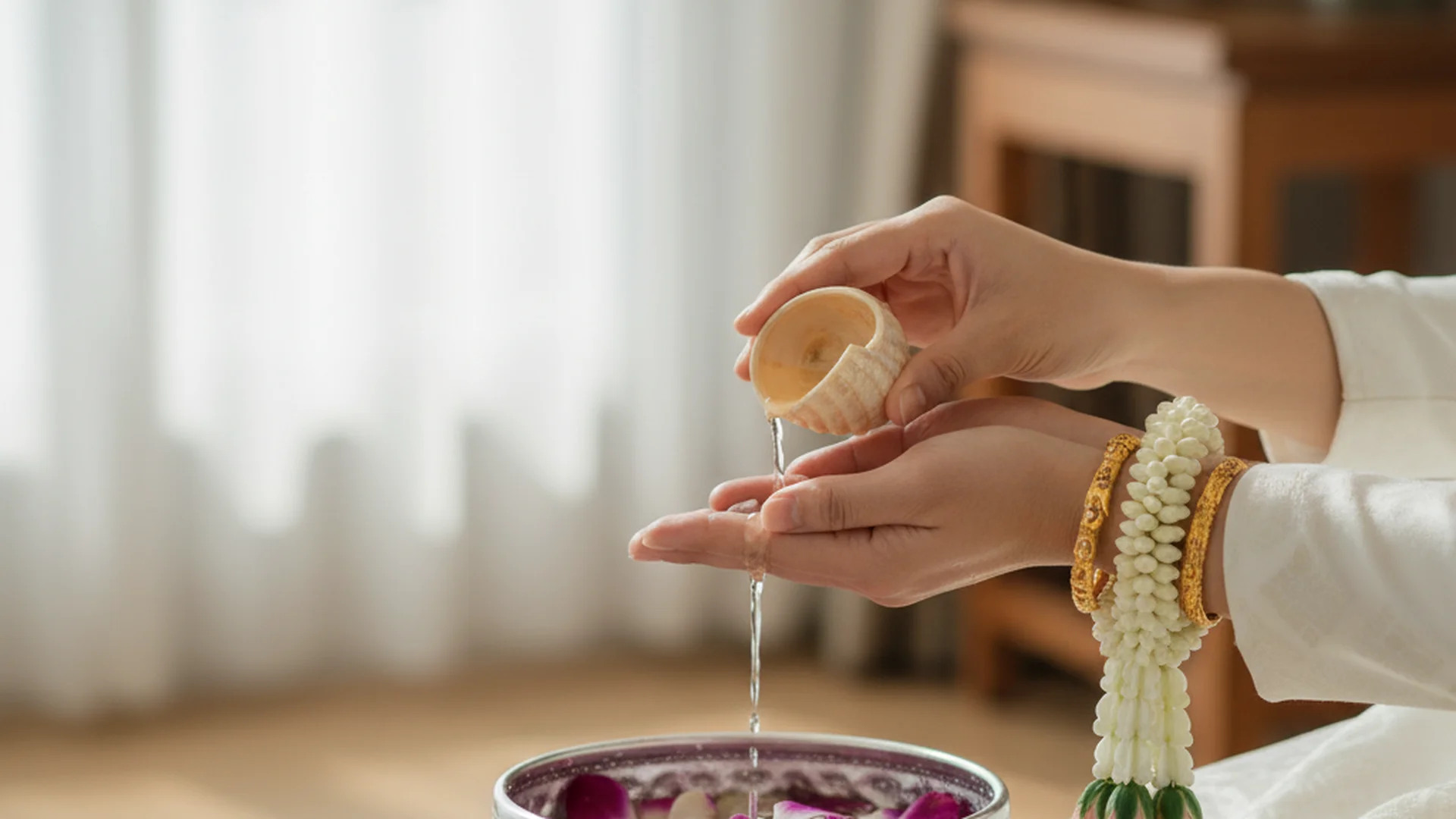
Thai Wedding Traditions: A Complete Guide to Rituals and Modern Trends
Discover the beauty of Thai wedding traditions, from the Khan Maak procession to 2025-2026 trends like sustainable merit-making and earthy terracotta palettes.
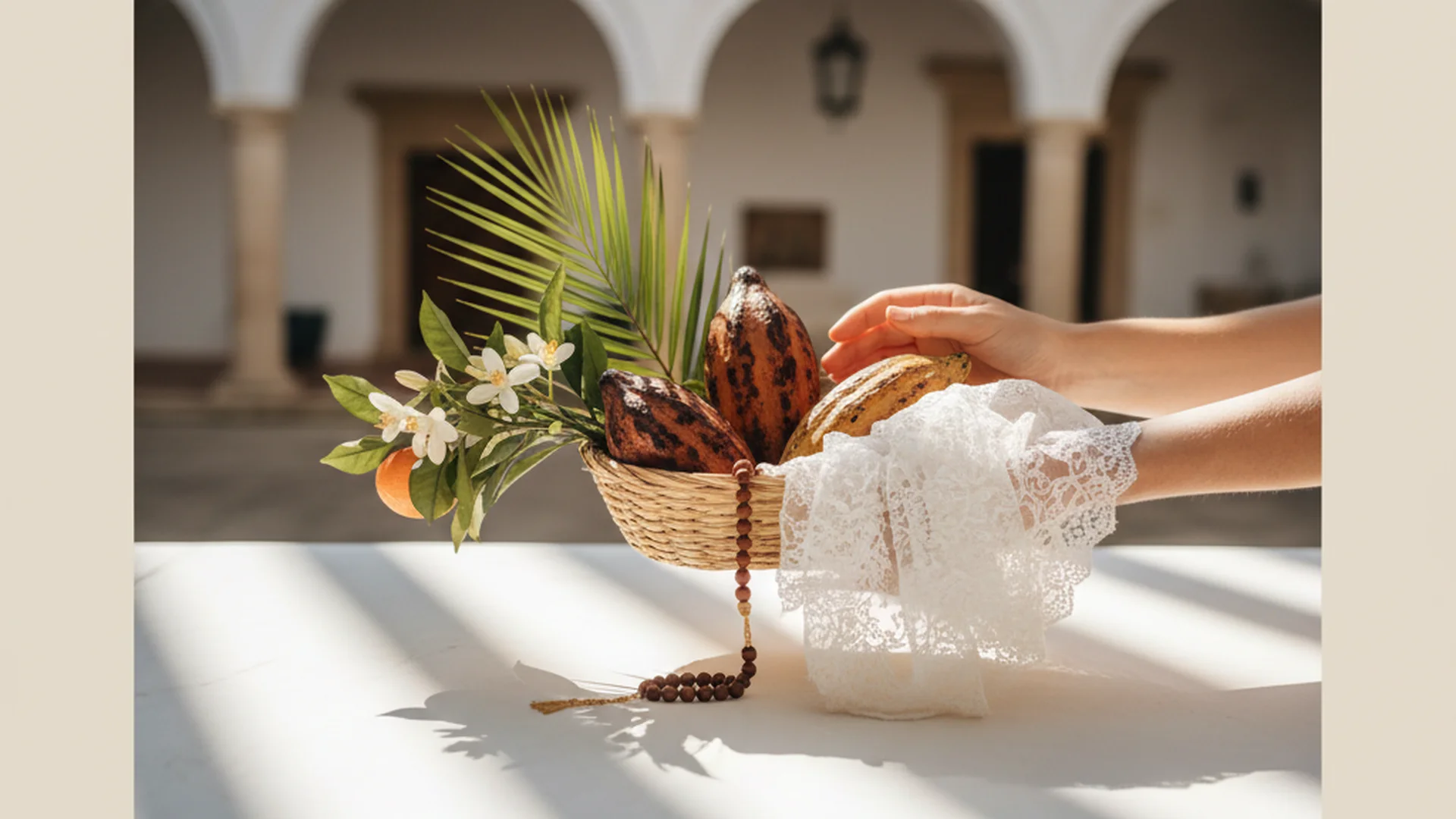
Dominican Wedding Traditions: A Guide to Island Heritage and Modern Trends
Explore vibrant Dominican wedding traditions, from the 13 gold coins (Las Arras) to the Hora Loca. Learn about costs, legalities, and 2025-2026 trends.
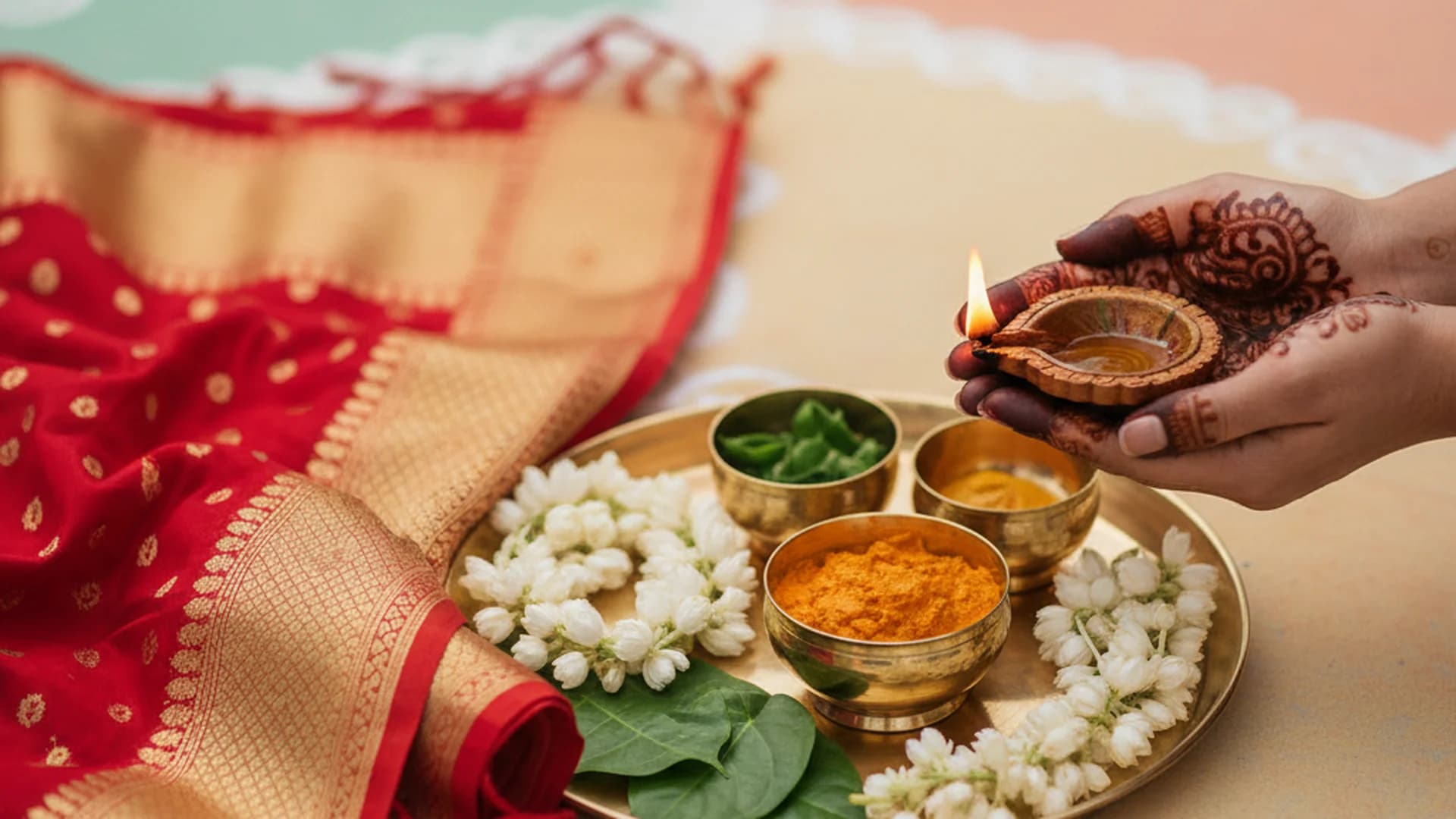
The Ultimate Guide to Bangladeshi Wedding Traditions: Rituals, Fashion, and 2025 Trends
Explore the vibrant world of Bangladeshi wedding traditions. From Gaye Holud rituals to 2025 pastel fashion trends and modern tech-integrated celebrations.