The Ultimate Guide to Moroccan Wedding Traditions: Rituals, Style, and Modern Trends
Discover the vibrant world of Moroccan wedding traditions. From the seven bridal outfits to the grand Amariya procession, explore rituals, costs, and 2025 trends.
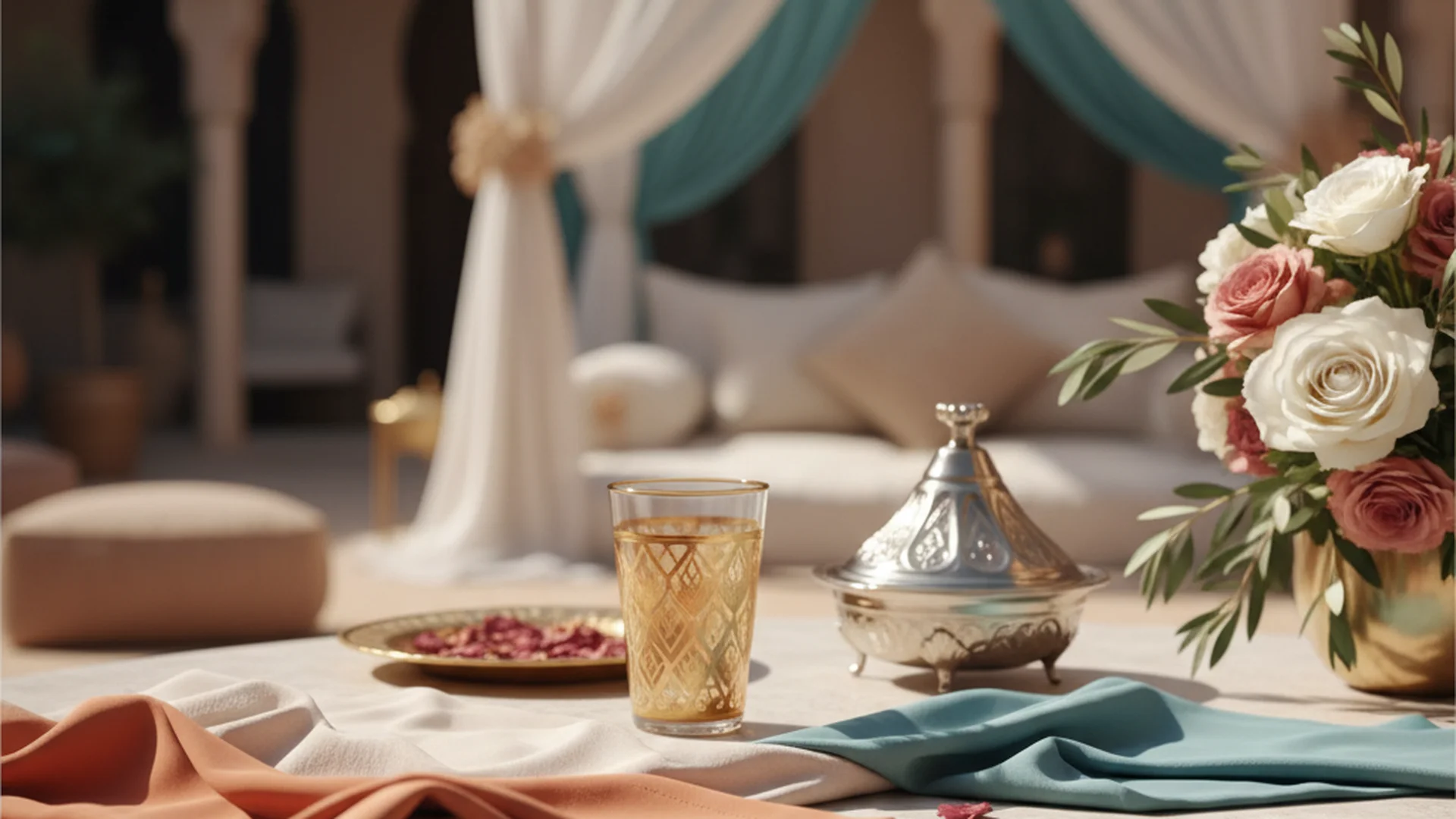
- Moroccan weddings are multi-day events emphasizing hospitality and community.
- The bride traditionally wears up to seven different outfits representing Moroccan regions.
- The Neggafa is the essential master of ceremonies and stylist for the bride.
- Modern trends for 2025 include social media content creators and architectural desert venues.
Moroccan wedding traditions are a vibrant tapestry of centuries-old rituals, intense symbolism, and lavish hospitality. To attend a Moroccan wedding is to step into a sensory masterpiece where the scent of orange blossoms mixes with the rhythm of the dakka marrakchia (traditional music). Whether you are a guest preparing for your first North African celebration or a couple planning a destination event in the heart of the Marrakech medina, understanding the cultural depth and modern evolution of these ceremonies is key.
As a relationship counselor, I often see how these ceremonies serve as the ultimate bridge between families. In Morocco, a wedding is not just a union of two individuals; it is a grand social contract that unites entire communities through shared meals, ancient blessings, and rhythmic dance.
The Evolution of the Moroccan Wedding Timeline
Historically, a Moroccan wedding was a marathon of celebration lasting seven full days. Each day had a specific purpose, from the ritual cleaning of the wheat for the wedding feast to the "day of the neighbors." In 2025, while the spirit remains the same, most modern families have condensed the festivities into a three-day schedule that fits the pace of contemporary life.
Day 1: The Ritual of Purification (The Hammam)
The journey begins at the Hammam (traditional Moroccan bath). The bride goes with her closest female relatives and friends for a ritual of purification. This isn't just about beauty; it is a spiritual transition. Using black soap, eucalyptus, and rose water, the "cleansing" symbolizes leaving her girlhood behind to enter womanhood.
Day 2: The Henna Ceremony
Perhaps the most visually iconic of Moroccan wedding traditions, the Henna ceremony (or Beberiska) is an intimate gathering of women. A professional artist applies intricate, lace-like designs to the bride’s hands and feet.
Note
Day 3: The Grand Reception
This is the main event guests attend. It is a night of high fashion, endless food, and the famous Amariya procession. Unlike Western weddings that might end by midnight, a Moroccan reception often doesn't hit its peak until the early hours of the morning.
The Role of the Neggafa: The Wedding Architect
You cannot discuss Moroccan wedding traditions without mentioning the Neggafa. She is far more than a wedding planner; she is the guardian of tradition, a master of ceremonies, and a high-end stylist all in one.
The Neggafa provides the traditional jewelry, the heavy ornate belts, and often the various Takchitas (dresses) the bride will wear. She and her assistants (the neggafates) are responsible for:
- Orchestrating the bride’s grand entrances.
- Ensuring the bride’s makeup and hair remain perfect during the many changes.
- Directing the movements of the Amariya.
- Chanting traditional blessings during the processions.
If you are planning a destination wedding, hiring an experienced Neggafa is non-negotiable for authenticity.
The Legendary Seven Outfits of the Bride
One of the most unique aspects of Moroccan wedding traditions is the bridal wardrobe. Traditionally, a bride would change into seven different outfits throughout the night. Each dress represents a different region or ethnic group in Morocco, showcasing the country’s diverse heritage.
- The Green Takchita: Usually worn during the Henna ceremony.
- The Lebsa Fasiya: A heavy, regal outfit from the city of Fes, often featuring a massive headpiece.
- The Lebsa R’batia: Representing the capital, Rabat, usually in blue or gold.
- The Saharawi Melhafa: Representing the Moroccan Sahara.
- The Soussia/Berber Outfit: Featuring colorful tribal jewelry and vibrant embroidery from the Atlas Mountains.
- The Chamalia: Hailing from the north (Tangier/Chefchaouen).
- The White Kaftan: The final look, often more modern, used for the cake cutting.
Tip
Key Rituals: The Amariya and the Drib Sdak
The Amariya Procession
Imagine the bride and groom being hoisted into the air on ornate, roofed platforms (the Amariya). Four men carry each platform on their shoulders, parading the couple around the room to the sound of trumpets and drums. This ritual ensures every guest can see the couple and symbolizes their elevated status on their wedding night.
The Drib Sdak (The Legal Union)
A common misconception is that the big party is where the marriage happens. In reality, the Drib Sdak—the signing of the marriage contract in the presence of an Adoul (religious notary)—usually occurs days or even weeks before the celebration. Similar to the rituals discussed in our guide on Ghanaian Wedding Traditions, the legal and spiritual bonding is often a separate, more private family affair.
From the OurVows workspace
Planning a wedding is a lot. We make it feel like less.
Checklist, budget, guest list, and a wedding website — together in one free workspace built for both of you.
Planning Logistics and Real-World Costs
Planning a Moroccan wedding requires a deep understanding of scale. Even a "small" wedding typically sees 150 to 300 guests. If you are looking to manage a specific budget, such as a $20000 Wedding Budget, you will need to prioritize your spending between the venue and the caterer.
| Expense Category | Local Wedding (Est. MAD) | Destination Wedding (Est. USD) |
|---|---|---|
| Venue Rental | 30,000 - 70,000 | $5,000 - $15,000 |
| Neggafa Services | 10,000 - 30,000 | $2,000 - $5,000 |
| Catering (per guest) | 400 - 800 | $100 - $250 |
| Music/Dakka | 5,000 - 15,000 | $1,500 - $3,000 |
Do this
2025-2026 Trends in Moroccan Weddings
As we move into 2025, Moroccan wedding traditions are blending with global luxury trends.
- The Wedding Content Creator: Couples are now hiring dedicated social media creators to capture "behind-the-scenes" reels in real-time. This allows guests to keep their phones away while the couple gets instant social content.
- Minimalist Caftans: Moving away from heavy, stiff velvet, 2026 bridal trends show a shift toward lightweight silks and minimal embroidery, allowing the bride more mobility.
- Architectural Venues: While traditional Riads remain popular, there is a massive surge in weddings held in Agafay desert camps or minimalist, brutalist-style villas in the Marrakech Palmeraie.
- Sustainable "Farm-to-Table" Florals: Instead of importing European roses, couples are using native bougainvillea, olive branches, and orange blossoms.
Tip
Common Mistakes to Avoid
- Arriving "On Time": If the invitation says 8:00 PM, arriving then will likely find you in an empty hall. Most guests arrive around 9:30 PM.
- Underestimating the Heat: Even in the "fall," wedding halls with 400 people can become incredibly hot. Provide traditional hand-fans as wedding favors to keep guests comfortable.
- Missing the Food Pacing: Dinner is often served at 1:00 AM or 2:00 AM. If you are a guest, eat a small snack before you arrive so you aren't famished by midnight.
- Neglecting the "Full Buyout": If you are booking a Riad for a destination wedding, always do a full buyout. This ensures privacy and prevents noise complaints during the dawn-reaching celebrations.
Heads up
Frequently asked questions
What is a Neggafa?
Do I need a gift for a Moroccan wedding?
What should I wear as a guest?
Is the food always the same?
How long does the ceremony last?
Conclusion
Moroccan wedding traditions offer a profound look into a culture that values family, heritage, and the art of celebration. From the intricate henna patterns that offer protection to the high-flying Amariya that celebrates the couple’s new status, every element is intentional. Whether you are comparing these rituals to Brazilian Wedding Traditions or planning your own North African gala, the focus remains on "Baraka"—the divine blessing that marks the start of a new life together.
Do this
Ready when you are
Plan Your Global Celebration
Explore more cultural wedding guides and planning tools.
Ready when you are
Plan your wedding without the chaos.
Free forever for couples just getting started. Two minutes to set up. No credit card.
Keep reading
Thai Wedding Traditions: A Complete Guide to Rituals and Modern Trends
Discover the beauty of Thai wedding traditions, from the Khan Maak procession to 2025-2026 trends like sustainable merit-making and earthy terracotta palettes.
Dominican Wedding Traditions: A Guide to Island Heritage and Modern Trends
Explore vibrant Dominican wedding traditions, from the 13 gold coins (Las Arras) to the Hora Loca. Learn about costs, legalities, and 2025-2026 trends.
The Ultimate Guide to Bangladeshi Wedding Traditions: Rituals, Fashion, and 2025 Trends
Explore the vibrant world of Bangladeshi wedding traditions. From Gaye Holud rituals to 2025 pastel fashion trends and modern tech-integrated celebrations.