The Ultimate Guide to Ghanaian Wedding Traditions: Rituals, Costs, and Trends
Explore the vibrant world of Ghanaian wedding traditions. From the Kokooko (knocking) to modern 2025 trends, learn how families unite in this cultural celebration.
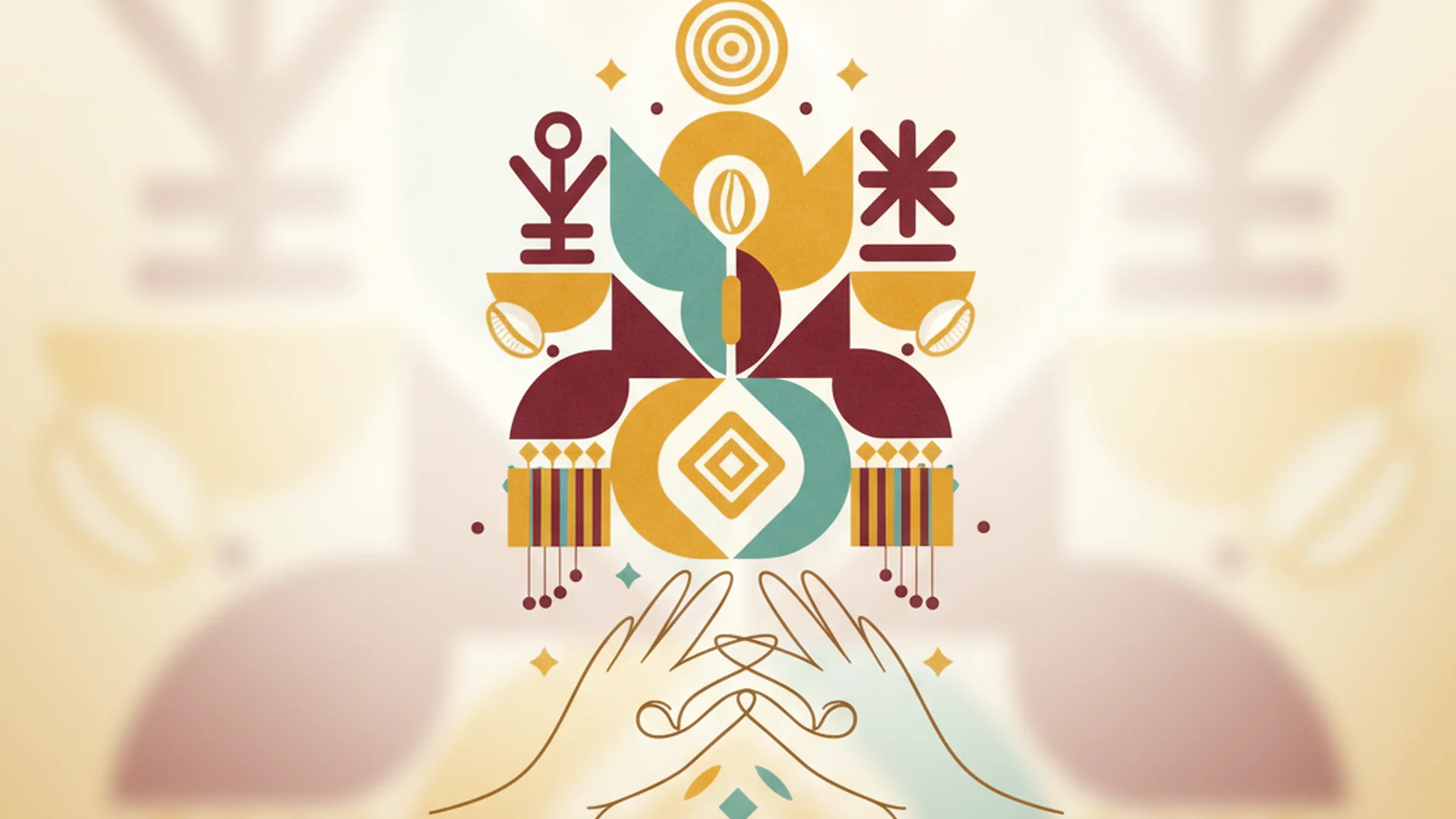
- The traditional engagement is the legal and cultural foundation of a Ghanaian marriage.
- The "Knocking" ceremony (Kokooko) is the vital first step of formal introduction.
- Modern trends for 2025 emphasize "minimalist elegance" and high-tech family interactions.
In the heart of West Africa, marriage is far more than a contract between two people; it is the sacred weaving together of two entire family trees. Ghanaian wedding traditions are world-renowned for their explosion of color, rhythmic music, and deeply symbolic rituals that have been passed down through generations. Whether you are planning your own "big day," attending as a guest, or simply a student of global cultures, understanding the nuances of a Ghanaian union reveals a beautiful story of respect, community, and joy.
As a professional vow ghostwriter, I often see couples struggle to balance these ancient customs with their personal modern narratives. In Ghana, the ceremony is a masterclass in public speaking and negotiation, where every word spoken by family elders carries the weight of history.
The Foundation: Kokooko (The Knocking Ceremony)
Before a single guest is invited or a venue is booked, the "Knocking" ceremony, known locally as Kokooko, must take place. This is the official introduction where the groom’s family visits the bride’s family to announce their intentions.
The term "Kokooko" mimics the sound of someone knocking on a door. In traditional Ghanaian culture, you do not simply enter a home unannounced, and you certainly do not take a daughter from a home without formal permission. During this ceremony, the groom’s family presents gifts—typically a bottle of Schnapps or palm wine and a small amount of cash—to the bride's father and elders.
Tip
The Role of the Linguist (Okyeame)
One of the most fascinating aspects of Ghanaian wedding traditions is the use of an Okyeame, or family spokesperson. Neither the groom nor the bride typically speaks for themselves during these negotiations. Instead, a skilled orator from each family handles the dialogue. This spokesperson must be well-versed in proverbs, wit, and cultural etiquette to ensure the negotiations proceed smoothly and respectfully.
The Traditional Engagement (The "Real" Wedding)
In many Western cultures, the "White Wedding" is seen as the main event. However, in Ghana, the Traditional Engagement is the legal and cultural foundation of the marriage. Once the traditional rites are completed, the couple is considered married in the eyes of the community and the law.
The "List" and the Bride Price
Following a successful knocking, the bride’s family provides the groom with a "list." This is not a shopping list in the modern sense, but a symbolic collection of items required to seal the union.
Common items on the list include:
- Several yards of high-quality Kente cloth.
- Jewelry (often gold).
- A Bible or Quran (depending on faith).
- New suitcases filled with clothing for the bride.
- "Tiri Nasa" (Head drinks like Schnapps).
- Cash for various family members (including the mother, father, and brothers).
Heads up
Akonta Sekan: Honoring the Brothers
A unique sub-tradition within the engagement is the Akonta Sekan. This is a specific fee paid to the bride’s brothers. Culturally, it serves as a "thank you" to the brothers for protecting their sister throughout her life and a symbolic gesture to allow the groom to take over that protective role.
The Consent Ritual: The "Three Questions"
The emotional climax of the traditional ceremony is the Consent Ritual. Even though the families have agreed and the gifts have been presented, the bride holds the final power.
Her father or a senior elder will call her into the room and show her the gifts provided by the groom. He will then ask her three times: "Do you agree that we should accept these gifts and give you to this man in marriage?"
Only after she says "Yes" for the third time are the gifts officially accepted, and the celebration begins. This ritual ensures that the union is entirely consensual and that the bride is entering the marriage of her own free will.
Note
Planning and Logistics: What to Expect
If you are planning a Ghanaian wedding in 2025 or 2026, the logistics can be daunting. Much like Ethiopian Wedding Traditions, the guest list is often much larger than anticipated because these are communal events where "gate-crashing" is culturally accepted.
| Component | Traditional Ceremony | White Wedding |
|---|---|---|
| Duration | 3–5 Hours | 2 Hours (Service) + 6+ Hours (Reception) |
| Primary Attire | Kente / African Prints | Suits / Gowns |
| Cost (Est. 2025) | GHS 4,000 – 10,000 | GHS 15,000 – 60,000+ |
| Legal Status | Legally Binding | Religious/Secular Recognition |
Managing the Guest List
Because Ghanaian weddings are so community-focused, it is common for neighbors, distant cousins, and friends of friends to attend. If you are working with a strict budget, use the (Marketing) - Tools - Guest Count Calculator to get a realistic idea of your catering needs.
Do this
From the OurVows workspace
Planning a wedding is a lot. We make it feel like less.
Checklist, budget, guest list, and a wedding website — together in one free workspace built for both of you.
Modern Trends for 2025 and 2026
As we look toward the 2025-2026 wedding seasons, Ghanaian wedding traditions are evolving to blend heritage with modern luxury and global influences.
1. Minimalist Elegance
While Ghanaian weddings are known for maximalism, a "clean girl" aesthetic is trending for 2025. This includes neutral color palettes for decor, sleek silk gowns for the white wedding, and sustainable, locally sourced floral arrangements.
2. Detachable Gowns and 2-in-1 Looks
For the "White Wedding," brides are increasingly opting for detachable trains or overskirts. This allows them to have a regal, princess-style look for the church ceremony and a sleek, dance-ready outfit for the reception without needing a full wardrobe change.
3. Beaded Kente
Traditional Kente is being reimagined. Instead of simple woven patterns, 2025 brides are requesting Kente heavily embellished with crystals, 3D floral appliqués, and intricate beadwork. This adds a layer of haute couture to the traditional garment.
4. Digital In-Law Interactions
With the Ghanaian diaspora spread across the globe, "Knocking" ceremonies are increasingly being held via high-quality live streams. Gifts are often sent via Mobile Money (MoMo) or international transfer apps, proving that tradition can adapt to the digital age.
Tip
Common Mistakes to Avoid
Even with the best intentions, it is easy to make a cultural faux pas when navigating Ghanaian wedding traditions.
- Treating the Traditional Marriage as a Rehearsal: Never assume the "White Wedding" is the "real" one. For the elders and the law, the traditional rites are the most significant.
- Ignoring Tribal Differences: While many rites are similar, the traditions of an Ashanti bride differ from those of a Ga or Ewe bride. For example, some tribes place more emphasis on specific types of beads or specific types of traditional drinks.
- Underestimating Food Logistics: Food is the heart of the celebration. Running out of Jollof rice, Waakye, or fried plantains is considered a major social failure.
- Misunderstanding the Bride Price: The gifts are not "buying" the bride. They are a symbolic gesture of appreciation to the parents and a demonstration of the groom's financial responsibility.
Heads up
Guest Etiquette: What You Should Know
If you’ve been invited to a Ghanaian wedding, you’re in for a treat! However, there are a few rules of thumb to follow:
- Dress Code: Wear bright colors! While many guests wear Kente, any vibrant African print is welcomed. For women, a kaba and slit (top and skirt) is the traditional go-to.
- Money Spraying: It is common for guests to "spray" money on the couple while they dance. This involves placing small bills on the forehead of the bride or groom, which then fall to the ground to be collected by designated family members.
- Gift Giving: While physical gifts are welcome, cash is often the most appreciated gift to help the couple start their new life.
If you are looking for more inspiration from similar cultures, you might enjoy our guide on Jamaican Wedding Traditions.
Frequently asked questions
What should I wear as a guest to a Ghanaian wedding?
How long does a Ghanaian wedding last?
Is the bride price mandatory?
What is "Akonta Sekan"?
Can I have a Ghanaian wedding on a budget?
Conclusion
Ghanaian wedding traditions are a masterclass in balancing the old with the new. They remind us that marriage isn't just a personal milestone, but a community celebration that honors ancestors, respects parents, and looks forward to the future. Whether it’s the vibrant Kente cloth, the witty negotiations of the linguists, or the joyful "spraying" of money on the dance floor, these customs create memories that last a lifetime.
If you are struggling to find the right words to honor these traditions in your vows, my (Marketing) - Tools - Wedding Vow Writer can help you blend your personal love story with the rich cultural heritage of Ghana.
Do this
Ready when you are
Plan Your Dream Wedding
Use our suite of tools to organize your cultural celebration with ease.
Ready when you are
Plan your wedding without the chaos.
Free forever for couples just getting started. Two minutes to set up. No credit card.
Keep reading
The Ultimate Guide to Jamaican Wedding Traditions: A Blend of Heritage and Island Elegance
Explore the vibrant world of Jamaican wedding traditions. From the legendary Black Rum Cake to 2025 trends, discover how to plan a meaningful island celebration.
Thai Wedding Traditions: A Complete Guide to Rituals and Modern Trends
Discover the beauty of Thai wedding traditions, from the Khan Maak procession to 2025-2026 trends like sustainable merit-making and earthy terracotta palettes.
Dominican Wedding Traditions: A Guide to Island Heritage and Modern Trends
Explore vibrant Dominican wedding traditions, from the 13 gold coins (Las Arras) to the Hora Loca. Learn about costs, legalities, and 2025-2026 trends.