The Ultimate Guide to Diamond Wedding Bands: Trends, Tips, and Timeless Styles for 2025
Discover the latest trends in diamond wedding bands for 2025. Learn about lab-grown diamonds, setting styles, metal durability, and how to avoid common mistakes.
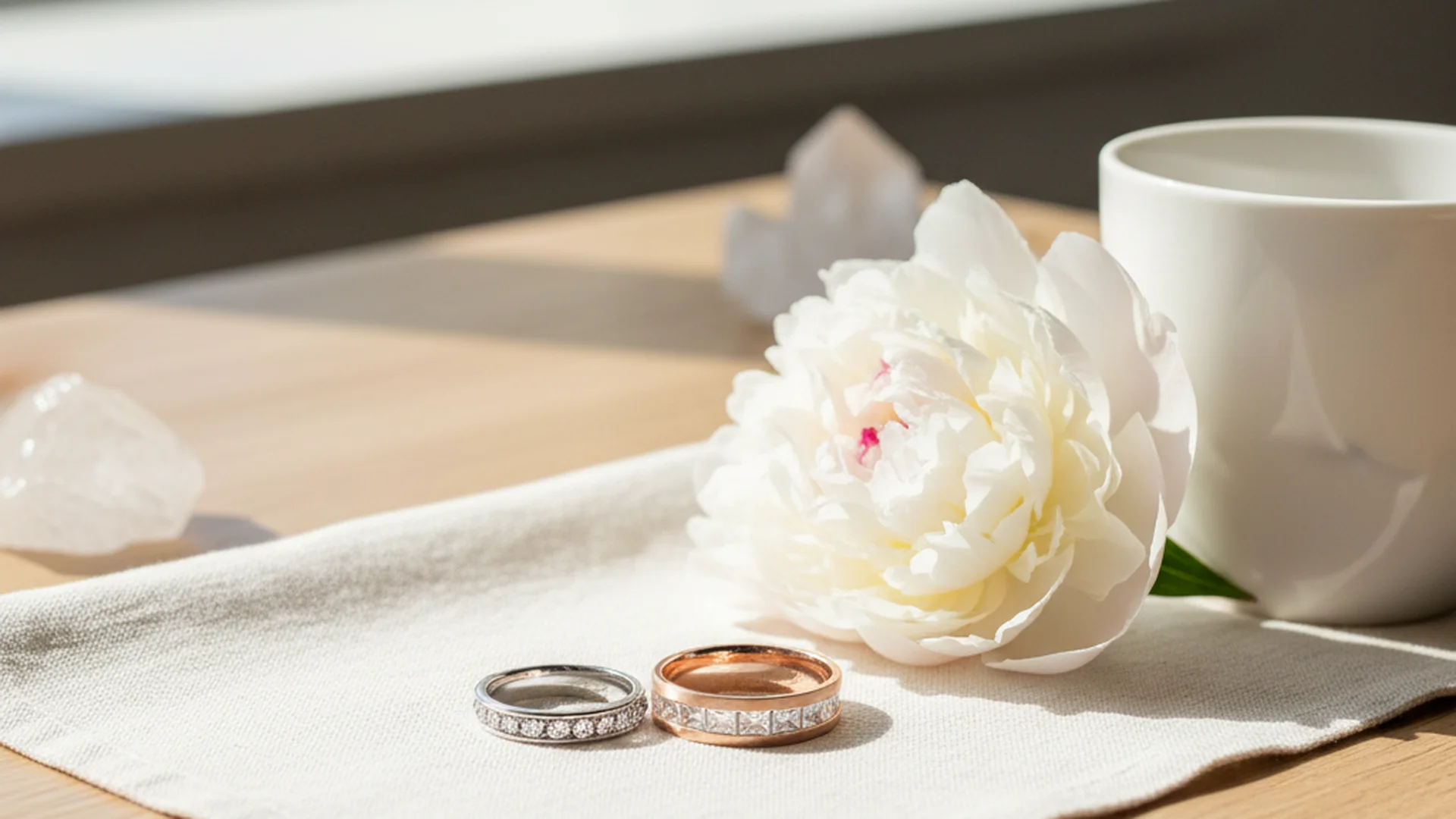
- Lab-grown diamonds are set to capture 50% of the market by 2030, offering identical quality for less.
- Prioritize 'Comfort Fit' and metal hardness matching for long-term wearability.
- Modern trends favor individuality, including mixed diamond shapes and chunky 'cigar' bands.
For many couples, the search for the perfect diamond wedding bands is just as significant as the search for the engagement ring itself. While the engagement ring often acts as the "opening act" of your lifetime together, the wedding band is the constant—the piece that stays with you through every anniversary, every milestone, and every mundane Tuesday. As we look toward the 2025 and 2026 wedding seasons, the landscape of bridal jewelry is shifting away from rigid tradition and moving toward a world of "quiet luxury" and bold personalization.
Choosing a band isn't just about finding something that sparkles; it’s about finding a piece that complements your Engagement Ring Guide choices while standing strong as a solo statement. Whether you are drawn to the classic shimmer of a round brilliant pavé or the architectural intrigue of a modern East-West setting, understanding the mechanics and market of these rings is essential.
The Evolving Landscape of Diamond Wedding Bands
The wedding jewelry market is undergoing a massive transformation. In 2025, we are seeing a significant shift in how couples approach their investments. Sustainability is no longer a niche concern; it is a primary driver for the modern shopper. This has led to a surge in the popularity of lab-grown diamonds, which are expected to capture half of the global diamond jewelry market within the next five years.
Currently, lab-grown options account for over 30% of sales in the United States. This is largely because they offer a 30-40% price advantage over mined stones, allowing couples to opt for higher carat weights or more intricate designs within the same budget. Furthermore, because lab-grown stones are chemically and physically identical to mined diamonds, the "quality" trade-off is virtually non-existent.
Note
Choosing the Right Setting for Your Lifestyle
When selecting diamond wedding bands, the setting style dictates both the aesthetic and the durability of the ring. It is easy to get swept up in the sparkle, but as someone who helps couples articulate their forever promises, I always remind my clients that their jewelry needs to survive the "forever" part of that promise.
Eternity vs. Half-Eternity Bands
The eternity band—a continuous circle of diamonds—is the ultimate symbol of never-ending love. However, it comes with practical considerations.
- Full Eternity: Diamonds go 360 degrees around the finger. They offer maximum sparkle from every angle but are notoriously difficult, if not impossible, to resize. They are also more susceptible to damage on the palm side of the hand.
- Half-Eternity: Diamonds cover the top half or three-quarters of the band. This style allows for easy resizing and protects the metal on the bottom of the ring from the wear and tear of daily activities like driving or lifting weights.
Setting Durability
If you lead an active lifestyle, the way your diamonds are "held" in the metal matters immensely.
- Channel Setting: Diamonds are set between two walls of metal. This is one of the most secure options as it protects the edges of the stones.
- Bezel Setting: Metal completely surrounds the rim of the diamond. This is a top choice for 2025 for those seeking a sleek, modern look that won't snag on clothing.
- Pavé and Micro-Pavé: These use tiny prongs to hold small diamonds close together. While stunning, they require more frequent check-ups to ensure stones haven't been knocked loose.
Tip
Aesthetic Harmony: Matching the Engagement Ring
One of the most common questions I receive is whether the wedding band must "match" the engagement ring. In 2025, the answer is a resounding no—but they should "harmonize."
The "Gap" Decision
Some couples prefer their rings to sit perfectly flush, with no space between them. If your engagement ring has a low-set center stone, a straight diamond wedding band will likely create a gap. To avoid this, you may need a contoured (curved) or v-shaped chevron band that wraps around the center stone. If you aren't sure which cut you have, check out our guide on Engagement Ring Cuts for visual references.
Metal Hardness and Color
Mixing metals—such as pairing a rose gold band with a platinum engagement ring—is a major trend. However, you must be careful about metal hardness.
| Metal Type | Durability | Maintenance Level |
|---|---|---|
| Platinum | Very High | Low (Develops Patina) |
| 14k Gold | High | Medium (Requires Polishing) |
| 18k Gold | Medium | Medium (Softer than 14k) |
| White Gold | High | High (Requires Rhodium Replating) |
Heads up
Top Trends for 2025 and 2026
The upcoming years are defined by a move away from the "whisper thin" bands of the late 2010s. Instead, we are seeing a return to substance and unique textures.
Chunky "Cigar" Bands
Wide gold bands (5mm or more) are making a massive comeback. These aren't just plain gold, though. The 2025 version features "scattered" or "star-set" diamonds—small stones embedded directly into the thick metal like stars in the sky. This look is bold, comfortable, and incredibly durable.
Mixed Diamond Shapes
Why settle for one shape? Trendy diamond wedding bands now feature alternating patterns. Imagine an emerald-cut diamond followed by two round brilliants, repeating around the band. This creates a "rhythmic" texture that feels more custom and high-end than a standard round pavé band.
East-West Settings
For those who love fancy shapes like marquise, oval, or emerald cuts, the "East-West" setting is the way to go. By setting the diamonds horizontally rather than vertically, the band gains a modern, architectural feel that elongates the appearance of the hand.
Hidden Sparkle and Vintage Revival
"Secret" diamonds set on the side profile of the band or the inside of the shank are becoming a popular way to add a personal touch. Simultaneously, we are seeing a revival of vintage details like milgrain edges and "Old Mine" cuts, which provide a softer glow compared to the high-octane brilliance of modern cuts.
From the OurVows workspace
Ring sorted — now the wedding.
Set a realistic budget and a checklist that knows what's next, all in one free workspace.
Real-World Examples of Modern Diamond Bands
To help you visualize these choices, here are three common ways couples are styling their diamond wedding bands today:
- The "Power Stack": A bride with a simple solitaire engagement ring pairs it with two different diamond bands—one a chunky 18k gold "cigar" band with scattered diamonds, and the other a thin, eternity-style baguette band.
- The Architectural Set: An emerald-cut engagement ring is paired with an East-West baguette diamond band in platinum. The clean lines of both rings create a sophisticated, "quiet luxury" aesthetic.
- The Romantic Heirloom: A round brilliant engagement ring is paired with a contoured diamond band featuring milgrain detailing and pear-shaped diamonds, giving a brand-new ring a "vintage" feel.
Do this
Common Mistakes to Avoid
Buying diamond wedding bands is a significant investment, both financially and emotionally. Avoid these common pitfalls:
Mistake 1: Choosing an Eternity Band if You Plan to Resize
As mentioned, full eternity bands are almost impossible to resize because there is no plain metal to work with. If you are planning on starting a family (which can change finger size) or simply want the flexibility for the future, a 3/4 or half-eternity band is a much smarter choice.
Mistake 2: Buying the Band Too Late
Many couples assume they can walk into a store and leave with a band a week before the wedding. However, custom bands—especially contoured ones designed to fit your specific engagement ring—can take 4 to 8 weeks to manufacture. Aim to have your bands secured at least two months before the big day. You can track this using a 12 Month Wedding Planning Checklist.
Mistake 3: Not Matching Diamond Quality
The small diamonds in a wedding band (called "melee") should roughly match the color and clarity of your engagement ring's center stone. If your center stone is a very high color grade (D-E-F) and your band has lower-grade stones, the band may look slightly yellow or "cloudy" by comparison.
Mistake 4: Neglecting Maintenance
Even the most durable diamond wedding bands need care. Over time, lotion, soap, and skin oils will dull the sparkle. Consult an Engagement Ring Cleaning Guide to keep your set looking brand new.
Frequently asked questions
What is the difference between a wedding ring and a wedding band?
Should my wedding band match my partner’s?
Can I wear a diamond eternity band every day?
Does the metal have to match my engagement ring?
Final Thoughts
Your diamond wedding band is more than just a piece of jewelry; it is a physical representation of the vows you will speak on your wedding day. As a vow ghostwriter, I often tell my clients that the ring is the "period" at the end of the sentence—the final, beautiful seal on the promises you’ve made.
Take the time to consider how your band fits your life, your budget, and your aesthetic. Whether you choose a lab-grown eternity ring or a vintage-inspired gold band, the most important factor is that it feels like you.
Ready when you are
Ready to Start?
Use our tools to plan your perfect day and write vows as beautiful as your rings.
Ready when you are
Plan your wedding without the chaos.
Free forever for couples just getting started. Two minutes to set up. No credit card.
Keep reading
The Ultimate Guide to Engagement Ring Insurance: Protecting Your Symbol of Love
Protect your investment with our comprehensive guide to engagement ring insurance. Learn about costs, 2025 trends, coverage types, and how to avoid common pitfalls.
2025-2026 Guide to Engagement Ring Styles: Trends, Costs, and Expert Tips
Explore the top engagement ring styles for 2025-2026. From lab-grown diamond trends to vintage revivals and yellow gold's comeback, find your perfect ring.
The Ultimate Mens Wedding Band Guide: Metals, Styles, and 2025 Trends
Discover the perfect ring with our comprehensive Mens Wedding Band Guide. Explore top metals, 2025 trends like meteorite inlays, and expert tips on fit and sizing.