The Ultimate Guide to Titanium Wedding Bands: Durability Meets Modern Style
Discover why titanium wedding bands are the top choice for 2025-2026. Learn about their durability, hypoallergenic properties, and the latest design trends.
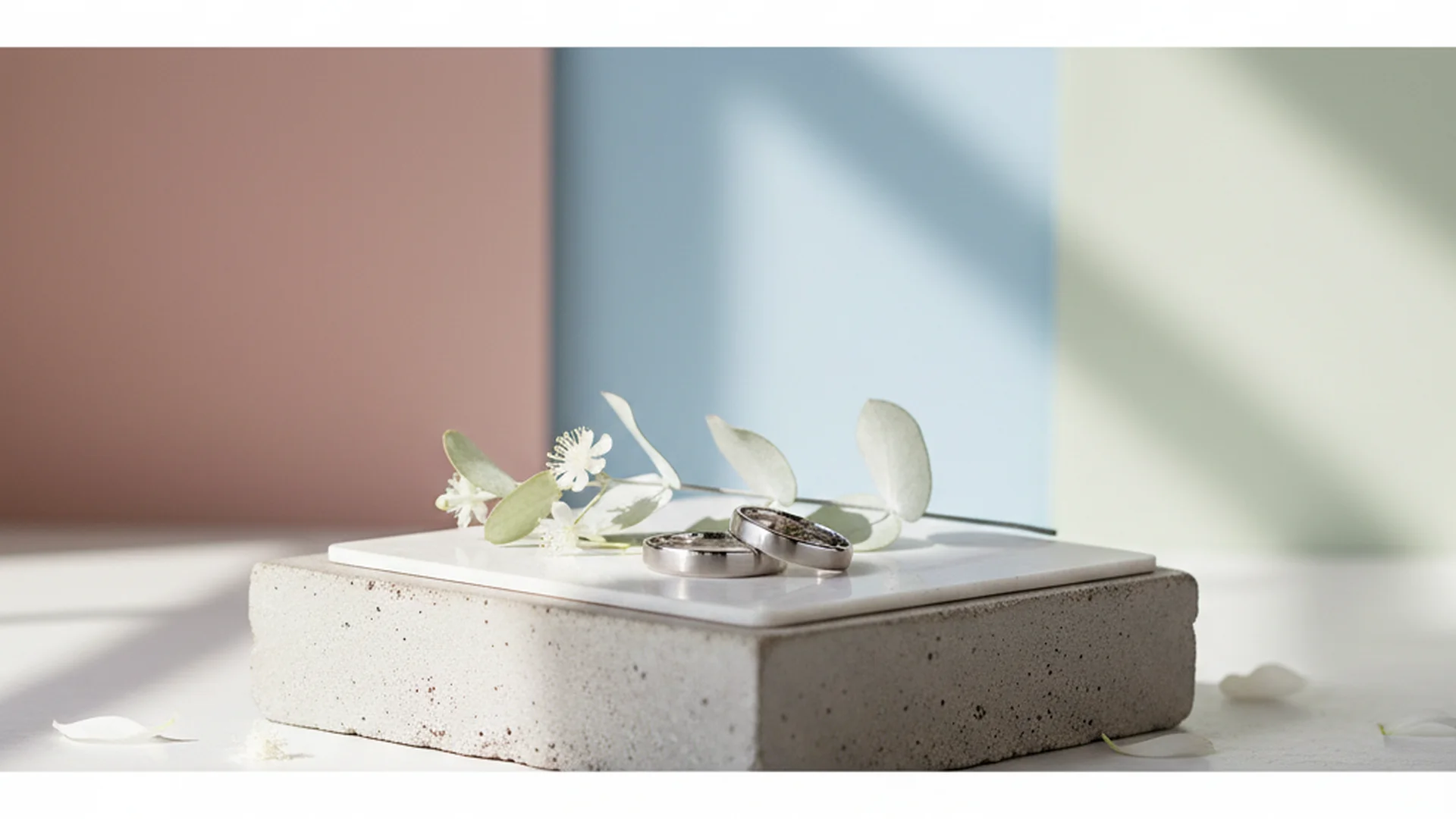
- Titanium is 45% lighter than steel but offers incredible strength.
- It is 100% hypoallergenic, making it ideal for those with metal sensitivities.
- Modern designs for 2026 include mixed-metal inlays and architectural silhouettes.
In my years as an interfaith wedding officiant and ceremony designer, I have witnessed thousands of ring exchanges. While gold and platinum once dominated the altar, a significant shift has occurred over the last few seasons. Modern couples are increasingly prioritizing longevity, comfort, and ethical sourcing. This has led to the meteoric rise of titanium wedding bands as a premier choice for those seeking a balance between industrial strength and contemporary elegance.
Titanium is no longer just a metal for aerospace engineering; it has become a staple in the Engagement Ring Guide for couples who live active lifestyles. Whether you are a weekend hiker, a manual professional, or someone who simply appreciates the sleek, silver-grey aesthetic of modern metallurgy, titanium offers benefits that traditional precious metals simply cannot match.
Why Titanium is Dominating the 2025-2026 Market
The global titanium jewelry market was valued at $2.1 billion in 2024 and is projected to reach $3.4 billion by 2032. This surge isn’t just about aesthetics—it’s driven by economic reality. As we move through 2025, gold prices remain at historic highs. While a standard gold band can easily exceed $1,500, a high-quality titanium band typically sits between $200 and $500, allowing couples to allocate more of their wedding budget toward the ceremony or honeymoon.
The Strength-to-Weight Advantage
One of the first things couples notice when they pick up a titanium ring is the weight. It is famously light—approximately 45% lighter than stainless steel. For many grooms and brides who aren't used to wearing jewelry, the "heaviness" of a platinum or gold ring can be distracting. Titanium offers a "barely-there" feel while being one of the toughest natural metals on Earth.
Biocompatibility and Safety
As a ceremony designer, I often work with couples who have never worn rings before and are concerned about skin irritation. Pure titanium is 100% hypoallergenic. It is the same material used in surgical implants and dental work. If you have a nickel allergy or find that gold causes your skin to itch, titanium is the safest choice available in the modern market.
Do this
Understanding the Grades: Commercial vs. Aircraft
Not all titanium wedding bands are created equal. When shopping, you will likely encounter two primary grades of the metal. Understanding the difference is crucial for long-term satisfaction.
Grade 2: Commercially Pure Titanium
Grade 2 is the most common form of titanium used in jewelry. It is "ductile," meaning it is slightly more flexible than its alloyed counterparts.
- Pros: Easier to work with for jewelers; can often be slightly resized by milling the interior.
- Cons: Slightly more prone to surface scratches than Grade 5.
Grade 5: Aircraft Grade (6Al-4V)
This is an alloy consisting of titanium, aluminum, and vanadium. It is the gold standard for aerospace and high-performance racing.
- Pros: Significantly harder and more scratch-resistant than Grade 2. It maintains its polish for much longer.
- Cons: It is nearly impossible to resize. Once it is cast and hardened, its shape is permanent.
| Feature | Grade 2 (CP) | Grade 5 (Aircraft) |
|---|---|---|
| Hardness | Moderate | High |
| Resizing | Possible (limited) | Virtually Impossible |
| Weight | Ultra-light | Ultra-light |
| Cost | Affordable | Slightly Higher |
2025-2026 Design Trends: Mixed-Metal Magic and Textures
We are seeing a move away from the plain, high-polish bands of the early 2000s. Today’s couples want texture and "architectural" depth.
Mixed-Metal Inlays
A major trend for 2026 is the "Mixed Metal Magic" look. Designers are taking the durability of a titanium base and inlaying it with thin strips of 100% recycled rose gold or platinum. This allows the wearer to coordinate with a partner’s Diamond Engagement Ring Guide choices while maintaining the ruggedness of titanium.
Organic and Hammered Textures
The "tree bark" and hammered finishes are currently outselling high-polish options. These organic textures are excellent at hiding the "patina" of fine scratches that all metal eventually develops. Sandblasted finishes also provide a matte, sophisticated look that feels modern and understated.
Black Titanium and Hybrid Materials
Black titanium is achieved through a permanent thermal oxidation process (not plating), resulting in a deep, ceramic-like black finish. We are seeing this paired with unique organic inlays such as:
- Whiskey Barrel Wood: Reclaimed oak from aged barrels.
- Koa Wood: Traditional Hawaiian wood for a natural, warm feel.
- Cobalt Hybrids: Combining the blue-white sheen of cobalt with the dark grey of titanium.
Tip
Practical Considerations for the Big Day
Before you commit to a titanium band, there are several logistical factors to consider that differ from traditional gold rings.
Size Twice, Buy Once
Because resizing titanium is incredibly difficult (and sometimes impossible), professional sizing is mandatory.
- Time of Day: Measure your finger in the late afternoon when it is at its largest.
- Weather: Fingers swell in the heat and shrink in the cold.
- Width: A wider band (8mm+) will feel tighter than a thin band (4mm).
Heads up
The "Comfort Fit" Standard
I always recommend that my couples look for a "Comfort Fit" interior. Unlike a "Standard Fit" (which is flat on the inside), a Comfort Fit ring has a slightly domed interior. This reduces the surface area touching your skin, making it easier to slide over the knuckle and preventing the "pinched" feeling that can occur during manual labor or exercise.
Emergency Safety
There is a common urban legend that titanium rings cannot be removed in an emergency and might lead to finger amputation. This is false. Standard emergency room ring cutters—whether manual or electric—can cut through titanium in seconds. While it is harder than gold, it is not "indestructible" to specialized tools.
From the OurVows workspace
Ring sorted — now the wedding.
Set a realistic budget and a checklist that knows what's next, all in one free workspace.
Common Mistakes to Avoid
Even with all the benefits, there are pitfalls to avoid when purchasing titanium wedding bands.
- Expecting a "Scratch-Proof" Surface: Titanium is hard, but it will still scratch. Over time, it develops a "patina." If you want something truly scratch-proof, you might look into tungsten, though tungsten is brittle and can shatter.
- Mistaking Weight for Quality: Many people receive their titanium ring and think it feels "cheap" because it is so light. Remember: the lightness is a feature of the metal's high-tech properties, not a sign of poor craftsmanship.
- Buying Ion-Plated "Black" Rings: Some retailers sell cheap titanium rings with a thin black ion-bonding. This is a surface coating that will eventually wear off, revealing the grey metal underneath. Always ask if the color is achieved through thermal oxidation.
- Ignoring Resale Value: Unlike gold or platinum, titanium has very little "scrap" value. You are paying for the artistry and the utility of the ring, not as a financial investment in the raw metal.
Note
Maintaining Your Titanium Band
One of the reasons I often suggest titanium in my Engagement Ring Cleaning Guide is that it requires almost zero maintenance. It is 100% immune to tarnishing from saltwater, chlorine, and sweat.
- Daily Cleaning: Use mild dish soap and warm water with a soft cloth.
- Restoring Finish: For brushed or matte finishes, a specialized nylon pad (or even the rough side of a new kitchen sponge) can be used to buff out light surface marks at home.
- Professional Servicing: If your ring has a high-polish finish, a local jeweler can buff it back to a mirror shine in minutes.
Do this
Frequently asked questions
Can titanium rings be cut off in an emergency?
Can titanium rings be resized?
Do titanium rings scratch easily?
Is titanium better than tungsten?
Does titanium tarnish or turn your finger green?
Conclusion
Choosing a wedding band is one of the most personal decisions you will make during your wedding journey. Whether you are looking for Alternative Engagement Rings or a classic band that can survive the rigors of an active life, titanium offers a compelling combination of technology and tradition. Its hypoallergenic nature, incredible strength, and modern aesthetic make it a standout choice for 2025 and beyond.
As you plan your ceremony and prepare to exchange these symbols of commitment, remember that the best ring is one that fits your lifestyle as perfectly as it fits your finger. If you are looking for more ways to protect your investment, don't forget to look into Engagement Ring Insurance to ensure your symbols of love are protected for a lifetime.
Do this
Ready when you are
Ready to Design Your Ceremony?
Let's create a wedding experience as unique as your rings.
Ready when you are
Plan your wedding without the chaos.
Free forever for couples just getting started. Two minutes to set up. No credit card.
Keep reading
The Ultimate Guide to Engagement Ring Insurance: Protecting Your Symbol of Love
Protect your investment with our comprehensive guide to engagement ring insurance. Learn about costs, 2025 trends, coverage types, and how to avoid common pitfalls.
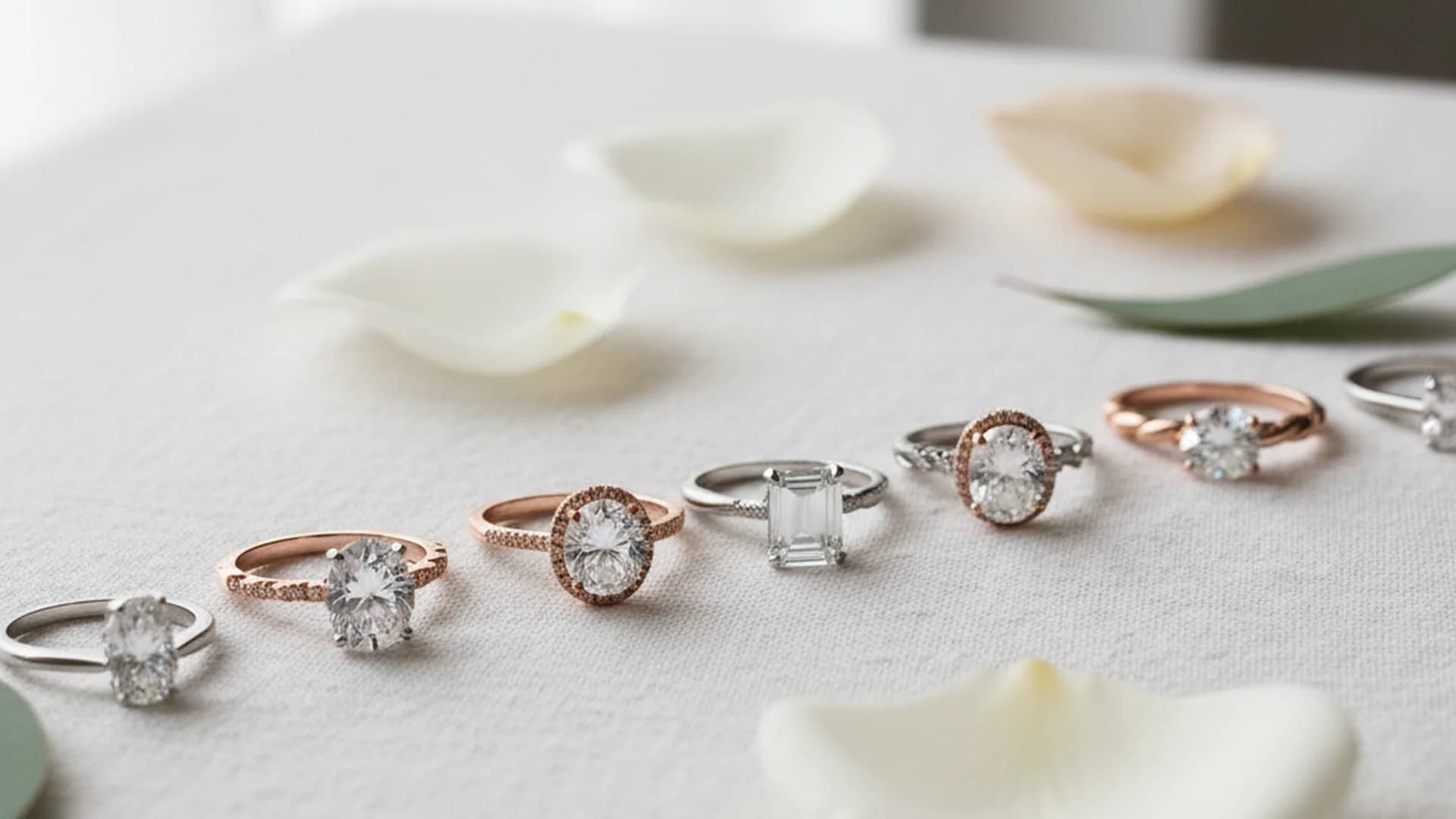
2025-2026 Guide to Engagement Ring Styles: Trends, Costs, and Expert Tips
Explore the top engagement ring styles for 2025-2026. From lab-grown diamond trends to vintage revivals and yellow gold's comeback, find your perfect ring.
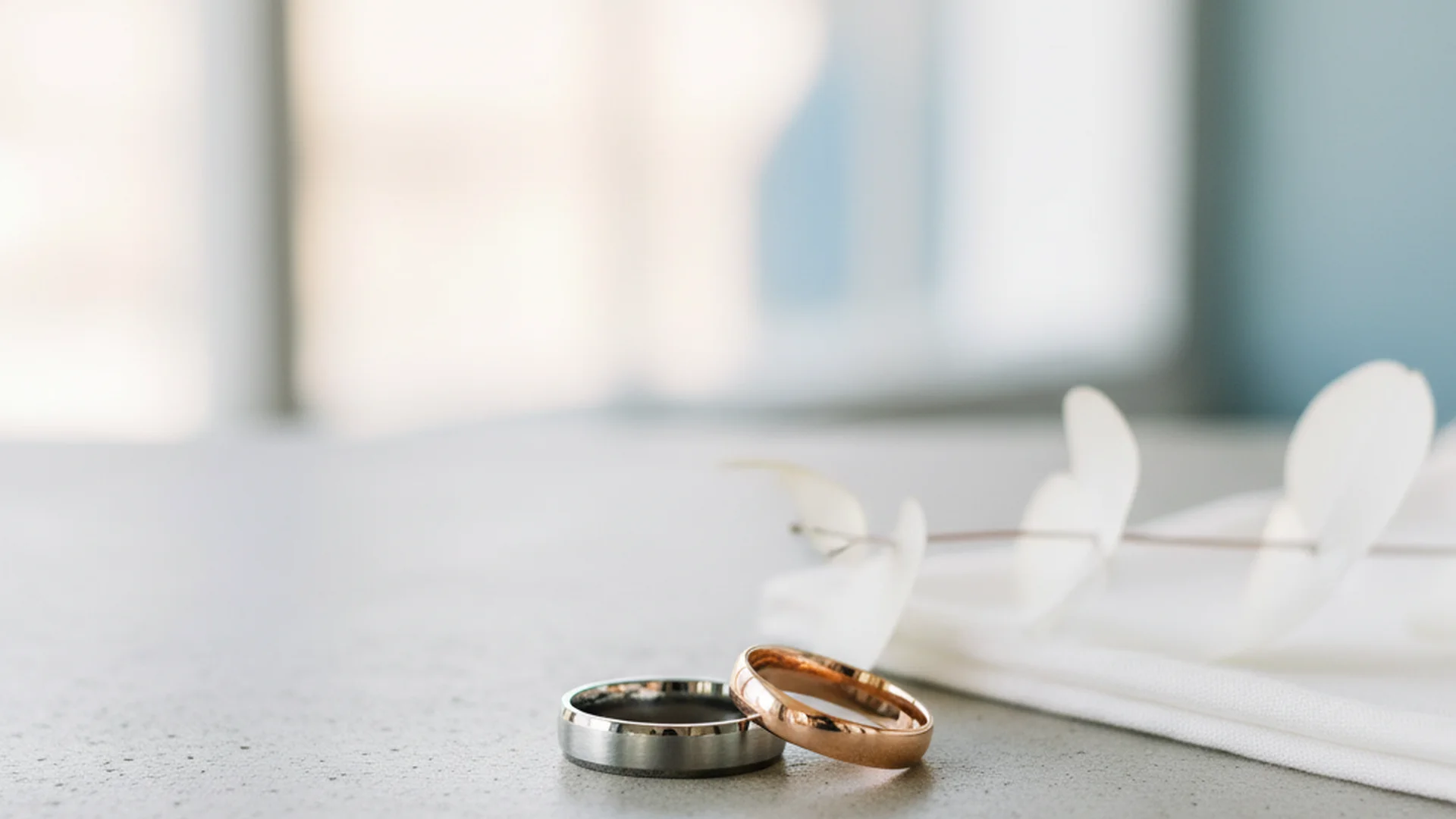
The Ultimate Mens Wedding Band Guide: Metals, Styles, and 2025 Trends
Discover the perfect ring with our comprehensive Mens Wedding Band Guide. Explore top metals, 2025 trends like meteorite inlays, and expert tips on fit and sizing.