The Ultimate Guide to Sri Lankan Wedding Traditions (2025–2026)
Explore the rich tapestry of Sri Lankan wedding traditions, from Poruwa ceremonies to 2025 trends. A complete guide for couples and guests.
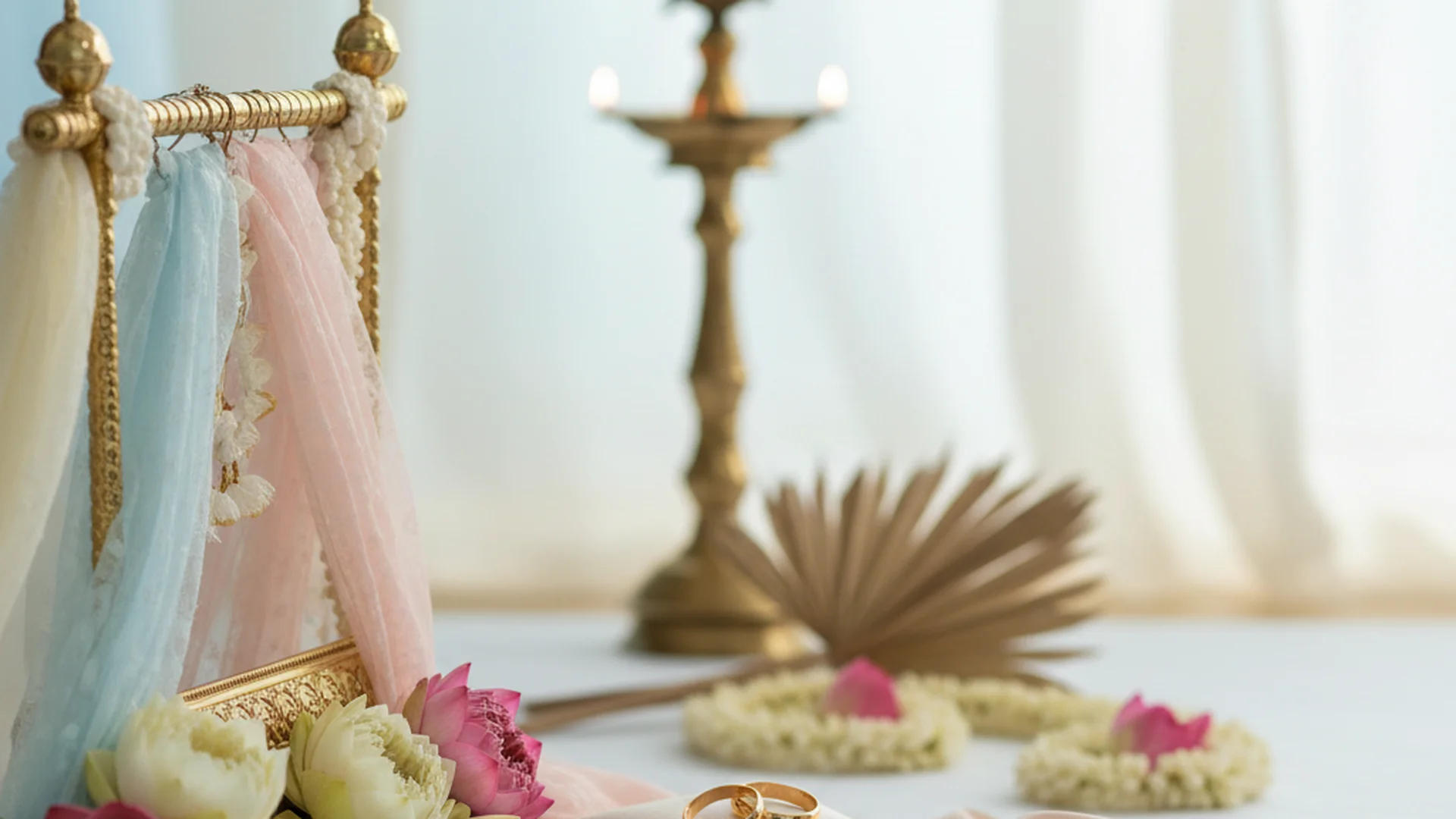
- Sri Lankan weddings are deeply rooted in astrology and 'Nekath' (auspicious times).
- The celebration typically spans two days: the Wedding Day and the Homecoming.
- 2025 trends emphasize sustainability, jewel tones, and experiential destination venues.
Sri Lanka, often called the "Pearl of the Indian Ocean," is home to a culture that treats marriage not just as a union of two people, but as a grand symphony of two families. When exploring Sri Lankan Wedding Traditions, one quickly discovers a vibrant blend of ancient customs, religious rites, and modern island flair. Whether you are a guest attending your first island ceremony or a couple planning a destination wedding in 2025, understanding the nuances of these rituals—from the rhythmic beat of the Magul Bera drums to the precise timing of the Poruwa ceremony—is essential for appreciating the island's heritage.
The Heart of the Celebration: The Poruwa Ceremony
For the majority Sinhalese Buddhist population, the Poruwa ceremony is the spiritual and cultural centerpiece of the wedding day. The Poruwa is a beautifully decorated wooden platform, often adorned with fresh flowers, lotus buds, and traditional carvings. It represents the new home the couple will build together.
The ceremony is governed by Nekath—auspicious times calculated by an astrologer based on the couple’s birth charts. Every movement, from the moment the groom enters the hall to the exact second the couple steps onto the Poruwa, is timed to ensure a prosperous future.
The Key Rituals on the Poruwa
- The Exchange of Betel Leaves: The couple offers betel leaves to their parents and elders, a profound gesture of respect and gratitude for their upbringing.
- Tying the Pinky Fingers (Nalangu): The officiant (Shilpathipathi) ties the couple’s pinky fingers together with a gold thread and pours water over them. The water symbolizes the earth witnessing the union, echoing an ancient legend of a king's daughter.
- The Jayamangala Gatha: A group of young girls dressed in traditional attire chants traditional blessings (Gatha) to wish the couple luck, accompanied by the energetic pulse of the Kandyan dancers and drummers.
Tip
The "Two-Day" Tradition: Wedding vs. Homecoming
Unlike Western weddings that typically last one day, Sri Lankan wedding traditions often involve two distinct celebrations.
The Wedding Day
Hosted by the bride’s family, this is the main event where the religious or cultural rituals take place. This is usually the day of the Poruwa ceremony (for Buddhists) or the Church ceremony (for Christians). The bride typically wears a traditional Kandyan saree, often in shades of white, gold, or cream.
The Homecoming
A few days later, the groom’s family hosts the "Homecoming." This event symbolizes the bride being officially welcomed into the groom's family home. For this event, the bride traditionally wears a "Red Saree," signaling her transition into married life. While the Wedding Day is often more formal and ritual-heavy, the Homecoming is known for being a lively party with plenty of dancing.
Note
A Tapestry of Cultures: Community Variations
Sri Lanka is a multi-ethnic nation, and wedding traditions vary significantly across its different communities.
| Community | Key Ritual | Traditional Attire | Food Highlight |
|---|---|---|---|
| Sinhalese | Poruwa Ceremony | Kandyan Saree (Bride), Nilame (Groom) | Kiribath & Kavum |
| Tamil | Tying the Thali | Kanchipuram Silk Saree, Veshti | Sambar & Payasam |
| Muslim | Nikah (Contract) | Embroidered Saree/Gown, Suit/Sherwani | Mutton Biryani |
| Burgher | Church Ceremony | Western White Gown & Suit | Lamprais & Wine |
Tamil Wedding Traditions
Tamil weddings are incredibly colorful and usually take place in a Kovil (temple) or a grand hall. The "Thali" (a sacred gold necklace) is the equivalent of a wedding ring. The groom ties the Thali around the bride's neck while the guests shower them with saffron-colored rice and flower petals.
Muslim Wedding Traditions
The Nikah is the formal contract-signing ceremony. Traditionally, the men and women may be seated in separate sections during the formal proceedings. One of the highlights of a Sri Lankan Muslim wedding is the food—specifically the legendary Mutton Biryani and Watalappam (a spiced coconut custard).
Planning for 2025–2026: Trends and Costs
The landscape of Sri Lankan weddings is evolving. While the 300-guest banquet remains a staple, the "Micro-Wedding" trend is gaining traction due to shifting economic realities.
Emerging Trends
- Eco-Weddings: In 2025, many couples are opting for "Plastic-Free" celebrations. This includes using biodegradable dried flowers, digital invitations, and locally sourced catering to reduce their carbon footprint.
- Bold Jewel Tones: While gold and white remain classic, 2025 is seeing a surge in emerald greens, deep burgundies, and sapphire blues for bridesmaid attire and floral arrangements.
- Hidden Gem Destinations: While the colonial charm of Galle is timeless, couples are now looking toward the misty tea estates of Nuwara Eliya or the secluded beaches of Mirissa for more "experiential" and intimate ceremonies.
2025 Wedding Cost Estimates
- Budget/Intimate: $3,000 – $5,000. Perfect for a villa wedding with 20–40 guests.
- Mid-Range: $6,000 – $15,000. Covers a 4-star hotel in Colombo for roughly 100–150 guests.
- Luxury/Destination: $30,000 – $80,000+. This includes 5-star resorts, multi-day events, and high-end floral installations.
Heads up
From the OurVows workspace
Planning a wedding is a lot. We make it feel like less.
Checklist, budget, guest list, and a wedding website — together in one free workspace built for both of you.
Guest Etiquette and Best Practices
If you have been invited to a Sri Lankan wedding, you are in for a treat. However, there are a few cultural nuances to keep in mind to ensure you are a respectful guest.
What to Wear
Foreign guests are often worried about cultural appropriation, but in Sri Lanka, wearing traditional attire is seen as a high form of cultural appreciation.
- Women: A saree is the gold standard. If you aren't comfortable wrapping one, a formal cocktail dress is perfectly acceptable. Avoid anything too revealing if the ceremony is in a temple or a conservative setting.
- Men: A full suit or a formal shirt and trousers. While the weather is hot, shorts and t-shirts are strictly for the beach, not the wedding hall.
The "Right Hand" Rule
In Sri Lankan culture, the left hand is traditionally considered "unclean." When handing over a gift, a card, or even taking a plate from a server, always use your right hand or both hands. This is a small gesture that shows great respect for local customs.
Do this
Gift Etiquette
Cash is the most common and appreciated gift in Sri Lanka. It helps the couple offset the high costs of the celebration. Always place the cash in a nice envelope with a handwritten note. If you choose to give a physical gift, avoid "used" items or anything that might be culturally insensitive.
Common Mistakes to Avoid
- Ignoring the Heat: Sri Lanka is humid. Many couples dream of a beach wedding at noon, only for guests to suffer from heat exhaustion.
- Solution: Always have a "Plan B" indoor venue or ensure your marquee has industrial-grade cooling systems.
- Arriving Too Early (or Too Late): While the Poruwa ceremony starts exactly at the Nekath time, the reception often follows "island time." However, if the invitation specifies a time for the "Poruwa Ceremony," do not be late, as the rituals cannot wait for you.
- Underestimating the Spice: Sri Lankan wedding food is delicious but can be very spicy for the uninitiated.
- Solution: If you are the host, ensure there is a "mild" section of the buffet or a "Sri Lankan Fusion" menu to cater to international palates.
Tip
Frequently asked questions
What is a Poruwa Ceremony?
Can foreigners legally marry in Sri Lanka?
What should I wear as a foreign guest?
How much does a wedding in Sri Lanka cost?
Why are there two separate wedding days?
Conclusion
Sri Lankan wedding traditions are a beautiful testament to the island's history, spirituality, and sense of community. From the meticulous timing of the Nekath to the vibrant colors of the Kanchipuram sarees, these celebrations are designed to create lasting memories and strong family bonds.
If you are currently planning your own cultural celebration, you might also find our guides on Indian Wedding Traditions or Brazilian Wedding Traditions helpful for understanding how different cultures honor the journey of marriage.
Do this
Ready when you are
Ready to Start?
Use our free tools to plan your perfect Sri Lankan celebration.
Ready when you are
Plan your wedding without the chaos.
Free forever for couples just getting started. Two minutes to set up. No credit card.
Keep reading
Thai Wedding Traditions: A Complete Guide to Rituals and Modern Trends
Discover the beauty of Thai wedding traditions, from the Khan Maak procession to 2025-2026 trends like sustainable merit-making and earthy terracotta palettes.
Dominican Wedding Traditions: A Guide to Island Heritage and Modern Trends
Explore vibrant Dominican wedding traditions, from the 13 gold coins (Las Arras) to the Hora Loca. Learn about costs, legalities, and 2025-2026 trends.
The Ultimate Guide to Bangladeshi Wedding Traditions: Rituals, Fashion, and 2025 Trends
Explore the vibrant world of Bangladeshi wedding traditions. From Gaye Holud rituals to 2025 pastel fashion trends and modern tech-integrated celebrations.