Indonesian Wedding Traditions: A Guide to Rituals, Trends, and Etiquette
Explore the vibrant world of Indonesian wedding traditions. From ancient rituals to 2025 trends, learn about costs, dress codes, and guest etiquette.
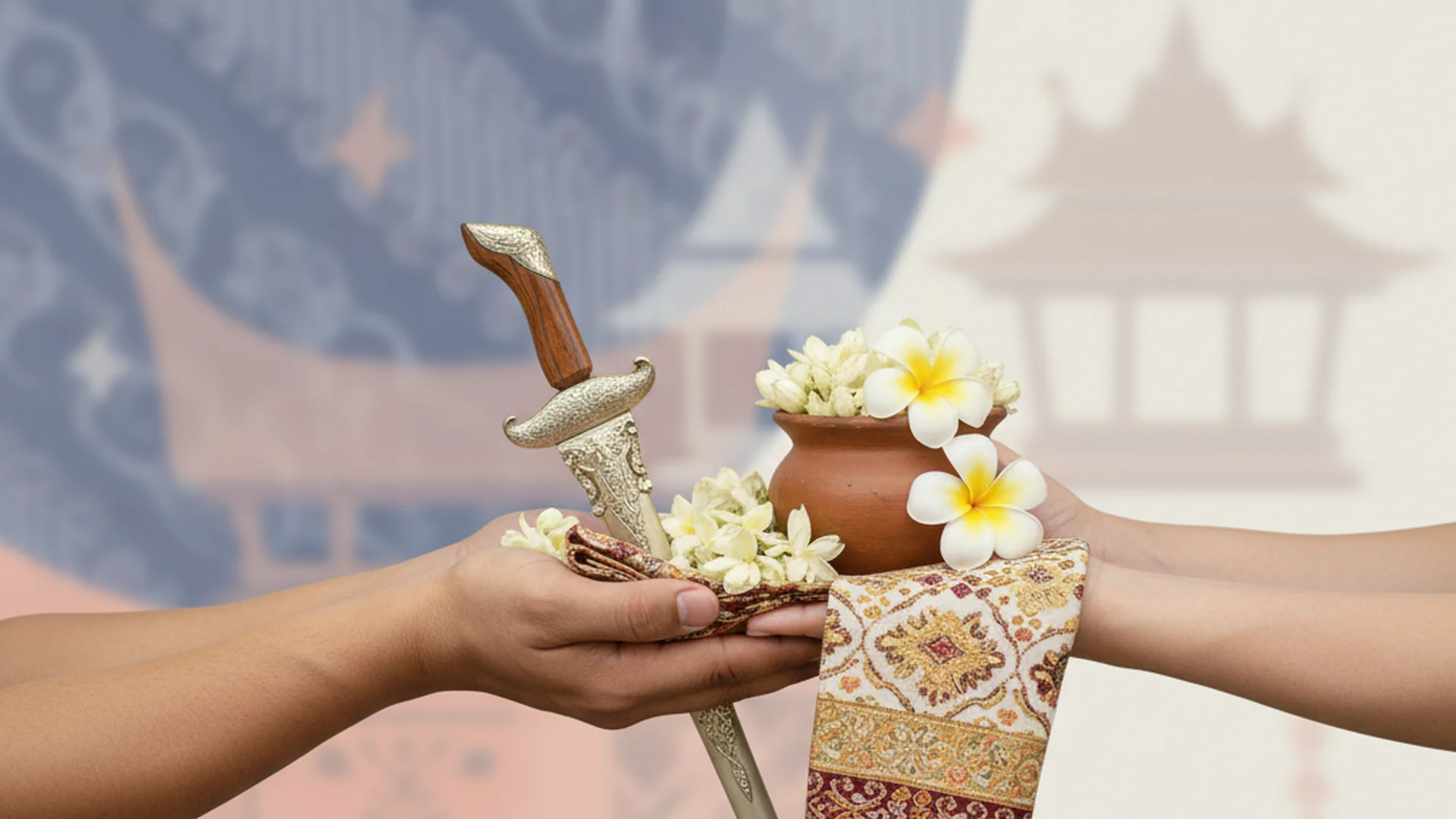
- Indonesian weddings are communal unions of two families, not just two individuals.
- Cash in envelopes (Ang Pau) is the standard gift, with specific amounts based on your relationship.
- Modern 2025 trends include "Behind-the-Scenes" content creators and eco-friendly decorations.
Indonesian wedding traditions are a vibrant tapestry of religion, culture, and deep-seated community values. As the world’s fourth most populous country, Indonesia is home to over 1,300 ethnic groups, each bringing a unique flavor to the matrimonial altar. Whether you are attending a lavish gala in Jakarta or a traditional ceremony in a rural village, understanding the nuances of these celebrations is essential. In 2025, we are seeing a fascinating blend of ancient rituals and modern Gen Z influences, making the Indonesian wedding landscape more dynamic than ever before.
The Cultural Landscape of Indonesian Nuptials
To understand an Indonesian wedding, one must first recognize that it is rarely just about the couple. In Indonesian culture, a marriage is the formal union of two families. This communal spirit dictates everything from the guest list to the choice of venue. While many Western couples might look toward 10 Guest Wedding Ideas for intimacy, a standard Indonesian wedding often feels like a village-wide festival.
However, the landscape is shifting. Recent data from BPS (Statistics Indonesia) shows that registered marriages hit a record low in 2024, with roughly 1.48 million ceremonies—a 6% drop from the previous year. This shift is driven by economic factors, higher education levels among women, and a growing "childfree" movement. Despite the decline in frequency, the scale of individual weddings remains grand.
The Role of Religion and Legality
Legality in Indonesia is closely tied to faith. Indonesian law generally requires both partners to declare the same religion for a marriage to be officially recognized. Muslim couples register through the KUA (Office of Religious Affairs), while Christians, Hindus, Buddhists, and others register through the Civil Registry. This complexity often leads to unique pre-wedding rituals where one partner may formally convert or engage in deep religious study before the big day.
Traditional Rituals and Their Meanings
The beauty of Indonesian wedding traditions lies in the symbolism of their rituals. While these vary by island and ethnicity, several "anchor" traditions appear across many cultures.
The Sungkeman (Seeking Forgiveness)
One of the most moving parts of a traditional Javanese or Sundanese wedding is the Sungkeman. During this ritual, the bride and groom kneel before their parents to ask for forgiveness for past mistakes and seek blessings for their new life.
Note
Seserahan (The Gift Exchange)
Before the ceremony, the groom’s family brings Seserahan—trays of gifts for the bride. These typically include daily necessities like shoes, clothing, makeup, and even traditional foods. Each gift symbolizes the groom’s ability to provide for his future wife. In 2025, these have become highly aesthetic "Pinterest-ready" displays, often encased in acrylic boxes with elaborate floral arrangements.
The Pelaminan (The Royal Stage)
The centerpiece of any Indonesian reception is the Pelaminan. This is an intricately decorated stage where the couple and their parents sit, acting as "royalty for a day." Guests queue to walk up the stage, shake hands, and take photos.
Do this
Wedding Etiquette for Guests in 2025
Attending an Indonesian wedding for the first time can be overwhelming. Unlike the structured seating and RSVP requirements found in German Wedding Traditions, Indonesian weddings are often "open house" style.
The Gift of Cash (Ang Pau)
Physical gifts are rare at the reception. Instead, guests provide cash in an envelope. This helps the couple (and their families) offset the significant costs of the event. In urban centers, digital guestbooks now often feature QR codes for "cashless" gifting via bank transfer or e-wallets.
| Relationship to Couple | Recommended Gift Amount (IDR) | Approx. USD |
|---|---|---|
| Acquaintance/Colleague | 200,000 – 300,000 | $12 – $19 |
| Close Friend/Relative | 500,000 – 1,000,000 | $31 – $62 |
| VIP/Business Partner | 2,000,000+ | $125+ |
Tip
Dress Code: Batik and Kebaya
For men, a long-sleeved Batik shirt is the gold standard for any wedding, from casual to formal. For women, a Kebaya (a traditional blouse-dress) or a modest formal gown is appropriate.
Heads up
Emerging Trends for 2025–2026
As Gen Z begins to lead the wedding market, we are seeing a departure from some long-standing norms in favor of modern convenience and social media flair.
Wedding Content Creators
While traditional photographers are still a staple, 2025 has seen the rise of "Behind-the-Scenes" (BTS) content creators. These professionals are hired specifically to capture vertical video for TikTok and Instagram Reels, delivering edited content to the couple within 24 hours.
Deconstructed Timelines
Younger couples are increasingly ditching the two-hour standing receiving line. Instead, they opt for "roaming receptions" where they mingle with guests. This is a significant shift from the traditional "royalty on a stage" model and allows for a more personal experience, similar to the communal vibes found in Brazilian Wedding Traditions.
Eco-Conscious "Janur"
The Janur—a tall, curved decoration made from young coconut leaves—is the universal sign that a wedding is happening. While these are naturally biodegradable, the "Zero Waste" movement is pushing couples to use potted plants and sustainable materials for their venue decor instead of thousands of cut flowers that are discarded after four hours.
Destination Micro-Weddings
While Bali remains a global favorite, 2025 trends show a surge in "cultural immersion" weddings in Yogyakarta or Lombok. These locations offer a more authentic, intimate feel for couples looking to escape the massive guest lists of Jakarta. If you're planning your own budget-friendly event, you might find inspiration in our guide to a $5000 Wedding Budget, though in Indonesia, this would typically cover a very small local ceremony.
From the OurVows workspace
Planning a wedding is a lot. We make it feel like less.
Checklist, budget, guest list, and a wedding website — together in one free workspace built for both of you.
Common Mistakes to Avoid
To ensure you are a respectful guest (or a well-prepared host), avoid these common pitfalls:
- Arriving Exactly on Time: If the invitation says 7:00 PM, the "ceremonial" start might not happen until 7:30 PM. Arriving 30–45 minutes late is often considered "on time" in the context of Indonesian Jam Karet (rubber time).
- Expecting Alcohol: Most Indonesian weddings, especially Muslim ones, are dry. Juices, infused water, and traditional sodas are the norm. Alcohol is usually reserved for high-end hotel receptions or specific ethnic celebrations like Batak or Chinese-Indonesian weddings.
- Ignoring the Parents: Remember, the parents are often the true hosts. If you know the parents but not the couple, it is still vital to greet them warmly in the receiving line.
- Not Bringing a Plus One: Unlike many Western cultures where "plus ones" are strictly regulated, Indonesian weddings are communal. It is almost always acceptable to bring your spouse or a partner, as invitations often imply "and family."
Real-World Examples of Indonesian Wedding Diversity
Example 1: The Javanese Royal Style
In a traditional Javanese wedding, you might witness the Paes Ageng makeup—a black forehead pattern that symbolizes beauty and high status. The ceremony is silent, dignified, and filled with ancient Javanese philosophy.
Example 2: The Batak "Ulos" Ceremony
In North Sumatran Batak traditions, the wedding is incomplete without the giving of Ulos (traditional hand-woven cloths). Family members will drape these cloths over the couple's shoulders while giving long, passionate speeches called Umpasa.
Example 3: The Jakarta Modern Gala
In the capital, a wedding might look like a high-fashion event. Digital check-ins with QR codes, gourmet international buffets, and a 10-piece orchestra are common. This is where you are most likely to see the influence of Haitian Wedding Traditions or other global styles mixed with Indonesian roots.
Frequently asked questions
Do I need to RSVP for an Indonesian wedding?
Is cash the only acceptable gift?
Can I bring a "plus one" or my children?
What happens if I can't stay for the whole event?
Conclusion
Indonesian wedding traditions are a beautiful testament to the country's "Bhinneka Tunggal Ika" (Unity in Diversity) motto. Whether it’s the emotional depth of the Sungkeman or the modern flair of a digital guestbook, these ceremonies offer a window into the soul of Indonesian society. By following the proper etiquette and embracing the communal spirit, you can fully enjoy one of the most vibrant cultural experiences the world has to offer.
If you are currently in the middle of planning your own multicultural celebration, don't forget to stay organized. Using a Wedding Checklist Generator can help you manage the many moving parts of a traditional ceremony.
Do this
Ready when you are
Planning Your Big Day?
Start organizing your dream wedding with our professional tools today.
Ready when you are
Plan your wedding without the chaos.
Free forever for couples just getting started. Two minutes to set up. No credit card.
Keep reading
Thai Wedding Traditions: A Complete Guide to Rituals and Modern Trends
Discover the beauty of Thai wedding traditions, from the Khan Maak procession to 2025-2026 trends like sustainable merit-making and earthy terracotta palettes.
Dominican Wedding Traditions: A Guide to Island Heritage and Modern Trends
Explore vibrant Dominican wedding traditions, from the 13 gold coins (Las Arras) to the Hora Loca. Learn about costs, legalities, and 2025-2026 trends.
The Ultimate Guide to Bangladeshi Wedding Traditions: Rituals, Fashion, and 2025 Trends
Explore the vibrant world of Bangladeshi wedding traditions. From Gaye Holud rituals to 2025 pastel fashion trends and modern tech-integrated celebrations.