The Ultimate Guide to Polish Wedding Traditions: Folklore Meets Modernity
Discover the vibrant world of Polish wedding traditions. From the Bread and Salt blessing to Oczepiny games, learn how to plan a modern 2025-2026 Wesele.
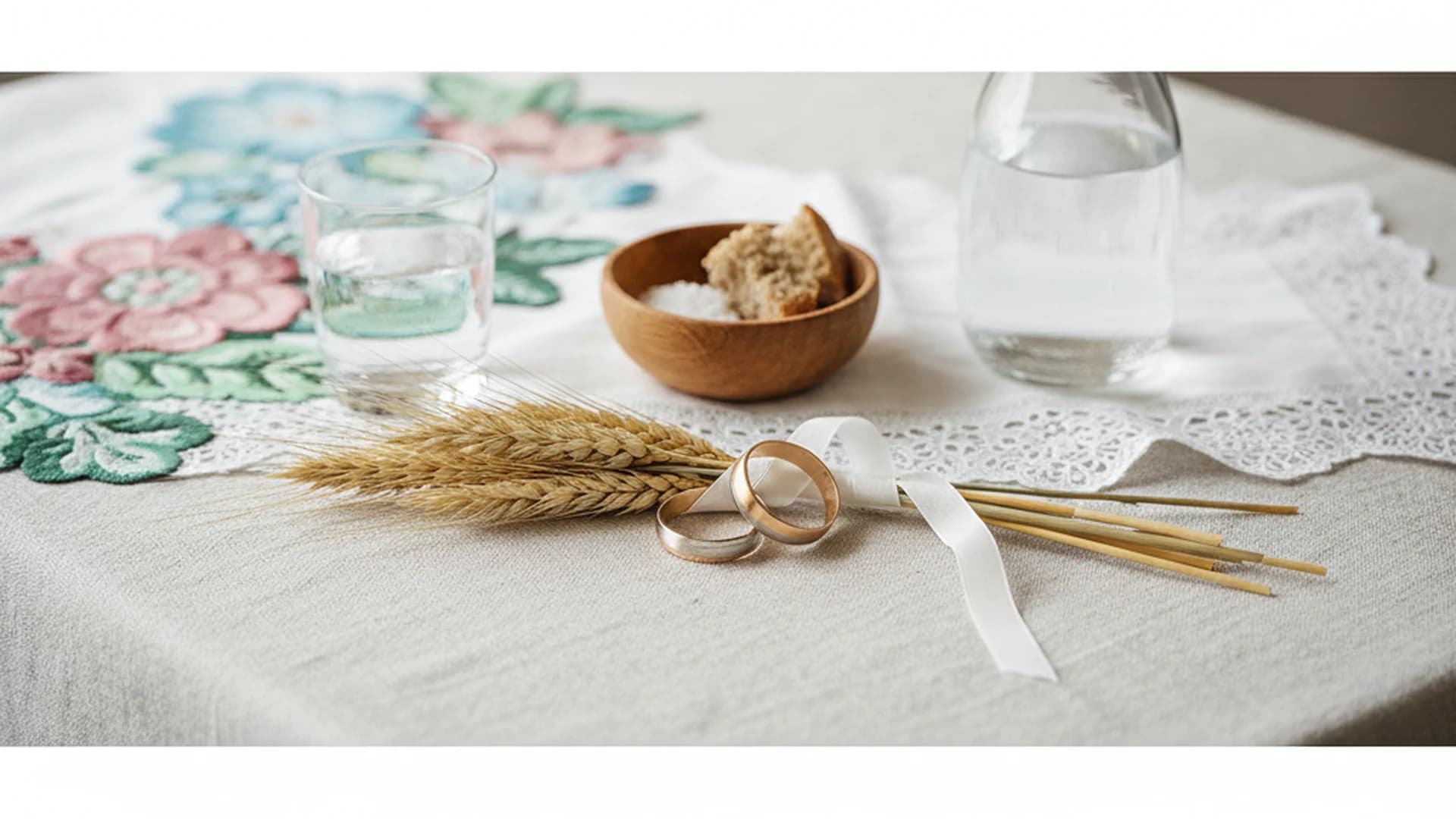
- Polish weddings (Wesele) typically last two days, including the main party and the Poprawiny.
- The Chlebem i Solą (Bread and Salt) greeting is a symbolic rite of passage for the couple.
- Oczepiny remains the high-energy midnight centerpiece of the celebration.
Planning a celebration rooted in Polish Wedding Traditions is an exercise in balancing grand-scale hospitality with deeply intimate folklore. Known as a Wesele, a traditional Polish wedding is far more than a simple ceremony and reception; it is a high-energy marathon of food, dance, and symbolic rituals that can stretch over several days. Whether you are a bride-to-be honoring your heritage or a guest preparing for your first experience with Polish hospitality, understanding the nuances of these customs is essential for the 2025–2026 wedding seasons.
As a professional vow ghostwriter, I often see couples struggle to weave these ancient customs into a modern narrative. The beauty of a Polish wedding lies in its ability to adapt—where 19th-century blessings meet 21st-century "forest-chic" aesthetics.
The Sacred Beginning: Błogosławieństwo (The Blessing)
While the church ceremony is the public declaration of marriage, the Błogosławieństwo is arguably the most emotional of all Polish wedding traditions. This private ritual takes place at the bride's family home before the couple departs for the ceremony.
During this time, the couple kneels before their parents, godparents, and grandparents. The parents sprinkle holy water on the couple and offer a formal blessing for their new life together. It is a moment of deep solemnity that transitions the couple from their childhood homes to their new shared life.
Note
The Journey to the Altar: Luck and Lore
In Poland, timing is everything. A long-standing tradition suggests that couples should only marry in months containing the letter "R" in Polish (litera R). This includes Marzec (March), Czerwiec (June), Sierpień (August), Wrzesień (September), Październik (October), and Grudzień (December). It is believed that the "R" brings prosperity and harmony to the household.
The Wedding Gate (Brama Weselna)
Don't be surprised if the drive to the church or the venue is interrupted. Neighbors and friends often set up "gates" (Bramy)—physical barriers made of ribbons or even farm equipment. To pass through, the groom must "bribe" the gatekeepers. Traditionally, this involves handing over bottles of vodka or giving sweets to the local children. It’s a lighthearted, communal way for the village or neighborhood to participate in the festivities.
Heads up
The Grand Reception: Chlebem i Solą
Upon arriving at the reception venue, the couple is met with the Chlebem i Solą (Bread and Salt) greeting. The parents of the bride and groom stand at the entrance with a tray holding a loaf of bread, a small pile of salt, and two shot glasses.
- The Bread: Symbolizes the parents' hope that the couple will never know hunger.
- The Salt: Symbolizes the fact that life can be difficult, and the couple must learn to cope with life's struggles together.
- The Shots: One glass contains vodka, and the other contains water. Tradition says that whoever picks the vodka will be the "head of the house" (though modern couples often laugh this off as a shared responsibility).
After the toast, the couple throws their glasses behind them. If the glasses break, it is considered a sign of good luck.
Culinary Endurance: A Feast Without End
If you attend a Polish wedding, come hungry. One of the most famous Polish wedding traditions is the sheer volume of food. Unlike Western weddings where a single three-course meal is served, a Wesele features a rolling menu where hot dishes appear every 90 to 120 minutes.
The Traditional Menu
The meal almost always begins with Rosół, a clear chicken noodle soup that is the ultimate Polish comfort food. This is followed by a main course of meat (often Sztuka Mięsa or breaded pork cutlets), potatoes, and a variety of salads known as Surówki. As the night progresses, guests can expect:
- Pierogi: Dumplings with various fillings.
- Barszcz Czerwony: Clear beetroot sourdough soup, often served with small meat pastries (Paszteciki).
- Bigos: A hearty hunter’s stew.
- Cold Plates: Platters of Kiełbasa, cheeses, and pickled herring that remain on the table throughout the night.
Tip
From the OurVows workspace
Planning a wedding is a lot. We make it feel like less.
Checklist, budget, guest list, and a wedding website — together in one free workspace built for both of you.
The Midnight Turning Point: Oczepiny
At the stroke of midnight, the atmosphere shifts from a standard party to a traditional rite of passage called Oczepiny. This ceremony marks the bride's transition from a maiden to a married woman.
Historically, this involved cutting the bride’s hair and placing a cap (the Czepiec) on her head. Today, it is much more playful. The bride removes her veil and tosses it into a circle of single women, while the groom removes his tie and tosses it to the single men. The pair who catches them are said to be the next to marry. This is followed by a series of humorous games—some involving elaborate obstacle courses or cheeky quizzes—that keep the energy high well into the early morning hours.
Trends for 2025–2026: Modernizing the Wesele
While the core of Polish Wedding Traditions remains unchanged, the "vibe" is evolving. If you are planning a wedding for the upcoming seasons, keep these trends in mind:
Biophilic Design and "Nature Luxe"
The "rustic barn" trend is being replaced by "glass orangeries." Couples are moving toward venues that feel like an extension of the forest. Think moss-covered walls, suspended greenery, and large windows that bring the Polish landscape indoors. If you're looking for inspiration on how to manage these larger-scale celebrations, you might find our guide on the Brazilian Wedding Traditions or German Wedding Traditions helpful for comparing cultural scales.
Color Drenching
Move over, blush and gold! 2025 and 2026 are seeing a shift toward bold, monochromatic palettes. The "Mocha Mousse" trend—a rich, sophisticated brown—is becoming a staple for Polish autumn weddings, often paired with deep emerald or burnt sienna to reflect the changing seasons in the Tatra mountains or the Masurian Lake District.
Sustainable & Hyper-Local
Sustainability is no longer a niche request; it is a standard. Modern Polish couples are opting for "farm-to-table" menus that highlight regional delicacies, such as Oscypek (smoked sheep's cheese) from the South or fresh fish from the Baltic coast.
Do this
Common Mistakes to Avoid
- Underestimating the Budget: While Poland can be more affordable than the US or UK, a high-end 100-guest wedding can still reach 100,000 PLN. If you're working with a specific limit, check out our guide on the $20,000 Wedding Budget to see how to allocate funds effectively.
- Wearing Pearls: Many older Polish relatives still believe that pearls represent "tears." To avoid upsetting the traditionalists in the family, many brides opt for diamonds or gold jewelry instead.
- The "Polka" Misconception: Contrary to popular belief in the US, the Polka is not a standard feature of modern Polish weddings. Most Wesela feature a mix of "Disco Polo" (a unique Polish genre of upbeat dance music) and international pop hits.
- Skipping the Poprawiny: The wedding doesn't end when the sun comes up on Sunday. The Poprawiny is a second day of celebration—more casual, but just as essential. It usually involves more food, more dancing, and a chance to finish off the leftover vodka from the night before.
| Wedding Element | Traditional | Modern (2025-2026) |
|---|---|---|
| Music | Live Folk Band | DJ + Live Content Creator |
| Venue | Village Hall | Glass Orangery / Forest Manor |
| Gift | Flowers | Wine, Books, or Charity Donation |
| Drinks | Only Vodka | Open Bar with Craft Cocktails |
Frequently asked questions
How much money should I give as a wedding gift in Poland?
Is it mandatory to drink vodka at a Polish wedding?
What is the dress code for a Polish wedding?
How long does a Polish wedding actually last?
Conclusion: A Celebration of Resilience and Joy
The magic of Polish Wedding Traditions lies in their endurance. Whether it’s the solemnity of the Błogosławieństwo or the chaotic joy of the Oczepiny games at 1:00 AM, these customs create a sense of belonging and continuity. As you plan your 2025 or 2026 celebration, remember that while the venue and the color palette may change, the heart of the Wesele remains the same: a generous, spirited, and slightly exhausting celebration of love.
If you are struggling to find the right words to honor these traditions during your speeches or ceremony, I can help. Using tools like a Wedding Vow Writer can give you a starting point to blend your personal story with your cultural heritage.
Do this
Ready when you are
Ready to Plan?
Use our specialized tools to organize your cultural celebration with ease.
Ready when you are
Plan your wedding without the chaos.
Free forever for couples just getting started. Two minutes to set up. No credit card.
Keep reading
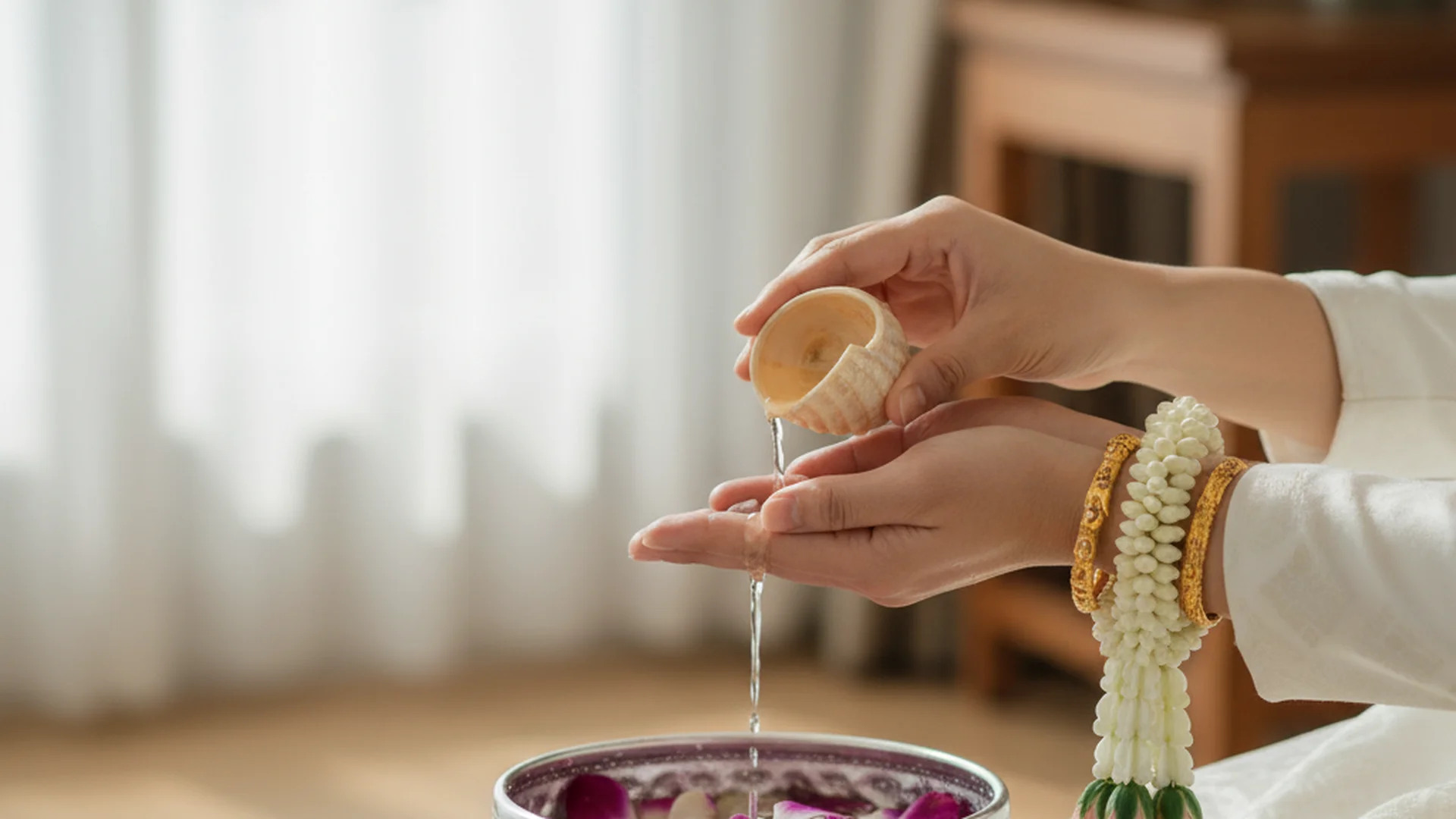
Thai Wedding Traditions: A Complete Guide to Rituals and Modern Trends
Discover the beauty of Thai wedding traditions, from the Khan Maak procession to 2025-2026 trends like sustainable merit-making and earthy terracotta palettes.
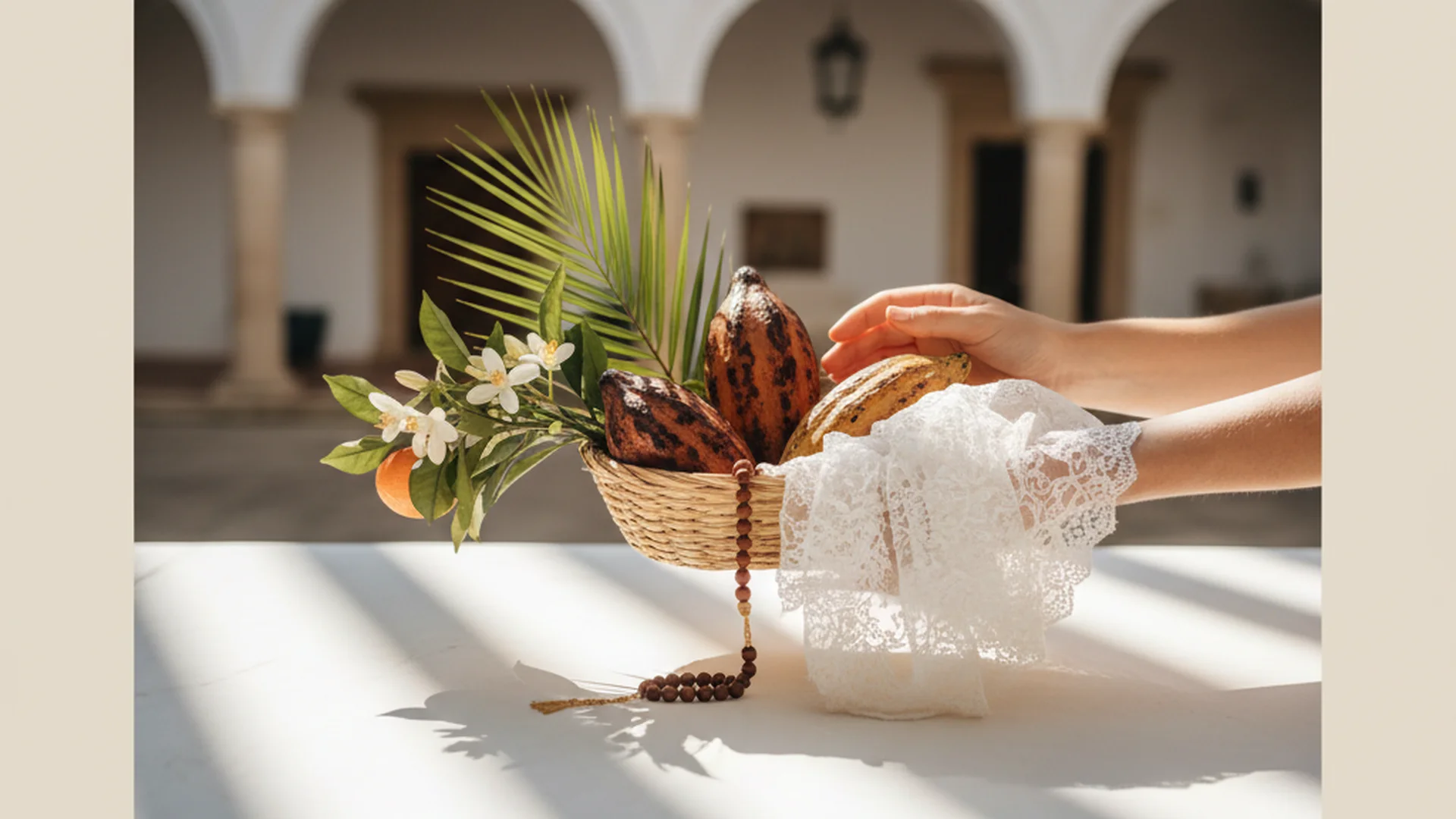
Dominican Wedding Traditions: A Guide to Island Heritage and Modern Trends
Explore vibrant Dominican wedding traditions, from the 13 gold coins (Las Arras) to the Hora Loca. Learn about costs, legalities, and 2025-2026 trends.
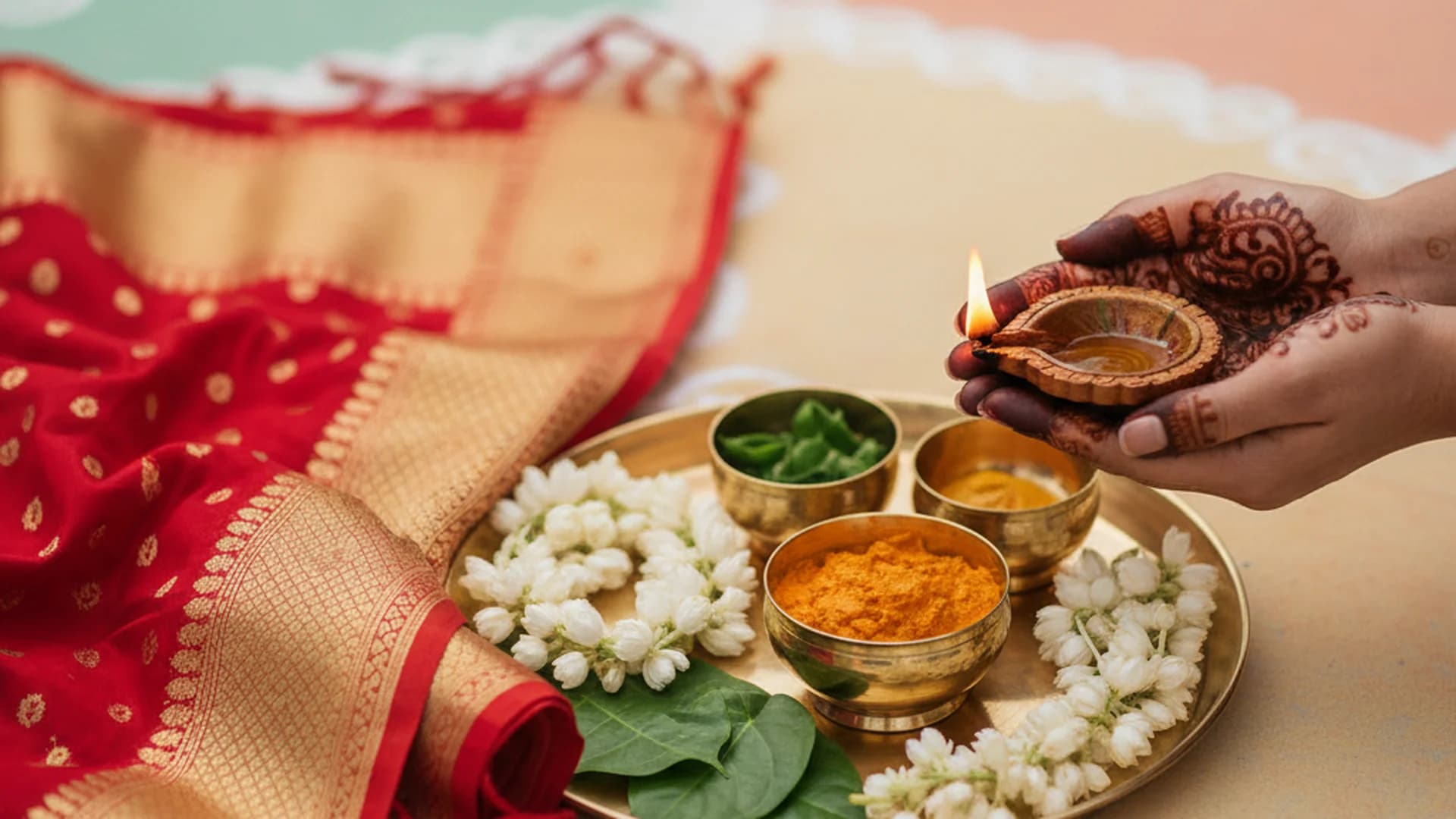
The Ultimate Guide to Bangladeshi Wedding Traditions: Rituals, Fashion, and 2025 Trends
Explore the vibrant world of Bangladeshi wedding traditions. From Gaye Holud rituals to 2025 pastel fashion trends and modern tech-integrated celebrations.