The Ultimate Guide to Ruby Engagement Rings: Trends, Value, and Style
Discover why ruby engagement rings are the top alternative to diamonds in 2025. Learn about "Pigeon Blood" rubies, lab-grown trends, and expert buying tips.
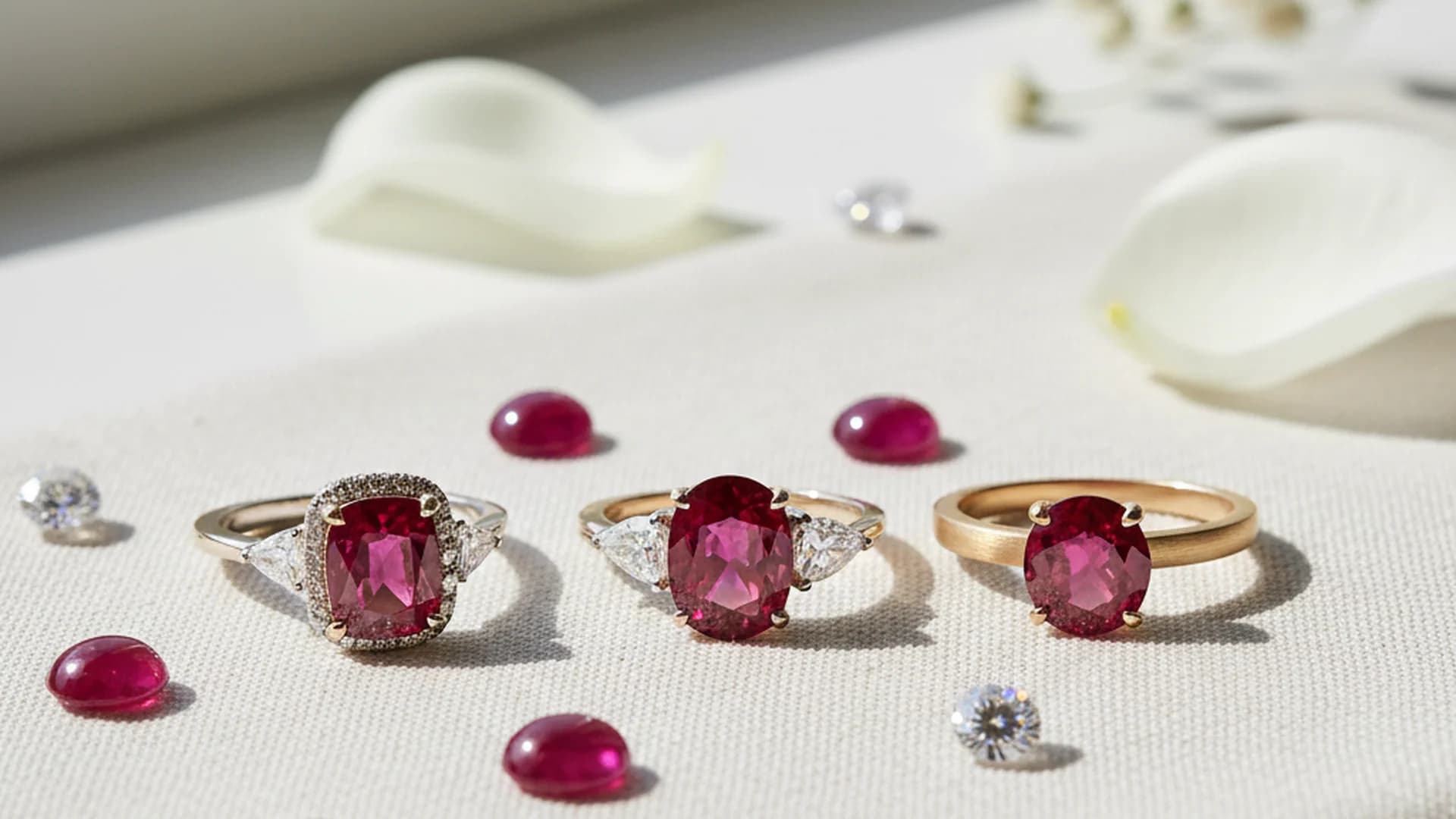
- Rubies are the second-hardest natural gemstone (9 on Mohs scale), making them perfect for daily wear.
- Color is the most important factor in ruby valuation, specifically the "vivid red" hue.
- Lab-grown rubies offer an ethical and budget-friendly alternative, now capturing 41% of the U.S. market.
In the world of high-end jewelry, a crimson revolution is underway. While diamonds have long held the throne, modern couples are increasingly looking for a way to express their unique love stories through color. Ruby engagement rings have emerged as the premier choice for those seeking a blend of timeless luxury and bold individuality. As we move into the 2025-2026 wedding seasons, the "Stone of Kings" is experiencing a massive resurgence, fueled by a desire for rings that carry deep emotional weight and historical significance.
As a vow ghostwriter, I often tell my clients that their jewelry should be the prologue to the promises they make on their wedding day. A ruby doesn't just sparkle; it glows with a fire that symbolizes passion, protection, and prosperity. Whether you are drawn to the vintage charm of a Victorian setting or the sleek lines of a modern bezel, choosing a ruby is a statement of confidence.
Why Choose a Ruby Engagement Ring?
For decades, the standard path was a clear diamond. However, the shift toward alternative engagement rings has opened the door for gemstones that offer more character. Rubies belong to the corundum family—the same mineral species as sapphires—and are defined by their rich red color, caused by the presence of chromium.
Beyond their beauty, rubies are incredibly practical. When selecting a stone for a ring you will wear every single day, durability is non-negotiable. Ranking just below diamonds, rubies are tough enough to withstand the bumps and scratches of daily life.
Do this
The 4 Cs of Rubies: What to Look For
While you might be familiar with the 4 Cs of diamonds, the rules change slightly when you are shopping for rubies. In the gemstone world, color is the absolute ruler.
Color: The Most Critical Factor
Unlike diamonds, where "colorless" is the goal, the value of a ruby is determined by the intensity of its red. Experts look for three things:
- Hue: The primary color must be red. While secondary hints of purple or orange are common, the more "pure" the red, the higher the price.
- Tone: This refers to how light or dark the stone is. The most desirable rubies fall in the medium to medium-dark range.
- Saturation: This is the "vividness" of the color. You want a stone that looks like it is glowing from within, rather than looking dull or brownish.
Clarity and the "Silk" Factor
In diamonds, inclusions are often viewed as flaws. In rubies, they are part of the stone’s DNA. Fine, needle-like inclusions known as "silk" can actually help verify that a ruby is natural. In some cases, these inclusions can even create a "star" effect (asterism), which is highly prized.
Heads up
Cut and Carat Weight
Rubies are often cut to maximize color rather than brilliance. This is why you will see many oval and cushion cuts, as these shapes help retain the most weight while showcasing the depth of the red. High-quality natural rubies over 1 carat are exceptionally rare and their price per carat jumps significantly as the size increases.
| Feature | Natural Ruby | Lab-Grown Ruby | Ruby Simulant |
|---|---|---|---|
| Composition | Aluminum Oxide | Aluminum Oxide | Glass/CZ |
| Hardness (Mohs) | 9 | 9 | 5 - 8 |
| Price Point | High to Premium | Moderate | Very Low |
| Value Retention | Excellent | Moderate | None |
Understanding Treatments and Origin
Before you make a purchase, it is vital to understand that the vast majority of rubies on the market have undergone some form of enhancement.
Heat Treatment
Over 95% of all natural rubies are heat-treated. This is a stable, permanent process that has been used for centuries to improve color and clarity. It is widely accepted in the jewelry industry and does not detract from the stone's durability.
Fracture-Filling
This is a more controversial treatment where lead glass is used to fill surface-reaching cracks. While it makes the stone look better, it significantly lowers the value and makes the stone more fragile.
Note
The Prestige of Origin
Where a ruby comes from matters to collectors.
- Burmese (Myanmar): Famous for the "Pigeon Blood" color, these are the gold standard and command the highest prices.
- Mozambique: Currently the leading source of high-quality rubies that rival Burmese stones but are often more affordable.
- Thailand and Madagascar: Known for producing stones with slightly darker or more purplish tones.
From the OurVows workspace
Ring sorted — now the wedding.
Set a realistic budget and a checklist that knows what's next, all in one free workspace.
Modern Trends in Ruby Engagement Rings (2025-2026)
If you are looking for design inspiration, the current trends favor a mix of bold geometry and romantic nostalgia. Many of these styles can be found in our broader guide to engagement ring styles.
The "Toi et Moi" Duo
Made famous by celebrities, the "You and Me" setting pairs a ruby with a contrasting stone—usually a diamond. This symbolizes two distinct personalities coming together in harmony. It is a favorite for those who want the best of both worlds.
East-West Settings
For a contemporary "cool-girl" aesthetic, many designers are turning marquise or oval rubies 90 degrees. This horizontal orientation makes the finger look wider and provides a modern architectural feel.
Mixed Metal Bezels
One of the fastest-growing trends for 2026 is the use of mixed metals. A yellow gold bezel can be used to "wrap" the ruby, which enhances its warmth, while the rest of the band is made of platinum or white gold for a sleek contrast. This also provides maximum security for the gemstone.
Tip
Common Mistakes to Avoid
- Confusing Rubies with Pink Sapphires: Both are corundum. The only difference is the saturation of red. Some stones fall into a "gray area," and you might end up paying ruby prices for what a lab classifies as a pink sapphire.
- Buying Without Seeing the Stone in Different Lights: Rubies can look drastically different under LED shop lights versus natural sunlight. Always ask to see the stone in various lighting conditions.
- Ignoring the Band Thickness: While dainty bands were popular for years, 2025 trends are moving toward thicker, more sculptural gold bands. A ruby is a "heavy" stone visually; it needs a substantial band to balance it out. You can learn more about this in our guide to engagement ring settings.
- Skipping Insurance: Because high-quality rubies are so rare, they can be difficult to replace. Ensure you have an updated appraisal. See our guide on engagement ring insurance for more details.
Frequently asked questions
Are rubies "good enough" for an engagement ring?
How can I tell if a ruby is real?
Are they more expensive than diamonds?
How do I clean a ruby ring?
Do lab-grown rubies look the same as natural ones?
Conclusion: A Stone of Passion
Choosing a ruby engagement ring is a bold move that honors both tradition and individuality. As the market for colored gemstones continues to grow, the ruby stands out as a timeless investment that offers more than just sparkle—it offers a story. Whether you are looking for a diamond engagement ring guide to compare your options or you are ready to commit to the crimson glow of a ruby, the most important thing is that the ring reflects your personal journey.
When you finally slide that ring onto your partner's finger, it represents a fire that doesn't burn out. As you move forward in your planning, perhaps even using a wedding vow writer to match the eloquence of your ring with your words, remember that a ruby is more than a piece of jewelry—it is a legacy.
Do this
Ready when you are
Find Your Perfect Style
Explore our comprehensive guide to choosing the right ring for your partner.
Ready when you are
Plan your wedding without the chaos.
Free forever for couples just getting started. Two minutes to set up. No credit card.
Keep reading
The Ultimate Guide to Engagement Ring Insurance: Protecting Your Symbol of Love
Protect your investment with our comprehensive guide to engagement ring insurance. Learn about costs, 2025 trends, coverage types, and how to avoid common pitfalls.
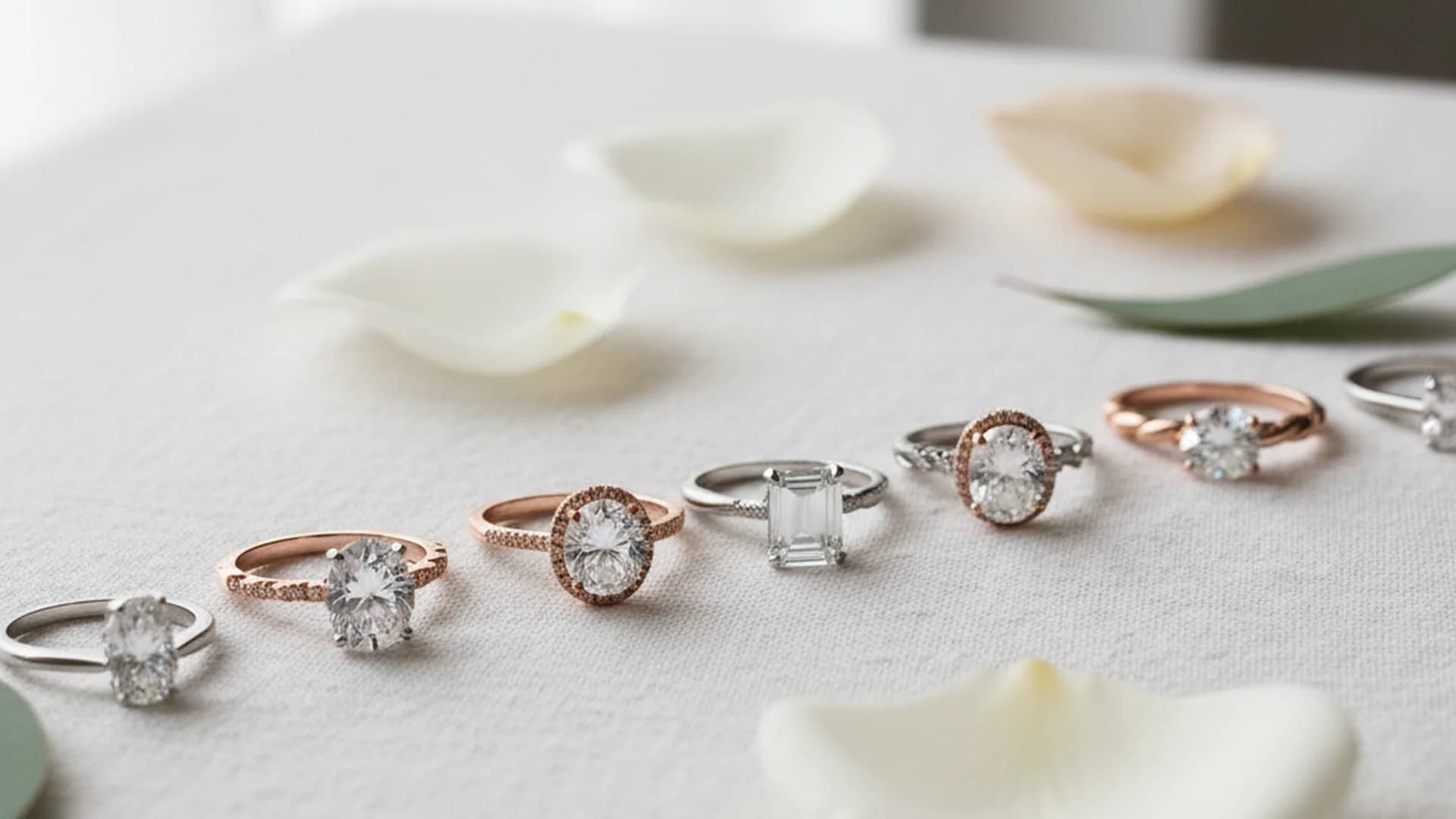
2025-2026 Guide to Engagement Ring Styles: Trends, Costs, and Expert Tips
Explore the top engagement ring styles for 2025-2026. From lab-grown diamond trends to vintage revivals and yellow gold's comeback, find your perfect ring.
The Ultimate Mens Wedding Band Guide: Metals, Styles, and 2025 Trends
Discover the perfect ring with our comprehensive Mens Wedding Band Guide. Explore top metals, 2025 trends like meteorite inlays, and expert tips on fit and sizing.