The Ultimate Guide to Matching Wedding Bands for 2025 and 2026
Discover the history, trends, and expert tips for choosing matching wedding bands. Learn how to coordinate styles, select metals, and avoid common mistakes.

- Modern couples prioritize personal style over identical matching.
- Metal density should be matched to prevent uneven wear and tear.
- 2025-2026 trends favor mixed metals, architectural forms, and sustainability.
For centuries, the exchange of rings has served as the emotional anchor of the wedding ceremony. As an interfaith wedding officiant, I have stood at the altar and witnessed thousands of couples slide these precious circles onto one another's fingers. Today, the concept of matching wedding bands is undergoing a fascinating evolution. While the tradition of identical sets remains a classic choice, many modern couples are now exploring "coordinated" designs that reflect their unique personalities while still honoring their union.
Whether you are drawn to the historical romance of identical gold bands or the contemporary appeal of mixed metals, choosing your rings is a significant milestone in your 12 month wedding planning checklist. With the global wedding ring market projected to reach over $80 billion by 2030, the options are more diverse—and more accessible—than ever before.
The History and Symbolism of Matching Sets
The tradition of matching wedding bands isn't just a modern marketing invention; it has deep roots in romantic history. During the Renaissance, "gimmel rings" were the height of fashion. These were designed as puzzle pieces—two or three interlocking bands that fit together to form a single ring. During the engagement period, the partners would each wear one part, and during the ceremony, the rings would be joined on the bride's finger.
Interestingly, the tradition of the groom wearing a band is much younger in Western culture. In the United States, it wasn't common for men to wear wedding bands until World War II. Soldiers stationed overseas began wearing rings as a tangible memento of their spouses back home, a sentimental practice that solidified the "matching set" as a standard in the American wedding industry.
To Match or Not to Match? Modern Etiquette
One of the most frequent questions I hear from couples is, "Do our wedding bands have to match each other?" The short answer is: absolutely not.
In the 2020s, the "rules" of wedding jewelry have been largely replaced by personal preference. Modern etiquette emphasizes comfort and self-expression. However, many couples still desire a sense of cohesion. You might choose to match through a "tether" element—perhaps the same metal, a shared inner engraving, or a matching texture—while keeping the overall silhouettes different.
Tip
Essential Considerations for Metal Selection
With gold prices reaching record highs in 2025, many couples are looking toward alternative materials. However, the metal you choose for your wedding band styles should be based on more than just the price tag.
Metal Density and Wear
A crucial technical tip often overlooked is the "hardness" factor. If you plan to wear your wedding band flush against your engagement ring, the metals should ideally have the same density.
Heads up
Platinum vs. White Gold
While they look identical to the naked eye, they behave very differently over time. White gold is an alloy that is plated in rhodium to give it its bright white finish. Over time, this plating wears off, requiring "replating" every 12 to 24 months. Platinum, conversely, is naturally white. It doesn't need replating, but it does develop a "patina"—a soft, matte finish caused by tiny scratches. Many find this patina desirable as it represents the "life" of the ring.
The Rise of Alternative Metals
For those with active lifestyles or manual jobs, traditional metals may not be the best fit. We are seeing a massive surge in:
- Tantalum: A rare, heavy, blue-grey metal that is highly scratch-resistant and hypoallergenic.
- Titanium: Extremely lightweight and durable, perfect for those who aren't used to wearing jewelry.
- Tungsten: Virtually scratch-proof, though it is brittle and can crack if dropped on a hard surface.
| Metal Type | Durability | Maintenance | Hypoallergenic |
|---|---|---|---|
| 14k Gold | Medium | Low/Medium | No (contains nickel) |
| Platinum | High | Low | Yes |
| Tantalum | Very High | Very Low | Yes |
| Titanium | Very High | Very Low | Yes |
Trending Styles for 2025 and 2026
If you are looking for inspiration, the next two years are defined by a move away from the "standard" plain band.
Mixed Metal Magic
The strict rule of sticking to one metal color is officially over. We are seeing a rise in two-tone matching wedding bands. For example, a couple might choose a white gold exterior with a hidden rose gold interior. This allows the rings to match each other while still coordinating with other jewelry the individuals may wear daily.
Architectural and Sculptural Forms
As engagement ring shapes become more diverse—with pear, marquise, and hexagon cuts leading the way—wedding bands are shifting to accommodate them. "Contoured" or "notched" bands that wrap around the center stone are incredibly popular. In 2026, expect to see more "open" bands that feature a gap in the center to allow a large gemstone to sit comfortably.
Bold "Cigar" Bands
Wide, chunky bands (ranging from 6mm to 10mm) are making a major comeback for all genders. These "cigar bands" offer a large canvas for unique textures. Instead of a high-polish finish, many couples are opting for "hammered," "brushed," or "sandblasted" finishes for a more organic, artisanal look.
Note
From the OurVows workspace
Ring sorted — now the wedding.
Set a realistic budget and a checklist that knows what's next, all in one free workspace.
Real-World Examples of Modern Matching
Example 1: The Coordinated Pair
Sarah has a vintage-style platinum engagement ring with intricate filigree. Her partner, Mark, works as a carpenter and prefers something rugged. They chose to coordinate rather than match. Sarah chose a thin, contoured platinum band with pavé diamonds, while Mark chose a brushed tantalum band. To link them, they both had the date of their first date engraved on the inside in the same font.
Example 2: The Mixed Metal Duo
Alex and Jordan wanted their rings to reflect their modern aesthetic. They selected matching 6mm bands that feature a "sandwich" design: a center stripe of yellow gold bordered by two outer edges of white gold. This allows them to wear both silver and gold watches or accessories without clashing.
Example 3: The Sustainable Set
Prioritizing ethical sourcing, Elena and Sam opted for matching wedding bands made from 100% recycled 18k gold. They chose identical "comfort fit" bands with a hammered texture, symbolizing that while their life together may have bumps, it is beautiful and enduring.
Common Mistakes to Avoid
When shopping for your rings, it is easy to get caught up in the aesthetics and forget the logistics. Avoid these common pitfalls:
- Buying Too Late: Many couples assume they can walk into a store and leave with rings the same day. In reality, sizing, engraving, and custom orders can take 3 to 6 months. Check your Wedding Band Guide to ensure you're on track.
- Forcing a Match: If one partner hates the look of yellow gold but the other insists on it for "matching" purposes, one person will eventually stop wearing their ring. Prioritize comfort and individual style over a "matchy-matchy" look.
- Ignoring the "Stack": If you are the partner wearing an engagement ring, always try the wedding band on with the engagement ring. A band that looks beautiful on its own might be too wide or too tall to sit comfortably on your finger alongside your diamond.
- DIY Sizing: Avoid using string or paper templates at home. Fingers swell based on the time of day, salt intake, and temperature. Visit a professional jeweler at least twice at different times of the day to ensure a perfect fit.
Do this
Frequently asked questions
Do our wedding bands have to match each other?
Should my wedding band match my engagement ring metal?
How far in advance should we buy our bands?
What is a "comfort fit" band?
Can we add diamonds to our wedding bands later?
Conclusion
Your wedding bands are perhaps the only part of your wedding day—aside from your love—that you will carry with you every single day for the rest of your lives. Whether you choose perfectly matching wedding bands that reflect a unified front or individualistic rings that celebrate your unique paths, the most important factor is that they feel like "you."
As you move forward in your journey, remember that these rings are more than just jewelry; they are a daily reminder of the vows you took and the future you are building together. Take the time to find a set that you will be proud to wear 50 years from now.
Do this
Ready when you are
Ready to Start?
Find the perfect rings to symbolize your love today.
Ready when you are
Plan your wedding without the chaos.
Free forever for couples just getting started. Two minutes to set up. No credit card.
Keep reading
The Ultimate Guide to Engagement Ring Insurance: Protecting Your Symbol of Love
Protect your investment with our comprehensive guide to engagement ring insurance. Learn about costs, 2025 trends, coverage types, and how to avoid common pitfalls.
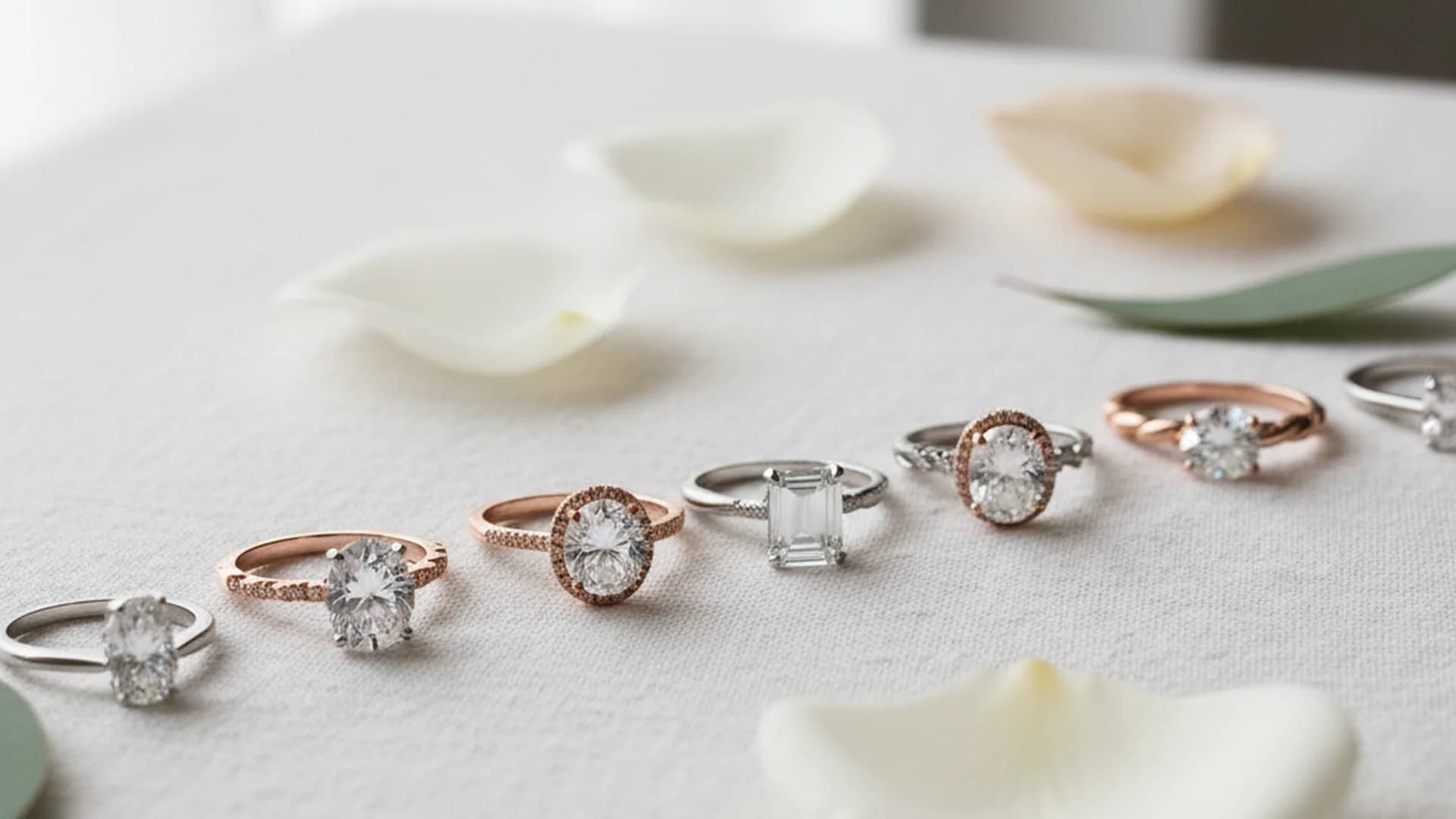
2025-2026 Guide to Engagement Ring Styles: Trends, Costs, and Expert Tips
Explore the top engagement ring styles for 2025-2026. From lab-grown diamond trends to vintage revivals and yellow gold's comeback, find your perfect ring.
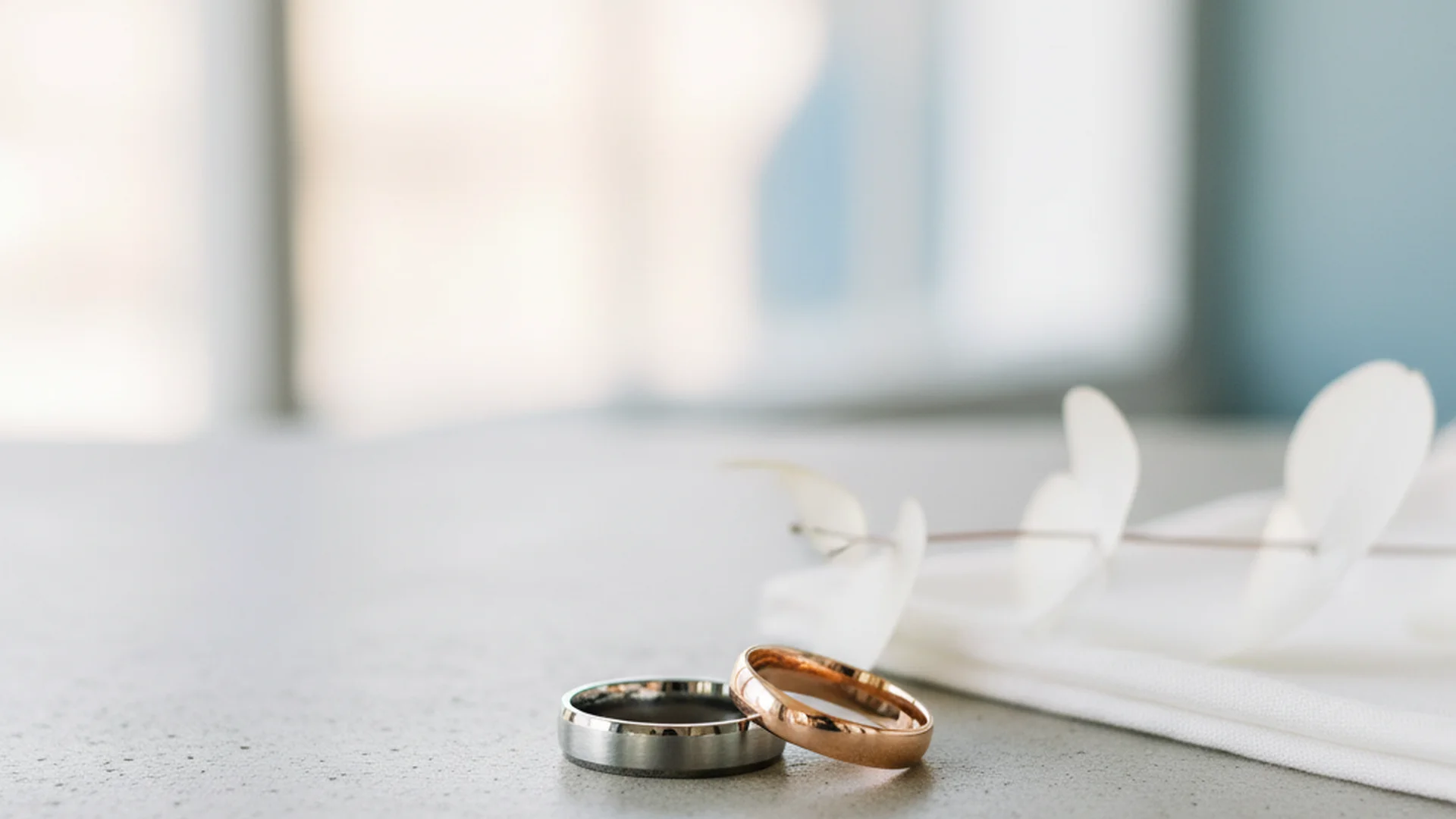
The Ultimate Mens Wedding Band Guide: Metals, Styles, and 2025 Trends
Discover the perfect ring with our comprehensive Mens Wedding Band Guide. Explore top metals, 2025 trends like meteorite inlays, and expert tips on fit and sizing.