The Ultimate Wedding Band Guide: Choosing Your Forever Ring for 2025 and Beyond
Navigate the process of selecting the perfect wedding rings with our expert Wedding Band Guide, featuring 2025 trends, metal comparisons, and cost breakdowns.
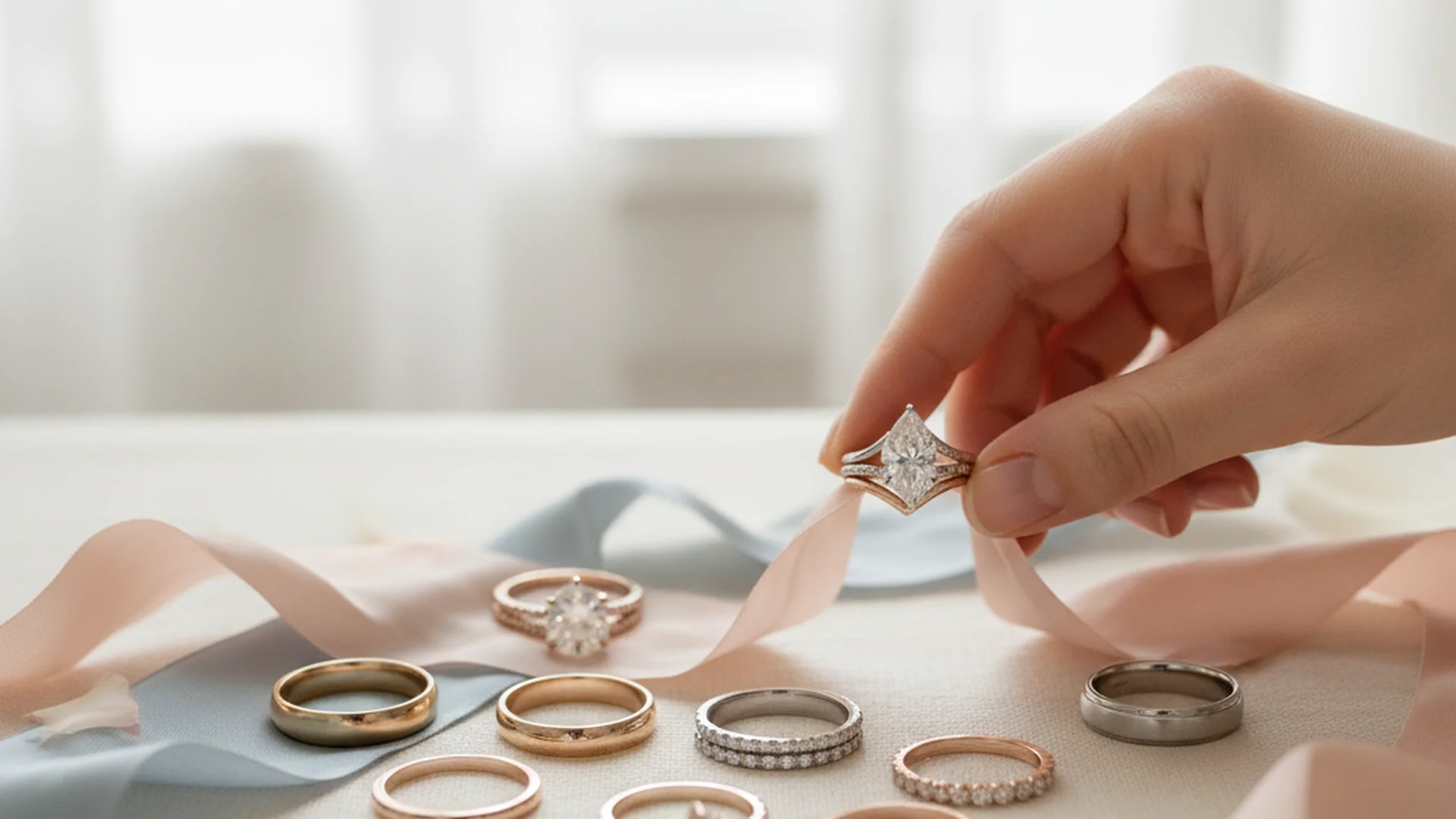
- Order bands at least 2-3 months before the ceremony.
- Match metal densities to prevent wear and tear.
- Sustainability is a priority, with many couples choosing lab-grown stones.
The exchange of rings is arguably the most poignant moment of a wedding ceremony. As an interfaith wedding officiant, I have watched thousands of couples slide these metal circles onto one another's fingers—a gesture that transcends language and culture. However, before that sacred moment can happen, you must navigate the practicalities of the search. This Wedding Band Guide is designed to take the stress out of the selection process, ensuring the rings you choose are as enduring as the vows you speak.
Selecting a wedding band is a different journey than choosing an engagement ring. While the engagement ring is often about the "wow" factor and the proposal, the wedding band is about daily life, comfort, and the long-term "we." With the jewelry landscape shifting toward more personalized and ethical choices, understanding the modern market is essential for any couple planning their 2025 or 2026 nuptials.
Understanding the Investment: Costs and Logistics
Before diving into aesthetics, it is helpful to understand the financial landscape of the jewelry industry today. The price of a wedding band varies significantly based on the material, the presence of gemstones, and the level of craftsmanship involved.
In 2025, we are seeing a clear divide in the men’s market. A classic, high-quality gold band averages approximately $1,000. Conversely, the rise of alternative materials like tungsten and titanium has provided a budget-friendly and durable entry point, with these bands averaging around $300. For women’s bands, the traditional rule of thumb is that the band should cost roughly 20% of the engagement ring's price. Given that the average spend on a Diamond Engagement Ring Guide sits around $5,200, most women’s bands fall into the $1,000 to $1,200 range.
Tip
The Rise of Customization and Sustainability
The "off-the-shelf" era is fading. Today, a majority of couples choose specially crafted or customized wedding rings. This shift allows couples to incorporate personal symbolism—such as an engraving of their wedding date or a "hidden" birthstone—into the design.
Sustainability has also become a non-negotiable for the modern shopper. A growing number of couples now opt for lab-grown stones or recycled metals. Choosing lab-grown stones allows for a larger or higher-quality look while prioritizing ethical sourcing and budget management.
Metals and Materials: Making the Right Choice
Choosing a metal isn't just about color; it’s about durability and lifestyle. Gold remains the king of the industry, accounting for the majority of wedding rings globally. Interestingly, while white gold held the top spot for years, yellow gold has been climbing in popularity recently as couples lean into vintage and "warm" aesthetics.
The Durability Factor
When choosing gold, you will likely choose between 14k and 18k. Many couples assume that a higher karat is always better, but this is a common misconception.
Heads up
If you have a highly active lifestyle or work with your hands, consider these options:
- Platinum: Extremely durable and naturally white. It doesn't require "re-plating" like white gold does.
- Tungsten: Virtually scratch-proof, though it cannot be resized.
- Titanium: Lightweight and incredibly strong.
| Metal Type | Pros | Cons |
|---|---|---|
| 14k Gold | Durable, affordable, classic | Can scratch over decades |
| Platinum | Hypoallergenic, dense, prestigious | More expensive, heavy |
| Tungsten | Highly scratch-resistant | Cannot be resized |
| Titanium | Lightweight, budget-friendly | Difficult to resize |
2025–2026 Wedding Band Trends
The trends for the upcoming wedding seasons are all about breaking tradition and embracing "quiet luxury" alongside bold, architectural statements.
Mixed Metal Magic
The "matched set" is no longer a requirement. One of the top trends for 2025 is the "un-matched" look. For example, a bride might pair a yellow gold engagement ring with a platinum or rose gold band. This creates a curated, effortless aesthetic that feels more like a personal collection than a pre-packaged set.
Textured and Hammered Finishes
Couples are moving away from the high-polish look in favor of organic, artisanal finishes. Sandblasted, hammered, and "bark" textures are increasingly popular for those who want a ring that feels unique and tactile.
Bold and Chunky Bands
Contrast the "whisper thin" bands of the last decade with the current return to substance. We are seeing a surge in 5mm+ wide metal bands for both men and women. These "cigar bands" offer a modern, confident look that stands alone beautifully.
Note
From the OurVows workspace
Ring sorted — now the wedding.
Set a realistic budget and a checklist that knows what's next, all in one free workspace.
How to Match Your Band to Your Engagement Ring
If you plan to wear your wedding band flush against your engagement ring, there are technical considerations to keep in mind.
Match Your Metal Densities
This is a critical expert recommendation: always match your metals. If you wear a Platinum band next to an 18k Gold engagement ring, the harder Platinum will slowly "file down" the softer gold over years of friction. To preserve your rings, keep like with like.
The "Stack" and Silhouette
Not all rings are designed to sit together. If your engagement ring has a low-set stone, a straight wedding band may leave a large gap. In this case, you may need a contoured (curved) band or a "pointed" band to hug the center stone.
Tip
Real-World Example: The Active Professional
Take Sarah, a surgeon who wears gloves daily. She chose a low-profile platinum band with a flush-set diamond. This ensured her ring wouldn't catch on her gloves or harbor bacteria in high-set prongs. For her, "Comfort Fit" (a domed interior) was essential to prevent the ring from pinching during long shifts.
Common Mistakes to Avoid
Choosing a ring that looks beautiful in a showroom is easy; choosing one you can live with for 50 years requires more foresight.
1. Prioritizing Style Over Comfort
A wide, heavy ring might look incredible on a display velvet, but if it irritates the skin between your fingers or prevents you from making a fist, you will eventually stop wearing it. Always prioritize how it feels when your hand is in motion.
2. Waiting Until the Last Minute
Many couples leave ring shopping for their 1 Month Before Wedding Checklist. This is a mistake. Custom orders, unique sizes, or intricate engravings can take 6 to 8 weeks to complete.
Heads up
3. DIY Sizing
Don't use string or paper at home. Finger size changes with temperature, humidity, and the time of day. Professional sizing is mandatory. It is best to measure your finger in the late afternoon when your hands are at their largest.
4. Resizing Misconceptions
Be aware that "tough" alternative metals like tungsten, titanium, and cobalt cannot be resized. If your finger size changes due to health, age, or lifestyle, these rings must be replaced entirely. If you want a "forever" metal that can grow with you, stick to gold or platinum.
Frequently asked questions
Do our wedding bands have to match?
When should we buy our bands?
What is a "Comfort Fit"?
Who traditionally buys the bands?
Can I wear my wedding band without my engagement ring?
Conclusion
Your wedding bands are more than just jewelry; they are the physical manifestation of the promises you make on your wedding day. Whether you opt for a classic yellow gold band that mirrors generations past or a sculptural, mixed-metal piece that reflects your unique style, the key is to choose with intention. By following this Wedding Band Guide, you ensure that your rings are durable, comfortable, and a perfect reflection of your partnership.
Remember to consult your 12 Month Wedding Planning Checklist to ensure you have allocated enough time for this important purchase. When the moment comes to exchange these rings at the altar, you will do so knowing they were chosen with both your heart and your head.
Do this
Ready when you are
Plan Your Budget
Use our tools to calculate your jewelry spend and stay on track.
Ready when you are
Plan your wedding without the chaos.
Free forever for couples just getting started. Two minutes to set up. No credit card.
Keep reading
The Ultimate Guide to Engagement Ring Insurance: Protecting Your Symbol of Love
Protect your investment with our comprehensive guide to engagement ring insurance. Learn about costs, 2025 trends, coverage types, and how to avoid common pitfalls.
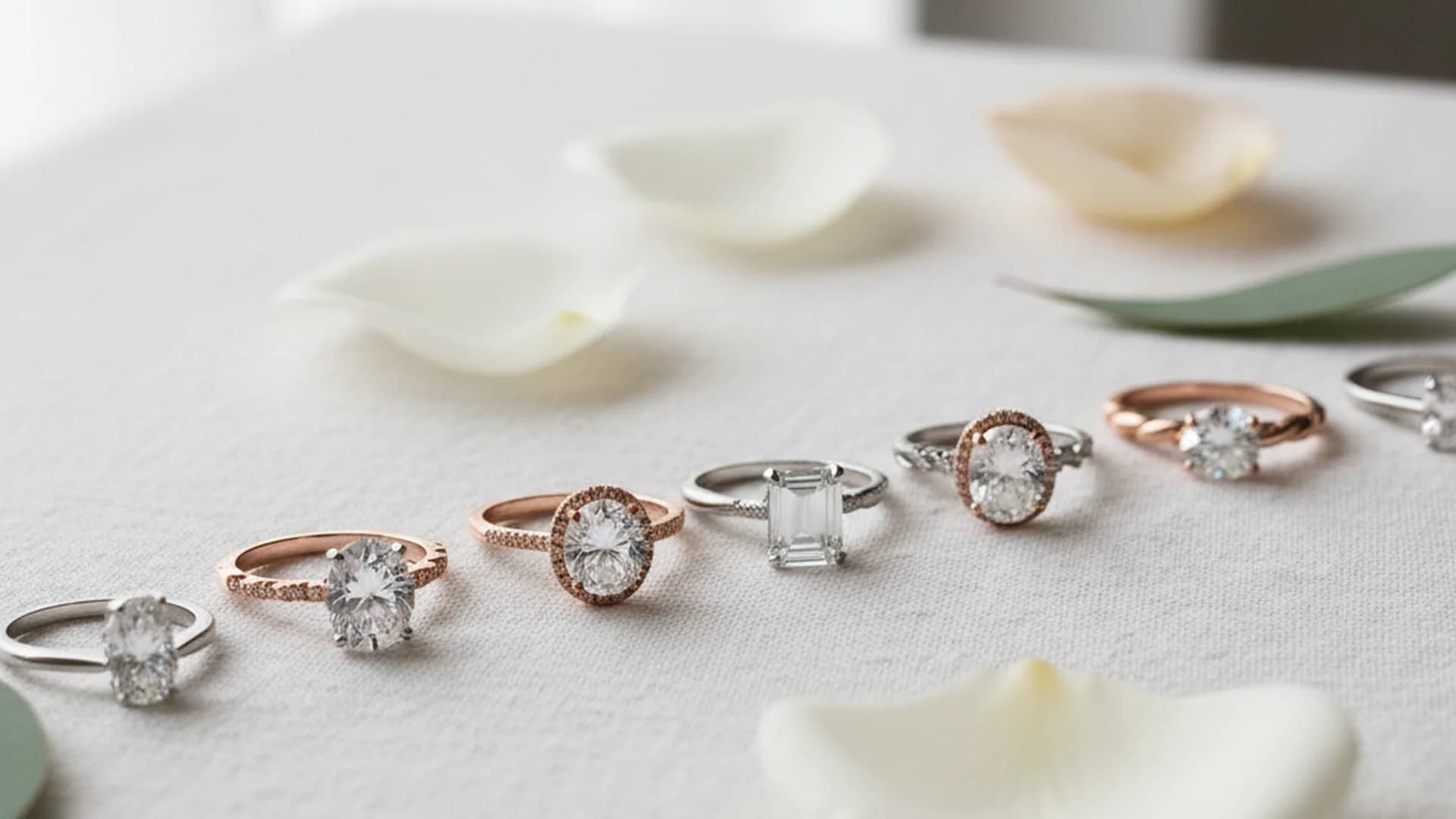
2025-2026 Guide to Engagement Ring Styles: Trends, Costs, and Expert Tips
Explore the top engagement ring styles for 2025-2026. From lab-grown diamond trends to vintage revivals and yellow gold's comeback, find your perfect ring.
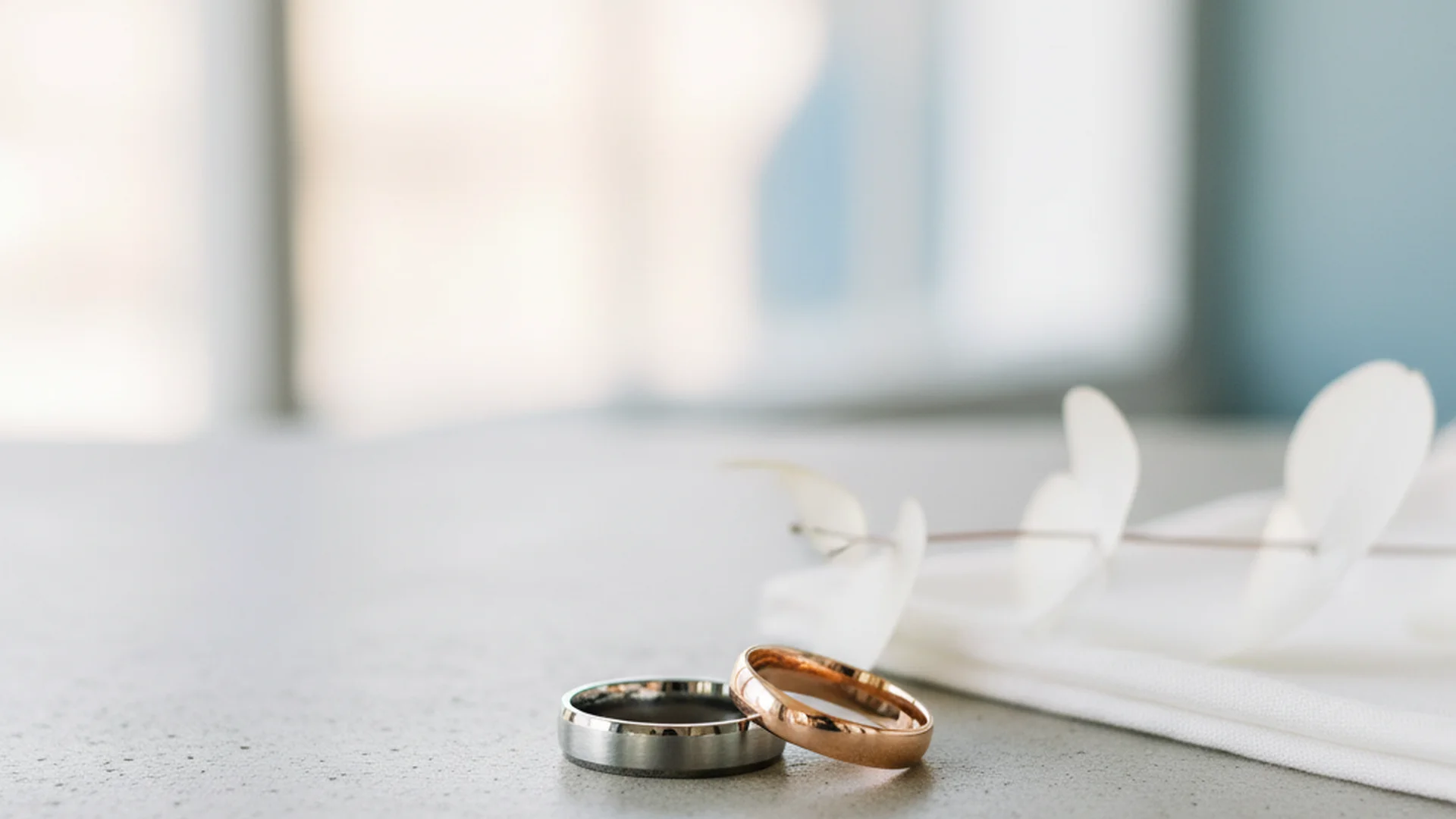
The Ultimate Mens Wedding Band Guide: Metals, Styles, and 2025 Trends
Discover the perfect ring with our comprehensive Mens Wedding Band Guide. Explore top metals, 2025 trends like meteorite inlays, and expert tips on fit and sizing.