How to Build a DIY Wedding Arch: The Complete 2025-2026 Guide
Learn how to build and decorate a DIY wedding arch with professional tips on stability, floral mechanics, and 2026 trends. Create a stunning ceremony focal point.
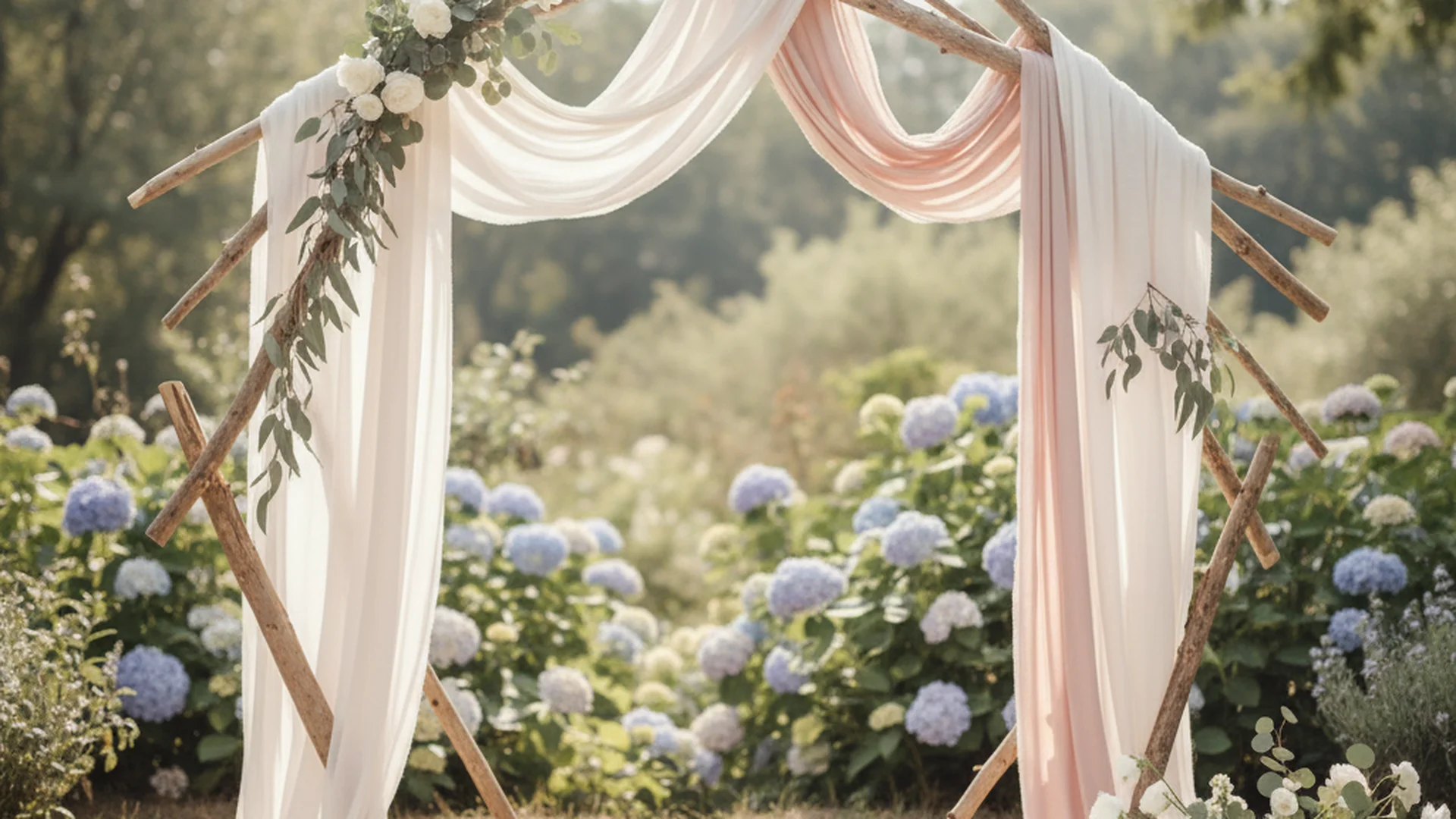
- The ideal arch dimensions are 7–8 feet tall and 5–6 feet wide to frame a couple perfectly.
- Stability is the most critical factor; use weighted bases like sandbags or concrete-filled planters.
- 2025-2026 trends favor grounded floral arches and sustainable, repurposable structures.
As an interfaith wedding officiant, I have stood beneath hundreds of ceremony structures. I have seen everything from breathtaking hand-carved mahogany arbors to, unfortunately, a PVC pipe frame that tipped over the moment a light breeze caught the peonies. The ceremony arch is more than just a backdrop; it is the visual anchor of your "I Do" moment and the frame for the photos you will cherish for decades.
Choosing a DIY wedding arch is a brilliant way to infuse your personality into the ceremony while keeping your budget intact. Whether you are dreaming of a minimalist copper frame or an "overgrown" botanical masterpiece, building it yourself is entirely achievable with the right planning. In this guide, we will walk through the mechanics, costs, and safety requirements to ensure your DIY project looks professional and stays upright.
Planning Your DIY Wedding Arch: Dimensions and Costs
Before you head to the hardware store, you need to understand the scale of the space you are filling. A common mistake couples make is building an arch that looks "dinky" in a wide-open outdoor field or one so tall it hits the rafters of an indoor loft.
The "Goldilocks" size for a standard ceremony arch is 7–8 feet tall and 5–6 feet wide. This height ensures that even a tall groom and an officiant have plenty of clearance, while the width allows the couple to stand comfortably within the frame without feeling "crammed in."
Material Cost Breakdown (2025 Benchmarks)
The cost of your arch depends heavily on the "skeleton" you choose. Here is what you can expect to spend on the frame alone:
| Material Type | Estimated Cost | Pros | Cons |
|---|---|---|---|
| PVC Pipe | <$20 | Extremely budget-friendly, lightweight | Requires significant camouflage; unstable in wind |
| Copper Pipe | $80–$100 | Elegant, modern, minimal decor needed | Can be "swayey" if not reinforced |
| Standard Wood (4x4) | ~$200 | Very sturdy, classic look | Heavy to transport; requires power tools |
| Rental Frames | $30–$250 | No storage issues post-wedding | Limited customization; strict return windows |
Note
Choosing Your Style: Three Real-World DIY Examples
To help you decide which path to take, let’s look at three popular DIY directions that are trending for the 2025-2026 wedding seasons.
1. The Industrial Copper Pipe Arch
This is a favorite for "modern-meets-romantic" weddings. Copper pipe is available at any home improvement store and can be assembled using pressure-fit elbows and T-joints. It’s thin and elegant, meaning you don't need to cover the whole thing in flowers to make it look "finished."
2. The Classic Wooden 4x4 Arbor
For a rustic or garden wedding, nothing beats the stability of wood. Using 4x4 pressure-treated beams creates a sense of permanence and "groundedness." This is the best option if you plan to use heavy floral installations, as the wood can easily support the weight of wet floral foam or heavy branches.
3. The "Grounded" Arch (The 2026 Trend)
In 2025 and 2026, we are seeing a shift away from physical frames entirely. The "grounded wedding arch" consists of two lush, crescent-shaped floral arrangements that sit directly on the floor. This creates a "nest" for the couple. It is the ultimate DIY hack because there is no heavy construction involved—just floral mechanics and heavy bases.
Do this
Ensuring Stability: How to Stop Your Arch from Falling Over
If there is one thing I emphasize to every couple I work with, it is stability. An arch is essentially a giant sail. If you add fabric or flowers to a lightweight frame, a 10mph breeze can turn your ceremony into a safety hazard.
Hidden Weighting Techniques
Never rely on the arch's own weight to keep it upright. Use these "hidden" mechanics:
- Concrete Buckets: Place the legs of your arch into 5-gallon buckets and fill them with quick-set concrete. You can then place these buckets inside decorative wooden crates or oversized ceramic planters.
- Sandbags: Use professional photographer sandbags (which are black and low-profile) to drape over the base feet of a metal arch. Cover them with moss, extra greenery, or fabric.
- Cinder Blocks: For wooden arches, a cinder block at each base provides immense stability. These are easily hidden by "overgrown" floral arrangements at the bottom of the posts.
Heads up
Floral Mechanics: The "Secret Weapons" of DIYers
Once the frame is built, you need to dress it. Many DIYers make the mistake of trying to "tape" flowers to a frame. Professional florists use a system of mechanics to ensure the flowers stay hydrated and secure.
The Greenery-First Rule
Always start with a heavy greenery base (like Eucalyptus, Smilax, or Ruscus). Greenery is significantly cheaper than "star" flowers and serves to hide your mechanics—the wires, foam, and ties. Once the frame looks "full" with green, you can tuck in your expensive blooms.
Essential Tools
- Zip Ties: These are the unsung heroes of the wedding world. Use clear or green zip ties to secure floral cages or branches to the frame. They are much stronger than floral wire.
- Chicken Wire: If you are doing a "full" floral look, wrap a section of the frame in chicken wire. This creates a "grid" that allows you to poke stems in at various angles.
- Floral Cages: For fresh flowers, use pre-soaked floral foam cages that can be zip-tied directly to the wood or metal.
Tip
From the OurVows workspace
Planning a wedding is a lot. We make it feel like less.
Checklist, budget, guest list, and a wedding website — together in one free workspace built for both of you.
2025–2026 Wedding Decor Trends
As we look toward 2026, the DIY wedding arch is evolving. We are moving away from the perfectly symmetrical "Pinterest-standard" and moving toward more organic, personalized designs.
- Sustainability & Repurposing: Couples are designing arches that can be dismantled and used as garden trellises or headboards after the big day. Consider using DIY Wedding Decorations that have a second life.
- Celestial Dreamscapes: Incorporating iridescent fabrics, hidden LED "star" strings, and crescent moon shapes into the frame.
- Overgrown Maximalism: This trend features vines that look like they are "reclaiming" the structure, making it look like the arch grew out of the venue floor.
- Hyper-Personalization: I recently officiated a wedding where the couple wove heirloom lace from both of their grandmothers into the arch's fabric draping. It was a beautiful way to honor their heritage.
Common Mistakes to Avoid
- Ignoring the "SUV Test": Many couples build a stunning 8-foot wooden arch in their garage only to realize it doesn't fit in their car or through the venue’s double doors. Design for deconstruction. Ensure your arch can be broken down into 3 or 4 manageable pieces.
- Underestimating Floral Density: A "sparse" arch often looks accidental in high-resolution photos. If you are on a tight budget, it is better to have one lush, asymmetrical floral corner than a thin, spindly layer of flowers across the whole frame.
- The Morning-of Meltdown: If you are using fresh flowers, they must be added as late as possible (4–6 hours before). However, the structure and the greenery base should be prepped 24 hours in advance.
- Venue Restrictions: Always check your contract. Some venues forbid drilling into floors or even leaning heavy objects against certain walls. If you're unsure about the venue's rules, a DIY Wedding Planning Guide can help you navigate those conversations.
| DIY Task | Timeline | Who Should Do It? |
|---|---|---|
| Build the Frame | 2-4 Weeks Before | Couple/Groom/Bride |
| Prep Greenery Base | 24 Hours Before | DIY Team/Family |
| Add "Star" Flowers | 4-6 Hours Before | Design Captain |
| Move to Reception | After Ceremony | Groomsmen/Staff |
Frequently asked questions
How hard is it to build a wedding arch for a beginner?
Should I use real or faux flowers for my DIY arch?
How do I transport an 8-foot arch?
Can I move the arch from the ceremony to the reception?
Conclusion
Building your own DIY wedding arch is a rewarding project that literally frames the beginning of your new life together. By focusing on stability first, choosing a style that fits your skill level, and following the "greenery-first" rule of floral design, you can create a professional-looking focal point for a fraction of the cost of a rental.
Remember, the arch is there to celebrate your union. Whether it’s a simple copper frame or a lush, grounded floral "nest," the most important thing is that it stands strong—just like the vows you’ll exchange beneath it. For more ways to personalize your big day, check out our guide on DIY Wedding Centerpieces to keep the aesthetic consistent across your entire venue.
Ready when you are
Ready to Start?
Build your dream ceremony backdrop with our easy planning tools.
Ready when you are
Plan your wedding without the chaos.
Free forever for couples just getting started. Two minutes to set up. No credit card.
Keep reading

Complete Guide to DIY Wedding Aisle Decorations: Trends, Costs, and Logistics
Learn how to design stunning DIY wedding aisle decorations. From flower math to 2026 trends, our expert guide covers costs, safety, and sustainable styling.
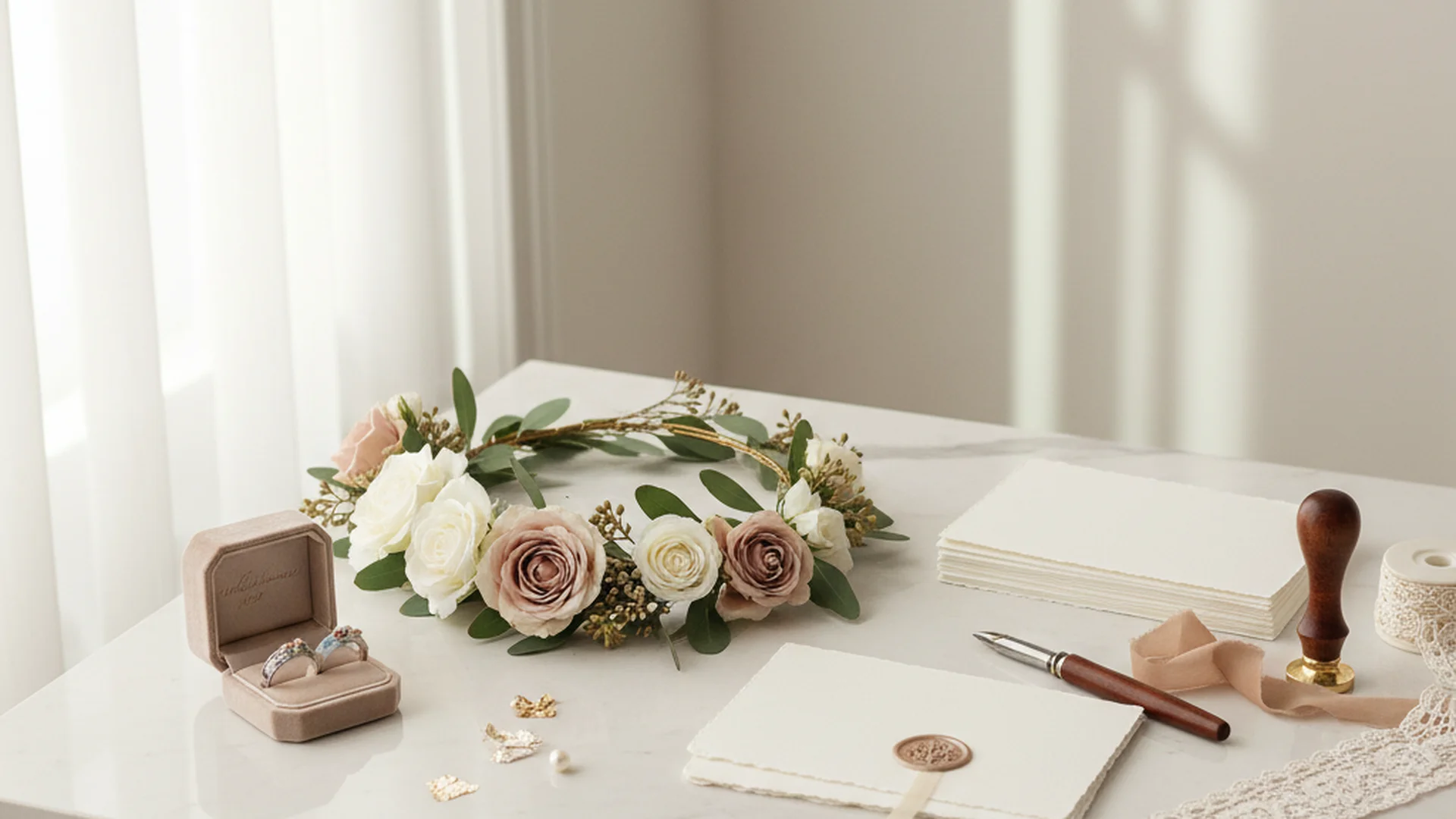
What to DIY for Wedding: The Savvy Couple’s Guide to 2025/2026 Trends
Wondering what to DIY for wedding celebrations this year? Discover the best projects, cost-saving stats, and 2026 trends to personalize your big day without the stress.
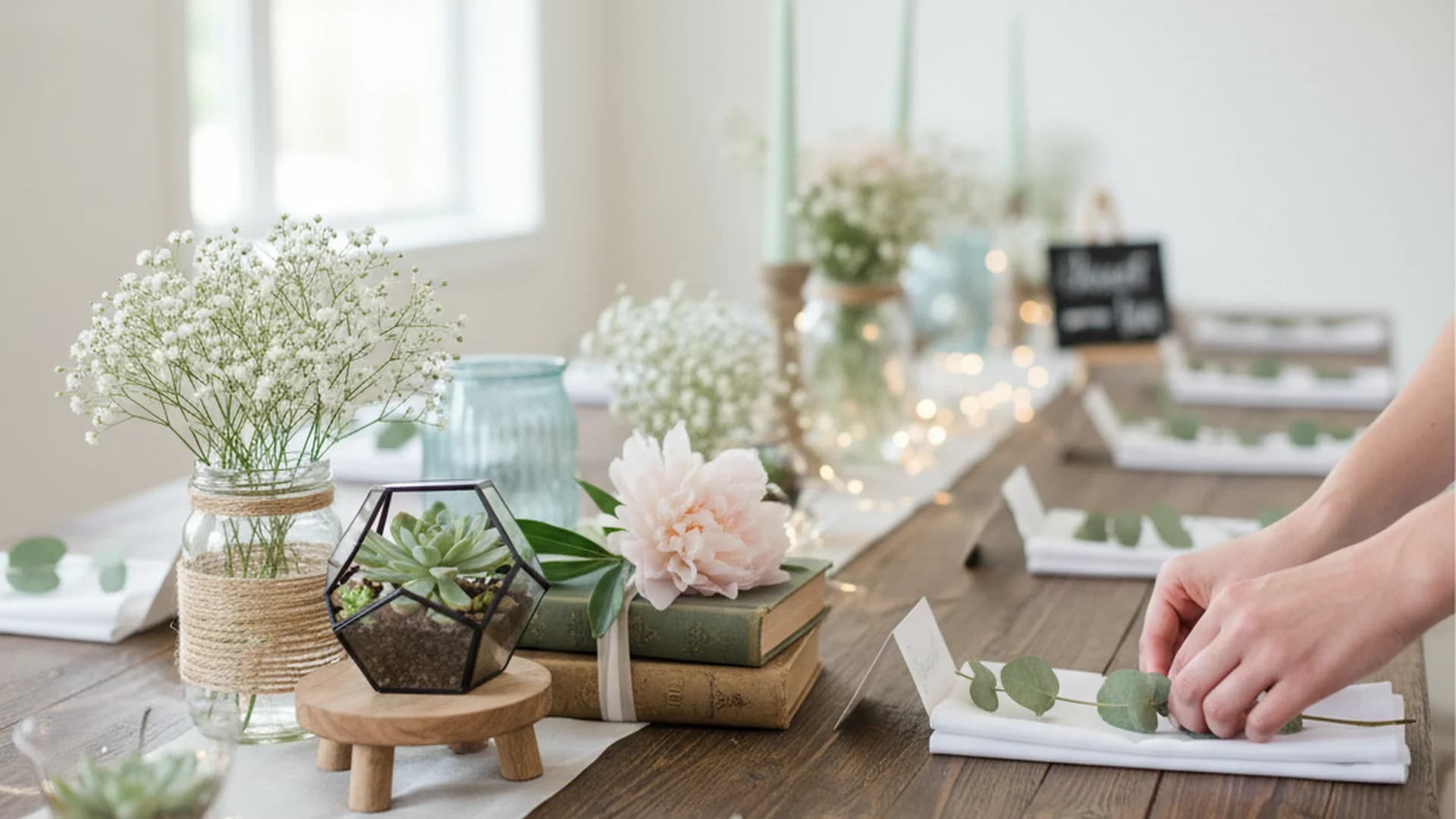
Creative DIY Wedding Reception Ideas for 2025-2026
Explore the top DIY wedding reception ideas for 2025 and 2026. From meadowcore centerpieces to sustainable decor, learn how to style your big day on a budget.