The Ultimate Guide to DIY Wedding Centerpieces: 2025 Trends and Tips
Save thousands with DIY wedding centerpieces. Explore 2025-2026 trends, cost-saving tips, and expert floral advice for your beautiful, budget-friendly tablescapes.
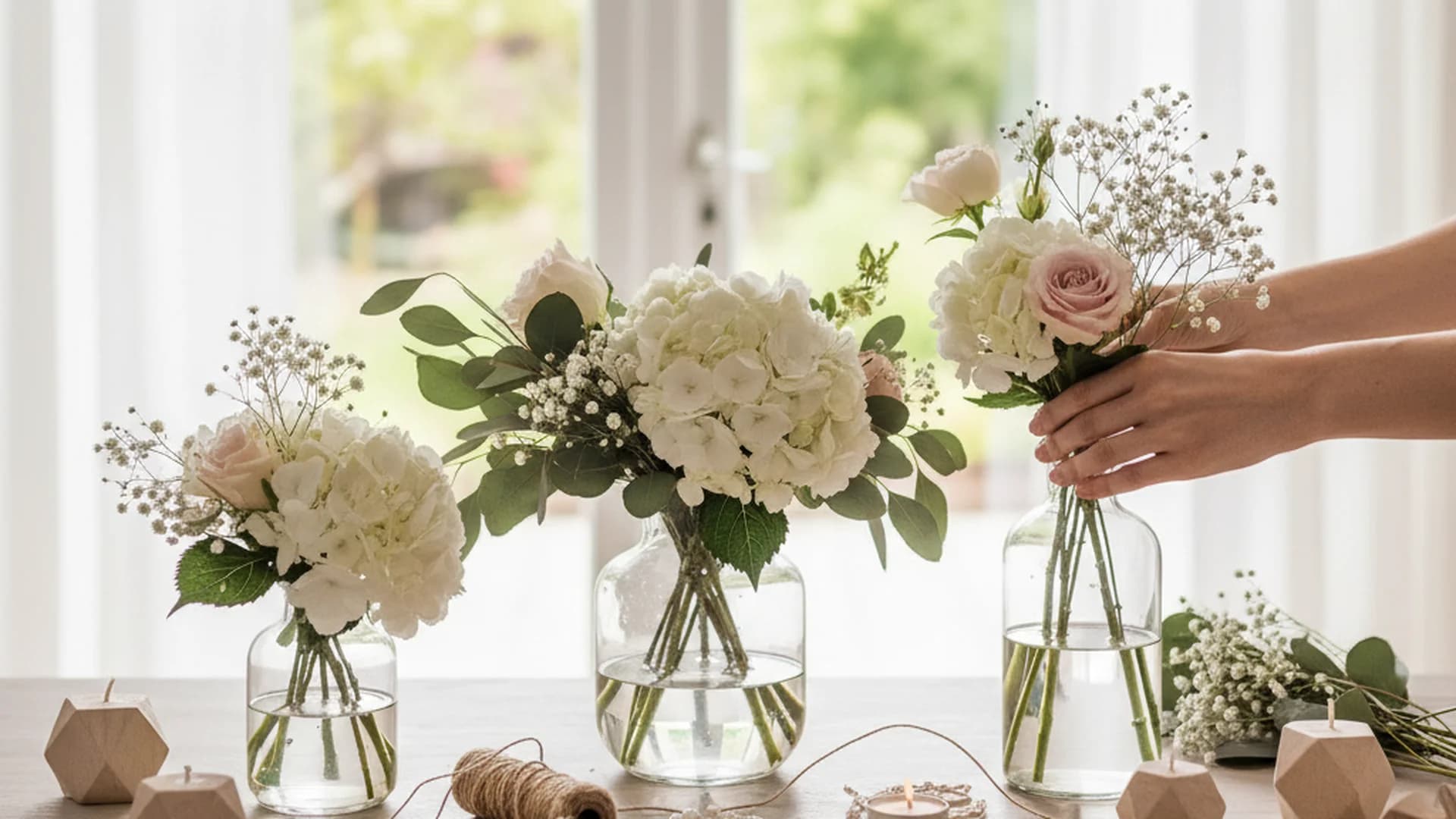
- DIY centerpieces can reduce costs from $600 to under $100 per table.
- Sustainability and "living decor" are the leading trends for the 2025-2026 seasons.
- Always follow the "Under 12 or Over 24" rule to ensure guest conversation is not blocked.
Planning a wedding is a beautiful journey, but it often comes with a significant financial weight. As a relationship counselor, I often see how the stress of wedding expenses can impact a couple's early days of marriage. One of the most effective ways to reclaim your creative vision and manage your finances is by tackling your own DIY wedding centerpieces. By choosing to design your own tablescapes, you aren't just saving money; you are infusing your celebration with personal meaning and a unique touch that professional florists often can't replicate.
In this guide, we will dive into everything you need to know about creating stunning, professional-grade centerpieces for your 2025 or 2026 wedding. From the rise of "edible aesthetics" to the logistical secrets of transporting fresh blooms, we’ve gathered the latest data and expert advice to ensure your DIY journey is as stress-free as possible.
The Financial Reality of Wedding Decor
Before you pick up your first pair of floral shears, it is essential to understand the "why" behind the DIY movement. The national average for professional wedding flowers has climbed to roughly $2,723. For many couples, individual centerpieces can cost anywhere from $50 to $600 each.
When you choose DIY wedding centerpieces, those costs can drop dramatically to between $20 and $100 per table. This shift is particularly important given that many couples report the economy influenced their 2024–2025 planning, often leading them to reduce guest counts or opt for handmade decor.
Tip
Top DIY Wedding Centerpiece Trends for 2025–2026
The landscape of wedding decor is shifting away from the ultra-minimalist "white and green" aesthetic of the early 2020s. We are entering an era of bold colors, unique textures, and sustainable choices.
1. Edible Aesthetics
One of the most exciting trends for 2025 is the integration of fruits and vegetables into floral arrangements. This "still-life" approach adds an organic, Dutch-master-inspired feel to your tables.
- Summer Weddings: Think bright citrus—sliced lemons in clear vases, or whole oranges nestled among eucalyptus.
- Winter Weddings: Opt for "moody" stone fruits like deep purple grapes, pomegranates, and dark cherries to add depth and a touch of luxury.
2. Sustainable "Living" Decor
With many couples prioritizing sustainability, living centerpieces are a major 2025 forecast. Instead of cut flowers that will fade in a few days, couples are using:
- Potted Herbs: Rosemary, mint, and lavender provide a wonderful scent and can be used in the couple's new home or given away as DIY Wedding Favors.
- Orchids and Ferns: These create a lush, tropical atmosphere and are surprisingly resilient throughout a long reception.
3. 80s Maximalism
Minimalism is taking a backseat to "unapologetic maximalism" for 2026. This trend includes bold bows, silver accents, and layered linens. If you want your tables to feel like a high-fashion event, don't be afraid to mix patterns and use vibrant, contrasting colors.
4. Surrealist and Sculptural Florals
Inspired by modern art, this trend focuses on the unique shapes of individual blooms. Rather than a dense bouquet, you might see a single, gravity-defying Anthurium or a sculptural Calla Lily in a minimalist vase. It’s about quality over quantity and making each stem a piece of art.
Do this
Best Practices for DIY Success
Creating your own centerpieces requires more than just a trip to the flower market. To ensure your tables look professional and last through the final dance, follow these expert-vetted rules.
The 48-Hour Rule
Timing is everything. You should pick up your wholesale flowers 2–3 days before the wedding to allow them to "hydrate" and open fully in a cool, dark place. However, the actual assembly of your DIY wedding centerpieces should happen no more than 1–2 days before the event. This ensures the blooms are at their peak freshness.
The "Under 12 or Over 24" Rule
There is nothing more frustrating for a guest than trying to talk to the person across from them through a wall of flowers. To avoid this "conversation killer," ensure your centerpieces are either:
- Under 12 inches tall: Keeping the sightline clear.
- Over 24 inches tall: Using thin pedestals or glass stands so the floral mass is well above head height.
Create a "Recipe"
Consistency is the hallmark of a professional. Before you start mass-producing your arrangements, create a prototype and write down a "recipe." For example:
- 3 Standard Roses
- 2 Stems of Seeded Eucalyptus
- 1 White Hydrangea (for base volume)
- 3 Stems of Ruscus
Having a recipe ensures that table #1 looks just as full and beautiful as table #20.
Note
Logistics: Transporting Your Masterpieces
The biggest challenge of DIY decor isn't the design; it's the delivery. Moving 15–20 glass vases filled with water and fragile flowers is a recipe for disaster if you don't have a plan.
Transport Tips:
- The Cardboard Box Hack: Use heavy-duty cardboard boxes and cut holes in the top that are the exact diameter of your vases. This keeps them from sliding around in the car.
- Water Levels: Only fill your vases one-third full during transit. This prevents spills and keeps the weight manageable. Bring several gallons of water and a small pitcher to finish filling the vases once they are placed on the tables at the venue.
- Temperature Control: Keep your vehicle’s air conditioning on high. Flowers are incredibly sensitive to heat and direct sunlight.
Heads up
From the OurVows workspace
Planning a wedding is a lot. We make it feel like less.
Checklist, budget, guest list, and a wedding website — together in one free workspace built for both of you.
3 Real-World DIY Centerpiece Examples
Example 1: The Sustainable Herb Garden
A couple wanting a "zero-waste" wedding used terracotta pots filled with organic basil, rosemary, and thyme. They wrapped the pots in simple linen and used a small chalkboard stake to indicate the table number. After the wedding, guests were encouraged to take the plants home.
- Cost: ~$15 per table.
- Impact: Smelled amazing and served as both decor and favor.
Example 2: The Modern Citrus Spread
For a summer wedding, a couple opted for a "no-floral" centerpiece. They used long wooden troughs filled with whole lemons, limes, and loose olive branches. They peppered in LED pillar candles for a warm evening glow.
- Cost: ~$25 per table.
- Impact: Bright, fresh, and required zero water or floral foam.
Example 3: The Mismatched Vintage Bud Vases
Using a collection of ocean blue and amber glassware found at thrift stores, a couple placed 5–7 small vases of varying heights in the center of each table. Each vase held 1–2 stems of "grocery store" flowers like Carnations and Queen Anne's Lace.
- Cost: ~$35 per table (including the cost of the vases).
- Impact: A sophisticated, eclectic look that felt high-end but was very easy to assemble.
Common Mistakes to Avoid
Even the most organized couples can run into trouble. Avoid these common pitfalls to keep your wedding prep smooth:
- Scent Overload: Avoid highly scented flowers like Stargazer Lilies or heavy scented candles. These can interfere with the smell and taste of your catering, and some guests may have allergies.
- The "Assembly on Site" Trap: Never plan to put your centerpieces together at the venue on the morning of the wedding. It is messy, stressful, and usually forbidden by venue contracts that require you to be "show-ready" upon arrival.
- Ignoring Venue Policies: Many modern venues have banned floral foam due to microplastics or open flames due to fire hazards. Always check your contract before purchasing supplies.
- Overestimating Your Skill: While a floral arch looks amazing on Pinterest, it's often a bridge too far for a first-timer. Stick to tablescapes and DIY Wedding Decorations that you can realistically manage.
| Feature | Professional Florist | DIY Centerpieces |
|---|---|---|
| Average Cost | $50 - $600 per table | $20 - $100 per table |
| Stress Level | Low (they do it all) | High (requires planning) |
| Personalization | Collaborative | Infinite |
| Logistics | Handled by Pro | Handled by You |
Frequently asked questions
Is DIY always cheaper than hiring a professional?
How do I keep my flowers from wilting?
Can I use artificial flowers for my centerpieces?
How do I preserve the centerpieces after the wedding?
Conclusion
Creating your own DIY wedding centerpieces is a rewarding way to take ownership of your wedding day. While it requires careful planning and a bit of "elbow grease," the result is a celebration that feels deeply personal and financially responsible. By following the 48-hour rule, sticking to the conversation-friendly height limits, and embracing the 2025 trends of sustainability and edible aesthetics, you’ll create a beautiful atmosphere that your guests will remember for years to come.
Ready when you are
Ready to Start?
Use our checklist to track every wedding task and stay on budget.
Do this
Ready when you are
Plan your wedding without the chaos.
Free forever for couples just getting started. Two minutes to set up. No credit card.
Keep reading

Complete Guide to DIY Wedding Aisle Decorations: Trends, Costs, and Logistics
Learn how to design stunning DIY wedding aisle decorations. From flower math to 2026 trends, our expert guide covers costs, safety, and sustainable styling.
What to DIY for Wedding: The Savvy Couple’s Guide to 2025/2026 Trends
Wondering what to DIY for wedding celebrations this year? Discover the best projects, cost-saving stats, and 2026 trends to personalize your big day without the stress.
Creative DIY Wedding Reception Ideas for 2025-2026
Explore the top DIY wedding reception ideas for 2025 and 2026. From meadowcore centerpieces to sustainable decor, learn how to style your big day on a budget.