The Ultimate Guide to DIY Wedding Signs (2025-2026)
Save up to 75% on your wedding decor with our expert guide to DIY wedding signs. Explore 2025-2026 trends, material hacks, and essential checklists.
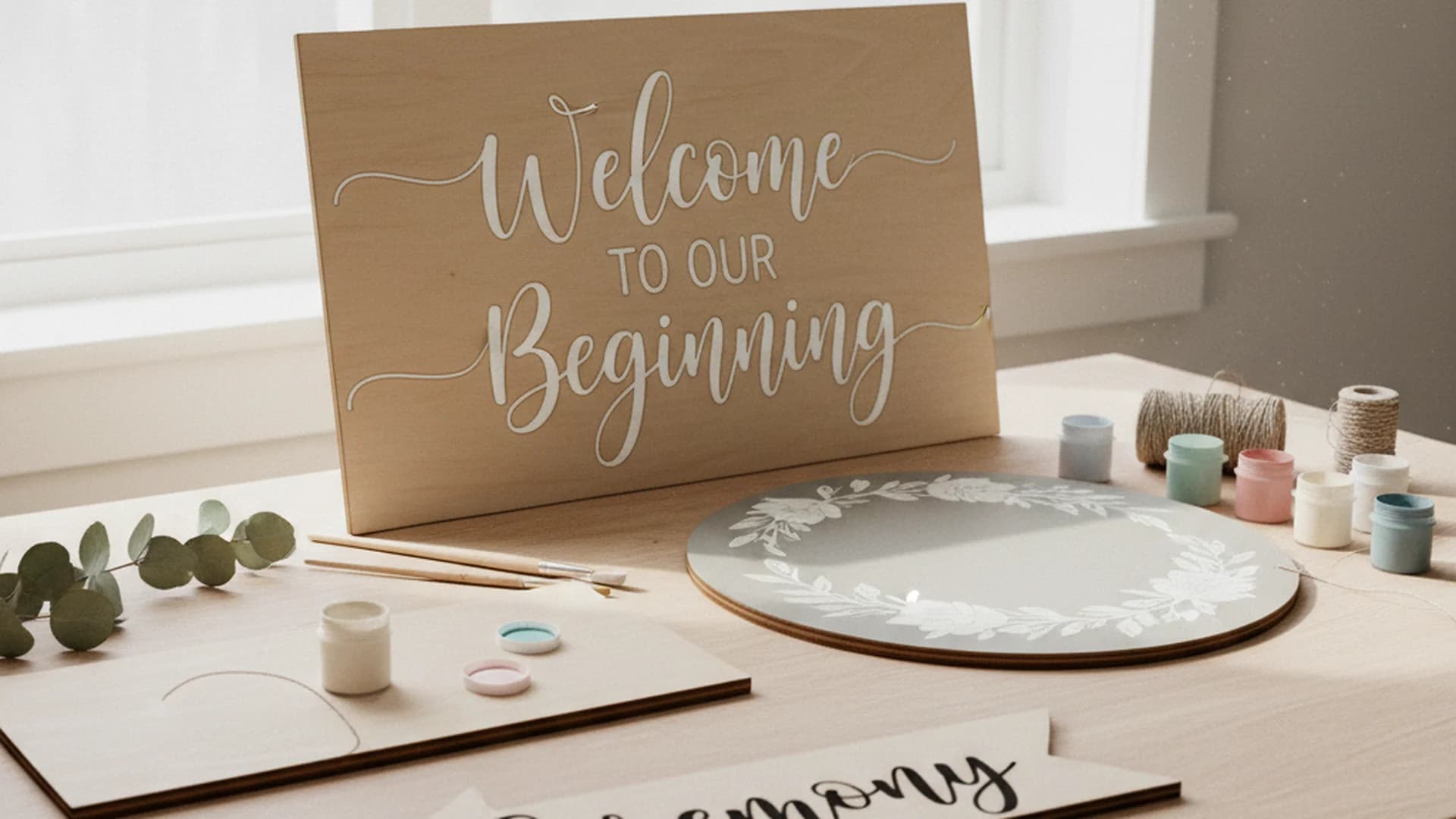
- DIYing wedding signs can save 50% to 75% compared to professional services.
- Focus on the "Big Three" (Welcome, Seating Chart, Table Numbers) to avoid burnout.
- 2026 trends favor sculptural shapes, 3D textures, and "Island Citrus" color palettes.
Planning a wedding is a lot like trying to assemble IKEA furniture in the dark while someone yells at you about floral arrangements. It is chaotic, expensive, and requires a surprising amount of Swedish meatballs for emotional support. However, one area where you can regain control (and your bank account) is through DIY wedding signs.
Not only does crafting your own signage allow you to inject a dose of your own personality into the day, but it is also one of the most effective ways to slash your decor budget. With professional signage often running into the hundreds of dollars, taking the "Do-It-Yourself" route is a financial no-brainer. In this guide, we will break down everything from the trending "Island Citrus" palettes of 2026 to the tactical hacks that will keep your signs from blowing over in a stiff breeze.
Why DIY Wedding Signs are the Smarter Choice
Wedding decor is a huge category of spending, and signage makes up a meaningful share of it. When you look at the numbers, the argument for DIY becomes crystal clear. A professional custom-painted wood welcome sign can easily set you back $150 to $300. Conversely, a DIY printable version using a high-quality digital template and basic materials usually costs between $15 and $30.
Beyond the savings, a growing number of couples are choosing to include DIY elements, with stationery and signage being the most popular category. It is the perfect middle ground between "I am a master carpenter" and "I can barely use a glue gun." Before you dive into the sawdust, it’s worth using a (Marketing) - Tools - Wedding Budget Calculator to see exactly how much signage fits into your overall plan.
Tip
The "Big Three" Essential Signs You Actually Need
One of the most common pitfalls is the "Over-DIY Trap." You do not need a sign for every single corner of the venue. In fact, most experts—including myself—recommend focusing your energy on the "Big Three." These are the functional pieces that your guests actually rely on to navigate the day.
1. The Welcome Sign
This is the first thing your guests see. It sets the tone for the entire event.
- Standard Size: 24" x 36" for maximum visibility.
- Goal: To greet guests and confirm they are at the right wedding (always a plus).
2. The Seating Chart
Unless you want a middle-school-cafeteria-style scramble for seats, a seating chart is mandatory.
- Standard Size: 24" x 36" or a series of smaller 8" x 10" frames.
- Goal: Efficiency and organization.
3. Table Numbers
These are the small but mighty heroes of the reception.
- Standard Size: 4" x 6" or 5" x 7".
- Goal: To help guests find their seats without wandering aimlessly through the hors d'oeuvres.
Note
Emerging Trends for 2025-2026
If you want your DIY wedding signs to look like they stepped off the pages of a high-end magazine, you need to look at what's coming next. We are moving away from the "Pinterest Perfect" farmhouse look and into a more sculptural, vibrant era.
Dimensional & 3D Layering
Flat boards are officially a thing of the past. The hottest trend for 2026 is 3D signage. This involves layering raised acrylic lettering on top of frosted or colored backgrounds. It adds depth and a professional finish that hides the fact that you made it on your kitchen table.
Sculptural & Organic Shapes
Rectangles are safe, but arches, wavy edges, and asymmetrical silhouettes are modern. Use a jigsaw to cut plywood into soft, organic shapes, or purchase pre-cut acrylic "arches" to give your signage a contemporary edge.
The "Island Citrus" Palette
Influenced by the latest forecasts from Brides and Minted, 2026 is going to be all about "Island Citrus." Think vibrant oranges, punchy yellows, and lush greens. This is a bold departure from the muted "millennial pink" of years past.
Sustainable Materials
Eco-conscious weddings are no longer a niche; they are the standard. We are seeing a massive surge in the use of:
- Linen Banners: Lightweight, elegant, and easy to transport.
- Upcycled Mirrors: Checking thrift stores for vintage mirrors to turn into seating charts.
- Recycled Acrylic: A more sustainable way to get that modern, sleek look.
Do this
Material Selection: Choosing the Right Base
The material you choose depends entirely on your venue and the "vibe" of your wedding.
| Material | Best For | Pros | Cons |
|---|---|---|---|
| Wood | Rustic/Boho | Durable, easy to find | Heavy, needs sealing |
| Acrylic | Modern/Minimal | Sleek, waterproof | Shows fingerprints, can be pricey |
| Linen | Romantic/Classic | Lightweight, easy to store | Can wrinkle, needs a stand |
| Mirror | Glamorous | High impact, reusable | High glare (hard to read) |
Outdoor vs. Indoor Considerations
If you are having an outdoor ceremony, you must "wind-proof" your signs. I have seen many a welcome sign become a lethal projectile in a sudden gust of wind.
Heads up
From the OurVows workspace
Planning a wedding is a lot. We make it feel like less.
Checklist, budget, guest list, and a wedding website — together in one free workspace built for both of you.
The Professional Secret: The "Transfer Method" Hack
You do not need to be a professional calligrapher to create beautiful DIY wedding signs. In fact, most of the "hand-lettered" signs you see on Instagram are actually created using the Transfer Method. Here is how you do it:
- Design Digitally: Create your sign design on your computer using a program like Canva. Use your wedding fonts to keep things consistent with your DIY Wedding Invitations.
- Print to Scale: Print your design on regular paper at the exact size you want it to appear on your board.
- The Pencil Trick: Flip the paper over and rub a soft pencil (like a 2B) over the back of the areas where the letters are.
- Trace: Tape the paper (pencil-side down) onto your sign board. Trace over the letters with a ballpoint pen. This will leave a faint graphite outline on the board.
- Fill it In: Use a high-quality paint pen (like a Posca marker) to fill in the graphite outlines.
Tip
Common Mistakes to Avoid
Even the most well-intentioned DIY project can go sideways. Avoid these common pitfalls to ensure your signs are a hit:
The "Over-DIY" Trap
As mentioned earlier, trying to make 20 different signs is a recipe for a pre-wedding meltdown. Stick to five high-quality pieces. Quality always trumps quantity.
Ignoring Contrast
This is the most frequent error I see. White text on a light birch wood background is impossible to read from five feet away. If your guests have to squint to find their table, the sign has failed its only job. Always aim for high contrast: dark wood with white/gold text, or dark acrylic with white text.
The Tool Investment Trap
Before you buy a $400 Cricut machine and $200 in specialized saws, ask yourself if it is actually cheaper than buying a sign. If you don't plan on using those tools again, you might actually be spending more money than if you had hired a professional. Use our (Marketing) - Tools - Wedding Budget Calculator to keep your spending in check.
Forgetting to Proofread
This sounds obvious, but I have seen signs with the wrong wedding year or misspelled surnames. Always have a third party (a bridesmaid, a parent, or even a very literate dog) check the spelling before you apply the final ink.
Inconsistent Branding
Your signs should feel like part of a family. If your welcome sign is a rustic wooden slab and your seating chart is a neon-pink acrylic sheet, the look will feel disjointed. Pick a font family and stick to it across all your DIY projects, from your DIY Wedding Centerpieces to your bar menu.
Frequently asked questions
What size should my wedding signs be?
How early should I start my DIY signs?
Can I reuse my signs after the wedding?
What are the "Fastest Growing" sign types?
Conclusion: Making Your Mark
DIY wedding signs are more than just a way to save a few hundred dollars; they are a way to make your wedding feel uniquely you. Whether you are leaning into the "Island Citrus" trend of 2026 or keeping it classic with sustainable linen banners, the key is to prioritize legibility and function.
Remember: start early, keep your fonts consistent, and don't be afraid of the Transfer Method hack. Your guests aren't going to care if your calligraphy isn't perfect—they're going to care that they found their seat and that there’s an open bar at the end of the journey.
Do this
Ready when you are
Want to stay organized?
Use our free tools to plan every detail of your big day.
Ready when you are
Plan your wedding without the chaos.
Free forever for couples just getting started. Two minutes to set up. No credit card.
Keep reading

Complete Guide to DIY Wedding Aisle Decorations: Trends, Costs, and Logistics
Learn how to design stunning DIY wedding aisle decorations. From flower math to 2026 trends, our expert guide covers costs, safety, and sustainable styling.
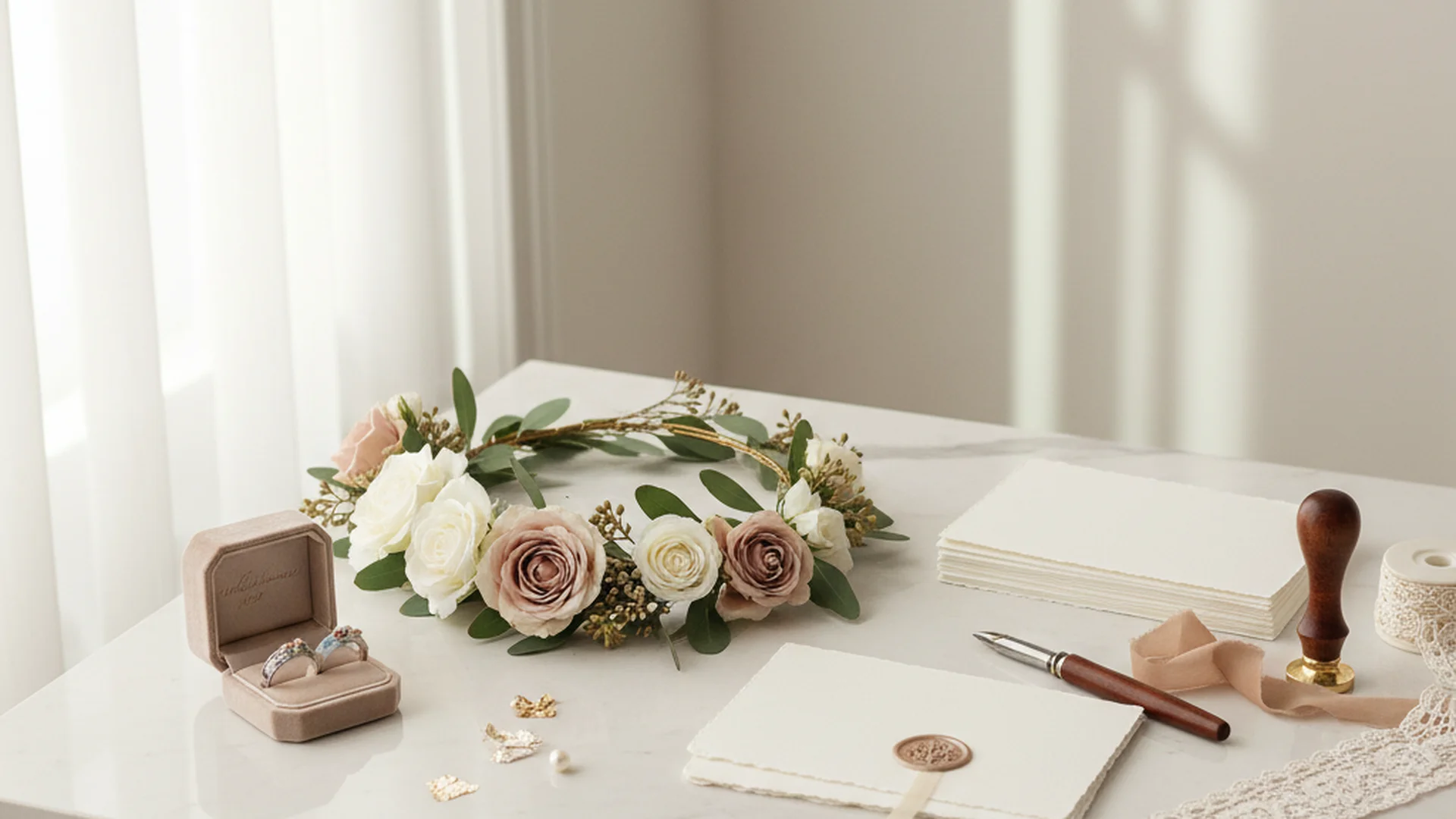
What to DIY for Wedding: The Savvy Couple’s Guide to 2025/2026 Trends
Wondering what to DIY for wedding celebrations this year? Discover the best projects, cost-saving stats, and 2026 trends to personalize your big day without the stress.
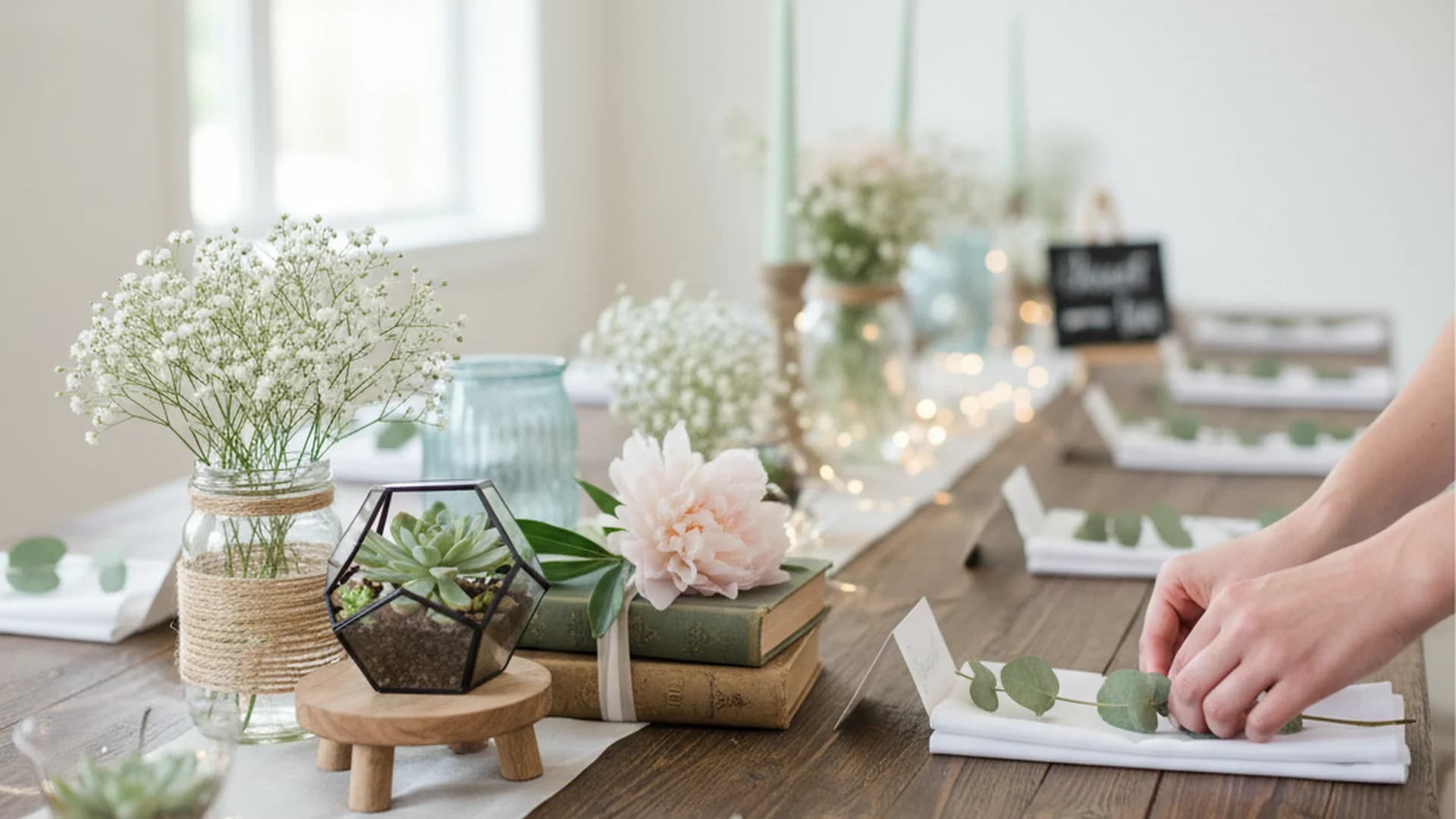
Creative DIY Wedding Reception Ideas for 2025-2026
Explore the top DIY wedding reception ideas for 2025 and 2026. From meadowcore centerpieces to sustainable decor, learn how to style your big day on a budget.