The Ultimate DIY Wedding Planning Guide: Budget, Trends, and Sanity
Navigate the world of DIY wedding planning with our comprehensive 2025-2026 guide. Save money on decor, master the trends, and avoid common planning pitfalls.

- Complete physical DIY projects three months before the big day to avoid burnout.
- Prioritize DIY for stationery and signage while hiring pros for catering and photography.
- Leverage AI and digital tools to streamline guest lists and communication.
So, you’ve decided to take the plunge—not just into the sea of holy matrimony, but into the deep, often glitter-filled waters of doing it yourself. Welcome to the DIY Wedding Planning Guide, your roadmap to creating a Pinterest-worthy celebration without the celebrity-level price tag. In an era where the average wedding cost is soaring toward $36,000, the "Do It Yourself" approach isn't just a creative choice; it’s a financial survival strategy. But before you buy out the entire inventory of your local craft store, let’s talk about how to do this with style, strategy, and your sanity intact.
The Reality of DIY Wedding Planning in 2025
Planning a wedding in 2025 and 2026 is a different beast than it was even five years ago. We are seeing a massive digital shift and a renewed focus on intentionality. A growing number of couples are now incorporating significant DIY elements, but they aren't just doing it to save a buck—they're doing it to make their day feel authentically them.
However, the first rule of the DIY club is acknowledging that "DIY" doesn't always mean "Free." Between the cost of bulk materials, specialized tools (looking at you, Cricut machines), and the sheer value of your time, some projects can end up costing more than a professional rental. The key is knowing where to spend your energy and where to let the pros take the wheel.
Tip
Strategic DIY: What to Make and What to Buy
To succeed, you need to be a surgical DIYer. You don't want to be the bride or groom trying to assemble 150 salmon mousses in a humid kitchen the night before the ceremony.
High-Impact DIY Projects
The most popular (and manageable) DIY projects for 2025 focus on the "visuals." Stationery and signage remain the #1 choice for couples. This is where DIY Wedding Invitations come into play. With modern digital tools, you can design professional-grade invites and save hundreds on custom printing.
Other great DIY candidates include:
- Wedding Favors: Small, personalized gifts like homemade jam or custom-blended tea.
- Simple Centerpieces: Think bud vases or terrariums rather than complex floral towers.
- Digital Photo Booths: Using an iPad and a ring light instead of a $1,500 rental.
The "Do Not DIY" List
There are certain areas where the risk far outweighs the reward. Expert recommendations suggest avoiding DIY for:
- Catering: Food safety risks and the logistics of serving 100 people are a nightmare for amateurs.
- Photography: These are the only things that last after the cake is eaten. Hire a pro.
- Day-of Coordination: You cannot be the host, the guest of honor, and the stage manager simultaneously.
Heads up
The 3-Month Rule and The 3 R’s
Successful DIYers live by a strict timeline. The "3-Month Rule" states that all physical DIY projects—favors, signs, non-perishable decor—should be 100% finished three months before the wedding. This leaves your final 90 days for logistics, guest counts, and actually enjoying your engagement.
To keep your projects focused, use the "3 R’s" of DIY:
- Reduce: Only DIY things that truly add value to the guest experience.
- Reuse: Can your DIY Wedding Arch be moved from the ceremony to behind the sweetheart table?
- Recycle: Upcycle vintage furniture or glass jars for a "Granny Chic" aesthetic.
| Project Type | Difficulty | Time Investment | Potential Savings |
|---|---|---|---|
| Stationery | Low | Moderate | High |
| Signage | Low | Low | Moderate |
| Florals | High | Very High | Moderate |
| Favors | Low | Moderate | Low |
Emerging Trends for 2025 and 2026
If you want your DIY wedding to feel current, you need to look at the trends shifting the industry.
Sustainability and the Eco-Wedding
The "Zero-Waste" wedding is a major priority for 2026. This means moving away from single-use plastics and toward potted plant centerpieces. Not only do these look lush and organic, but guests can take them home to plant in their gardens, serving as a living memory of your day.
Color Drenching and Bold Palettes
Muted pastels are taking a backseat to "Color Drenching." This trend involves picking a vibrant hue—like cobalt blue or deep terracotta—and using it across every DIY element, from the napkins to the DIY Wedding Backdrop. It creates a high-end, cohesive look that masks the "homemade" nature of individual items.
Interactive DIY Stations
Couples are now DIYing the experience. Instead of a passive bar, try a Custom Cocktail Station or a "Flower Crown Bar" where guests can assemble their own accessories. This reduces your workload during the reception and keeps guests entertained.
Do this
From the OurVows workspace
Planning a wedding is a lot. We make it feel like less.
Checklist, budget, guest list, and a wedding website — together in one free workspace built for both of you.
Navigating the "Blank Canvas" Venue
One of the biggest traps for DIY planners is the "Blank Canvas" venue. These are spaces like barns, warehouses, or backyards that provide nothing but the floor and the roof. While the rental fee is often lower, you are responsible for every fork, chair, and lightbulb.
If you go this route, you must consolidate your suppliers. Try to find "minimalist suppliers"—companies that can provide your furniture, lighting, and catering equipment in one contract. This reduces the logistical nightmare of managing ten different delivery trucks on your wedding morning.
Note
Common Mistakes to Avoid
Even the most organized DIYer can fall into these traps. Awareness is half the battle!
- The "Friendor" Trap: Hiring a friend to DJ or photograph your wedding seems like a great way to save money. However, if they underperform, it ruins the wedding and the friendship. If you want professional results, pay professional rates.
- The Glue Gun Debt: Many couples spend $2,000 on craft supplies to "save" $1,000 on decor. Always price out the finished product versus the cost of materials before you start.
- The Setup/Breakdown Void: Who is cleaning up the venue at 1 AM? If you don't have a plan or a hired crew, that person is you. Nothing kills a wedding high like mopping a community center floor in a tuxedo.
- Neglecting Digital Tools: These days, most couples rely on apps. If you aren't using a Wedding Checklist Generator, you’re working harder than you need to.
Frequently asked questions
Is a DIY wedding actually cheaper?
What should I definitely NOT DIY?
How can I ask friends for help without being a "Bridezilla"?
What is a "Blank Canvas" venue?
Conclusion: You’ve Got This
A DIY wedding is a marathon, not a sprint. By focusing on your strengths, staying ahead of your timeline, and using the right tools, you can create a day that is both beautiful and budget-friendly. Remember, the goal of a DIY Wedding Planning Guide isn't just to help you save money—it's to help you create a celebration that feels like a true reflection of your partnership.
Focus on the "3 R's," respect the "3-Month Rule," and don't be afraid to lean on digital resources to keep your guest list and budget in check. At the end of the day, your guests won't remember if the centerpieces were perfectly symmetrical; they’ll remember the love and the effort you put into making them feel welcome.
Do this
Ready when you are
Ready to Start?
Use our suite of tools to simplify your planning process today.
Ready when you are
Plan your wedding without the chaos.
Free forever for couples just getting started. Two minutes to set up. No credit card.
Keep reading
Complete Guide to DIY Wedding Aisle Decorations: Trends, Costs, and Logistics
Learn how to design stunning DIY wedding aisle decorations. From flower math to 2026 trends, our expert guide covers costs, safety, and sustainable styling.
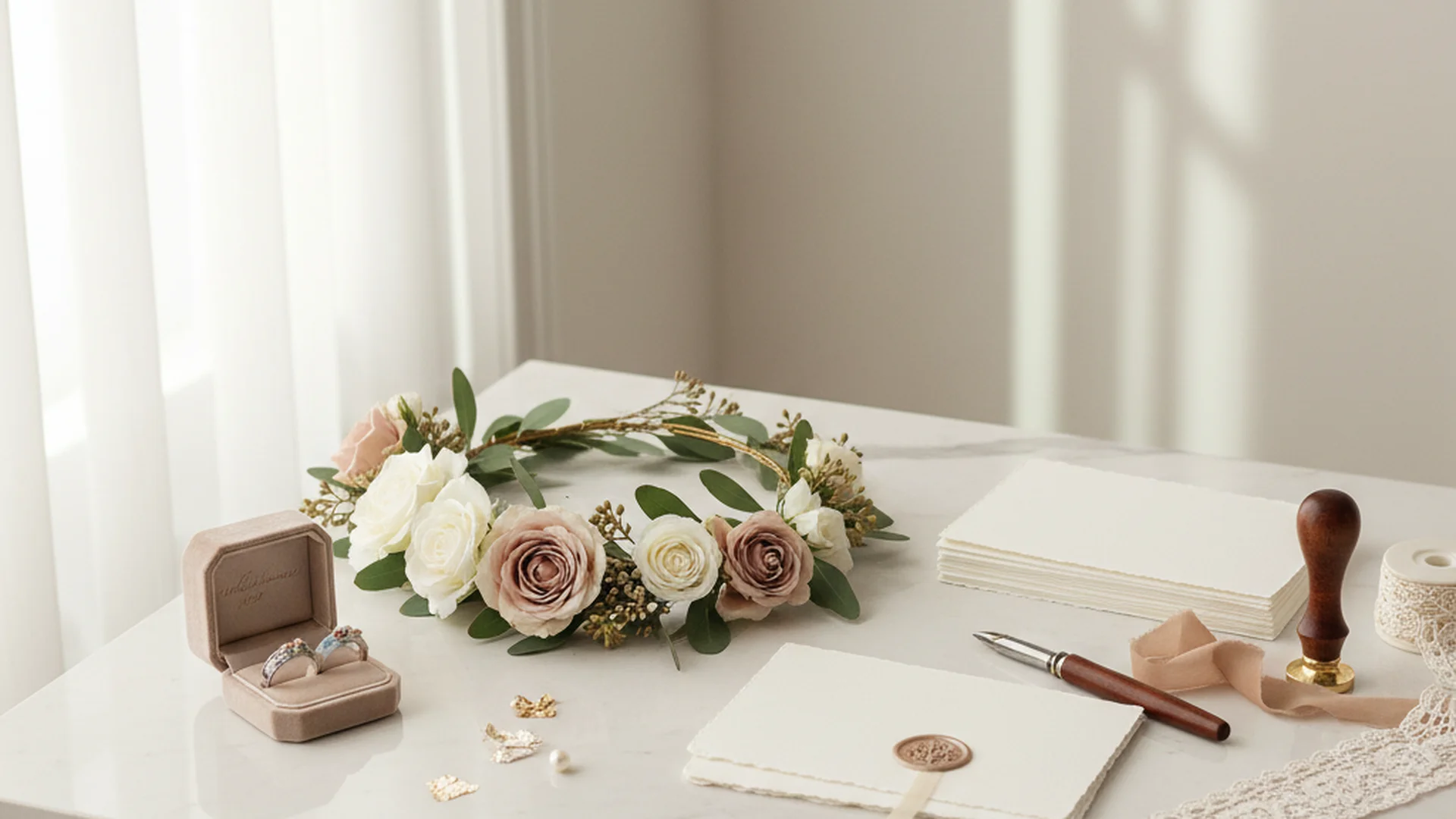
What to DIY for Wedding: The Savvy Couple’s Guide to 2025/2026 Trends
Wondering what to DIY for wedding celebrations this year? Discover the best projects, cost-saving stats, and 2026 trends to personalize your big day without the stress.
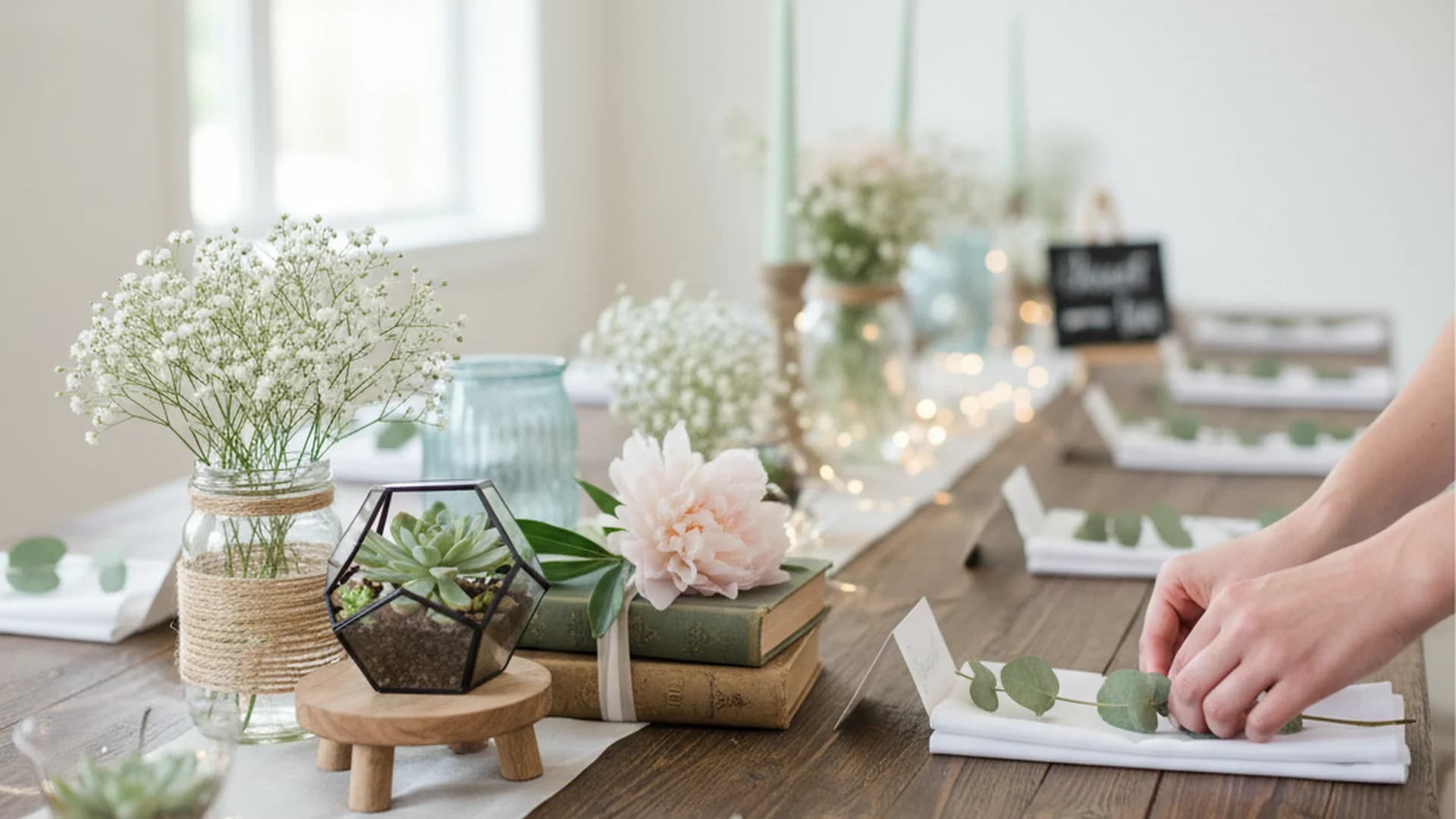
Creative DIY Wedding Reception Ideas for 2025-2026
Explore the top DIY wedding reception ideas for 2025 and 2026. From meadowcore centerpieces to sustainable decor, learn how to style your big day on a budget.