The Ultimate Guide to Choosing and Using a Wedding Seating Chart Maker for 2025
Discover how a modern wedding seating chart maker can save you significant planning time. Learn about AI tools, QR code trends, and etiquette for 2025 weddings.
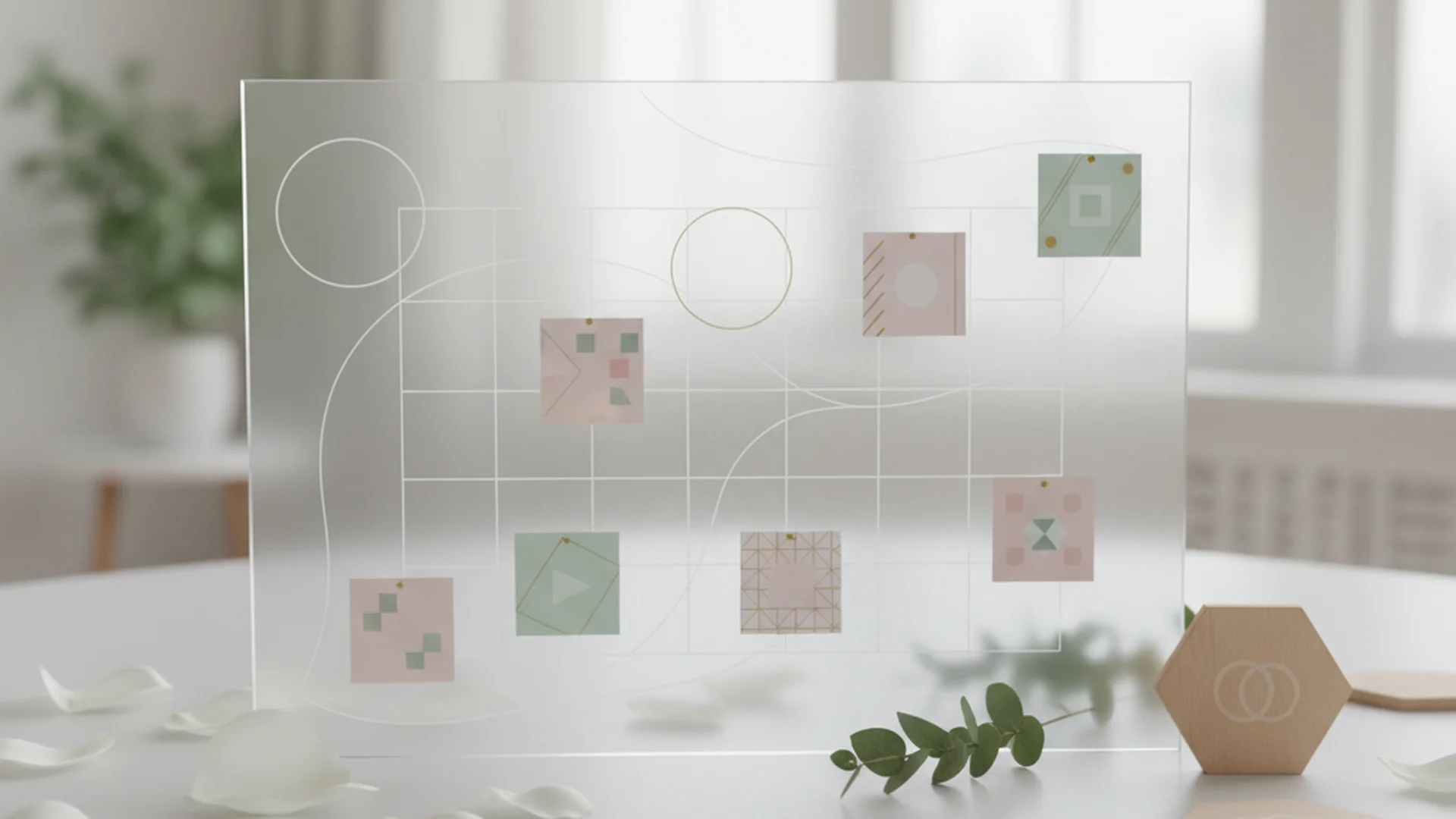
- Digital tools can dramatically reduce planning time.
- AI tools can now categorize guests by social personality for better table harmony.
- Proper spacing (the 3-foot rule) is essential for guest comfort and safety.
Planning a wedding is a whirlwind of joy and logistics, but few tasks feel as daunting as the final seating arrangement. It is the ultimate puzzle where every piece has a personality, a history, and a specific set of needs. Fortunately, the era of sticky notes and poster boards is over, replaced by the modern wedding seating chart maker.
As we move into the 2025-2026 wedding seasons, the transition from physical boards to digital ecosystems has become the defining shift in high-end event planning. Whether you are managing an intimate gathering or a 300-person gala, using a digital wedding seating chart is no longer a luxury—it is a logistical necessity. In this guide, we will explore how to leverage the latest technology to create a seamless, stress-free experience for you and your guests.
Why the Digital Wedding Floor Plan Designer is the New Standard
The primary reason couples are ditching paper is efficiency. Couples using an AI seating chart generator often report a dramatic reduction in total planning time. Instead of manually rewriting names every time an RSVP changes, digital tools allow for drag-and-drop functionality that updates your guest list in real-time.
Furthermore, industry experts consider a formal seating chart a "logistical necessity" for any wedding with more than 50 guests. Without a dedicated wedding seating chart maker, the reception often begins with a frantic game of "musical chairs," where late-arriving groups are split up, and elderly guests are left searching for a home base.
Tip
The Evolution of Guest List Management Software
The modern guest list management software does more than just hold names; it acts as the brain of your reception. Increasingly, U.S. couples are expected to use at least one AI-assisted tool during their planning process. These tools help bridge the gap between your guest count calculator and the physical reality of your venue.
Virtual Venue Layout Tools and 3D Walkthroughs
One of the most exciting advancements in recent years is the rise of virtual venue layout tools. Platforms now allow couples to "walk through" their seating layout in a 3D environment. This is crucial for checking sightlines—ensuring that the grandmother of the bride isn't stuck behind a pillar and that the speakers for the DJ aren't positioned directly next to guests with sensitive hearing.
| Feature | Manual/Paper Method | Digital Seating Maker |
|---|---|---|
| Update Speed | Hours (Rewriting/Erasing) | Seconds (Drag & Drop) |
| Accessibility | Hard to visualize | 3D Walkthroughs available |
| Vendor Sharing | Must be photocopied/mailed | Instant link/PDF export |
| Accuracy | Prone to human error | Automated guest counting |
Best Practices for a Harmonious Reception
Creating a seating chart is as much about psychology as it is about spatial awareness. Here are the expert recommendations for 2025 weddings:
The "Shared Interests" Model
Instead of the traditional method of grouping people strictly by "College Friends" or "Work Colleagues," modern planners are moving toward the "Shared Interests" model. This involves grouping guests by hobbies or life stages—placing the avid travelers together or the gardening enthusiasts at the same table. This sparks natural conversation among people who may not have met before.
Accessibility and the 3-Foot Rule
Accessibility is a non-negotiable in modern wedding planning. Ensure each guest has approximately 2 to 3 feet of space at the table to eat comfortably. Furthermore, paths between tables should be at least 36 to 48 inches wide to accommodate guests with mobility needs or wheelchairs.
Heads up
Handling Complex Family Dynamics
Seating arrangements can be particularly sensitive for blended families or divorced parents. The standard 2025 solution is "anchor seating." This involves placing parents at separate tables that are equally close to the head table. This ensures both parties feel like VIPs without being forced into uncomfortable proximity. For more specific advice, you may want to consult our guide on divorced parents seating charts or blended family seating charts.
From the OurVows workspace
Solving the seating puzzle?
Drag-and-drop tables, relationship warnings, and printable charts — built into your guest list.
Recent Trends and Updates (2025–2026)
The technology behind the wedding seating chart maker is evolving rapidly. Here are the top trends we are seeing for the upcoming seasons:
AI-Optimized Social Synergy
New algorithms can now analyze guest "tags." When you input your guest list, you can tag individuals as "extrovert," "loves to dance," or "quiet/reserved." The AI then suggests groupings that balance the energy of each table, ensuring no table feels "dead" while others are rowdy.
QR Code Minimalism
For the eco-conscious or budget-savvy couple, 2026 is the year of the QR code. Instead of a large, expensive printed board that becomes obsolete the moment a guest cancels last minute, couples are displaying a single decorative sign with a QR code. Guests scan the code to see their digital table assignment, which can be updated up to the very second the reception begins.
Interactive "Experience" Charts
We are seeing a move toward seating charts that double as guest favors or activities:
- Champagne Walls: A glass of bubbly with the guest's name and table number attached.
- Bud Vase Walls: Guests "pick" a flower with their name and table assignment.
- Tequila Shot Charts: Each name is on a shot glass for a "toast to your seat" moment.
Do this
Common Mistakes to Avoid
Even with a high-end wedding seating chart maker, certain pitfalls can derail your planning:
- The "Free-for-All" Myth: Many couples think having no seating chart is "more relaxed." In reality, it causes anxiety for guests and often results in awkward gaps (single empty chairs) that prevent late-arriving groups from sitting together.
- The "Matchmaker" Trap: Trying to force a romance by seating two single strangers together at a table of married couples usually backfires. It makes the guests feel isolated rather than included.
- Poor Legibility: Using high-scroll calligraphy or acrylic signs with no background contrast is a frequent complaint. If a 70-year-old guest can’t read the chart in dim reception lighting, the chart has failed its primary purpose.
- Forgetting the "VIPs": Don't get so caught up in the "puzzle" of the middle tables that you accidentally place your parents or siblings in the "back corner." Always place your "anchor" guests first.
Note
Frequently asked questions
Is a "singles table" outdated?
Should the chart be alphabetical or by table number?
When should I start the seating chart?
How do I handle divorced parents?
Do I need a seating chart for a buffet?
Conclusion
The transition to a digital wedding seating chart maker is more than just a trend; it is a fundamental improvement in the wedding planning experience. By utilizing an AI seating chart generator and following the principles of accessibility and social synergy, you can transform a stressful logistical hurdle into a thoughtful guest experience.
Remember, the goal of your seating chart is to create an environment where your loved ones feel comfortable, valued, and ready to celebrate. With the right tools and a bit of strategic planning, you can ensure that your reception is remembered for its warmth and flow, rather than its "musical chairs" chaos. For more detailed advice, be sure to check out our complete wedding seating chart guide.
Do this
Ready when you are
Ready to Start?
Organize your guest list and design your perfect layout today.
Ready when you are
Plan your wedding without the chaos.
Free forever for couples just getting started. Two minutes to set up. No credit card.
Keep reading
The Ultimate Guide to Choosing the Best Wedding Seating Chart App for 2025–2026
Discover how a wedding seating chart app can save you significant planning time. Explore AI-driven tools, 3D floor plans, and expert seating strategies for your big day.
Navigating the Divorced Parents Seating Chart: A Diplomatic Guide for 2025-2026
Learn how to design a divorced parents seating chart that maintains peace and honors family. Expert tips for ceremony and reception layouts in 2025.

The Ultimate Wedding Seating Chart Timeline: A Month-by-Month Guide
Master your wedding seating chart timeline with our expert guide. From early drafts to last-minute changes, learn how to organize your guests stress-free.