2025-2026 Wedding Photo Must Haves: The Ultimate Guide to Authentic Imagery
Discover the essential wedding photo must haves for 2025-2026. From candid documentary styles to editorial portraits, learn how to capture your day perfectly.
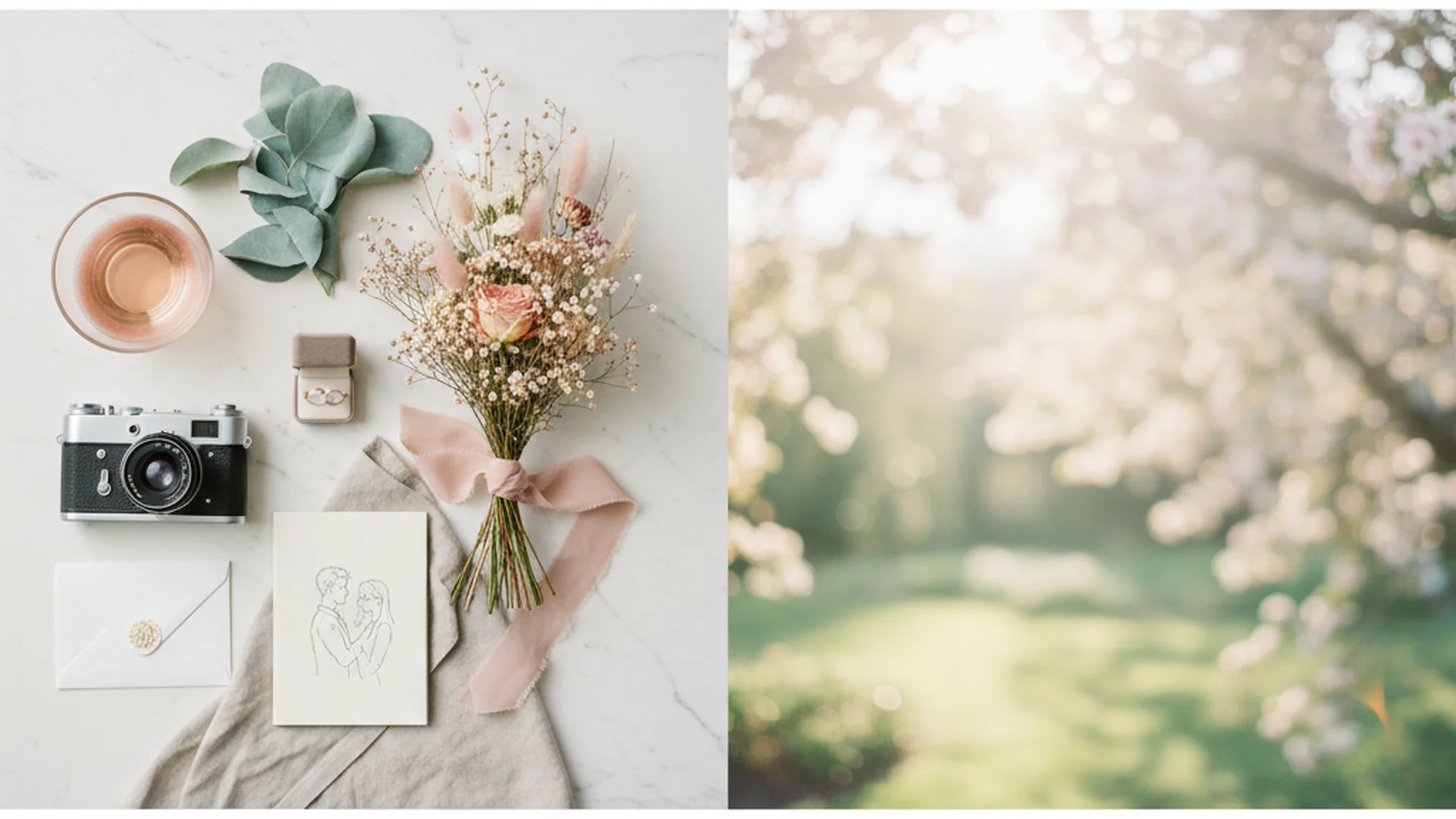
- Prioritize candid, narrative-driven moments over stiff poses.
- Use a "minimalist" shot list for family and a "photo helper" for efficiency.
- Incorporate modern trends like direct flash and 35mm film for a timeless feel.
Planning a wedding in 2025 or 2026 feels a bit like directing a high-budget indie film where the lead actors (that’s you) have no script and the lighting director is at the mercy of the clouds. As you navigate the endless sea of floral arrangements and seating charts, the conversation inevitably turns to your wedding photo must haves. In an era where everyone has a 48-megapixel camera in their pocket, the role of professional photography has shifted from simply "documenting the event" to "telling a cinematic story." Gone are the days of standing in a line for three hours until your smile muscles give out; today’s couples want movement, emotion, and maybe a little bit of intentional motion blur to prove they were actually having fun.
The Evolution of Wedding Photography: Trends for 2025–2026
The photography landscape is shifting faster than a bridesmaid trying to find her lost earring. We are seeing a massive departure from the "Pinterest-perfect" galleries of the 2010s toward something more raw, editorial, and unapologetically real.
The "Anti-Bride" and Documentary Aesthetic
If 2024 was about "quiet luxury," 2025 is about the "Anti-Bride" aesthetic. This doesn’t mean you aren't wearing a dress; it means you aren't letting the dress wear you. Couples are moving away from stiff, traditional perfection in favor of "unfiltered" moments. This style often includes intentional motion blur—where the movement of a dance or a walk is captured with a slight streak—giving the photos a sense of energy and life. It's about capturing the "in-between" moments: the deep breath before the doors open, or the laughter when someone trips slightly during the recessional.
The Return of Direct Flash and 90s Vibes
Remember those high-contrast, slightly gritty photos from 90s fashion magazines? They’re back. Direct flash photography is a major trend for reception coverage. Instead of soft, diffused light that hides everything, direct flash creates sharp shadows and high-contrast colors, making your party look like an exclusive V.I.P. after-party. It feels nostalgic, cool, and incredibly modern all at once.
35mm Film Hybrid Packages
While digital is king for reliability, many couples are now requesting a hybrid approach. This involves the photographer shooting most of the day on digital but pulling out a vintage 35mm or Medium Format film camera for specific portraits or "getting ready" shots. The grain and color science of authentic film offer a timeless quality that even the best Lightroom presets can’t quite replicate.
Tip
Essential Strategies for a Stress-Free Gallery
To get those magazine-worthy shots without spending four hours away from your guests, you need a strategy. You don't just want photos; you want the right photos delivered efficiently.
The "Photo Helper" Strategy
One of the biggest time-wasters in wedding history is the photographer standing in a ballroom shouting, "Does anyone know where Great Aunt Linda is?" for 15 minutes. To avoid this, assign one "Photo Helper" from each side of the family. This should be someone who knows everyone’s names and faces but isn't in every single photo. Their only job is to round up the next group on the list while the current group is being photographed.
Do this
Timeline Buffers: Your Best Friend
In my years as a wedding humor consultant, I’ve noticed one universal truth: hair and makeup will always take longer than you think. If your schedule says "Photos start at 1:00 PM," tell your hair stylist they need to be finished by 12:30 PM. Building a 15–30 minute buffer into the morning ensures that if things run late, your photographer isn't the one who has to "cut" shots to make up for lost time.
The Power of an Unplugged Ceremony
We’ve all seen the photo: the bride is walking down the aisle, and instead of seeing the emotional faces of the guests, the professional photo is filled with a sea of iPhones and glowing screens. An unplugged ceremony ensures that your professional images capture the actual atmosphere of the room. It also allows your guests to be present in the moment rather than worried about their framing.
Heads up
Setting the Stage: Lighting and Environment
You can hire the best photographer in the world, but if you’re getting ready in a windowless basement with fluorescent lights and piles of luggage in the corner, the photos will struggle.
Prioritize Natural Light
When choosing your venue or getting-ready suite, look for large windows. Natural light is the holy grail for "getting ready" shots and portraits. It creates soft skin tones and a clean, airy feel that artificial light can't mimic. If you're stuck in a dark room, talk to your photographer beforehand so they can bring the appropriate lighting gear.
Clear the Clutter
Before the photographer arrives, do a "sweep" of the room. Hide the plastic water bottles, the discarded garment bags, and the half-eaten granola bars. A clean background allows the focus to remain on the emotions and the details. For more advice on choosing the right environment, check out our guide on How to Choose Wedding Photographer.
| Location | Lighting Priority | Essential Detail |
|---|---|---|
| Getting Ready | Large Windows | Clear backgrounds (no clutter) |
| Ceremony | Even Shade or Indoor Lighting | Unplugged guest policy |
| Portraits | Golden Hour (Sunset) | Minimalist "Photo Helper" list |
| Reception | Direct Flash or Ambient | High-energy dance floor shots |
From the OurVows workspace
Planning the photos?
Build a shot-friendly timeline and brief every vendor from one shared schedule.
The Minimalist Shot List: What You Actually Need
While many blogs will give you a 10-page checklist, most professional photographers find these stifling. You don't need to tell a pro to photograph "the kiss" or "the rings." Instead, focus your shot list on the unique elements of your day.
Must-Have Family Groupings
This is where the list matters most. Provide names and relationships (e.g., "Bride's Parents: Susan and Mark") rather than just "Parents." Keep these groupings to a minimum to ensure you aren't standing there for an hour. For a deeper dive into organizing these, see our Wedding Photo Shot List guide.
Editorial Bridal Portraits
In 2025, we are seeing a rise in "Editorial Bridal Portraits." These are heavily styled, solo shots of the bride that look like they belong on a magazine cover. They focus on the fashion details—the veil, the shoes, the jewelry—and use dramatic compositions.
The "Blue Hour" and High-Fashion Vibes
The Golden Hour (the hour before sunset) is still the gold standard for romantic photos. However, the 2026 trend is moving toward "Blue Hour"—the period of twilight just after the sun goes down. These shots are moodier, cooler in tone, and offer a high-fashion, cinematic vibe that stands out from the traditional warm sunset glow. To understand timing better, read about the Best Time for Wedding Photos.
Note
Common Mistakes to Avoid
Even with the best intentions, it's easy to fall into photography traps that can sour the experience.
- The Pinterest Trap: Showing your photographer 50 photos from Pinterest and asking them to recreate each one. This kills their creativity and prevents them from seeing the unique light and moments of your actual day.
- The "One-Man-Band" Myth: Thinking one photographer can cover a 200-person wedding perfectly. For larger weddings, a second shooter is essential to capture the reaction of one partner while the other is walking down the aisle.
- Hiding the Surprises: If you have a surprise bagpipe player or a secret choreographed dance, tell your photographer! They need to prep their lighting and position beforehand.
- Neglecting Post-Production Realities: Many couples expect a full gallery in a week. Remember: for every hour of shooting, a photographer spends 3–4 hours editing. Quality takes time.
Tip
Frequently asked questions
Do I really need a shot list?
What happens if it rains on our wedding day?
How long does it take to get photos back?
How do we get natural-looking smiles instead of "cheese" faces?
Should we hire a social media content creator?
Final Thoughts: Your Day, Your Story
At the end of the day, your wedding photos are the only thing (besides your spouse and maybe some dried flowers) that you get to keep forever. The best wedding photo must haves aren't just things on a list; they are the moments where you forgot the camera was even there. By prioritizing lighting, managing your timeline with buffers, and trusting your photographer’s creative eye over a Pinterest board, you’ll end up with a gallery that feels like you.
Don’t be afraid to lean into the trends that resonate with you—whether that’s the grain of 35mm film or the high-contrast energy of a direct-flash reception. Your wedding is a narrative, not a checklist.
Do this
Ready when you are
Ready to Plan Your Timeline?
Use our tools to ensure you have enough time for every shot.
Ready when you are
Plan your wedding without the chaos.
Free forever for couples just getting started. Two minutes to set up. No credit card.
Keep reading
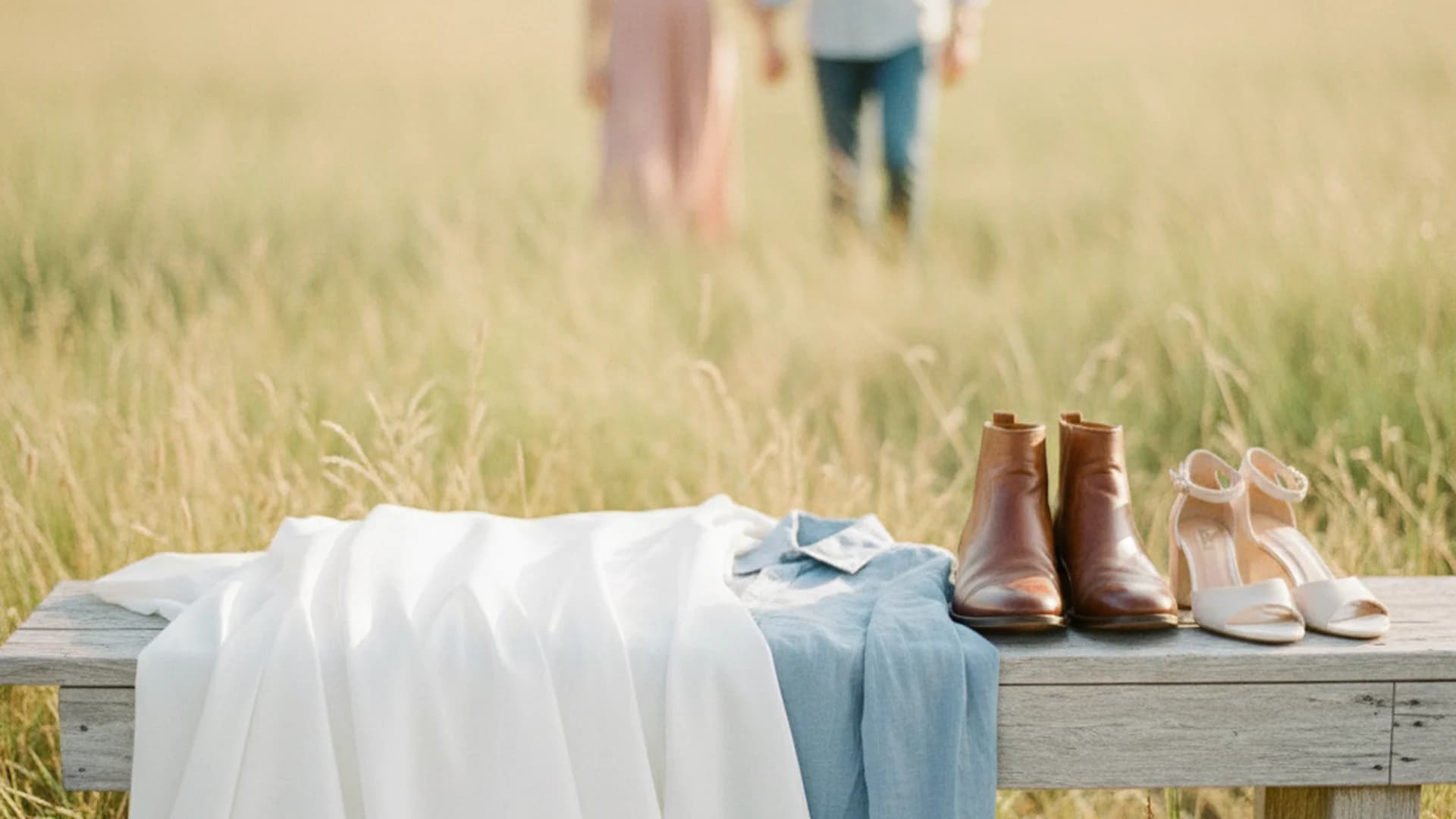
The Ultimate Guide to Engagement Photo Outfits: Trends for 2025 and 2026
Planning your engagement session? Discover the best engagement photo outfits, 2025-2026 trends, and expert tips to ensure you look and feel your best.
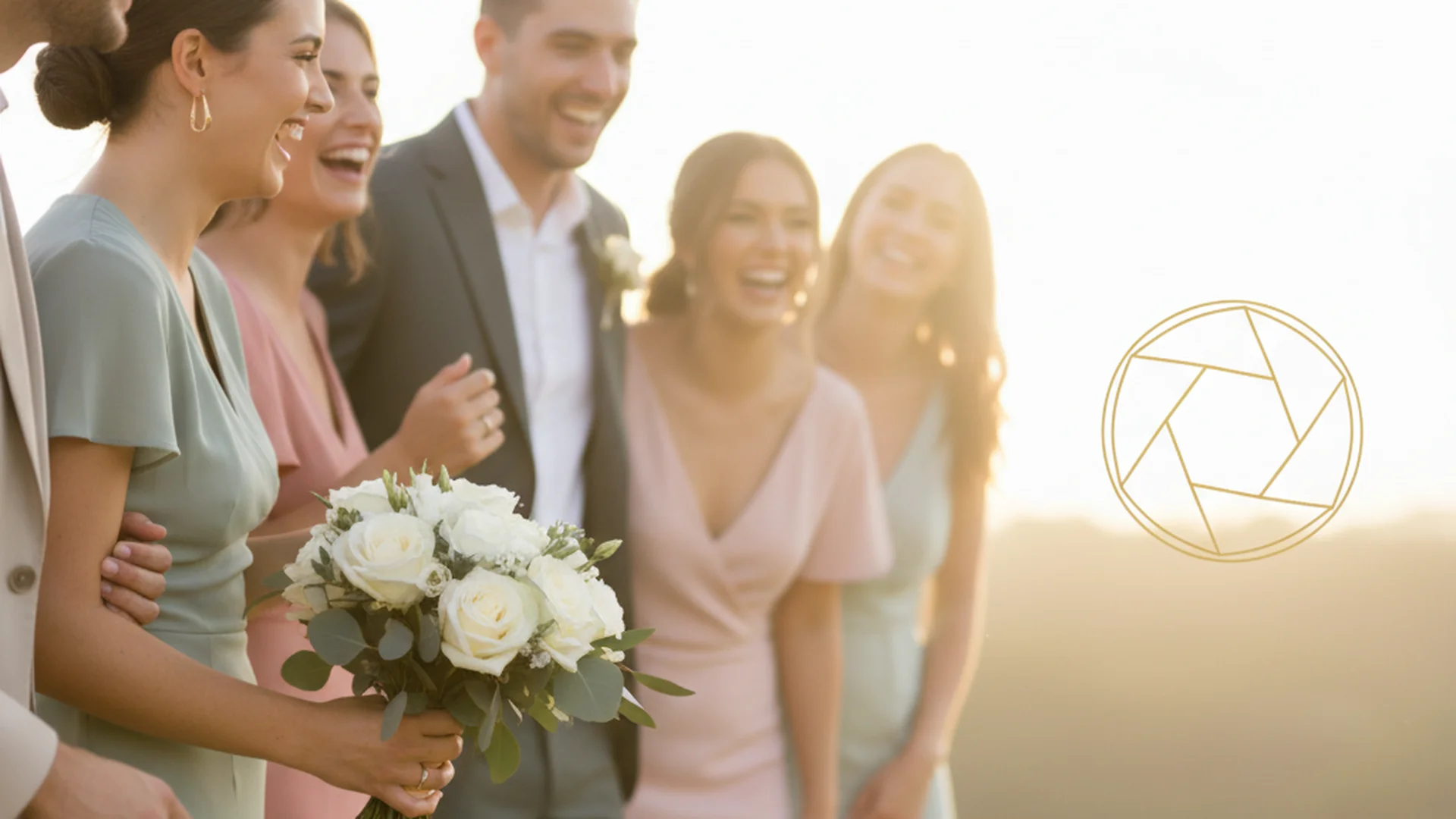
Modern Wedding Party Photo Ideas: Trends and Tips for 2025-2026
Discover the top wedding party photo ideas for 2025. From Vogue-style editorial posing to motion blur, learn how to capture stunning, modern group shots.
25 Essential Questions to Ask a Wedding Photographer Before You Book
Ensure your wedding memories are captured perfectly. Learn the 25 essential questions to ask a wedding photographer about logistics, style, and 2025 trends.