The Ultimate Wedding Photo Shot List: Capturing Every Moment in 2025
Master your wedding photography with our comprehensive wedding photo shot list. Learn 2025 trends, timing tips, and how to balance candids with formals.

- Prioritize people and VIPs over specific Pinterest poses
- Budget 2-3 minutes per family group for formal portraits
- Embrace 2025 trends like motion blur and documentary-style shots
Listen, I’ve seen more weddings than a catering hall's dishwasher, and if there is one thing that keeps couples awake at 3:00 AM (besides the seating chart from hell), it’s the fear of missing the "perfect shot." You’ve spent months picking the flowers, the venue, and a cake that costs more than my first car. Naturally, you want the photos to reflect that. Creating a wedding photo shot list isn't just about micro-managing your photographer; it’s about creating a safety net so you can actually enjoy your champagne without wondering if anyone caught a photo of Great-Aunt Mildred actually smiling.
In this guide, we’re diving deep into the essential shots, the 2025 trends that are currently shaking up the industry, and how to organize your day so your photographer spends more time shooting and less time checking boxes.
Why You Need a Wedding Photo Shot List (With Limits)
A common misconception is that a shot list should be a forty-page manifesto detailing every blink and breath. In reality, a professional doesn’t need you to tell them to photograph the "kiss at the altar"—they’ve got that covered. Where a wedding photo shot list becomes invaluable is in the nuances: the heirloom brooch pinned to your bouquet, the specific grouping of college friends, or the "Sunset Sneak-Out" you’ve been dreaming of.
The wedding photography market is projected to reach over $25 billion by 2025, and that’s because couples are moving toward "experience-driven" documentation. They want the feeling of the day, not just the evidence of it.
Note
The Essential Breakdown: Phase by Phase
To keep things organized, let’s break down the day into manageable chunks. This helps with the Wedding Photography Checklist and ensures your timeline remains intact.
1. Getting Ready: The Calm Before the Champagne
This is where the story begins. It’s less about the literal act of putting on socks and more about the anticipation.
- The Flat Lay: Invitation suite, rings, shoes, and perfume/cologne.
- The "Messy" Details: 2025 is seeing a move toward "unfiltered" shots—the remnants of a breakfast pastry or a discarded veil can tell a more honest story.
- The Emotional Reveal: A parent seeing the bride/groom for the first time in their attire.
- The Candid Chaos: The wedding party laughing, toasts in pajamas, and the final touch-ups.
2. The First Look and Portraits
If you’re looking to maximize your party time later, the First Look is your best friend. Experts recommend 45–60 minutes for couple portraits to allow for a relaxed pace.
- The Reveal: The groom’s reaction (or the bride's!) when they first see each other.
- Environmental Portraits: Using the landscape to make the couple look like a small part of a grand scene.
- The Wedding Party: Standard group shots plus smaller pairings (bride with each bridesmaid, etc.).
Tip
3. The Ceremony: Documenting the "I Do"
The ceremony is largely a documentary-style event. You want your photographer to be a ninja here—seen but not heard.
- The Processional: Each member of the wedding party walking down.
- The Reaction: The partner waiting at the altar (a second photographer is huge here for getting both angles simultaneously).
- The Vows: Those raw, teary-eyed moments.
- The Exit: The "just married" joy as you walk back up the aisle.
Timing and Logistics: The Math of Memories
One of the biggest mistakes couples make is ignoring the timeline. If you have 20 family groups and only 30 minutes, you’re going to have a bad time. Here is a realistic breakdown of how long things actually take:
| Category | Time Allocation | Average Photo Yield |
|---|---|---|
| Family Formals | 2-3 min per group | 20-40 images |
| Couple Portraits | 45-60 minutes | 50-100 images |
| Wedding Party | 30 minutes | 30-50 images |
| Getting Ready | 60-90 minutes | 75-125 images |
Heads up
2025–2026 Trends: What’s "In" Right Now
The world of wedding photography is shifting away from the stiff, overly posed images of the 2010s. Here is what we are seeing for the 2025–2026 season:
Documentary-Style & "Unfiltered"
Couples are increasingly requesting "messy detail shots." Think of the remnants of a cake on a plate, a discarded pair of heels on the dance floor, or the "beautiful chaos" of the getting-ready room. It feels more like a fashion editorial and less like a school portrait.
Direct Flash (Paparazzi Style)
For the reception, high-energy, high-contrast flash is back. It gives a nostalgic, edgy feel that makes the party look like a celebrity after-party.
The Rise of the Content Creator
More couples are hiring a dedicated "Wedding Content Creator" to work alongside the photographer. They capture raw, behind-the-scenes iPhone footage for immediate social media use. If you’re curious about how this fits into your overall plan, check out Questions to Ask Wedding Photographer to see how they collaborate with other vendors.
Motion Blur and Film Revival
Intentional motion blur is being used to capture the energy of the first dance or the grand exit. Additionally, there is a massive surge in requests for 35mm or medium-format film to get that timeless, grainy aesthetic that digital can only try to mimic.
From the OurVows workspace
Planning the photos?
Build a shot-friendly timeline and brief every vendor from one shared schedule.
Real-World Examples: Three Scenarios
Example 1: The "Large Family" Logistics
Sarah and Mike had 18 different family combinations. By using the "Wrangler" method and providing a clear wedding photo shot list to their photographer two weeks early, they finished their formals in 40 minutes instead of the projected hour. They even had time to join their own cocktail hour!
Example 2: The "Sunset Sneak-Out"
David and Elena planned their wedding during a winter month where the "Best Time for Wedding Photos" was actually quite early. They scheduled a 15-minute "sneak-out" during the first course of dinner to catch the last of the blue hour light. The result? Their most romantic, relaxed photos of the day.
Example 3: The Documentary Enthusiasts
Chloe and James told their photographer, "Give us 10 minutes of formals, and then spend the rest of the day hunting for candids." They ended up with photos of James’s grandfather teaching a bridesmaid how to swing dance—a moment no shot list could ever have predicted.
Common Mistakes to Avoid
- The "Pinterest Trap": Attempting to recreate 50+ specific poses from social media. This kills creativity and usually results in photos that look "staged" rather than authentic.
- Overloading the List: A 5-page shot list turns your photographer into a robot. Limit your core formal groups to 10–15.
- Ignoring the Lighting: Couples often choose a "pretty spot" for photos without realizing the sun will be directly in their eyes. Always trust your photographer's advice on Best Time for Wedding Photos.
- The "Camera Does the Work" Myth: Thinking a great camera makes any photo good. Professional photography is 10% gear and 90% lighting, timing, and people management.
Do this
Frequently asked questions
Do we really need a detailed shot list?
How long do formal photos take?
Should I hire a second photographer?
How many family combinations should we include?
Conclusion: Trust the Process
Your wedding photo shot list is a roadmap, not a set of handcuffs. By identifying your VIPs and must-have heirlooms early, you give your photographer the freedom to be the artist you hired them to be. Remember that the best photos of the night are often the ones you didn't plan—the ones where you're laughing too hard at a toast or dancing like nobody is watching.
Do this
Ready when you are
Ready to Plan Your Big Day?
Use our tools to organize your wedding timeline and photography needs today.
Ready when you are
Plan your wedding without the chaos.
Free forever for couples just getting started. Two minutes to set up. No credit card.
Keep reading
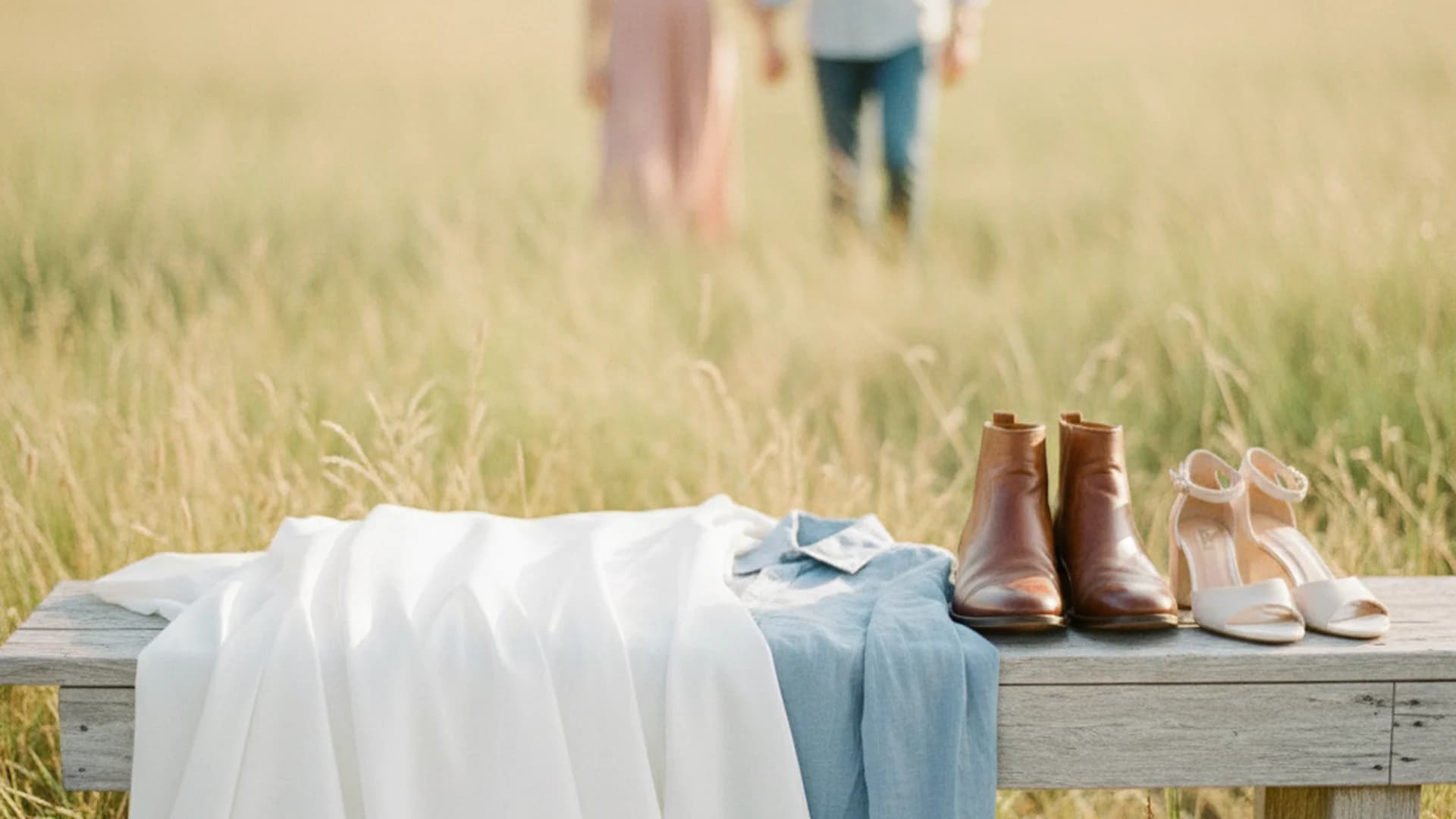
The Ultimate Guide to Engagement Photo Outfits: Trends for 2025 and 2026
Planning your engagement session? Discover the best engagement photo outfits, 2025-2026 trends, and expert tips to ensure you look and feel your best.
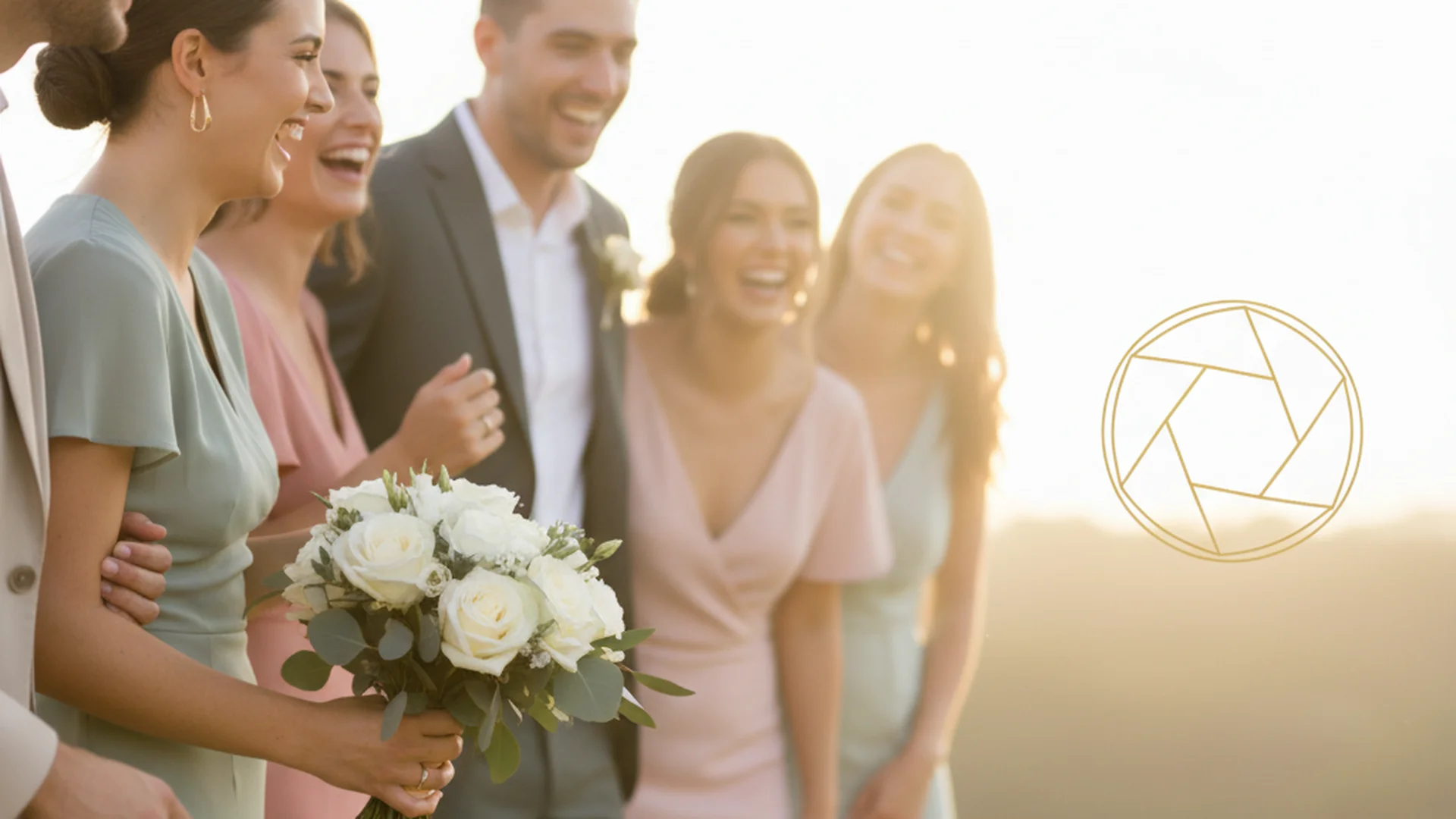
Modern Wedding Party Photo Ideas: Trends and Tips for 2025-2026
Discover the top wedding party photo ideas for 2025. From Vogue-style editorial posing to motion blur, learn how to capture stunning, modern group shots.
25 Essential Questions to Ask a Wedding Photographer Before You Book
Ensure your wedding memories are captured perfectly. Learn the 25 essential questions to ask a wedding photographer about logistics, style, and 2025 trends.