The "Direct Flash" Decade: Master Night Wedding Photography Tips for 2025 & 2026
Explore expert night wedding photography tips for 2025. From the paparazzi aesthetic to AI denoising, learn how to capture cinematic low-light magic.
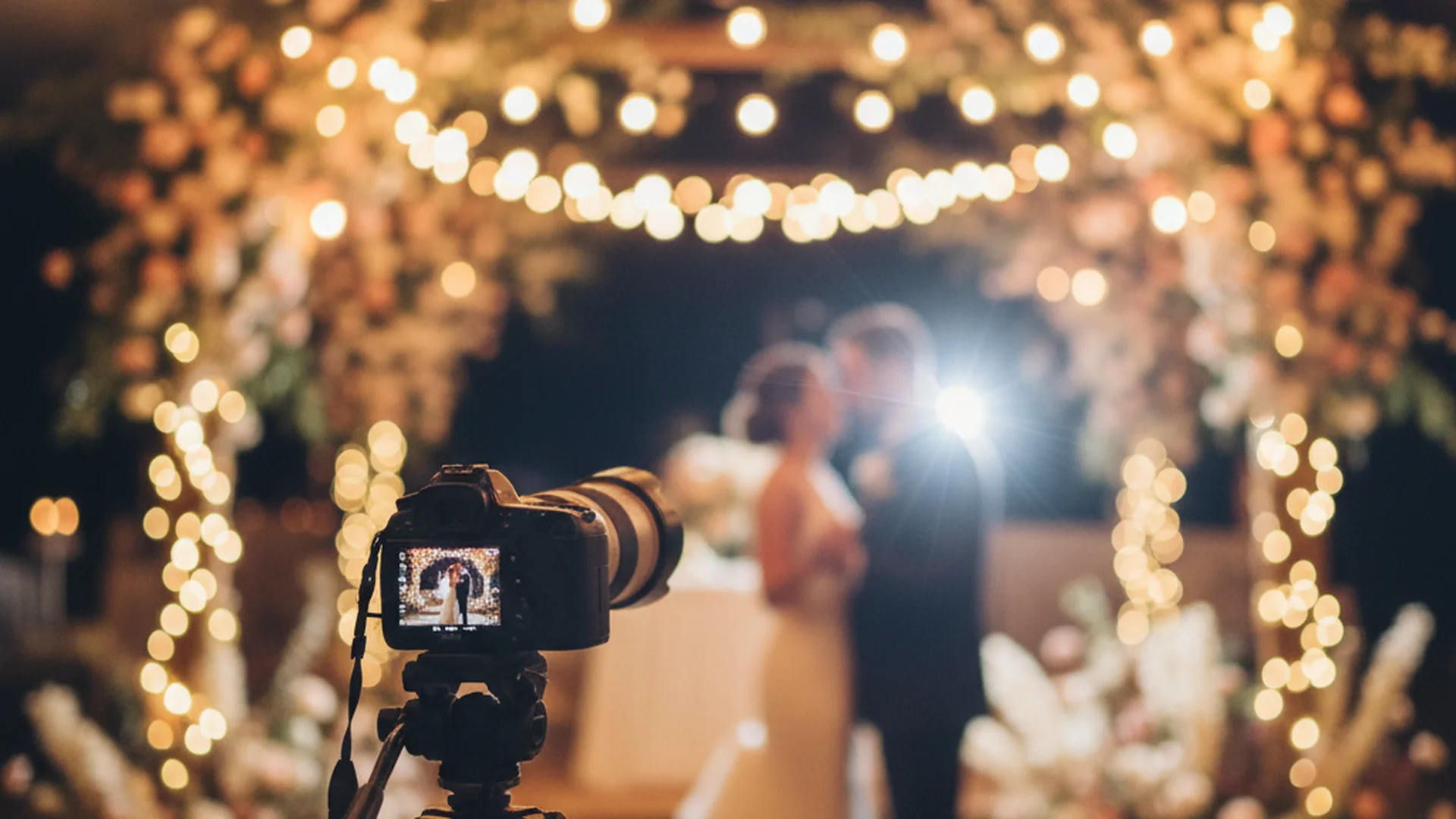
- Embrace "editorial realism" and high-contrast direct flash for a modern, high-fashion look.
- Master the 20-minute Blue Hour window for cinematic, deep-blue backgrounds.
- Use AI denoising tools to maintain image quality at extremely high ISO settings.
The sun has dipped below the horizon, the espresso martinis are flowing, and the venue’s expensive uplighting is finally doing the heavy lifting. This is where the magic happens—or where the photos go to die in a grainy, orange-tinted abyss. Mastering Night Wedding Photography Tips is no longer just a "nice-to-have" skill; in 2025, it is the defining mark of a luxury wedding professional.
As we move into 2026, couples are ditching the perfectly manicured, bright-and-airy look of the 2010s in favor of something much more visceral. We are entering the era of "editorial realism"—a world where motion blur is art, direct flash is cool again, and the shadows tell as much of the story as the highlights.
The Shift Toward Editorial Realism in 2025
The landscape of wedding imagery is shifting beneath our feet. A growing number of couples are interested in film photography. This isn't just about using old cameras; it's about the vibe. Couples want their night photos to feel like a high-fashion editorial spread or a grainy, nostalgic 35mm film reel from the 1990s.
Photography remains one of the top vendors couples are willing to splurge on, with many prioritizing it over the venue itself. Why? Because while the cake gets eaten and the flowers wilt, the "paparazzi" shots of the bride running through the rain with a glass of champagne in hand are the photos that live forever on Instagram and gallery walls.
Note
Mastering the Technical Side of Low Light
To achieve these modern looks, you have to move beyond "Auto" mode. Night photography is a delicate dance between capturing what’s there (ambient light) and creating what’s missing (flash).
1. Expose for Ambient First
One of the biggest mistakes photographers make is letting the flash do all the work. If you set your shutter speed too high, you’ll end up with the "black hole" effect—where your subjects are brightly lit, but the beautiful venue background is pitch black.
Instead, drag your shutter (lower it to 1/100 or even 1/60) to let in the venue's natural glow, such as string lights or candles. Only then should you introduce flash to "freeze" your subjects. This creates a balanced, layered image that feels like the actual party.
2. The Power of Fast Glass
In 2025, the barrier to entry for luxury night photography is your lens's aperture. Prime lenses with apertures of f/1.2 or f/1.4 are essential. These lenses physically gather more light, allowing you to keep your ISO lower and your shutter speeds faster. While software can fix a lot, there is no digital substitute for the creamy bokeh and light-gathering capability of an f/1.2 prime.
3. Embracing High ISO and AI Denoising
There was once a time when ISO 3200 was considered "risky." Today, with full-frame mirrorless cameras like the Sony A7IV or Canon R6II, shooting at ISO 6400 or 12800 is commonplace.
Do this
| Tool | Best For | Key Feature |
|---|---|---|
| Lightroom AI | General Workflow | Seamless integration with RAW files |
| DxO PureRaw 4 | Extreme Grain | Best-in-class optical corrections |
| Topaz Photo AI | Restoration | Great for sharpening slightly soft shots |
The Timing: Blue Hour vs. True Night
Timing is everything. If you wait until it's pitch black to do portraits, you’re missing the "sweet spot" of the evening.
The Blue Hour Window
The 20-minute window immediately following sunset is known as Blue Hour. This is the ultimate "cinematic" time for wedding portraits. The sky turns a deep, royal blue, providing a stunning natural contrast to the warm, orange (3200K) glow of the venue's lights.
If you're wondering how to choose a wedding photographer, ask them for a full gallery that includes Blue Hour portraits. It shows they understand the nuance of natural light transitions. For more on timing your day, check out our guide on the best time for wedding photos.
True Night and "The Aftermath"
Once the sun is completely gone, the vibe changes. This is the time for the "Paparazzi" aesthetic. We are seeing a major trend in capturing "The Aftermath"—shoes kicked off under a table, discarded veils on velvet chairs, and half-empty champagne glasses reflecting the disco ball. These still-life shots tell a complete story of the night’s energy.
Tip
Trends for 2025 and 2026: The New Aesthetics
The "safe" shot is out. The "dramatic" shot is in. Here are the top trends we are seeing in the high-end wedding market.
The Direct Flash / Paparazzi Look
For years, photographers were told to "bounce" flash off ceilings to create soft, flattering light. In 2025, we are doing the opposite. By pointing the flash directly at the subjects, you create a high-contrast, edgy look that mimics celebrity red-carpet photos. It’s gritty, it’s high-energy, and it’s what every editorial bride is asking for.
Cinematic "Stills" Style
Couples are increasingly asking for galleries that feel like a film trailer. This involves editing with wide-screen crops (2.39:1 aspect ratio) and using moody color grading. It moves the gallery from a collection of photos to a cohesive visual narrative.
Intentional Motion Blur
If everyone is dancing, why make the photo look like they’re standing still? Intentional motion blur (shutter dragging) captures the "vibe" of the party. By using a flash to freeze the faces but a slow shutter to blur the movement of the lights and limbs, you create a sense of frantic, joyful energy that a "perfect" shot simply can't match. This is a staple of modern wedding photography styles.
Heads up
From the OurVows workspace
Planning the photos?
Build a shot-friendly timeline and brief every vendor from one shared schedule.
Real-World Examples of Night Success
Example 1: The Dark Barn Challenge
In a rural barn with no white ceilings to bounce light, a photographer used two off-camera flashes placed in the corners of the room. By gelling the flashes with "CTO" (Color Temperature Orange) filters, the light matched the warm glow of the fairy lights, creating a seamless, natural-looking dance floor.
Example 2: The Rooftop Paparazzi
For a city wedding, the photographer used a single on-camera flash pointed directly at the couple as they exited through a crowd of sparklers. The resulting high-contrast, "flash-heavy" look felt like a scene from a 1950s Hollywood premiere.
Example 3: The Blue Hour Escape
By pulling the couple away for just 15 minutes during the salad course, the photographer captured a series of portraits against a deep indigo sky. The contrast between the cold sky and the warm interior lights made the photos pop more than any daytime portrait could.
Common Mistakes to Avoid
- Rushing the Night Portrait: Setting up off-camera lighting takes time. Many couples only allocate 10 minutes for night photos, but experts suggest 20–30 minutes to ensure the lighting is dialed in perfectly.
- The "Black Hole" Background: As mentioned, using a high shutter speed at night will make your background disappear. Keep that shutter speed low to keep the venue in the shot.
- Ignoring the Flash Temperature: Most reception lights are warm (yellow/orange). If your flash is "daylight balanced" (blue/white), your subjects will look like ghosts while the background looks orange. Use a CTO gel to match your flash to the room.
- Gear Obsession: While a good camera helps, the photographer's ability to manipulate light is 90% of the battle. The best gear in the world won't save a poorly lit shot.
Frequently asked questions
How do you handle difficult lighting in dark venues?
Can you do a "Direct Flash" or "Paparazzi" look?
What is "Blue Hour" and why do I need it?
Is our venue too dark for photos?
Conclusion
Night wedding photography is no longer just about survival; it’s about artistic expression. By embracing the trends of 2025—like direct flash, motion blur, and the cinematic Blue Hour—you can provide couples with a gallery that feels like a piece of high-fashion history. Remember, the best night photos aren't necessarily the ones that are "perfectly" lit; they are the ones that capture the heat, the energy, and the beautiful chaos of the celebration.
Do this
Ready when you are
Want to capture the perfect day?
Use our tools to plan your wedding photography timeline and more.
Ready when you are
Plan your wedding without the chaos.
Free forever for couples just getting started. Two minutes to set up. No credit card.
Keep reading
The Ultimate Guide to Engagement Photo Outfits: Trends for 2025 and 2026
Planning your engagement session? Discover the best engagement photo outfits, 2025-2026 trends, and expert tips to ensure you look and feel your best.
Modern Wedding Party Photo Ideas: Trends and Tips for 2025-2026
Discover the top wedding party photo ideas for 2025. From Vogue-style editorial posing to motion blur, learn how to capture stunning, modern group shots.
25 Essential Questions to Ask a Wedding Photographer Before You Book
Ensure your wedding memories are captured perfectly. Learn the 25 essential questions to ask a wedding photographer about logistics, style, and 2025 trends.