The Best Time for Wedding Photos: A Guide to Lighting and Timelines
Discover the best time for wedding photos in 2025. Learn about Golden Hour, the cinematic Blue Hour trend, and how to build a stress-free photography schedule.
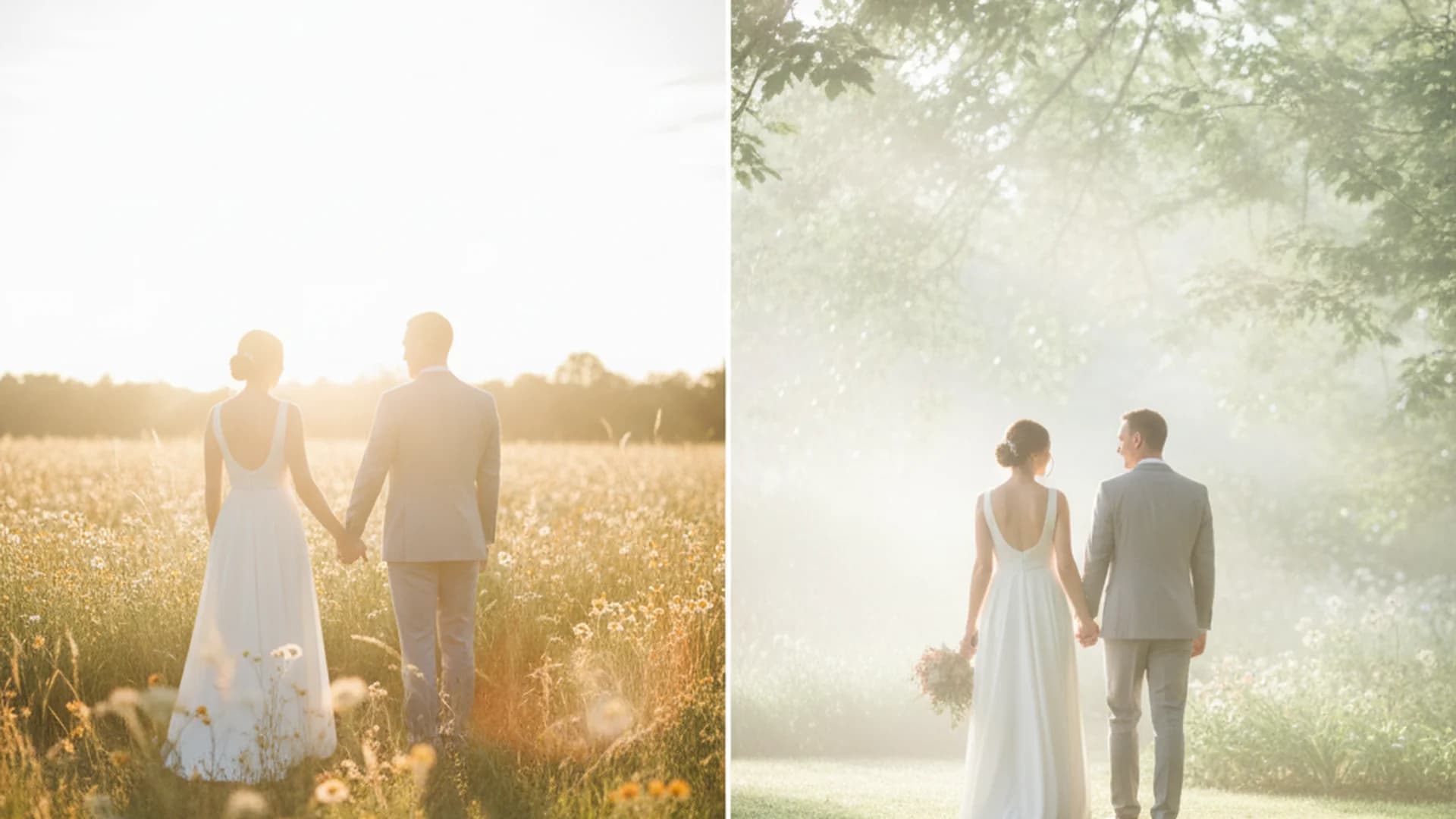
- The middle 20–30 minutes of Golden Hour provides the best warmth and glow.
- Blue Hour (10–40 minutes after sunset) is the top cinematic trend for 2025.
- Build a 25% time buffer into hair and makeup to avoid timeline collapses.
Planning your wedding is a delicate dance between logistics and aesthetics. As an interfaith wedding officiant and ceremony designer, I have seen hundreds of couples struggle to balance their dream ceremony with the logistical demands of their photographer. One of the most common questions I receive during the design phase is: "When is the best time for wedding photos?"
The answer isn't just about a single hour on the clock; it is about understanding how light interacts with your venue, your schedule, and your personal style. Lighting is essentially the "hidden guest" at your wedding—it can either enhance the emotional resonance of your portraits or create harsh, unflattering shadows that even the best editing can’t fully fix. In 2025 and 2026, we are seeing a shift away from rigid posing toward more "cinematic" and "documentary" styles, making the timing of your photos more important than ever.
The Magic Hours: Golden Hour vs. Blue Hour
When discussing the best time for wedding photos, two specific windows of time dominate the conversation. While most couples have heard of Golden Hour, a new trend is taking center stage for the 2025–2026 wedding seasons.
The Golden Hour Glow
Technically, "Golden Hour" is the last 60 minutes of light before the sun dips below the horizon. However, professional photographers will tell you that the true magic happens in the middle 20 to 30 minutes of this window. During this time, the sun is low enough to cast a warm, directional light that softens skin tones and creates a natural "halo" effect around the couple.
For a classic, romantic look, this is the gold standard. If you are aiming for a traditional aesthetic, you’ll want to ensure your couple's portraits are scheduled during this time.
The Rise of Blue Hour
While Golden Hour is about warmth, the "Blue Hour"—occurring roughly 10 to 40 minutes after the sun sets—is the defining trend for 2025. This "fleeting window" offers cooler, moody, and deeply cinematic tones. It provides a sophisticated, "Vogue-style" vibe that many modern couples prefer over the traditional golden glow.
Because Blue Hour is so short, it requires precise timing. This is where a well-designed timeline becomes your best friend.
Tip
Mastering the Wedding Day Timeline
To capture the best photos, your entire day needs to be structured around the sun. Approximately 50% to 70% of modern couples now choose to do a "First Look," which significantly impacts the schedule.
The Case for the First Look
Choosing a First Look allows you to get the majority of your formal portraits, bridal party photos, and family shots out of the way before the ceremony begins. This is a huge benefit if you want to attend your own cocktail hour and mingle with guests. From a photography standpoint, it provides a "safety net" in case the weather changes later in the day.
If you are interested in exploring this option further, you might want to read our deep dive into First Look Photos Pros and Cons.
A Sample 8-Hour Photography Schedule
If your ceremony is set for 5:00 PM with a 7:30 PM sunset, here is how a professional might structure an 8-hour day:
- 1:00 PM: Photographer arrives for "Detail Shots" (rings, shoes, invitations).
- 2:00 PM: Getting ready photos / Finishing touches of hair and makeup.
- 3:00 PM: The First Look and Couple’s Portraits.
- 3:45 PM: Bridal Party Photos.
- 4:15 PM: Family Formal Portraits (aim for 3 minutes per group).
- 4:45 PM: Buffer time / Couple hides while guests arrive.
- 5:00 PM: Ceremony begins.
- 5:30 PM: Cocktail Hour / Photographer captures candid moments and reception decor.
- 7:10 PM: The "15-Minute Reception Escape" for Golden Hour/Sunset photos.
- 8:00 PM: Formal reception events and dancing.
- 9:00 PM: Photography coverage ends.
Note
Dealing with "Bad" Light: High Noon and Indoor Scenarios
Not every wedding can happen at sunset. If you are having a morning ceremony or a high-noon outdoor event, you have to deal with harsh, overhead sunlight. This light often causes "raccoon eyes"—deep, dark shadows under the eyes and nose.
The "Shade First" Strategy
If you must take photos between 11:00 AM and 2:00 PM, look for "Open Shade." This is the area just at the edge of a shadow cast by a large building or a thick canopy of trees. It provides even, soft light while still keeping the background bright and vibrant.
Backlighting for Harsh Sun
When shade isn't an option, the best technique is backlighting. Your photographer will position you so that the sun is directly behind you. This prevents you from squinting and creates a beautiful "rim light" around your silhouettes, keeping the harsh light off your faces.
Heads up
From the OurVows workspace
Planning the photos?
Build a shot-friendly timeline and brief every vendor from one shared schedule.
Recent Trends: What’s Hot for 2025 and 2026
The world of wedding photography is moving away from "Pinterest perfection" and toward a more raw, authentic feel. Here are the trends we are seeing in the latest 2025–2026 industry data:
90s "Direct Flash" and Paparazzi Style
A major trend for 2026 is the return of the 90s aesthetic. This involves using high-contrast, direct flash—even during the day. It creates a look reminiscent of celebrity paparazzi photos or old-school film. It’s gritty, cool, and feels incredibly modern. To see how this fits into broader trends, check out our guide on Best Wedding Photography Styles.
Blurred Action and "Authentic Chaos"
Couples are increasingly asking for "motion blur" photos. Instead of every photo being perfectly sharp and static, photographers are using slow shutter speeds to capture the energy of the dance floor or the movement of a veil in the wind. This "Authentic Chaos" approach also includes capturing "messy" moments, like discarded champagne flutes or the couple laughing through a rain shower.
AI-Enhanced Backgrounds
While the moments themselves remain authentic, 2026 will see a rise in AI-enhanced editing. Photographers can now easily "clean up" a perfect shot by removing distracting exit signs, stray guests in the background, or unsightly power lines without compromising the integrity of the original photo.
| Trend | Style Vibe | Best Time to Capture |
|---|---|---|
| Direct Flash | Edgy, High-Fashion | Reception / Late Night |
| Blue Hour | Cinematic, Moody | 20 mins post-sunset |
| Motion Blur | Energetic, Raw | Dancing / Grand Exit |
| Open Shade | Soft, Classic | Midday (11 AM - 2 PM) |
Common Mistakes to Avoid
Even with a great photographer, a few common timing traps can derail your photo gallery.
- Thinking "Golden Hour" is a Full Hour: Depending on your location (especially if you are in a valley or a city with tall buildings), the sun might "set" behind an obstacle much earlier than the official sunset time. Always ask your photographer to scout the location for "true" sunset.
- The Hair and Makeup Delay: This is the #1 cause of wedding day stress. If hair and makeup run 30 minutes late, that time is almost always taken out of your portrait session.
- The "1,000 Photo" Myth: In 2025, the focus is on quality over quantity. One powerful, cinematic shot that tells a story is worth more than a hundred nearly identical poses. Ensure your Wedding Photo Shot List focuses on the moments that actually matter to you.
- Skipping the Buffer: Never schedule events back-to-back. If the ceremony ends at 5:30 PM, don't start dinner at 5:30 PM. You need "transition time" for guests to move and for you to catch your breath.
Do this
Frequently asked questions
How many hours of photography coverage do I need?
Should we do a First Look?
How long do family photos take?
What if it rains during our portrait time?
How do I know when sunset will be on my wedding date?
Conclusion: Flexibility is Key
Ultimately, the "best" time for wedding photos is the time that allows you to feel present, relaxed, and joyful. While the lighting of the Blue Hour or the glow of the Golden Hour is beautiful, the most important element of any photo is the genuine emotion on your faces.
Work closely with your photographer and your officiant to create a schedule that honors both the aesthetic goals of your album and the emotional flow of your ceremony. By building in buffers and understanding the nuances of light, you ensure that your wedding photos will be a timeless reflection of your most important day.
Do this
Ready when you are
Plan Your Perfect Day
Need help organizing your wedding timeline and guest list?
Ready when you are
Plan your wedding without the chaos.
Free forever for couples just getting started. Two minutes to set up. No credit card.
Keep reading
The Ultimate Guide to Engagement Photo Outfits: Trends for 2025 and 2026
Planning your engagement session? Discover the best engagement photo outfits, 2025-2026 trends, and expert tips to ensure you look and feel your best.
Modern Wedding Party Photo Ideas: Trends and Tips for 2025-2026
Discover the top wedding party photo ideas for 2025. From Vogue-style editorial posing to motion blur, learn how to capture stunning, modern group shots.

25 Essential Questions to Ask a Wedding Photographer Before You Book
Ensure your wedding memories are captured perfectly. Learn the 25 essential questions to ask a wedding photographer about logistics, style, and 2025 trends.