Ultimate Guide to Summer Wedding Flowers: Trends & Tips for 2025–2026
Planning a sun-drenched celebration? Discover the best summer wedding flowers, heat-resistant blooms, and the latest floral trends for your 2025-2026 wedding.
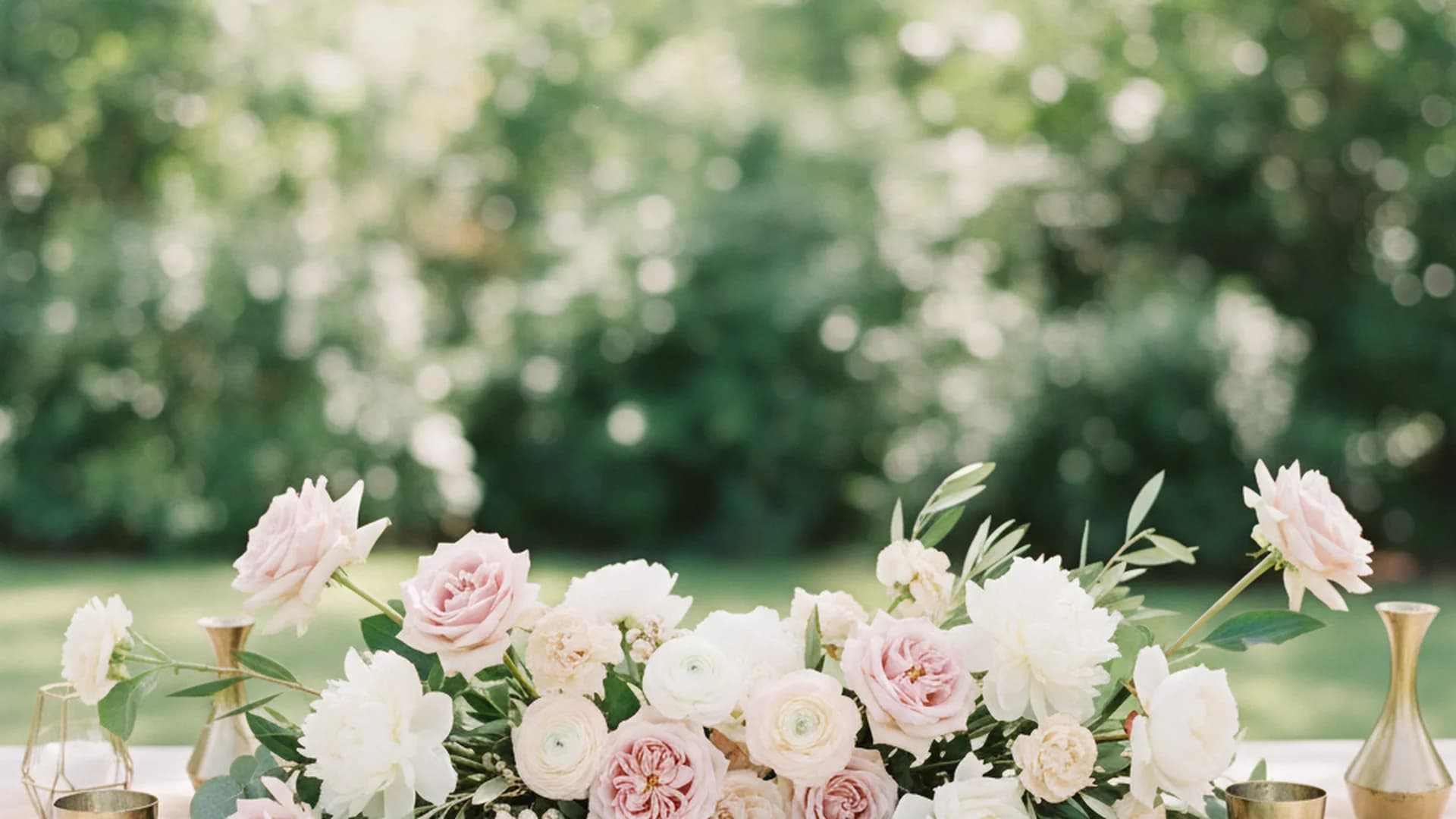
- Identify the best flowers for June, July, and August celebrations.
- Learn how to manage a $2,200–$3,500 floral budget effectively.
- Discover 2025-2026 trends like Mocha Mousse and airy, asymmetrical bouquets.
Summer is a season of radiant energy, long golden hours, and an abundance of botanical beauty. For many couples, choosing the right summer wedding flowers is about more than just matching a color palette; it is about creating a sensory environment that reflects the warmth and joy of their union. As a relationship counselor, I often see how the atmosphere of a wedding—the scent, the colors, and the "vibe"—can set the tone for the entire celebration, helping families blend and guests connect.
In this guide, we will dive deep into the world of summer florals, exploring everything from seasonal availability and heat management to the breakthrough trends of 2025 and 2026. Whether you are planning an intimate backyard ceremony or a grand ballroom reception, understanding your floral options is the first step toward a stress-free and stunning celebration.
The Summer Floral Calendar: What’s in Season?
One of the most common misconceptions in wedding planning is that all flowers are available year-round. While global shipping makes many varieties accessible, choosing seasonal blooms ensures the best quality, lower costs, and a smaller carbon footprint.
Summer is unique because it shifts significantly from the delicate, pastel-heavy blooms of June to the architectural, high-energy varieties of late August.
June: The Month of Romance
Early summer is dominated by the "it" flower of the decade: the Peony. Global searches for Peonies have increased by 175% recently, and for good reason. They are lush, fragrant, and represent a sense of classic romance.
- Key Blooms: Peonies, Roses, Sweet Peas, Lavender, Delphinium.
- Vibe: Soft, romantic, and airy.
July: The Mid-Summer Bloom
As the heat ramps up, July offers hardier varieties that can withstand longer days. This is the month where color palettes often shift from soft pinks to more saturated tones.
- Key Blooms: Hydrangeas, Zinnias, Lilies, Lisianthus, Cosmos.
- Vibe: Garden-party chic and vibrant.
August: The Late Summer Harvest
Late summer florals are sculptural and dramatic. This is the time for Dahlias, which are often considered the "Peony of the fall" but thrive in the August heat.
- Key Blooms: Dahlias, Sunflowers, Gladiolus, Asters, Amaranthus.
- Vibe: Textural, "enigmatic," and bold.
| Month | Top Recommended Flower | Why It Works |
|---|---|---|
| June | Peony | Massive bloom size, high fragrance, classic appeal. |
| July | Lisianthus | Looks like a rose but is much more heat-tolerant. |
| August | Dahlia | Incredible variety of colors and geometric shapes. |
Note
Understanding the Financials: The Floral Budget
In 2025, the average couple is investing between $2,200 and $3,500 on their wedding flowers. This typically accounts for 8–10% of the total wedding budget. However, if florals are the centerpiece of your design (such as a floral-heavy ceremony arch), this can easily climb to 15% or more.
Itemized Cost Breakdown
To help you plan, here is what you can expect to pay for individual components in the current market:
- Bridal Bouquet: $150 – $350
- Bridesmaid Bouquet: $90 – $150
- Reception Centerpieces: $150 – $400 per table
- Floral Arches/Installations: $600 – $5,000+
Tip
Heat Heroes: Keeping Flowers Fresh in 90-Degree Weather
Summer weddings, especially outdoor ones, present a unique challenge: the heat. There is nothing more heartbreaking than seeing a $300 bridal bouquet wilt before the "I dos." To prevent this, you must choose "Heat Heroes"—flowers with waxy petals or sturdy, woody stems.
Top Heat-Resistant Varieties
- Tropical Orchids & Anthuriums: These are naturally designed for humid, hot climates and will look flawless all day.
- Garden Roses: Sturdier than standard roses, they hold their shape well in the sun.
- Dahlias & Zinnias: These field-grown flowers are used to the summer sun and are incredibly resilient.
- Succulents: The ultimate heat survivors, adding a modern, architectural touch to bouquets.
Heads up
Professional Preservation Tips
- The "Water Break": Designate a bridesmaid or family member to ensure all bouquets are placed back in vases of cool water immediately after photos and the ceremony.
- Hydrating Sprays: Ask your florist to use a professional finishing spray (like "Finishing Touch") to seal the moisture into the petals.
- Coordinate Setup: Never place a floral arch in the direct afternoon sun hours before the ceremony. Coordinate with your florist to set up as late as possible.
2025–2026 Summer Floral Trends
The upcoming seasons are moving away from the "tidy boho" look toward something more sculptural and sensory.
The Rise of Amaranthus
Requests for Amaranthus, particularly cascading varieties, have surged by over 285%. This flower provides a "sculptural" and "enigmatic" look that adds movement to arrangements. It feels less like a traditional bouquet and more like a piece of living art.
Color Palette: Mocha Mousse
For 2025, the "it" color is Mocha Mousse. Think warm, earthy neutrals like taupe, caramel, and mocha. These are being paired with soft lavender or sage green to create a sophisticated, grounded summer aesthetic that feels modern yet timeless.
Zesty Brights for 2026
Looking further ahead to 2026, we are seeing a shift toward "Zesty Brights." Lemon yellow, mandarin orange, and coral are trending. These high-energy colors are perfect for summer receptions and pair beautifully with real citrus fruit integrated into centerpieces.
Multi-Sensory Design
Wedding decor is becoming an immersive experience. Florists are increasingly incorporating herbs like mint, rosemary, and basil into arrangements. Not only does this add a lush green texture, but it also creates a "scent memory" for the event.
Do this
From the OurVows workspace
Planning a wedding is a lot. We make it feel like less.
Checklist, budget, guest list, and a wedding website — together in one free workspace built for both of you.
Maximizing Your Investment: Impact Moments
Instead of spreading a limited budget thin with small arrangements everywhere, modern florists recommend focusing on "Impact Moments."
Example 1: The Ground Meadow Rather than a traditional arch, many couples are opting for "ground meadows"—floral arrangements that look like they are growing out of the ceremony floor. These can be easily moved after the ceremony to the front of the sweetheart table or the base of the cake display. This is a brilliant repurposing strategy that maximizes your investment.
Example 2: The Hanging Installation A single, lush ceiling installation over the dance floor or the head table creates a much larger visual impact than twenty small table bud vases. It draws the eye upward and becomes the "wow" factor of the night.
Example 3: Intentional Negative Space The "Airy" bouquet is a trend moving away from tight, round "ball" bouquets. By using "intentional negative space," individual premium blooms (like a single, perfect Cafe au Lait Dahlia) are allowed to shine, rather than being buried in a sea of filler.
Tip
Common Mistakes to Avoid
In my work as a consultant, I’ve seen how planning stress often stems from unmet expectations. Avoiding these common floral pitfalls will keep your wedding day harmonious.
- The Pinterest Trap: Many "viral" bouquets use out-of-season flowers or are heavily color-edited. That "blue" rose you pinned might not actually exist in nature, or it might be a $20-per-stem dyed variety. Always show your Pinterest board to your florist early to verify reality versus digital fiction.
- Overlooking the Scent Factor: While lilies are stunning, their scent is polarizing. Placing highly fragrant lilies on dinner tables can interfere with the taste of the food and may trigger allergies for sensitive guests.
- The DIY Myth: Many couples believe DIY-ing flowers saves money. However, once you factor in bulk shipping costs, refrigeration needs, floral tools, and the 10+ hours of labor required the day before the wedding, the "savings" often vanish, replaced by high stress and wilted results. If you are considering this path, read our DIY Wedding Flowers Guide carefully.
- Ignoring Sustainability: A massive shift is occurring toward "Foam-Free" mechanics. Traditional green floral foam is toxic and non-biodegradable. Ask your florist if they use eco-friendly alternatives like "chicken wire" cages or "kenzan" (flower frogs).
Frequently asked questions
What flowers are actually in season for a summer wedding?
How do I prevent my flowers from wilting in 90-degree heat?
How far in advance should I book my florist?
Is greenery cheaper than flowers?
Can I repurpose my ceremony flowers for the reception?
Conclusion
Choosing your summer wedding flowers is a journey of color, scent, and personal expression. By focusing on seasonal availability, prioritizing "impact moments," and selecting heat-resistant varieties, you can ensure your floral design remains as vibrant as your celebration. Remember, the best floral arrangements are those that not only look beautiful in photos but also enhance the joy and connection of the people gathered to celebrate your new beginning.
For more help planning your big day, visit our Complete Guide to Wedding Flowers and Decor or start organizing your timeline with our 12 Month Wedding Planning Checklist.
Do this
Ready when you are
Start Planning Your Budget
Use our calculator to see how much to allocate for your dream florals.
Ready when you are
Plan your wedding without the chaos.
Free forever for couples just getting started. Two minutes to set up. No credit card.
Keep reading
25+ Creative Wedding Sign Ideas for a Seamless 2025-2026 Celebration
Elevate your big day with these trending wedding sign ideas. From QR codes and 3D acrylic to budget-friendly DIY tips, ensure your guests have a perfect experience.
2025-2026 Winter Wedding Flowers Guide: Trends, Hardiness, and Sophisticated Palettes
Master the art of choosing winter wedding flowers. Explore 2026 trends like Amaranthus and "Subzero Sophistication" while learning how to protect blooms from frost.
Stunning Wedding Arch Flower Ideas for 2025 and 2026
Explore the latest wedding arch flower ideas, from grounded meadow arches to sustainable foam-free designs. Learn about costs, trends, and expert tips for 2025-2026.