The Ultimate Wedding Flower Types Guide: 2025–2026 Trends and Pricing
Navigate the 2025-2026 wedding floral landscape with our expert guide. Learn about trending flower types, budgeting strategies, and sustainable design practices.
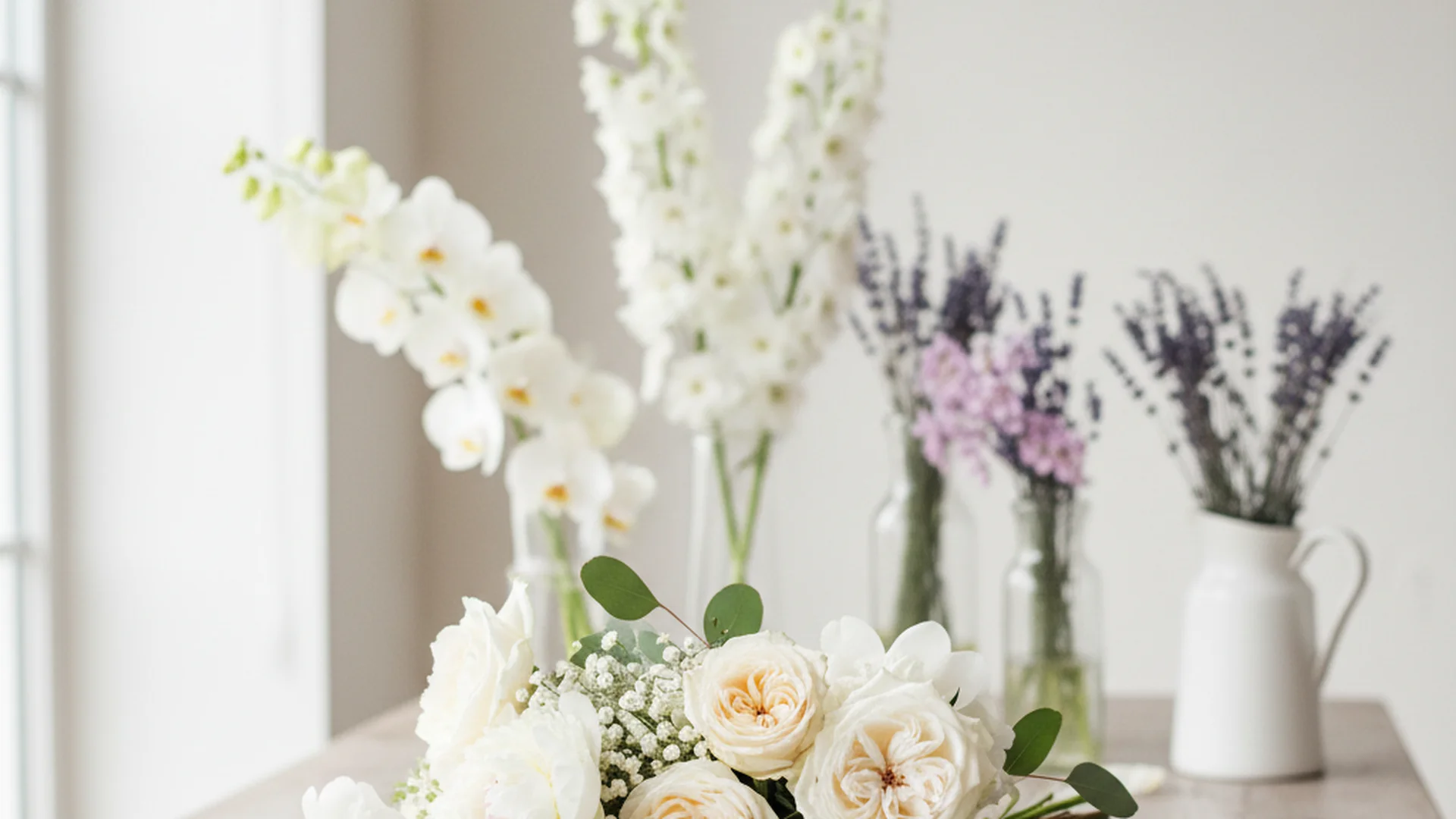
- Focus on color and 'vibe' rather than specific species for better availability.
- Budget 8–10% of your total wedding cost for professional florals.
- Sustainability is shifting toward foam-free mechanics like chicken wire and frogs.
Choosing the right blooms is one of the most transformative parts of the planning process, but navigating a Wedding Flower Types Guide can feel like learning a new language. As a vow ghostwriter, I often tell my clients that while words provide the soul of the ceremony, the flowers provide the atmosphere. The visual "scenery" of your wedding sets the emotional tone long before the first word is spoken.
In the current 2025–2026 wedding landscape, we are seeing a dramatic shift toward architectural shapes, sustainable practices, and bold color palettes that break away from the traditional muted tones of the past decade. Whether you are dreaming of a minimalist monofloral look or a lush, "sunken meadow" aesthetic, understanding the market, the costs, and the varieties is essential for a stress-free experience.
Understanding the Floral Landscape for 2025 and 2026
The global wedding flower market is flourishing. Valued at approximately $10.74 billion in 2024, it is projected to climb to over $14 billion by 2032. For couples, this growth means more variety and innovation than ever before, but it also means that high-demand florists and specific varieties are booking up faster.
Experts recommend securing your floral designer 6 to 12 months in advance. This is particularly crucial if you are marrying during "peak" months like May, June, September, or October. During these windows, the demand for premium stems like Peonies and Ranunculus skyrockets, and the best local designers often reach capacity a year out.
Note
Most Popular Wedding Flower Types
While trends shift, certain flowers remain staples because of their versatility and "staying power" in arrangements. However, 2026 is introducing some breakout stars that are changing the visual language of the modern wedding.
The Reigning Classic: Roses
Roses remain the dominant choice for weddings, with a market valuation of $1.68 billion. They are beloved for their year-round availability and wide range of colors. From the tightly packed petals of Garden Roses (which mimic the look of Peonies) to the sleek, modern look of standard long-stemmed roses, they fit almost any "vibe."
The "It" Flower: Amaranthus
If you want to be ahead of the curve, look to Amaranthus. This variety has seen a staggering 285% increase in consultation requests for the 2026 season. Known for its cascading, tassel-like blooms, it adds movement and a touch of the "extraordinary" to bouquets and installations. It is particularly effective in jewel-toned autumn weddings.
The Seasonal Sweethearts: Peonies and Dahlias
Peonies are the most requested flower for spring weddings, but they come with a warning: their natural window is incredibly narrow (usually late April to June). For autumn couples, the Cafe au Lait Dahlia offers a similar "dinner plate" size and romantic feel, though they are delicate and require expert handling to prevent wilting.
| Flower Type | Best Season | Vibe | Price Point |
|---|---|---|---|
| Rose | Year-round | Classic/Romantic | Moderate |
| Amaranthus | Summer/Fall | Architectural/Moody | Moderate |
| Peony | Late Spring | Soft/Lush | High |
| Calla Lily | Year-round | Modern/Minimalist | Moderate |
| Sweet Pea | Spring | Whimsical/Delicate | High |
Modern Floral Trends for 2025–2026
The upcoming seasons are all about breaking the "rules." We are moving away from the tight, round "ball" bouquets and exploring more creative ways to integrate nature into the venue.
The "Sunken Meadow"
Traditional tall centerpieces that block your guests' views across the table are being replaced by "meadows." These arrangements appear to grow directly from the floor or the table surface, using hidden mechanics to create a lush, wild look. This is a perfect example of matching the scale of your flowers to the room.
Mono-Botanical & Monofloral Designs
For the fashion-forward couple, the mono-botanical trend is a major player for 2026. This involves using only one type of flower in a single shade—such as an all-white tulip bouquet or an installation made entirely of baby's breath. It creates a high-impact, architectural look that feels curated and sophisticated.
Fruit & Flora Fusion
Inspired by "Dutch Masters" still-life paintings, florists are increasingly incorporating non-floral elements into centerpieces. Think clusters of grapes, sliced citrus, or pomegranates tucked among the blooms. This adds texture, scent, and a unique Mediterranean or autumnal feel to the tablescape.
The "Airy" Bouquet
The trend for 2025 is the "airy" bouquet. These designs utilize "negative space," allowing individual stems to stand out rather than being packed tightly together. This allows delicate flowers like Sweet Peas or Poppies to "breathe" and dance as the bride walks down the aisle.
Tip
Wedding Flower Budgeting and Costs
Understanding the "why" behind floral pricing helps manage expectations. Most couples should allocate 8–10% of their total wedding budget to florals. In 2025, the average spend ranges from $1,800 to $3,500, but for luxury weddings with full-service design, costs often start at $5,000 and can go much higher.
Real-World Pricing Examples:
- The Bridal Bouquet: Expect to pay an average of $250. This is the most photographed floral element and requires the most labor and the highest-quality "face" flowers.
- Centerpieces: These can range from $75 for simple, elegant bud vases to $500+ for large-scale elevated installations.
- The Ceremony Arch: A full floral arch is a significant investment, often ranging from $1,500 to $4,000 depending on the density of the flowers.
Heads up
From the OurVows workspace
Planning a wedding is a lot. We make it feel like less.
Checklist, budget, guest list, and a wedding website — together in one free workspace built for both of you.
Sustainability: The New Standard
In the 2025–2026 seasons, sustainability is no longer a niche request—it is the standard. Many modern florists are moving toward "foam-free" designs. Traditional floral foam is a non-biodegradable microplastic that is harmful to the environment.
When interviewing florists, ask if they use reusable mechanics like:
- Chicken Wire: To create structure in large installations.
- Floral "Frogs": Weighted metal pins used in the bottom of vases.
- Water Tubes: Reusable glass or plastic tubes for specific stems.
Do this
Common Mistakes to Avoid
Even with a detailed Wedding Flower Types Guide, it’s easy to fall into common traps. Here are the top mistakes wedding professionals see:
1. DIY Disasters
While DIY-ing your flowers seems like a great way to save money, it often leads to high stress. Floristry is a "perishable" skill. Without professional-grade refrigeration and knowledge of hydration techniques, flowers can wilt within hours. If you are determined to DIY, consider reading our DIY Wedding Flowers Guide first to understand the logistics.
2. Rigidity on Species
One of the biggest mistakes is being too attached to a specific bloom. If you must have a "Cafe au Lait" Dahlia and a heatwave hits or a shipping delay occurs, you may be left disappointed. Expert Recommendation: Give your florist a "color and vibe" palette rather than a rigid list. Allow them the creative license to swap for the healthiest, most beautiful stems available at the market that morning.
3. Ignoring Scent
While a bouquet of Lilies or Lilacs smells heavenly, highly fragrant flowers can be overwhelming for guests with allergies or sensitivities, especially in enclosed dining spaces. Save the heavy scents for the outdoor ceremony and use lower-fragrance options for the dinner tables.
4. Poor Repurposing
It’s common to want to move ceremony flowers to the reception. While "ground meadows" translate beautifully to the front of a sweetheart table, repurposing bridesmaid bouquets as centerpieces often fails. These bouquets are usually out of water for hours and can look wilted and "flat-sided" by the time dinner begins.
Frequently asked questions
Can I get any flower at any time of year?
How do I choose flowers if I don’t know anything about them?
How much do flowers actually cost for a $20,000 wedding?
Is greenery cheaper than flowers?
Conclusion
Your wedding flowers are the "living" part of your decor, adding movement, scent, and color to your celebration. By focusing on the 2025–2026 trends of sustainability, "sunken meadows," and bold color palettes, you can create a day that feels both modern and timeless. Remember to trust your florist's expertise, prioritize "impact" over quantity, and focus on the overall vibe rather than a specific species.
If you need help ensuring your wedding words are as beautiful as your wedding flowers, don't forget the impact of your ceremony script.
Do this
Ready when you are
Ready to Start?
Use our tools to plan your perfect wedding day.
Ready when you are
Plan your wedding without the chaos.
Free forever for couples just getting started. Two minutes to set up. No credit card.
Keep reading
25+ Creative Wedding Sign Ideas for a Seamless 2025-2026 Celebration
Elevate your big day with these trending wedding sign ideas. From QR codes and 3D acrylic to budget-friendly DIY tips, ensure your guests have a perfect experience.
2025-2026 Winter Wedding Flowers Guide: Trends, Hardiness, and Sophisticated Palettes
Master the art of choosing winter wedding flowers. Explore 2026 trends like Amaranthus and "Subzero Sophistication" while learning how to protect blooms from frost.
Stunning Wedding Arch Flower Ideas for 2025 and 2026
Explore the latest wedding arch flower ideas, from grounded meadow arches to sustainable foam-free designs. Learn about costs, trends, and expert tips for 2025-2026.