The Ultimate DIY Wedding Flowers Guide: Save Money Without Losing Your Sanity
Learn how to master DIY wedding flowers with our comprehensive guide. Save 30-60% on floral costs while following 2025 trends and expert logistical tips.
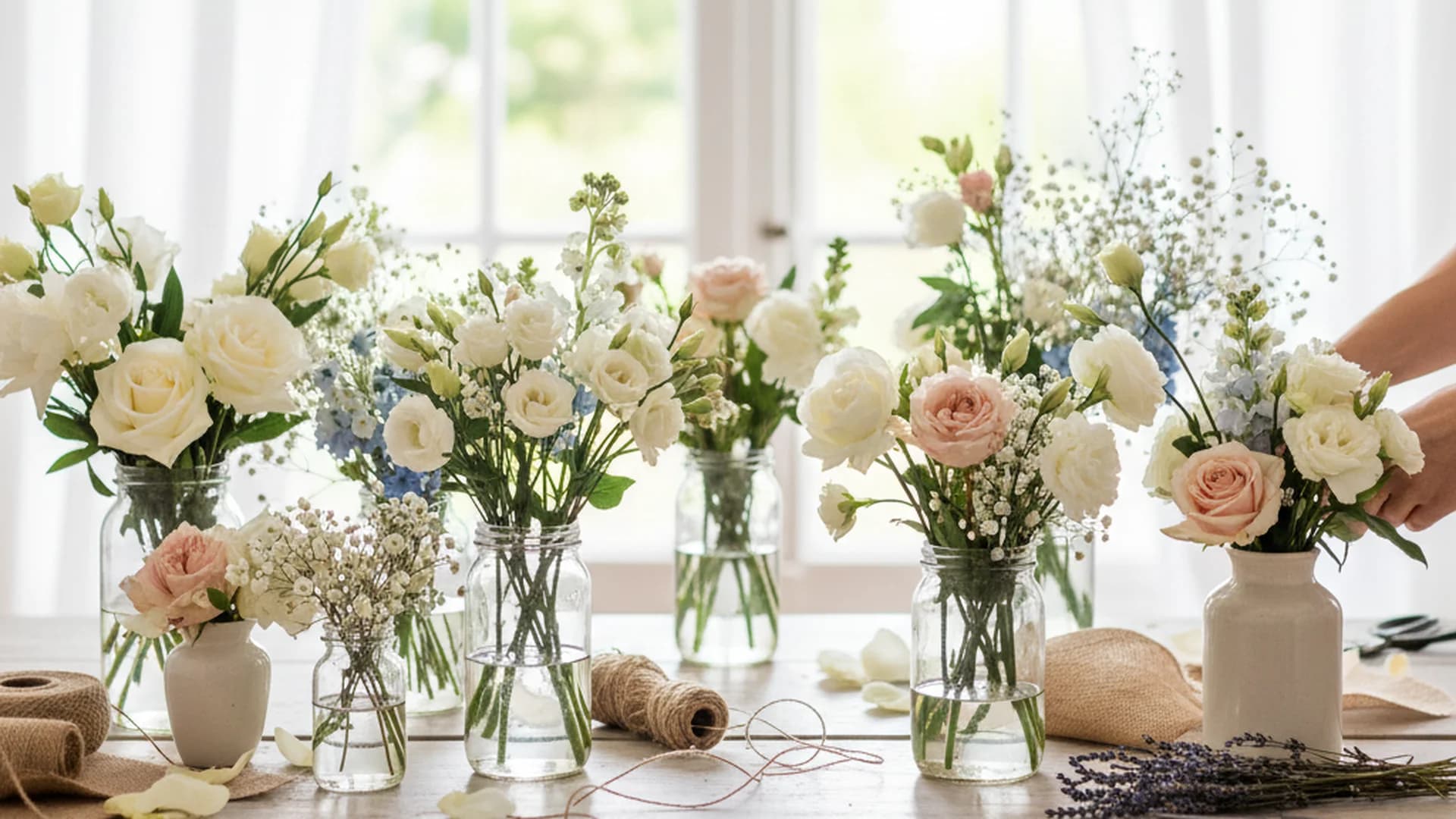
- DIYing your wedding flowers can save you between 30% and 60% compared to professional services.
- Success requires ordering 1-3 months in advance and allocating 10-12 hours for assembly during the wedding week.
- Stick to hardy blooms like roses and carnations to ensure your arrangements survive the heat and handling.
So, you’ve looked at your wedding budget and realized that the "floral" line item looks suspiciously like a down payment on a mid-sized SUV. You aren't alone. In 2025, the average couple is spending upwards of $3,500 on professional blooms. It’s no wonder that many are turning to DIY wedding flowers to keep their finances—and their sanity—intact. While the idea of hand-tying your own bouquet sounds romantic, it requires the logistics of a military operation and the patience of a saint.
This guide will walk you through everything from wholesale ordering to 2025's hottest design trends, ensuring your floral journey is more "botanical bliss" and less "wilting disaster."
The Financial Reality: DIY vs. Professional Florals
Before you buy your first pair of snips, let’s talk numbers. The primary driver for the DIY movement is, unsurprisingly, the cost. A professional florist doesn't just charge for the stems; you are paying for their years of expertise, their commercial refrigeration, their delivery vans, and the 3:00 AM trips to the flower market.
When you take on the task yourself, you are essentially "hiring" yourself for a high-stakes freelance gig. Here is how the 2025 estimates break down:
| Arrangement Type | DIY Cost (2025) | Professional Cost (2025) |
|---|---|---|
| Bridal Bouquet | $50 – $80 | $195 – $275 |
| Centerpieces | $25 – $60 | $120 – $600+ |
| Boutonnieres | $5 | $20 – $30 |
Do this
Logistics: The Timeline of a DIY Florist
One of the biggest misconceptions about DIY wedding flowers is that you can just "put them together on the morning of the wedding." Unless you want to walk down the aisle covered in green sap and smelling like a compost bin, you need a strict timeline.
1. The Ordering Phase (1–6 Months Out)
Wholesale orders should generally be placed 1 to 3 months in advance. However, if you have your heart set on high-demand, seasonal beauties like peonies or dahlias, 6 months is a much safer window. You can browse our Wedding Flower Types Guide to see which blooms fit your specific date.
2. The Processing Phase (2 Days Before)
When your wholesale boxes arrive, the flowers will likely look "sleepy" (wilted and thirsty). You must "process" them immediately. This involves:
- Recutting every single stem at a 45-degree angle.
- Removing all foliage that will sit below the water line (to prevent bacterial growth).
- Placing them in clean buckets with floral food to hydrate for at least 4–6 hours.
3. The Assembly Phase (24 Hours Before)
Construct your bouquets and centerpieces the day before the wedding. This allows the flowers to "settle" into their arrangements and gives you a buffer if a particular design isn't working.
Heads up
Choosing Your Bloom "A-Team"
Not all flowers are created equal. Some are "divas" that will wilt the moment they lose air conditioning, while others are "warriors" that can survive a marathon. For the DIY bride or groom, you want the warriors.
The Best "Hardy" Flowers for Beginners
- Roses: The gold standard. They are sturdy, come in every color, and can last days if hydrated.
- Carnations: Don't believe the "filler flower" stigma. Modern carnations come in stunning "antique" shades and are virtually indestructible.
- Chrysanthemums: Excellent for volume and texture.
- Hydrangeas: Great for filling space, but they require heavy hydration.
Tip
For more seasonal inspiration, check out our guides on Spring Wedding Flowers or Winter Wedding Flowers.
2025-2026 Design Trends to Master
If you want your DIY wedding flowers to look like they came from a high-end studio rather than a grocery store, consider these emerging trends:
The Sunken Meadow
Move away from the tall, towering centerpieces of the 2010s. The "Sunken Meadow" look features low, sprawling arrangements that appear to grow directly out of the table. Use chicken wire instead of floral foam to create a wild, garden-like structure.
Fruit + Florals
Incorporating organic elements like sliced citrus, pomegranates, or clusters of grapes into your tablescape adds a "Still Life" painting aesthetic. It’s also a clever way to fill space on a budget.
Sculptural Minimalism
If the idea of arranging 600 stems feels overwhelming, embrace Ikebana-style minimalism. Use architectural bud vases with just one or two striking stems (like a single Calla Lily or a dramatic Orchid). This focuses on the unique shape of the flower rather than the bulk of the arrangement.
Note
From the OurVows workspace
Planning a wedding is a lot. We make it feel like less.
Checklist, budget, guest list, and a wedding website — together in one free workspace built for both of you.
Common Mistakes to Avoid
Even with the best intentions, DIY projects can go awry. Here are the most common pitfalls I see as a Creative Director:
- Ignoring the "Stress Tax": The 24 hours before your wedding are the busiest hours of your life. If you are spending 10 of those hours elbow-deep in eucalyptus, you will be exhausted for your rehearsal dinner.
- The "Availability" Myth: Pinterest is a liar. Just because you see a flower in a photo doesn't mean it’s in season or affordable. Always check our Wedding Flowers by Season guide before finalizing your mood board.
- Skipping the Test Run: Never let your wedding day be the first time you build a bouquet. Buy a "practice bunch" a month early to test your mechanics and see how long the flowers last in your specific home environment.
- Neglecting the Scale: A bouquet that looks great in a vase might be way too heavy to carry for three hours of photos. Keep your "bridal grip" in mind!
Heads up
The Essential DIY Toolkit
You cannot do a professional-looking job with household scissors. You need the right tools:
- Floral Snips: For clean cuts that allow stems to drink water.
- Thorn Stripper: A lifesaver for cleaning roses quickly.
- Waterproof Floral Tape: Essential for securing bouquets.
- Chicken Wire: The eco-friendly alternative to floral foam for centerpieces.
- Floral Food: To keep the water clear of bacteria and the blooms fed.
Frequently asked questions
How far in advance should I order wholesale flowers?
How do I keep flowers fresh without a professional cooler?
Is it cheaper to use greenery instead of flowers?
Can I DIY my flowers if I'm having an outdoor summer wedding?
Conclusion
Taking on DIY wedding flowers is a significant undertaking, but for the creative and budget-conscious couple, it is incredibly rewarding. There is a unique pride in walking down the aisle holding a bouquet you crafted with your own hands. Just remember to delegate the setup! If you are the one getting married, you should not be the one placing centerpieces on tables on the morning of the event. Assign a "Day-Of Floral Assistant" (a trusted friend or family member) to handle the final placement.
By following a strict timeline, choosing hardy blooms, and practicing your technique, you can achieve a high-end look for a fraction of the cost.
Do this
Ready when you are
Ready to Plan Your Budget?
Use our interactive tool to see how much you can save on florals.
Ready when you are
Plan your wedding without the chaos.
Free forever for couples just getting started. Two minutes to set up. No credit card.
Keep reading
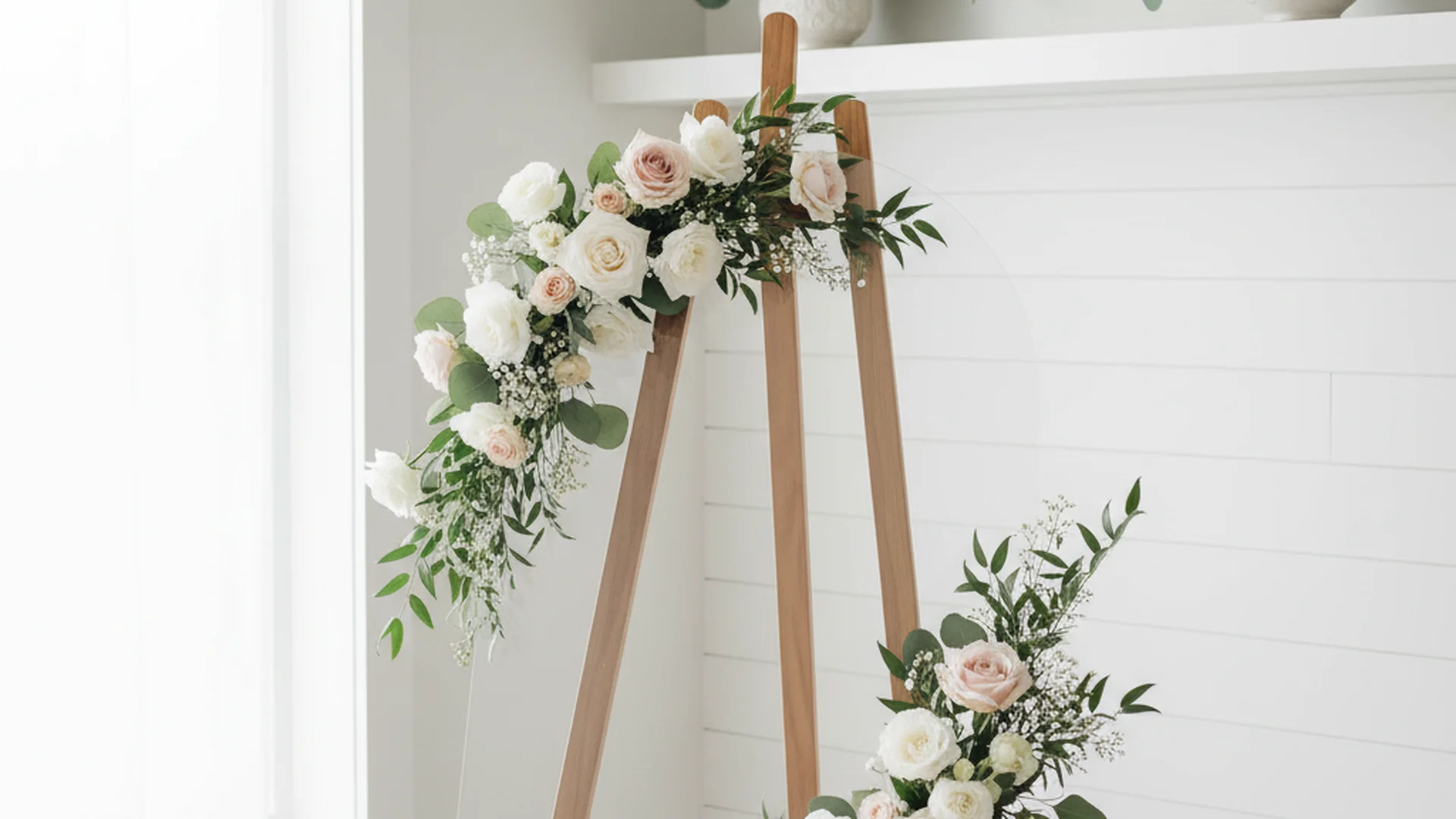
25+ Creative Wedding Sign Ideas for a Seamless 2025-2026 Celebration
Elevate your big day with these trending wedding sign ideas. From QR codes and 3D acrylic to budget-friendly DIY tips, ensure your guests have a perfect experience.
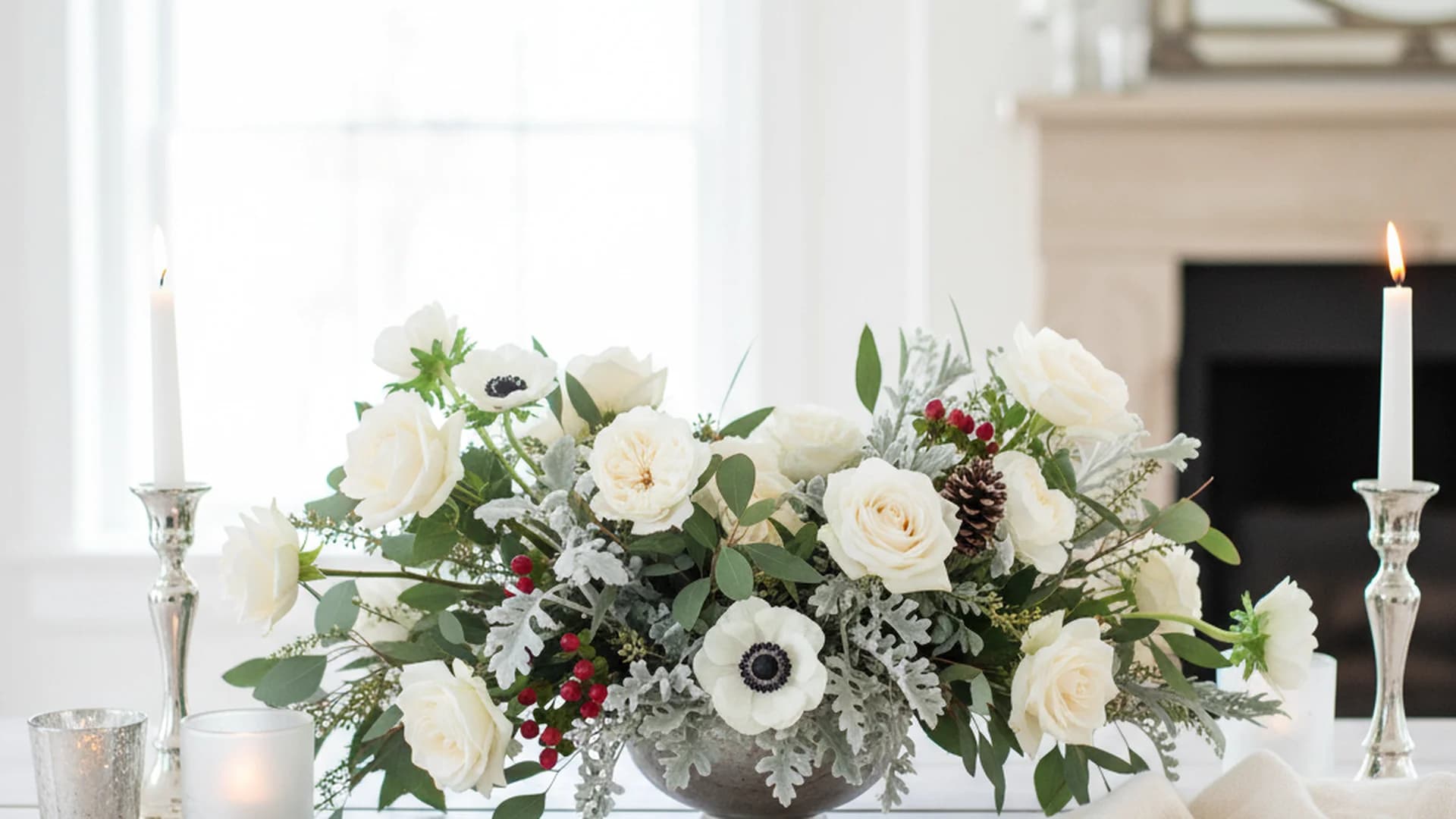
2025-2026 Winter Wedding Flowers Guide: Trends, Hardiness, and Sophisticated Palettes
Master the art of choosing winter wedding flowers. Explore 2026 trends like Amaranthus and "Subzero Sophistication" while learning how to protect blooms from frost.
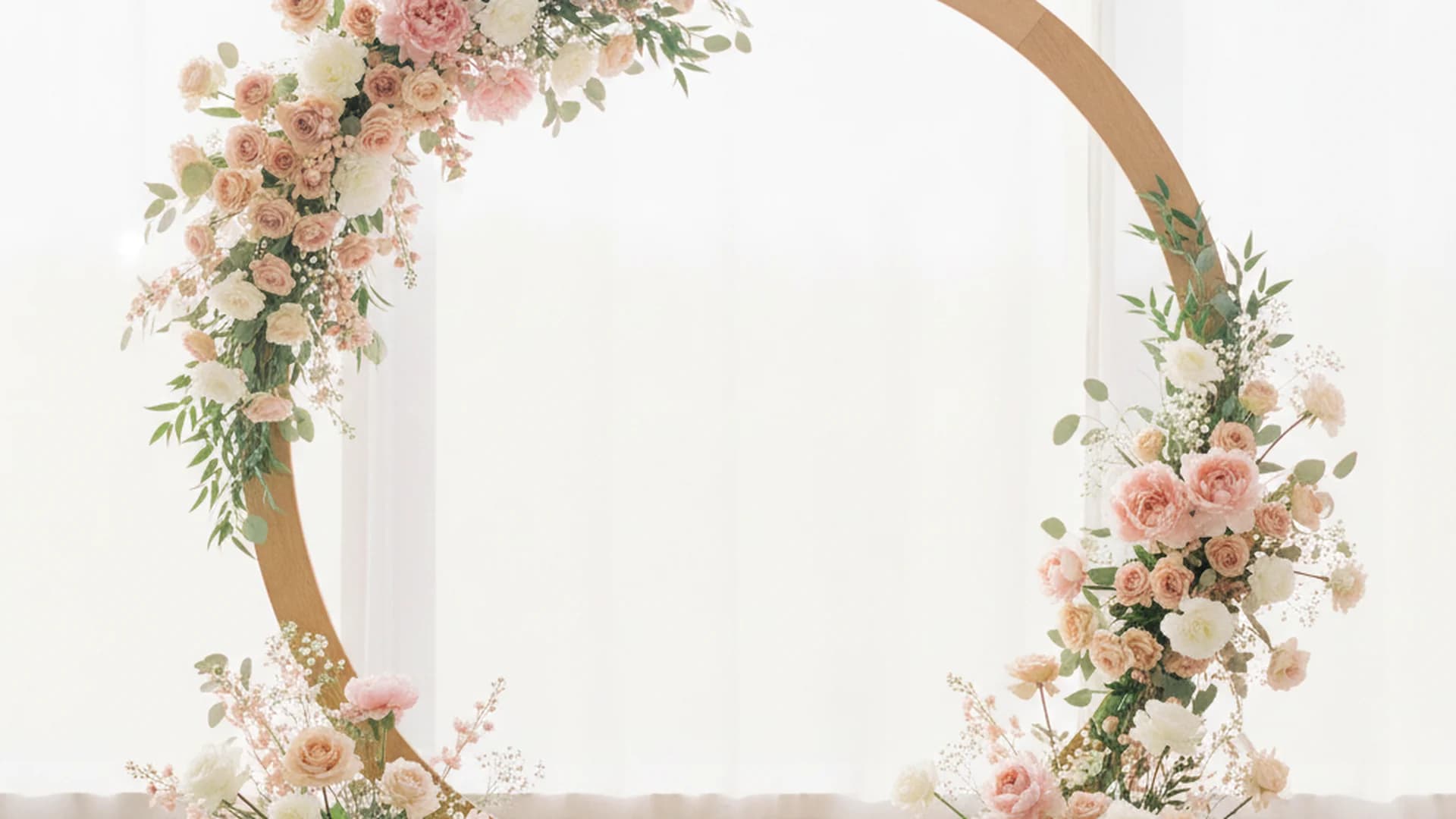
Stunning Wedding Arch Flower Ideas for 2025 and 2026
Explore the latest wedding arch flower ideas, from grounded meadow arches to sustainable foam-free designs. Learn about costs, trends, and expert tips for 2025-2026.