Mastering Round Table Wedding Seating: The Ultimate Guide for 2025-2026
Discover everything you need to know about round table wedding seating, from table dimensions and spatial rules to the hottest layout trends for 2025-2026.
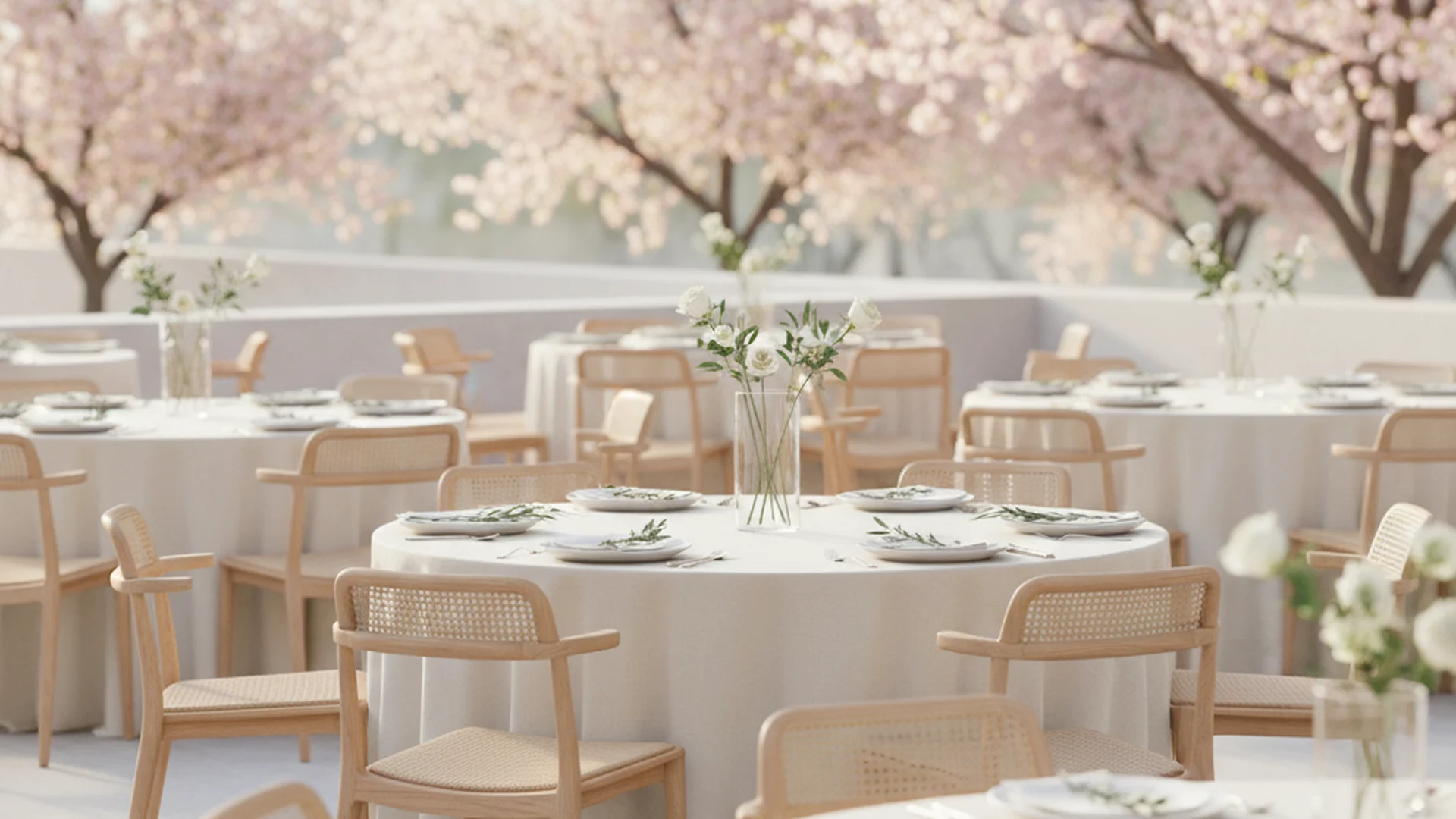
- The 60-inch round table is the gold standard for seating 8 to 10 guests.
- Leave 60 inches of space between tables to ensure guest and server mobility.
- Trends for 2026 include silver accents, edible centerpieces, and "caterpillar" layouts.
When it comes to creating an atmosphere of intimacy and connection at your reception, round table wedding seating remains the gold standard for modern couples. As an interfaith wedding officiant and ceremony designer, I have seen firsthand how the layout of a room dictates the energy of the evening. While rectangular banquet tables have had their moment in the "boho-chic" spotlight, the classic round table is making a sophisticated comeback for the 2025 and 2026 wedding seasons.
The beauty of round seating lies in its democracy; no one is at the "head" of the table, and everyone can see each other, fostering a level of conversation that long tables simply cannot replicate. However, achieving the perfect floor plan requires more than just placing circles in a room—it requires a blend of spatial mathematics, guest psychology, and aesthetic vision.
Understanding Table Dimensions and Capacities
Choosing the right size for your round table wedding seating is the first technical hurdle of your planning journey. If the tables are too small, your guests will feel cramped; if they are too large, guests will have to shout to be heard across the centerpiece.
The Most Common Round Table Sizes
In the wedding industry, we typically work with four standard round table sizes. Each serves a specific purpose in your layout:
| Table Diameter | Guest Capacity (Comfortable) | Guest Capacity (Maximum) | Best Use Case |
|---|---|---|---|
| 48-inch (4ft) | 4 Guests | 6 Guests | Cake tables, sweetheart tables, or small nooks. |
| 60-inch (5ft) | 8 Guests | 10 Guests | The industry standard for ballroom receptions. |
| 66-inch (5.5ft) | 9 Guests | 10 Guests | The "sweet spot" for extra elbow room. |
| 72-inch (6ft) | 10 Guests | 12 Guests | Large-scale weddings in massive venues. |
Tip
The Mathematics of Linens
One of the most frequent mistakes couples make is ordering linens that are too short. For a standard 60-inch table to have a sophisticated, "floor-length drop," you need a 120-inch round tablecloth. This ensures the fabric brushes the floor gracefully, hiding the utilitarian metal legs of the rental table.
Spatial Requirements for a Flawless Layout
A beautiful room is useless if your guests cannot move through it. Spatial awareness is the difference between a high-end gala and a crowded cafeteria.
The 60-Inch Clearance Rule
To ensure a safe and comfortable environment, you must leave 60 inches (5 feet) of space between your tables. This measurement is taken from the edge of one table to the edge of the next. Why 60 inches? This accounts for:
- The space needed for chairs to be pulled out (approx. 18-24 inches per side).
- A service aisle for catering staff to deliver hot plates safely.
- Walkway space for guests moving to the bar or dance floor.
Heads up
The 24-Inch Rule for Guests
When assigning seats, allocate at least 24 inches of perimeter space per guest. This is the minimum amount of "elbow room" required for a guest to dine comfortably without bumping into their neighbor. If you are using oversized "King" chairs or heavily upholstered seating, you may need to increase this to 26 or 28 inches.
Strategic Guest Grouping: Beyond "College Friends"
Once you have your tables mapped out using a Wedding Seating Chart App, it is time to tackle the seating assignments.
Grouping by Energy Levels
Instead of the traditional method of grouping people strictly by how they know you, consider energy grouping. Place your "party starters"—the high-energy friends who will be first on the dance floor—at the tables closest to the DJ or band. Conversely, seat your elderly relatives or guests who prefer quiet conversation near the exits or furthest from the subwoofers.
Note
The "Singles Table" Myth
One of the most persistent faux pas in wedding planning is creating a "singles table." This often feels forced and can make guests feel isolated. Instead, integrate single guests into tables where they share common interests or already know at least one or two other people. For more on this, check out our guide on Wedding Seating Chart Etiquette.
From the OurVows workspace
Solving the seating puzzle?
Drag-and-drop tables, relationship warnings, and printable charts — built into your guest list.
Recent Trends for 2025-2026
The world of round table wedding seating is evolving. We are moving away from the rigid, symmetrical grids of the past and embracing more organic, tactile experiences.
The "Caterpillar" Layout
In 2025, we are seeing a shift toward "Caterpillar" or S-shaped arrangements. Rather than rows of circles, planners are arranging round tables in winding, serpentine patterns through the venue. This creates a sense of discovery and makes a large, hollow space feel more intimate and "flowy."
The Silver Era and Mixed Textures
After nearly a decade of gold and brass dominance, the "Silver Era" has arrived. For 2026, expect to see chrome, pewter, and silver-rimmed chargers paired with metallic linens. To keep this from feeling cold, designers are mixing textures—think velvet tablecloths on some rounds, bouclé on others, and sheer lace overlays to add depth.
Interactive and Edible Centerpieces
The "edible centerpiece" is a major trend for 2026. Instead of purely floral arrangements, round tables are being decorated with sculptural displays of artisanal breads, bunches of grapes, and blocks of honeycomb. This encourages guests to interact with the table and each other the moment they sit down.
Do this
Common Mistakes to Avoid
Even the most organized couples can fall into these common traps when planning their round table wedding seating.
- Sightline Obstruction: Ensure your centerpieces are either "low and lush" (under 12 inches) or "tall and airy" (above 24 inches). Anything in the 12-to-24-inch "dead zone" prevents guests from seeing the person across from them.
- The "Dead Zone" Placement: Avoid placing tables directly in front of subwoofers, under air conditioning vents, or in front of service kitchen doors.
- Overstuffing the 60-inch Table: While a 60-inch table can fit 10 people, doing so leaves no room for wine pairings or bread plates. It creates a "cluttered" look that photographs poorly.
- Mandatory Symmetry: You do not need every table to look identical. Mixing centerpiece heights or even using two different (but complementary) linen colors adds visual interest to the room.
Frequently asked questions
Is a seating chart mandatory for round tables?
Can I mix round and rectangular tables?
How do I handle a "Sweetheart Table" with rounds?
Should I use a physical or digital seating chart?
Conclusion
Round table wedding seating is far more than a traditional choice; it is a strategic tool for creating a warm, conversational, and organized celebration. By respecting the technical dimensions, embracing new textures like silver and velvet, and avoiding the "singles table" trap, you can design a room that feels both grand and personal.
Remember that the goal of your seating chart is guest comfort. When guests feel they have enough elbow room and are surrounded by people they enjoy, the energy of your wedding will naturally soar. For a complete overview of the planning process, refer to our Complete Wedding Seating Chart Guide.
Do this
Ready when you are
Ready to Plan Your Layout?
Start designing your perfect floor plan with our interactive tools today.
Ready when you are
Plan your wedding without the chaos.
Free forever for couples just getting started. Two minutes to set up. No credit card.
Keep reading
Mastering the Blended Family Seating Chart: A Modern Guide to Wedding Diplomacy
Navigating step-parents and exes? Learn how to create a blended family seating chart that minimizes drama and maximizes joy with our 2026 expert guide.
The Ultimate Guide to a Kings Table Wedding Setup
Discover the elegance of a Kings Table wedding setup. Learn about dimensions, seating etiquette, and 2026 trends for this majestic "Royal" seating arrangement.
The Ultimate Guide to Choosing the Best Wedding Seating Chart App for 2025–2026
Discover how a wedding seating chart app can save you significant planning time. Explore AI-driven tools, 3D floor plans, and expert seating strategies for your big day.