Mastering Wedding Seating Chart Etiquette for 2025-2026
Learn essential wedding seating chart etiquette to ensure guest comfort and flow. From handling divorced parents to 2025 trends, this guide covers it all.
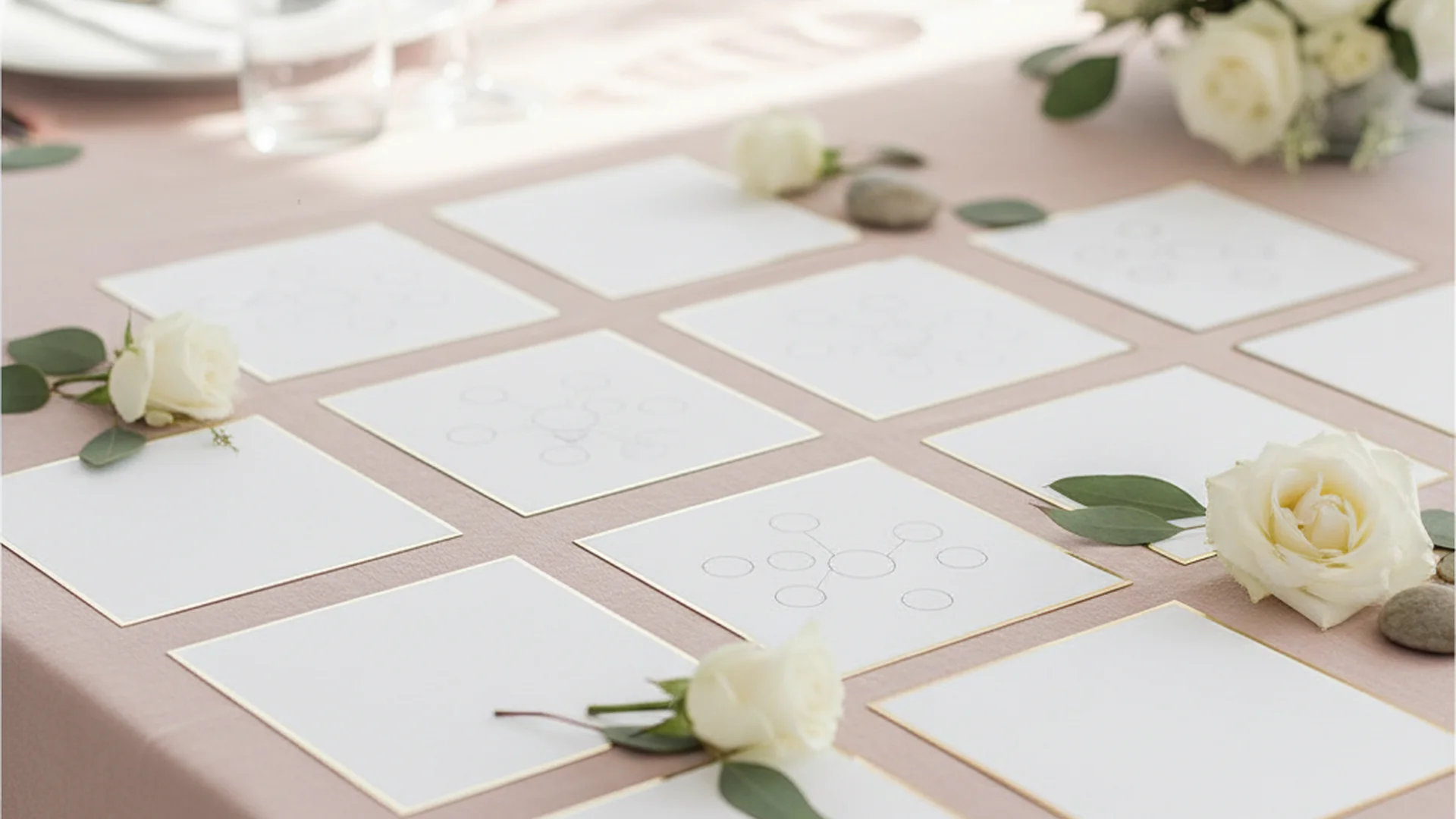
- Any wedding over 50 guests needs a formal seating chart to prevent confusion.
- Organizing names alphabetically is superior to organizing by table number.
- Strategic seating prioritizes guest comfort and existing relationships over forced social interactions.
When it comes to planning your big day, wedding seating chart etiquette is often the unsung hero of a successful reception. While the ceremony provides the emotional heart of the day, the reception is where the celebration truly lives—and nothing kills a party mood faster than a guest feeling awkward, isolated, or confused about where to sit. As an interfaith wedding officiant, I have seen firsthand how a well-thought-out seating plan can bridge cultural gaps and foster a sense of community among guests who may be meeting for the first time.
The Golden Rule: When Do You Actually Need a Seating Chart?
One of the most frequent questions couples ask is whether they can skip the seating chart entirely to create a "laid-back" vibe. While the intention is good, the reality is usually the opposite.
Experts agree on the "50-Guest Rule." If your wedding hosts more than 50 guests, a seating chart is no longer optional—it is a necessity. Without one, you risk "cafeteria-style" chaos where guests drag chairs across the room to fit into a table, families are split up because they couldn't find four adjacent seats, and single guests are left standing awkwardly while scanning the room for a friendly face.
Do this
Mastering the Logistics: Tables and Spacing
Before you can dive into the nuances of wedding seating chart etiquette, you must understand the physical constraints of your venue. The 2025–2026 wedding season sees a trend toward more spacious, comfortable layouts that prioritize movement and accessibility.
Understanding Table Capacities
The size and shape of your tables dictate how many people can sit comfortably without "elbow wars" occurring during the meal.
| Table Type | Standard Capacity | Ideal Capacity (Comfort) |
|---|---|---|
| 60-inch Round | 10 guests | 8 guests |
| 72-inch Round | 12 guests | 10 guests |
| 8-foot Rectangular | 10 guests | 8 guests |
| Bistro/High-top | 4 guests | 2 guests |
Heads up
Spacing and Accessibility
In 2025, venues are stricter than ever regarding fire codes and staff safety. Standard etiquette dictates at least 5 to 6 feet of clearance between round tables. This isn't just for comfort; it ensures that guests using wheelchairs or mobility aids can move freely and that catering staff can serve hot meals without bumping into seated guests.
Tip
The Etiquette of Alphabetical Organization
One of the biggest mistakes couples make is listing names by table number on their seating display. While it might seem logical to you, it forces a guest to scan every single table list until they find their name.
For a wedding of 140 guests (the current U.S. average), this creates a massive bottleneck at the reception entrance. Proper wedding seating chart etiquette dictates that names should always be listed alphabetically by last name. This allows a guest to find their name and table number in seconds, keeping the flow of the evening moving.
Note
Navigating Difficult Family Dynamics
Perhaps the most stressful part of creating a seating plan is managing family relationships, particularly when dealing with divorced or estranged parents.
Divorced Parents
If there is tension between parents, do not force them to share a table. The modern etiquette standard is to host two "VIP" tables. Both tables should be equally close to the couple's table to ensure neither parent feels slighted. If they are on cordial terms but simply don't want to spend four hours together, a long rectangular "King's Table" can work well, placing them at opposite ends.
The Wedding Party
The traditional "Head Table"—where the wedding party sits in a long row facing the guests like a panel of judges—is quickly becoming a thing of the past. It often isolates the wedding party from their own plus-ones.
Current trends favor:
- The Sweetheart Table: Just the couple, allowing them a few moments of intimacy.
- The King's Table: A large rectangular table where the wedding party sits with their significant others, seated in the middle of the room to stay connected to the party.
Tip
From the OurVows workspace
Solving the seating puzzle?
Drag-and-drop tables, relationship warnings, and printable charts — built into your guest list.
The "Anchor Guest" Strategy
A successful table isn't just about who sits there; it’s about the conversation that happens. This is where the Anchor Guest Strategy comes into play.
Every table should have at least one "anchor"—an outgoing, social guest who knows several people at the table. Their job (whether they know it or not) is to facilitate introductions and keep the conversation flowing.
Should You Have a "Singles" Table?
The short answer is: No. Modern etiquette suggests that grouping all single people together can feel patronizing. Instead, seat single guests with people they already know or with whom they share common interests (e.g., career paths, hobbies, or shared history with the couple).
Heads up
Modern Seating Trends for 2025–2026
As we look toward the 2025 and 2026 seasons, seating charts are evolving from simple foam boards into interactive experiences.
High-Tech Integration
For the tech-savvy couple, QR Code Integration is a rising trend. A small, beautifully framed sign at the entrance allows guests to scan a code and see a digital floor plan or receive a text with their table assignment. This is particularly helpful for very large weddings where a physical board might be hard to read. Using a Wedding Seating Chart App can help you manage these digital assignments in real-time.
Interactive Seating Walls
The "Champagne Wall" has evolved. We are now seeing "Cocktail Walls" or even "Shot Walls," where the guest’s escort card is attached to a glass. They find their name, take their drink, and head to their seat. It’s an efficient way to combine the seating chart with the start of the cocktail hour.
Sustainable and Organic Materials
Moving away from single-use plastics and foam, 2026 trends favor:
- Fabric Scrolls: Large linen or silk hangings with printed names.
- Oversized Mirrors: Elegant calligraphy written directly on vintage mirrors.
- Living Plants: Small succulents or herbs with name cards tucked into the soil, which double as wedding favors.
The "Letter Wall"
Perhaps the most touching trend is the handwritten note. Couples create a "Letter Wall" where guests find an envelope with their name. Inside is a personalized "thank you" note from the couple, expressing their gratitude for the guest's presence, followed by their table assignment. While time-consuming, it is the ultimate expression of hospitality.
Common Mistakes to Avoid
Even with the best intentions, it is easy to fall into these common traps:
- The "Back to the Crowd" Problem: If using a long head table, ensure you aren't forcing your best friends to sit with their backs to the rest of the room all night.
- Proximity to Speakers: Never seat elderly guests or young children directly in front of the DJ’s speakers. They will likely leave early if they cannot hear themselves speak.
- Waiting Until the Last Minute: Seating charts should be drafted as soon as the first RSVPs arrive. Finalizing it 48 hours before the wedding is a recipe for typos and layout errors.
- Open Seating Fallacy: Thinking open seating is "easier" is a myth. It actually causes more stress for guests (like the first day of high school) and often leaves awkward empty chairs scattered throughout the room.
Note
Frequently asked questions
Do I need to assign specific seats or just tables?
How do I handle guests who didn't RSVP but showed up?
Where should I place the kids' table?
How do I communicate the seating chart effectively?
Conclusion
Creating a wedding seating chart is part logic, part psychology, and part art. By following these wedding seating chart etiquette guidelines, you ensure that every guest feels seen, comfortable, and ready to celebrate. Remember that your seating plan is the foundation of your reception's atmosphere—investing time in it now will pay off in a seamless, joyful evening later.
Do this
Ready when you are
Design Your Layout Today
Simplify your planning with our professional tools.
Ready when you are
Plan your wedding without the chaos.
Free forever for couples just getting started. Two minutes to set up. No credit card.
Keep reading

The Ultimate Guide to Choosing the Best Wedding Seating Chart App for 2025–2026
Discover how a wedding seating chart app can save you significant planning time. Explore AI-driven tools, 3D floor plans, and expert seating strategies for your big day.
Navigating the Divorced Parents Seating Chart: A Diplomatic Guide for 2025-2026
Learn how to design a divorced parents seating chart that maintains peace and honors family. Expert tips for ceremony and reception layouts in 2025.
The Ultimate Wedding Seating Chart Timeline: A Month-by-Month Guide
Master your wedding seating chart timeline with our expert guide. From early drafts to last-minute changes, learn how to organize your guests stress-free.