The Ultimate Plus Size Wedding Dress Guide: Trends and Tips for 2025-2026
Navigate the world of curvy bridal fashion with our plus size wedding dress guide. Discover 2025 trends, silhouette tips, and expert advice for your big day.
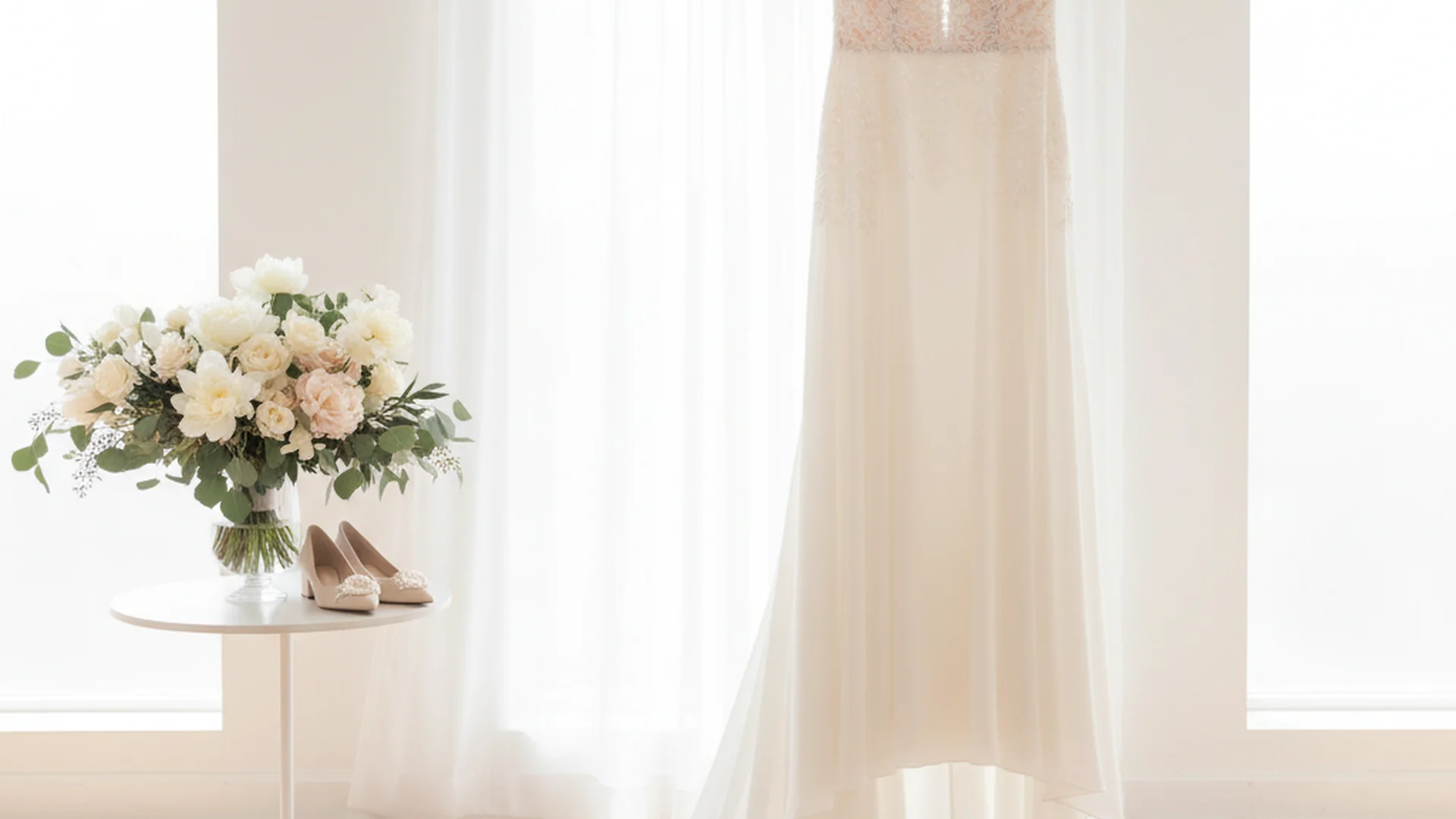
- Bridal sizing runs 1–2 sizes smaller than street clothes, so plan for a larger tag size.
- High-structure fabrics like Mikado and innovative Neoprene are top trends for 2025-2026.
- Start your search 12–18 months in advance to account for production and alterations.
Finding the perfect gown is one of the most emotional and significant milestones in the wedding planning process. However, for many years, the bridal industry failed to provide an inclusive experience for every body type. This plus size wedding dress guide is designed to change that narrative. As an interfaith wedding officiant, I have seen hundreds of brides walk down the aisle, and the most radiant ones are those who feel supported, comfortable, and authentically themselves in their attire.
In 2025 and 2026, the focus has shifted toward "radical inclusivity." Designers are no longer just "scaling up" standard patterns; they are engineering gowns specifically for curves. Whether you are dreaming of a regal ball gown or a sleek, modern silhouette, this guide will provide the statistical reality, trend forecasts, and practical tips you need to navigate your bridal journey with confidence.
The Reality of Plus-Size Bridal Shopping
Before you step into a boutique, it is vital to understand the landscape of the bridal industry. Knowledge is your best tool for avoiding frustration and ensuring a joyful shopping experience.
Understanding the Sizing Discrepancy
One of the most common shocks for brides is the "bridal size." Historically based on European couture measurements from the mid-20th century, bridal sizing is notoriously small.
Heads up
This discrepancy is a remnant of industry tradition and has nothing to do with your actual body shape. When using this plus size wedding dress guide, remember that the number on the tag is simply a tool for the seamstress; it does not define your beauty or your worth.
The "Sample Size" Hurdle
For decades, the #1 complaint from plus-size brides was the lack of samples to try on. Many boutiques only stocked sizes 8 through 12. Trying to envision a $3,000 purchase while a dress is clipped to the front of your body can be a demoralizing experience.
Fortunately, the market is changing. With the plus-size bridal wear market projected to reach $4.25 billion by 2033, more "inclusive-only" boutiques and specialized collections are appearing.
Tip
Finding Your Perfect Silhouette
Every body is a masterpiece, and different silhouettes highlight different features. In our Complete Guide to Wedding Attire, we discuss the importance of balance. Here is how that applies specifically to curvy figures:
The Apple Shape
If you carry weight in your midsection and have a full bust, the goal is often to elongate the torso.
- Best Styles: Empire waists and A-line dresses are your best friends.
- Expert Move: Opt for a V-neckline to create a vertical line that draws the eye upward toward your face.
- Real-World Example: Sarah, a 2024 bride, chose an Empire Waist Wedding Dress with a deep-V lace bodice. The high waistline allowed the fabric to flow gracefully over her midsection, providing comfort for an all-day outdoor ceremony.
The Pear Shape
If your hips are wider than your shoulders, you can play with volume to create a balanced, symmetrical look.
- Best Styles: Ball gowns and A-lines.
- Expert Move: Focus on the bodice. Use lace, beading, or off-the-shoulder sleeves to draw attention to your upper body and waist.
- Recommended Reading: Check out our Ball Gown Wedding Dress Guide for more on this classic silhouette.
The Hourglass Shape
If your bust and hips are relatively balanced with a defined waist, you have the "traditional" curvy silhouette that many modern gowns are designed to accentuate.
- Best Styles: Mermaid, Trumpet, and Fit-and-Flare.
- Expert Move: Do not be afraid of the "fit." Many brides try to hide their curves in baggy dresses, but a fitted gown highlights your natural proportions.
- Internal Link: Explore the Mermaid Wedding Dress Guide to see how these styles celebrate curves.
The Rectangle Shape
If your silhouette is more straight up and down, the goal is to create the illusion of curves.
- Best Styles: Sheath dresses with belts or A-lines with structured bodices.
- Expert Move: A "Basque" waist—a V-shaped waistline trending for 2025—can create a dramatic hip-to-waist ratio.
| Body Type | Recommended Silhouette | Key Feature |
|---|---|---|
| Apple | A-Line / Empire | Elongates Torso |
| Pear | Ball Gown / A-Line | Balances Hips |
| Hourglass | Mermaid / Fit-and-Flare | Highlights Waist |
| Rectangle | Belted A-Line / Basque | Creates Curves |
Fabric and Support: The Foundation of the Gown
In the world of plus-size bridal, the fabric isn't just about aesthetics; it’s about engineering. A dress needs to look beautiful while providing the structural integrity to support you throughout a 10-hour day.
High-Structure Fabrics
For 2025 and 2026, Mikado, Duchess Satin, and Taffeta are making a massive comeback. These fabrics are "forgiving" because they hold their own shape. They act as a second skin that smooths and supports without requiring aggressive shapewear.
Movement and Comfort
If you are planning a beach or destination wedding, look for Chiffon or Georgette. These fabrics are lightweight and "breathe" well.
Note
The Support Foundation
Never shop for a dress in a standard bra. To get an accurate view of how a gown will sit, wear the intended undergarments—whether that is a high-quality bustier or professional-grade shapewear.
Do this
Recent Trends (2025-2026)
The upcoming seasons are bringing some of the most exciting shifts in bridal fashion in a decade.
1. The Basque and Drop Waist
The "Basque" waistline is a major trend for 2025. This V-shaped waistline sits lower on the hips and creates a regal, vintage look. It is exceptionally flattering for plus-size brides because it elongates the midsection and provides a natural transition into a full skirt.
2. Black and Bold Textures
Traditional white is no longer the only option. For "moody" 2026 ceremonies, black wedding dresses featuring 3D floral appliqués and heavy ruching are trending. These gowns are designed to be high-fashion statements that celebrate confidence.
3. Architectural Neoprene
In 2026, we are seeing the rise of Neoprene Innovation. This thick, smoothing fabric creates clean, "Instagram-worthy" lines. It provides the smoothing effect of shapewear built directly into the dress, eliminating the need for heavy internal boning.
4. Convertible Elements
Versatility is key. Many plus-size brides are opting for:
- Detachable "Bishop" Sleeves: Perfect for coverage during the ceremony and freedom during the reception.
- Removable Trains: Let you have the "wow" moment at the altar without the weight at the party.
From the OurVows workspace
Planning a wedding is a lot. We make it feel like less.
Checklist, budget, guest list, and a wedding website — together in one free workspace built for both of you.
The Shopping Timeline and Pricing
Because most plus-size gowns require specialized patterns or custom modifications, the timeline is longer than you might expect.
When to Shop
Custom plus-size gowns often require 6 to 10 months for production. If you add in the recommended 3 rounds of alterations, you should ideally start your search 12 to 18 months before your wedding date.
Heads up
The "Fat Tax" Myth vs. Reality
Historically, some designers charged a 10–15% "upcharge" for sizes above 18, citing the need for "extra fabric." Today, modern inclusive brands like True Society and Essense of Australia have moved toward uniform pricing. While some boutiques may still have a surcharge, the industry trend is firmly moving toward price transparency regardless of size.
Common Mistakes to Avoid
In my experience as a ceremony designer, I see brides fall into the same traps every year. Avoid these four common errors:
- Choosing "The Tent": Many brides believe that more fabric equals more coverage. In reality, oversized, shapeless dresses often make you look larger and less proportional. A well-tailored, fitted dress will always be more flattering.
- The "No Mermaid" Myth: There is a persistent myth that plus-size brides cannot wear mermaid or trumpet styles. This is false. In fact, these silhouettes are often the best for highlighting a curvy, hourglass figure.
- Ignoring the Alterations Budget: For plus-size gowns, professional tailoring isn't just a "fix"—it is a requirement. The internal structure (boning and cups) must align perfectly with your unique proportions. Budget at least $500-$900 for quality alterations.
- Shopping with Too Many People: More opinions usually lead to more confusion. Bring 2 or 3 trusted individuals who understand your style and support your confidence.
Tip
Frequently asked questions
What sample sizes do most boutiques carry?
Is there a "fat tax" for plus-size wedding dresses?
Can I add sleeves or a corset back to my dress?
Should I wait to lose weight before I start shopping?
Which fabrics are best for smoothing out curves?
Conclusion
Your wedding day is a celebration of love, and your attire should be a reflection of your joy, not a source of stress. The plus size wedding dress guide for 2025-2026 proves that the industry is finally catching up to the reality of the modern bride. By focusing on structure, starting your search early, and ignoring outdated myths about what you "can" or "cannot" wear, you will find a gown that makes you feel like the most beautiful version of yourself.
Remember, the most important part of the wedding isn't the dress—it's the person in it and the commitment you are making. But having a dress that fits like a glove certainly makes the walk down the aisle a lot more fun!
Do this
Ready when you are
Plan Your Budget
Ensure you have enough for your dream dress and alterations.
Ready when you are
Plan your wedding without the chaos.
Free forever for couples just getting started. Two minutes to set up. No credit card.
Keep reading
The Best Groom Suit Colors for 2025 & 2026: A Complete Guide
Explore the best groom suit colors for 2025-2026. From classic navy to trendy earth tones, find the perfect look for your wedding style and venue.
Flower Girl Dress Ideas: The Ultimate Guide for 2025 and 2026
Discover the top flower girl dress ideas for 2025–2026. From vintage revivals to 3D florals, find the perfect, comfortable look for your littlest bridal party members.
The Ultimate Bridesmaid Dress Guide: Trends and Tips for 2025–2026
Navigate the world of bridesmaid fashion with our 2025–2026 Bridesmaid Dress Guide. Learn about top trends, sizing secrets, and etiquette to keep your party happy.