The Ultimate Strapless Wedding Dress Guide (2025-2026)
Master the art of the strapless wedding dress with our expert guide. Explore 2025-2026 trends, fitting secrets for every body type, and how to ensure your gown stays perfectly in place.
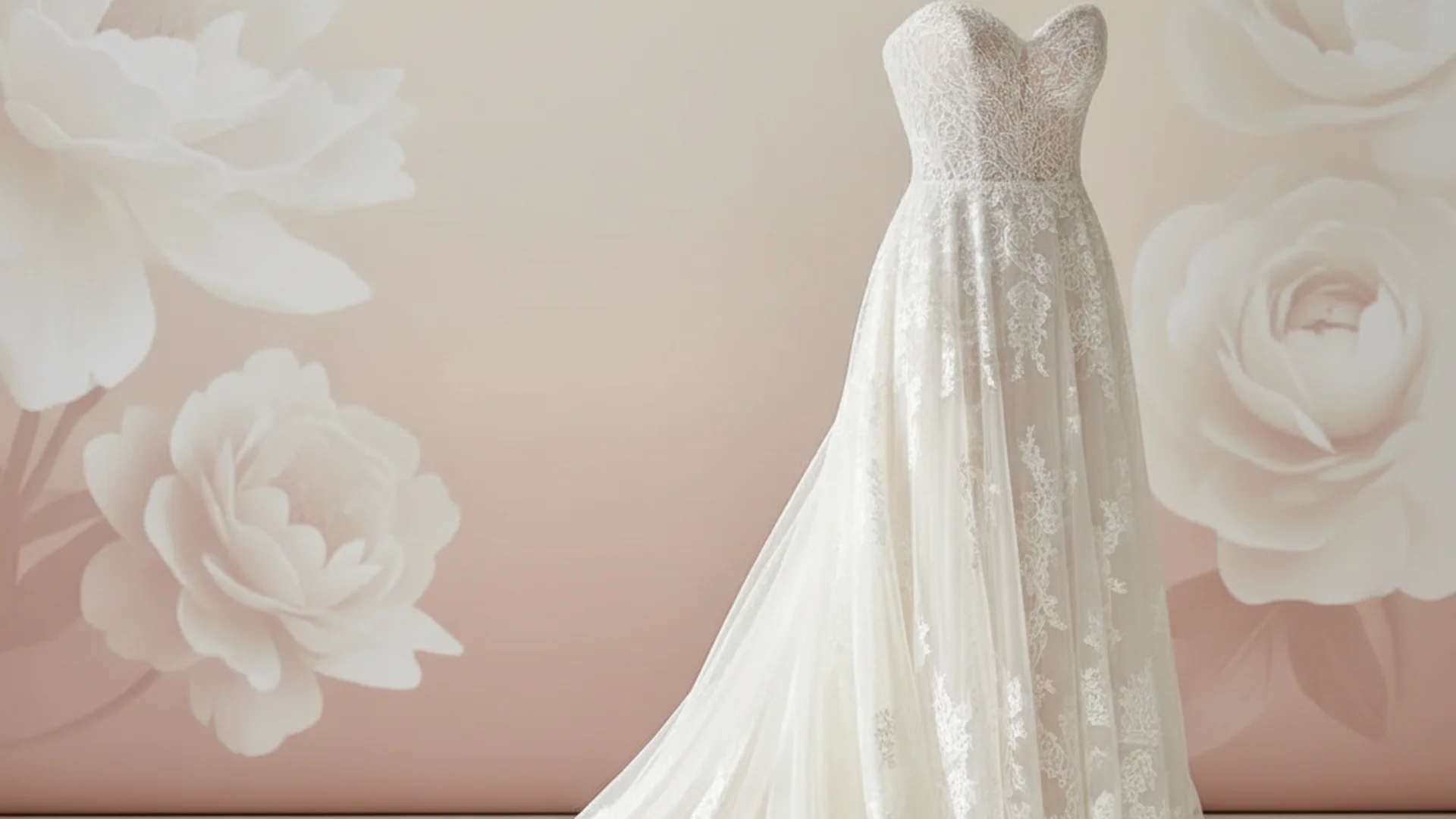
- Strapless gowns are supported by the waist and ribcage, not the tightness of the top.
- The Basque waist and sculptural 3D florals are the leading trends for 2025–2026.
- Proper internal corsetry and boning are essential for comfort and security for all bust sizes.
For decades, the strapless silhouette has reigned supreme in the world of bridal fashion. It is the ultimate "blank canvas" for a bride, offering a blend of timeless elegance and modern allure. However, choosing the perfect gown involves more than just falling in love with a sketch or a mannequin. This strapless wedding dress guide is designed to walk you through the engineering, the aesthetics, and the essential fitting secrets you need to feel confident from your first walk down the aisle to your final dance.
Whether you are dreaming of a minimalist architectural gown or a romantic ballgown adorned with 3D florals, understanding how these dresses work is the key to a stress-free wedding day. As a vow ghostwriter, I often see how a bride’s confidence—or lack thereof—in her attire can affect her presence during the ceremony. When you aren't worried about your dress slipping, you can focus entirely on the words you are saying and the partner standing before you.
The Engineering of Elegance: How Strapless Gowns Work
One of the most persistent myths in bridal fashion is that a strapless dress is held up by the tightness of the neckline or the strength of your bust. In reality, a well-constructed strapless gown is a masterpiece of internal engineering.
The Power of the Waist Anchor
The "stay-up" factor of a strapless dress relies almost entirely on the waist and the ribcage. Think of the dress as being anchored at your narrowest point. When the waist of the gown is fitted snugly, it creates a shelf that prevents the weight of the skirt from pulling the bodice down. This is why many high-end gowns include an internal "waist tape" or a hidden elastic belt that cinches you in before the outer zipper is even closed.
Plastic vs. Metal Boning
While historical corsetry relied on rigid whalebone or metal, modern bridal couture has shifted toward high-quality plastic boning.
Note
Selecting the Right Silhouette for Your Body Type
While any bride can wear a strapless gown, certain silhouettes and necklines can enhance your natural proportions. Using a Complete Guide to Wedding Attire can help you narrow down your options, but here are the specifics for strapless designs:
The Hourglass: Mermaid and Trumpp
If you want to highlight your curves, the mermaid or trumpet silhouette is the gold standard. These styles are often heavily structured through the hips, providing an excellent anchor for the strapless top.
- Real-World Example: Consider "The Maria," a bride who chose a structured silk Mikado mermaid gown. The rigid fabric provided so much internal support that she felt secure enough to perform a choreographed tango for her first dance without a single adjustment.
The Pear Shape: A-Line and Ballgowns
For brides with wider hips, an A-line or ballgown skirt balances the proportions perfectly. The strapless bodice draws the eye upward to the shoulders and collarbone. You can explore more in our A-Line Wedding Dress Guide.
The Petite Bride: Sweetheart vs. Straight-Across
A straight-across neckline can sometimes "cut" a petite frame, making the torso appear shorter.
Tip
The Apple Shape: Structured Corsetry
For brides who carry weight in their midsection, a structured corset top is vital. Unlike soft, unboned bodices, a structured corset provides the definition and support needed to create a balanced silhouette.
Leading Trends for 2025–2026
The bridal world is moving away from the stark minimalism of the late 2010s and embracing "maximalist romance." If you are planning your wedding for the upcoming seasons, keep an eye on these emerging styles.
The Basque Waist
This is perhaps the biggest trend for 2025. A Basque waist features a "V-shaped" waistline that dips low in the front, below the natural waistline. This Victorian-inspired look is incredibly flattering, as it elongates the torso and creates a regal, "old world" aesthetic.
The "Trick" Dress (Convertible Styles)
Modern brides want two looks in one. We are seeing a massive rise in convertible strapless gowns that feature:
- Detachable puff sleeves for the ceremony.
- Sheer lace boleros.
- "Bridal scarves" or capes that offer modesty during the vows but can be removed to reveal a sleek strapless look for the party.
Sculptural Textures and 3D Florals
Moving away from flat lace, 2026 collections are leaning into 3D floral appliqués and sculptural silk organza. These elements add depth and movement to the strapless bodice, making it a focal point of the design.
Do this
From the OurVows workspace
Planning a wedding is a lot. We make it feel like less.
Checklist, budget, guest list, and a wedding website — together in one free workspace built for both of you.
Fitting Secrets: The "Sit-Dance-Hug" Test
A dress might look perfect when you are standing perfectly still in front of a mirror, but you won't be standing still on your wedding day. You will be sitting for dinner, hugging relatives, and dancing.
The Three-Step Movement Test
During your first and second fittings, you must perform these three movements:
- The Sit Test: Does the boning dig into your hips or thighs when you sit? Does the top gap significantly?
- The Dance Test: Do a "shimmy" or a quick bounce. If the dress slides down even half an inch, the waist needs to be tighter.
- The Hug Test: Reach your arms forward as if hugging a friend. Does the bodice pinch your skin or restrict your breathing?
Heads up
Common Mistakes to Avoid
Even with the best intentions, brides often fall into common traps when choosing or altering a strapless gown.
1. Over-Tightening the Top
Many brides think that if the dress feels loose, they should tighten the top edge. This is a mistake. Over-tightening the top edge causes the "squish" effect—creating armpit or back bulges where none exist. The support should always come from the waist.
2. Relying Solely on Fashion Tape
While fashion tape is a great tool for preventing the fabric from gaping when you lean over, it is not a structural tool. It cannot hold up the weight of a 10-pound beaded gown. If you find yourself reaching for tape to keep the dress "up," the alterations are not yet correct.
3. Ignoring the "Expansion Factor"
Natural fabrics like silk and cotton expand as they warm up.
- Real-World Example: A bride named Julia had her final fitting in a heavily air-conditioned salon. After an hour of outdoor photos in 80-degree weather, the silk fibers relaxed, and her dress became noticeably looser.
Tip
Frequently asked questions
Will my dress fall down if I dance?
Can I wear a strapless dress if I have a large bust?
What undergarments do I need?
Are strapless dresses comfortable for long days?
Finalizing Your Bridal Look
Choosing a strapless gown is a bold, beautiful choice that has stood the test of time for a reason. By focusing on the structural integrity of the waist, staying mindful of the 2025 trends like the Basque waist, and performing rigorous movement tests during your fittings, you will ensure that you look—and feel—spectacular.
If you are still early in your planning journey, you might want to use a Wedding Checklist Generator to keep track of your fitting timeline. And once the dress is perfect, you can focus on what really matters: the vows. If you need help finding the right words to match the elegance of your attire, our Wedding Vow Writer is here to help.
Do this
Ready when you are
Ready to Find Your Perfect Fit?
Start planning your bridal look with our expert tools.
Ready when you are
Plan your wedding without the chaos.
Free forever for couples just getting started. Two minutes to set up. No credit card.
Keep reading
The Best Groom Suit Colors for 2025 & 2026: A Complete Guide
Explore the best groom suit colors for 2025-2026. From classic navy to trendy earth tones, find the perfect look for your wedding style and venue.
Flower Girl Dress Ideas: The Ultimate Guide for 2025 and 2026
Discover the top flower girl dress ideas for 2025–2026. From vintage revivals to 3D florals, find the perfect, comfortable look for your littlest bridal party members.
The Ultimate Bridesmaid Dress Guide: Trends and Tips for 2025–2026
Navigate the world of bridesmaid fashion with our 2025–2026 Bridesmaid Dress Guide. Learn about top trends, sizing secrets, and etiquette to keep your party happy.