The Ultimate Ball Gown Wedding Dress Guide (2025-2026)
Explore our comprehensive Ball Gown Wedding Dress Guide. Learn about 2025 trends, body type matching, costs, and expert tips for the most iconic bridal silhouette.
- Ball gowns are ideal for pear-shaped and inverted triangle body types.
- The 'Basque waist' is the leading trend for the 2025-2026 wedding seasons.
- Plan for a 12-month lead time including production and multi-step alterations.
For many brides, the image of a wedding is inseparable from the vision of a "fairytale" entrance. As an interfaith wedding officiant, I have stood at the head of hundreds of aisles, and I can attest that nothing commands the room quite like the dramatic sweep of a full skirt. This Ball Gown Wedding Dress Guide is designed to help you navigate the complexities of this iconic silhouette, from the structural engineering of the petticoats to the latest aesthetic trends hitting the runways for 2025 and 2026.
Whether you are dreaming of a royal-inspired cathedral ceremony or a modern "garden-glam" event, the ball gown offers an architectural presence that other silhouettes simply cannot match. However, with great volume comes great responsibility—understanding the weight, the cost, and the logistics of this dress style is essential for a seamless wedding day experience.
What Defines a Ball Gown?
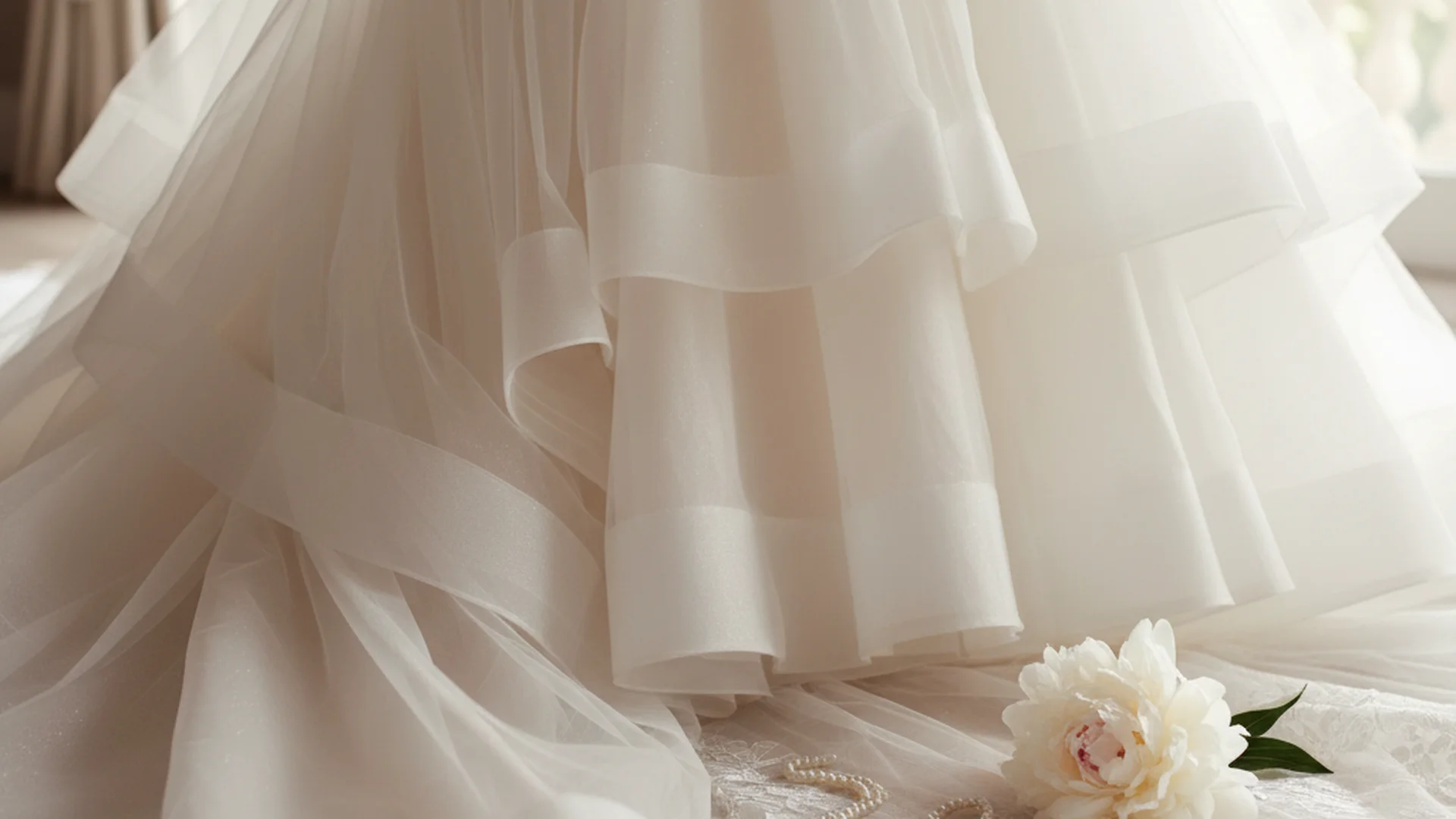
Before diving into the styling and shopping process, it is important to understand what technically constitutes a ball gown. In the world of bridal fashion, a ball gown is defined by a very fitted bodice and a dramatic, voluminous skirt that begins at the natural waist or slightly lower.
Unlike the A-Line Wedding Dress Guide which describes a gradual flare from the hips, the ball gown features an immediate and significant "poof." This volume is usually achieved through internal structural elements:
- Crinolines: Stiffened fabric layers used to provide body.
- Petticoats: Underskirts that add fullness.
- Horsehair Hems: A thick, flexible netting sewn into the hemline to keep the skirt flared out and prevent it from collapsing between your legs as you walk.
Note
Matching the Ball Gown to Your Body Type
One of the reasons the ball gown remains a top-three silhouette choice globally is its incredible versatility across different body shapes. As a "maximalist" silhouette, it allows you to play with proportions in a way that highlights your best features.
The Pear-Shaped Bride
The ball gown is the "holy grail" for pear-shaped individuals. Because the skirt begins at the narrowest part of the waist and flares out immediately, it completely camouflages the hips and thighs. This creates a balanced, hourglass-like appearance while drawing all the visual attention to the torso and neckline.
The Inverted Triangle
If you have broader shoulders and narrower hips, a ball gown provides the necessary volume at the bottom to balance your frame. By creating width at the base, the silhouette makes the shoulders appear perfectly proportional rather than dominant.
The Petite Bride
There is a common misconception that petite brides cannot wear ball gowns. While a massive, "cupcake" style skirt can overwhelm a small frame, "petite-friendly" variations exist. Experts recommend looking for a dropped-waist ball gown or a high-waist version that elongates the appearance of the legs.
Tip
Fabric Selection and Venue Compatibility
The fabric you choose for your ball gown will dictate not only the "vibe" of the dress but also how it moves and how heavy it feels throughout the day.
| Fabric Type | Best Season | Aesthetic |
|---|---|---|
| Mikado / Satin | Winter/Late Fall | Architectural, formal, regal, high-shine |
| Tulle / Organza | Spring/Summer | Ethereal, "cloud-like," lightweight appearance |
| Silk Faille | Year-round | Sophisticated, textured, holds shape well |
| Italian Crepe | Modern/Minimalist | Clean lines, matte finish, heavy drape |
Venue Pairing
A ball gown is a high-impact choice that requires a venue to match. Grand venues like cathedrals, historic mansions, and luxury hotels are the traditional homes for this silhouette. When choosing your venue, consider the width of the aisle. A ball gown with a cathedral-length train requires space to breathe; you don't want to be "crunching" your skirt against the pews as you walk.
For those planning an outdoor wedding, don't feel restricted. A "garden-glam" wedding can perfectly accommodate a ball gown if the fabric is light, such as layers of airy tulle or organza.
Heads up
Top Trends for 2025-2026
The bridal industry is currently seeing a shift toward "Luxe Minimalism" and "Regency-core" influences. If you are shopping for a gown in the coming year, keep an eye out for these emerging trends.
The Basque Waist Revival
The #1 trend for the 2025 season is the Basque waist. This is a bodice that features a distinct V-shaped dip at the front of the waistline. This Renaissance-era detail is ultra-slimming, as it elongates the torso and creates a dramatic transition into the full skirt.
Modular Elements
Modern brides want versatility. We are seeing a surge in ball gowns with detachable "puff" or "bishop" sleeves. This allows you to have a traditional, modest look for the ceremony and a trendy, strapless look for the reception without a full outfit change.
Hidden Practicality: Pockets
Practicality has finally met high fashion. Pockets are now a standard request in modern satin and Mikado ball gown designs. They are perfect for holding a lipstick, a stray tissue, or even your vows. Speaking of vows, if you're struggling with what to say, our Wedding Vow Writer can help you match the tone of your regal gown with the perfect words.
Soft Color Accents
While ivory remains king, "Butter Cream" tones and "Something Blue" dresses (featuring pale blue threadwork or under-layers) are replacing stark white. These warmer or tinted tones often photograph better than pure white, which can sometimes appear "flat" or blue-ish in high-definition photography.
From the OurVows workspace
Planning a wedding is a lot. We make it feel like less.
Checklist, budget, guest list, and a wedding website — together in one free workspace built for both of you.
The Logistics: Budget, Timeline, and Alterations
Buying a ball gown is a significant investment, both in terms of money and time. Because of the sheer volume of fabric involved, the economics of a ball gown differ from a simple sheath or slip dress.
The Financial Investment
The national average for a wedding dress is approximately $2,000, which sits comfortably in the mid-range segment for ball gowns ($1,500 – $2,500). However, if you are looking at couture designers like Monique Lhuillier or Vera Wang, expect to pay $5,000 to $10,000+.
To help manage these costs, it's wise to use a Wedding Budget Calculator early in your planning process to ensure your "dream dress" doesn't compromise other aspects of your day.
The Timeline
You should ideally start shopping for your ball gown 12 months before the wedding. The standard lead time for production is 6 to 9 months, and you must leave an additional 2 to 3 months for alterations. Ball gown alterations are notoriously complex because of the many layers of fabric and the need to hem the crinolines as well as the outer skirt.
Do this
Common Mistakes to Avoid
In my years of designing ceremonies and advising couples, I have seen several recurring mistakes that brides make when choosing a ball gown.
- Ignoring the Weight Factor: A full ball gown can weigh between 10 and 20 lbs. This might not feel like much in the dressing room for ten minutes, but after six hours of standing, walking, and dancing, it can be exhausting. Tip: Practice dancing and sitting in your dress during your final fitting.
- Over-Accessorizing: The ball gown is a "maximalist" silhouette. If you add a heavy necklace, a tiara, and dramatic sleeves, you risk looking like you're wearing a costume. Experts suggest keeping the focus on one or two key areas—usually the neck and ears—and pairing the gown with a cathedral-length veil to balance the visual weight of the skirt.
- The "Pure White" Trap: Many brides believe they must wear "Bright White." In reality, pure white can look "cheap" or overly stark in photos. Ivory or Off-White is the professional recommendation for 90% of skin tones.
- Under-budgeting for Post-Wedding Care: Ball gowns wrinkle easily. You will likely need professional steaming before the wedding and professional preservation afterward. This can cost anywhere from $250 to $750.
- Expecting "The Cry": Don't wait for a breakdown in the dressing room to know it's "the one." Many brides feel a sense of "calm confidence" rather than overwhelming emotion, and that is a perfectly valid sign that you've found your dress.
Frequently asked questions
Is a ball gown too formal for an outdoor wedding?
How do I use the bathroom in a ball gown?
- The "Bridal Buddy": A mesh bag worn under the skirt that you pull up to hold all the fabric.
- Sitting Backward: Sitting facing the toilet tank allows you to keep the bulk of the skirt behind you.
- The "Squad" Method: Enlisting a trusted bridesmaid to hold the layers of fabric while you navigate the stall.
Can I transition a ball gown from ceremony to reception?
Yes. Many modern ball gowns feature a "bustle"—a series of buttons or ties that lift the train off the floor. You can also look for gowns with modular elements like detachable skirts or sleeves to change your look for the dance floor.
What is the difference between an A-line and a ball gown?
An A-line dress has a skirt that flares out gradually from the waist, resembling the shape of a capital letter "A." A ball gown has a much more dramatic, full skirt that starts with significant volume right at the waistline, usually supported by petticoats. For more on the A-line style, see our A-Line Wedding Dress Guide.
Conclusion
Choosing a ball gown is a commitment to a timeless, high-impact aesthetic. It is a silhouette that celebrates the magnitude of the occasion and provides a sense of "aisle presence" that is truly unparalleled. By understanding your body type, selecting the right fabrics for your venue, and planning for the logistical realities of a 20-pound dress, you can ensure that your wedding day feels as regal as you look.
If you are just beginning your journey, be sure to consult our Complete Guide to Wedding Attire for a broader look at your options, or dive into our 12 Month Wedding Planning Checklist to stay on track with your dress-buying timeline.
Do this
Ready when you are
Ready to Start?
Begin your wedding planning journey with our expert tools today.
Ready when you are
Plan your wedding without the chaos.
Free forever for couples just getting started. Two minutes to set up. No credit card.
Keep reading
The Best Groom Suit Colors for 2025 & 2026: A Complete Guide
Explore the best groom suit colors for 2025-2026. From classic navy to trendy earth tones, find the perfect look for your wedding style and venue.
Flower Girl Dress Ideas: The Ultimate Guide for 2025 and 2026
Discover the top flower girl dress ideas for 2025–2026. From vintage revivals to 3D florals, find the perfect, comfortable look for your littlest bridal party members.
The Ultimate Bridesmaid Dress Guide: Trends and Tips for 2025–2026
Navigate the world of bridesmaid fashion with our 2025–2026 Bridesmaid Dress Guide. Learn about top trends, sizing secrets, and etiquette to keep your party happy.