Groomsmen Attire Guide: The Ultimate 2025–2026 Style Manual
Master groomsmen attire for 2025–2026. Learn about rental costs, the latest color trends, dress codes, and how to coordinate the perfect wedding party look.

- Renting remains popular for cost-efficiency, but buying is a growing trend for better fit.
- The "Lead & Complement" strategy ensures the groom stands out while the group remains cohesive.
- Earthy tones like olive, terracotta, and sand are the breakout colors for the 2025–2026 seasons.
Choosing the perfect groomsmen attire is about more than just picking a suit; it is about creating a cohesive visual narrative for one of the most important days of a couple's life. As we look toward the 2025 and 2026 wedding seasons, the landscape of men’s formalwear is shifting from rigid tradition toward personalized expression. Whether you are aiming for a classic black-tie aesthetic or a relaxed destination vibe, this guide will walk you through every fabric, color, and logistical detail you need to ensure your wedding party looks sharp, sophisticated, and perfectly synchronized.
The Great Debate: Buying vs. Renting
One of the first decisions a groom must make is whether the wedding party will rent or purchase their ensembles. In the current market, there is a fascinating divide in consumer behavior.
Why Many Couples Choose Renting
Traditionally, renting has been the gold standard for groomsmen attire. It offers a high degree of uniformity and keeps costs manageable for the wedding party. With the average rental package ranging from $150 to $300, it is an accessible option for those who may not have a regular need for a tuxedo or a high-end suit.
Do this
The Rise of the "Investment Suit"
Conversely, a growing share of modern wedding parties are choosing to buy. This trend is driven by the desire for a superior fit and the long-term value of a reusable garment. An off-the-rack three-piece suit generally costs between $300 and $800, making it a justifiable investment if the groomsman can wear it again for work or other formal events.
Tip
Decoding the Dress Code
Before you can select fabrics or colors, you must define the level of formality. The dress code dictates the core components of the groomsmen attire.
| Dress Code | Required Attire | Footwear |
|---|---|---|
| Black Tie | Tuxedo (Satin lapels/stripes) | Patent Leather Shoes |
| Formal / BTO | Dark Suit or Tuxedo | Polished Oxford Shoes |
| Cocktail | Mid-to-Dark Suit (No Tuxedo) | Leather Loafers or Derbies |
| Semi-Formal | Light or Mid-toned Suit | Loafers or Suede Brogues |
| Beach/Casual | Linen or Cotton Suit/Separates | Clean Boat Shoes or Loafers |
Black Tie vs. Black Tie Optional
While "Black Tie" is a strict mandate for a tuxedo, "Black Tie Optional" gives the groomsmen more flexibility. If you are leaning toward a classic look, consider the inspiration found in our guide on Black Suit Wedding Ideas.
Heads up
The "Lead & Complement" Strategy
A major trend for 2025–2026 is moving away from identical "clones" toward a "Lead & Complement" approach. In this scenario, the groom acts as the "main course," while the groomsmen serve as the "entrée"—they set the stage without overshadowing the lead.
- Example 1: The Three-Piece Variation. The groom wears a full three-piece suit with a vest, while the groomsmen wear two-piece suits in the same fabric.
- Example 2: The Color Shift. The groom wears a deep emerald green suit, while the groomsmen wear a lighter sage or a neutral grey with emerald accessories.
- Example 3: Texture Play. The groom wears a velvet dinner jacket, while the groomsmen wear traditional wool tuxedos.
This strategy is highly effective for ensuring the groom stands out in a crowd. For more ideas on how to differentiate the groom, check out our article on Best Groom Suit Colors.
Breakout Trends for 2025–2026
The upcoming seasons are characterized by a move toward nature-inspired palettes and rich, tactile fabrics.
The "New Neutrals"
Move over, standard navy. The 2025 runways are dominated by olive green, sand, terracotta, and "espresso" brown. These colors are particularly popular for outdoor and destination weddings where a black suit might feel too corporate or heavy. If you are planning a seaside ceremony, see our Beach Wedding Groom Attire for specific fabric recommendations.
Modern Vintage Silhouettes
We are seeing a return to "Modern Vintage" looks. This includes high-waisted trousers with side adjusters (no belt loops), boxy double-breasted blazers, and textured fabrics like corduroy and micro-houndstooth.
Note
From the OurVows workspace
Planning a wedding is a lot. We make it feel like less.
Checklist, budget, guest list, and a wedding website — together in one free workspace built for both of you.
Coordination with the Bridal Party
A common question for relationship counselors and wedding planners alike is how to match the groomsmen to the bridesmaids. In 2026, the trend is "complementary" rather than "identical."
Instead of matching a groomsman’s tie exactly to the bridesmaids' sage green dresses, consider a palette approach. If the bridesmaids are in sage, the groomsmen might wear forest green ties or perhaps a warm tan suit that makes the green pop. This creates a more sophisticated, editorial look for the wedding photos.
Tip
Common Mistakes to Avoid
Even the most expensive groomsmen attire can look subpar if certain rules are ignored. Here are the most frequent pitfalls we see in the industry:
- The Belt and Suspenders Faux Pas: A man should never wear both. Suspenders are meant to hold up trousers; a belt does the same. Wearing both is a redundancy that breaks the vertical line of the suit.
- The "Near-Miss" Color Trap: Ordering "navy" from three different stores will result in three different shades. Always source the core suits or tuxedos from a single vendor to ensure dye-lot consistency.
- Ignoring the Venue: A heavy wool tuxedo at a Caribbean beach wedding will lead to visible sweat and discomfort. Match the fabric weight to the climate.
- Skipping the Steam: Suits often arrive from the rental shop or tailor with shipping creases. Ensure all attire is professionally steamed 24 hours before the ceremony.
- The Poor Fit: Even a rental needs a professional fitting. Trousers that are too long or jacket sleeves that hide the hands will ruin the aesthetic of the entire group.
Heads up
Logistics: Who Pays and When?
Understanding the etiquette of wedding costs can prevent awkward social friction.
- Who Pays? Traditionally, groomsmen pay for their own attire, whether renting or buying.
- The Groom's Responsibility: It is a kind gesture for the groom to pay for the accessories, such as the ties, pocket squares, or custom socks. This ensures a perfect match and serves as a "thank you" gift.
- The Timeline: All measurements should be submitted 3 months out. Final fittings and pickups should happen 2–3 days before the wedding to allow for minor last-minute adjustments.
If you are currently managing your wedding finances, our Wedding Budget Calculator can help you allocate funds for these wedding party expenses.
Frequently asked questions
Do groomsmen have to match the groom exactly?
When should groomsmen order their suits?
Is it okay to wear sneakers with a suit?
How do we handle groomsmen who live in different cities?
Conclusion
Navigating the world of groomsmen attire is a balance of logistics, budget, and personal style. By following the "Lead & Complement" rule and staying mindful of the 2025–2026 trends—like earthy tones and textured fabrics—you can ensure your wedding party looks timeless and polished. Remember, the goal is for the attire to enhance the celebration, providing a cohesive backdrop for the memories you are creating.
For those in the heat of the planning process, don't forget to keep track of your progress with our 12 Month Wedding Planning Checklist to stay on top of every detail from attire to the final dance.
Ready when you are
Ready to Start?
Organize your wedding party style with ease today.
Ready when you are
Plan your wedding without the chaos.
Free forever for couples just getting started. Two minutes to set up. No credit card.
Keep reading
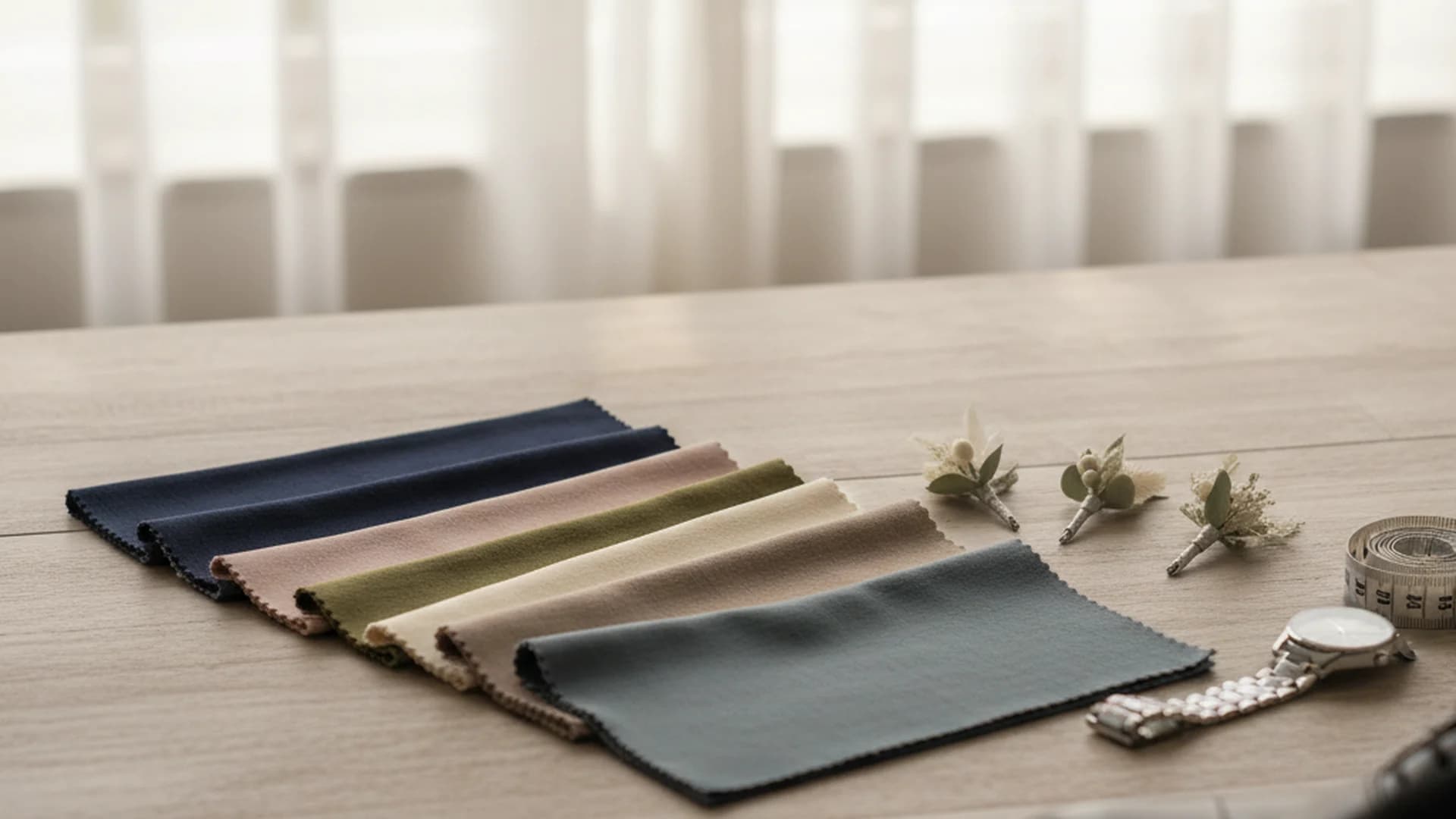
The Best Groom Suit Colors for 2025 & 2026: A Complete Guide
Explore the best groom suit colors for 2025-2026. From classic navy to trendy earth tones, find the perfect look for your wedding style and venue.
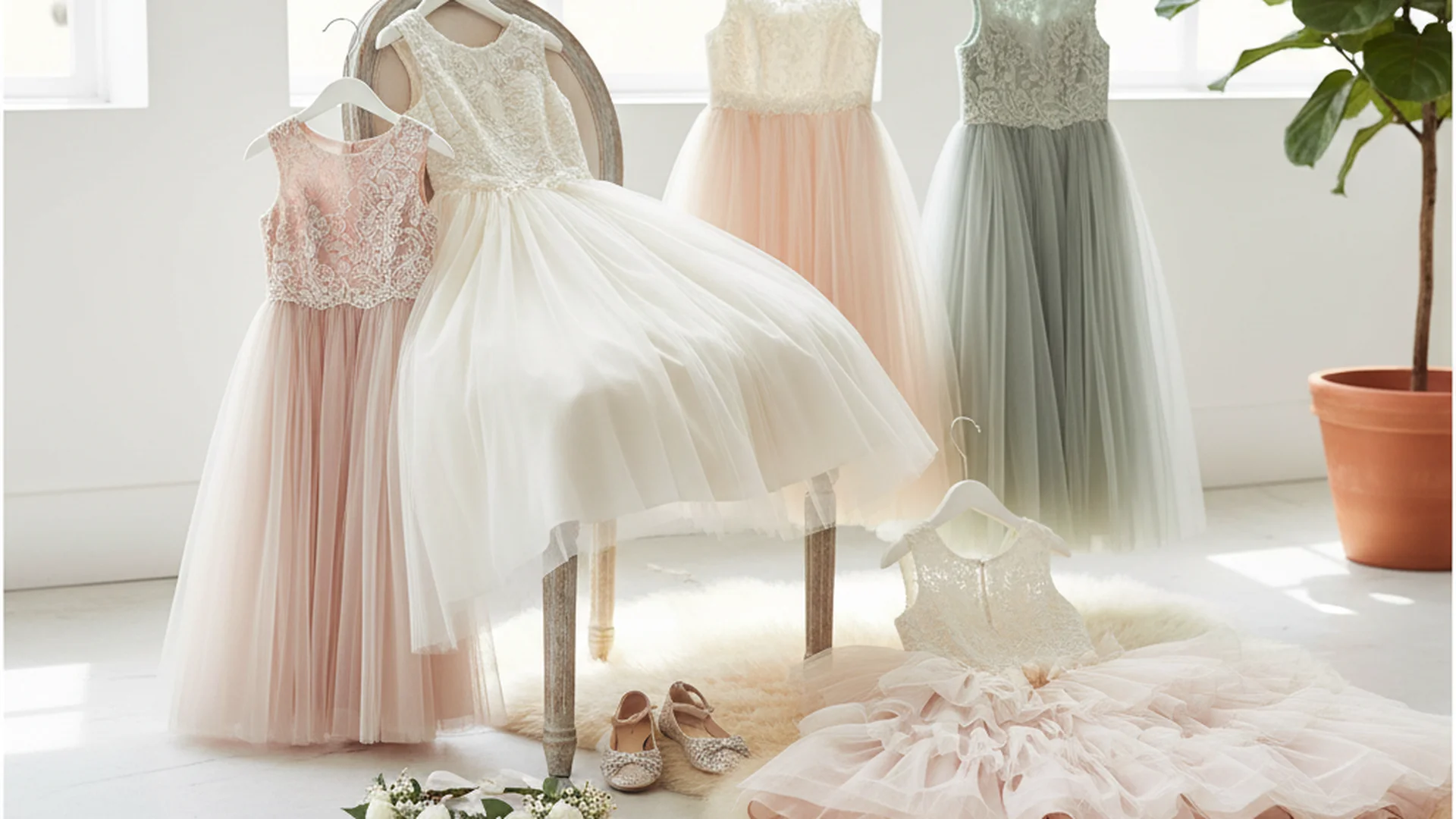
Flower Girl Dress Ideas: The Ultimate Guide for 2025 and 2026
Discover the top flower girl dress ideas for 2025–2026. From vintage revivals to 3D florals, find the perfect, comfortable look for your littlest bridal party members.
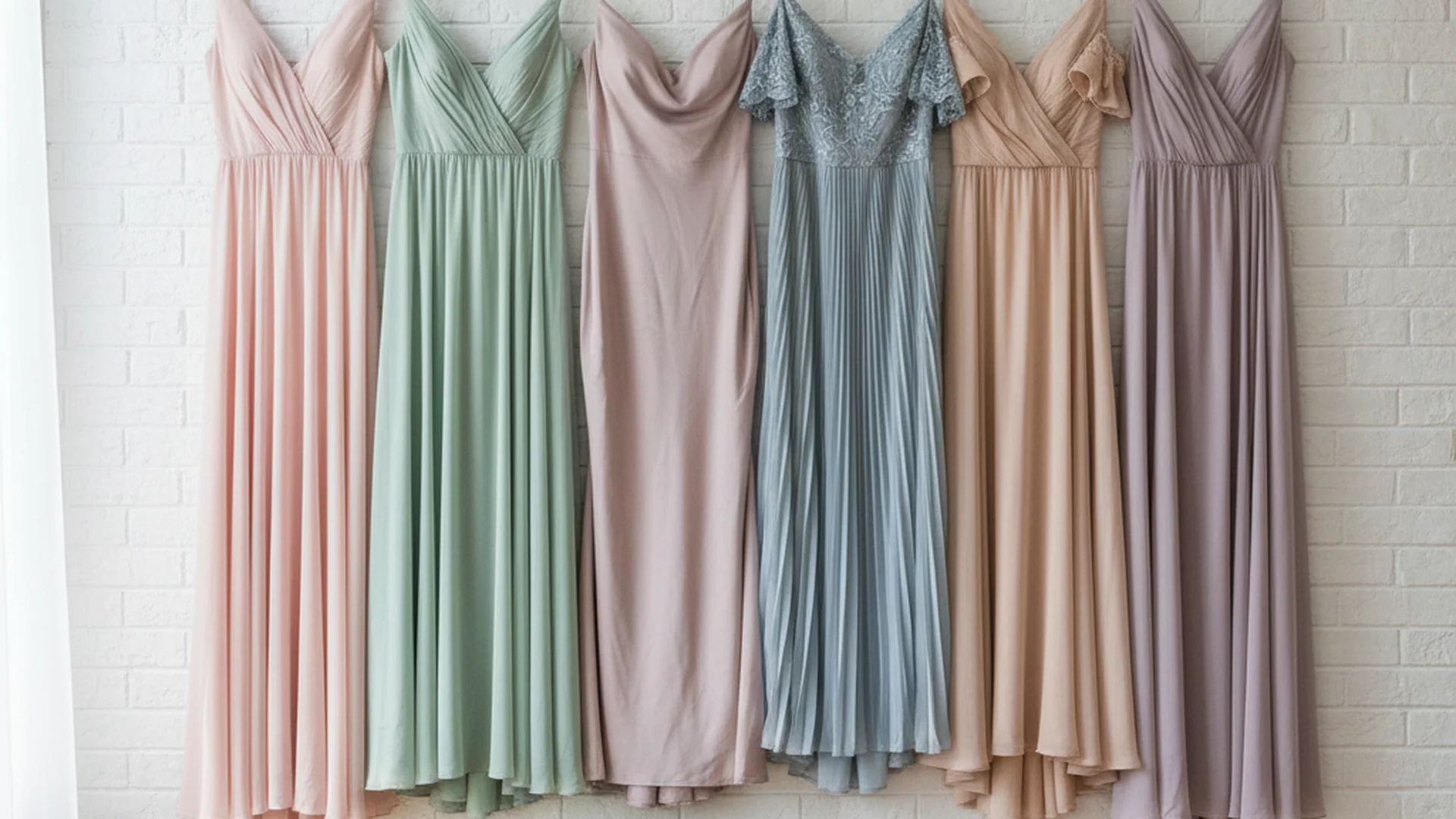
The Ultimate Bridesmaid Dress Guide: Trends and Tips for 2025–2026
Navigate the world of bridesmaid fashion with our 2025–2026 Bridesmaid Dress Guide. Learn about top trends, sizing secrets, and etiquette to keep your party happy.