The Ultimate Guide to Bangladeshi Wedding Traditions: Rituals, Fashion, and 2025 Trends
Explore the vibrant world of Bangladeshi wedding traditions. From Gaye Holud rituals to 2025 pastel fashion trends and modern tech-integrated celebrations.
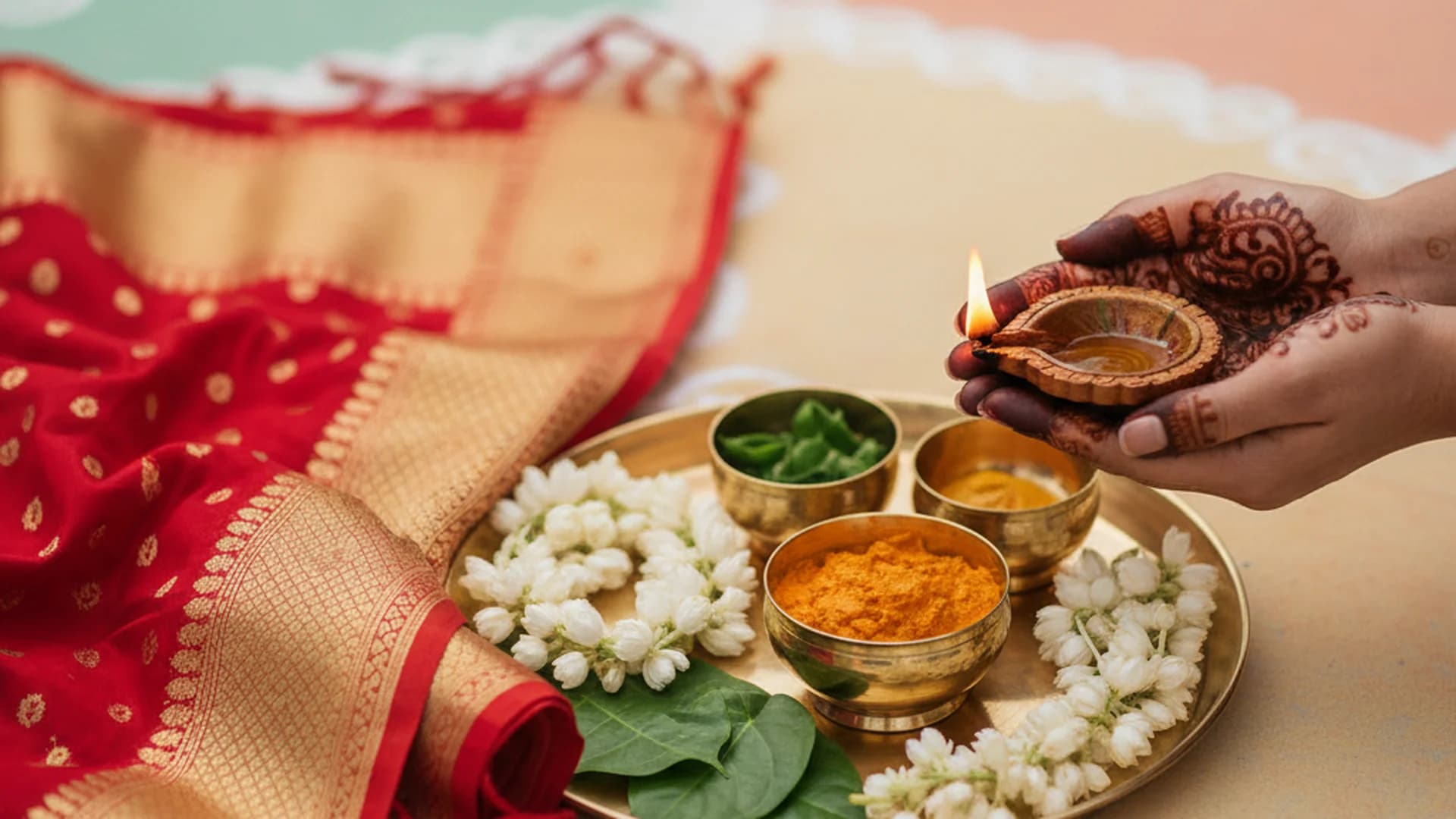
- Bangladeshi weddings are multi-day affairs blending Islamic Nikah with indigenous Bengali customs.
- The 2025-2026 trend is shifting from traditional red attire to "Pastel Waves" and tech-integrated guest experiences.
- Planning requires early venue booking (6-12 months) and a significant budget for catering and "Dala" decoration.
A Bangladeshi wedding is not just a ceremony; it is a sensory explosion of color, sound, and deep-rooted cultural heritage. Often referred to as the "Big Fat Bangladeshi Wedding," these celebrations are massive economic and social milestones. Whether you are a guest attending your first ceremony or a couple planning your big day, understanding Bangladeshi wedding traditions is essential to navigating this five-day saga. In 2025, these celebrations are evolving, blending centuries-old rituals with modern sustainability and high-tech guest experiences.
The Multi-Day Saga: Breaking Down the Rituals
Traditional Bangladeshi weddings are rarely a one-day event. They are a marathon of celebrations that involve the entire extended family and community. While every family has its own nuances, the standard structure follows a specific progression.
1. The Ghotok and the Proposal
Historically, the Ghotok (matchmaker) played the most critical role in bringing two families together. Even in an era of digital dating, the Ghotok remains a vital cultural fixture, often acting as a mediator to discuss the "Mehr" (the mandatory gift from the groom to the bride) and family expectations. Once the match is finalized, the Pan-Chini ceremony marks the official engagement, where gifts and sweets are exchanged.
2. Mehendi and Gaye Holud
The Mehendi (Henna) night is primarily for the bride and her female relatives, where intricate designs are applied to her hands and feet. This is followed by the Gaye Holud (Turmeric Ceremony), perhaps the most visually iconic of all Bangladeshi wedding traditions.
In the Gaye Holud, turmeric paste is applied to the bride and groom’s faces and arms by family members. This ritual is believed to give the skin a natural glow for the wedding day. Traditionally, the bride’s family and the groom’s family hold separate Holud events, but modern urban couples often opt for a joint "Mega Holud" to save on costs and logistics.
Tip
3. The Nikah (The Legal Contract)
The Nikah is the heart of the Islamic wedding tradition. It is the formal signing of the Nikahnama (marriage contract). This ceremony is usually overseen by a Kazi (registrar).
A unique aspect of the Nikah is the "Ijab-o-Qabul" (Proposal and Acceptance). The groom proposes, and the bride accepts, typically in the presence of two witnesses and a Wakil (guardian). It is during this stage that the Mehr is legally documented, ensuring financial security for the bride.
4. The Biye (The Main Event)
The Biye is the primary wedding ceremony hosted by the bride’s family. It is characterized by the groom’s grand arrival, known as the "Bor Jatri." Upon reaching the venue, the groom is met with the Gat-Dhora ritual, where the bride’s siblings and cousins block the entrance, demanding money (the "Gate-Fee") before allowing him to enter.
5. Bou Bhat or Walima (The Reception)
The final major event is the Bou Bhat (in Bengali culture) or Walima (in Islamic tradition), hosted by the groom’s family. This serves as the formal introduction of the bride to the groom’s extended social circle. It is often a grand feast where the focus is entirely on hospitality and food.
Fashion Focus: Red vs. The "Pastel Wave"
For decades, the "Royal Red" Saree has been the undisputed champion of Bangladeshi bridal fashion. Deep reds, maroons, and magentas symbolized fertility and prosperity. However, for the 2025–2026 wedding seasons, we are witnessing a dramatic shift in the fashion landscape.
The Rise of Pastels
Influenced by global aesthetics and Gen Z preferences, the "Pastel Wave" is taking over. Modern brides are increasingly choosing:
- Lavender and Mint Green: Popular for the Gaye Holud.
- Powder Blue and Peach: Trending for the Nikah and Bou Bhat.
- Ivory and Gold: A sophisticated choice for high-end luxury weddings.
The Groom’s Attire
While the bride dazzles in a Saree or Lehenga, the groom typically wears a Sherwani or a high-end Panjabi with a Nagras (traditional shoes). Interestingly, more grooms are now coordinating their outfits with the bride’s pastel palette rather than sticking to traditional gold or white.
Note
The Economics of a Bangladeshi Wedding
The wedding industry in Bangladesh is a massive economic driver, estimated to be worth up to Tk14,000 crore annually. However, inflation has impacted the "average" wedding significantly.
| Category | 2022 Cost (Avg) | 2025 Cost (Avg) |
|---|---|---|
| Venue Rental | Tk 1.5 Lakh | Tk 2.5 Lakh |
| Catering (per plate) | Tk 600 - 800 | Tk 1,100 - 1,500 |
| Bridal Attire | Tk 40,000 | Tk 75,000+ |
| Photography | Tk 30,000 | Tk 60,000+ |
Catering is King
In Bangladesh, the success of a wedding is often judged by the quality of the Kacchi Biryani. The menu usually includes:
- Kacchi Biryani: Mutton cooked with fragrant basmati rice.
- Borhani: A spicy yogurt-based drink that aids digestion.
- Jarda: A sweet, saffron-colored rice dessert.
- Roast Chicken: Typically served with Polao.
Do this
Modern Trends: Tech and Sustainability (2025–2026)
As we look toward 2026, Bangladeshi wedding traditions are being reimagined through the lens of technology and environmental consciousness.
Tech-Integrated Celebrations
- QR Code Galleries: Instead of waiting six months for the official photographer’s album, 2025 couples place QR codes on tables. Guests can scan and upload their candid shots to a live digital album shown on screens during the reception.
- Wedding Content Creators: A new niche has emerged. Couples are now hiring "Social Media Content Creators" specifically to film Reels and TikToks in real-time, ensuring their wedding goes viral before the night is even over.
Eco-Conscious "Zero-Waste" Weddings
Gen Z couples are leading the charge in sustainability. We are seeing:
- Digital E-Invites: Moving away from expensive, heavy paper cards.
- Outfit Renting: Instead of spending lakhs on a Saree that will only be worn once, brides are exploring high-end rental boutiques.
- Food Donation: To combat the immense waste of massive feasts, families are partnering with local charities to distribute leftover food immediately after the event.
Heads up
From the OurVows workspace
Planning a wedding is a lot. We make it feel like less.
Checklist, budget, guest list, and a wedding website — together in one free workspace built for both of you.
Planning Tips and Expert Recommendations
Planning a wedding of this scale requires military-grade organization. As an interfaith wedding officiant, I often see couples overwhelmed by the sheer number of moving parts.
Book Early
Popular convention halls in Dhaka, such as the International Convention City Bashundhara (ICCB) or Senamalancha, are often booked 6 to 12 months in advance. If you have your heart set on a specific date in the winter (the peak wedding season), you must act fast.
Prioritize the "Dala"
The Dala (gift trays) are a major focus of family pride. These trays contain everything from the bride's sarees and cosmetics to decorated fish (yes, actual fish!) and sweets.
- Expert Recommendation: Hire professional Dala decorators. The presentation is just as important as the contents.
Manage the "Biday"
The Biday (the farewell) is the most emotional moment, where the bride leaves her parents' home.
- Common Mistake: Planning the Biday for 2 AM or 3 AM. This leads to extreme exhaustion for the couple and the parents. Try to schedule your events so the farewell happens no later than midnight.
Common Mistakes to Avoid
- Over-inviting "Strangers": Bangladeshi weddings often feel like social competitions. Inviting 1,000+ guests often leads to poor catering service and zero personal interaction for the couple. Focus on quality over quantity.
- Ignoring the Weather: If you are planning an outdoor Gaye Holud in the summer, the humidity will ruin the bride's makeup and make guests uncomfortable. Always have a "Plan B" with air conditioning.
- The "Dowry" Misconception: While the Dowry Prohibition Act is in place, the "culture of expensive gifting" is often a veiled form of dowry. Ensure that gifts are voluntary and not "demands" to avoid legal and ethical issues.
- Excluding Mothers: A traditional (primarily Hindu) superstition once suggested mothers shouldn't watch the ceremony to avoid "evil eyes." Modern families have largely discarded this, and it is a mistake to exclude your mother from the most important moment of your life.
Note
Frequently asked questions
Who pays for a Bangladeshi wedding?
What should I wear as a guest to a Bangladeshi wedding?
What is "Mehr" and is it mandatory?
How long does a typical wedding last?
Is alcohol served at Bangladeshi weddings?
Conclusion
Bangladeshi wedding traditions are a beautiful testament to the country's rich history and its ability to adapt to the future. Whether it’s the ancient ritual of applying turmeric or the modern trend of scanning QR codes for photos, the heart of the celebration remains the same: the union of two families and the preservation of identity. By balancing tradition with modern sensibilities—and perhaps a touch of pastel—you can create a celebration that is both culturally significant and uniquely yours.
Do this
Ready when you are
Ready to Start?
Start organizing your cultural celebration with our expert tools.
Ready when you are
Plan your wedding without the chaos.
Free forever for couples just getting started. Two minutes to set up. No credit card.
Keep reading
Thai Wedding Traditions: A Complete Guide to Rituals and Modern Trends
Discover the beauty of Thai wedding traditions, from the Khan Maak procession to 2025-2026 trends like sustainable merit-making and earthy terracotta palettes.
Dominican Wedding Traditions: A Guide to Island Heritage and Modern Trends
Explore vibrant Dominican wedding traditions, from the 13 gold coins (Las Arras) to the Hora Loca. Learn about costs, legalities, and 2025-2026 trends.
The Ultimate Guide to Moroccan Wedding Traditions: Rituals, Style, and Modern Trends
Discover the vibrant world of Moroccan wedding traditions. From the seven bridal outfits to the grand Amariya procession, explore rituals, costs, and 2025 trends.