The Modern Guide to His and Hers Wedding Bands: Beyond the Matching Myth
Explore the latest trends in his and hers wedding bands for 2025-2026. Learn about complementary styles, sustainable metals, and expert shopping tips.
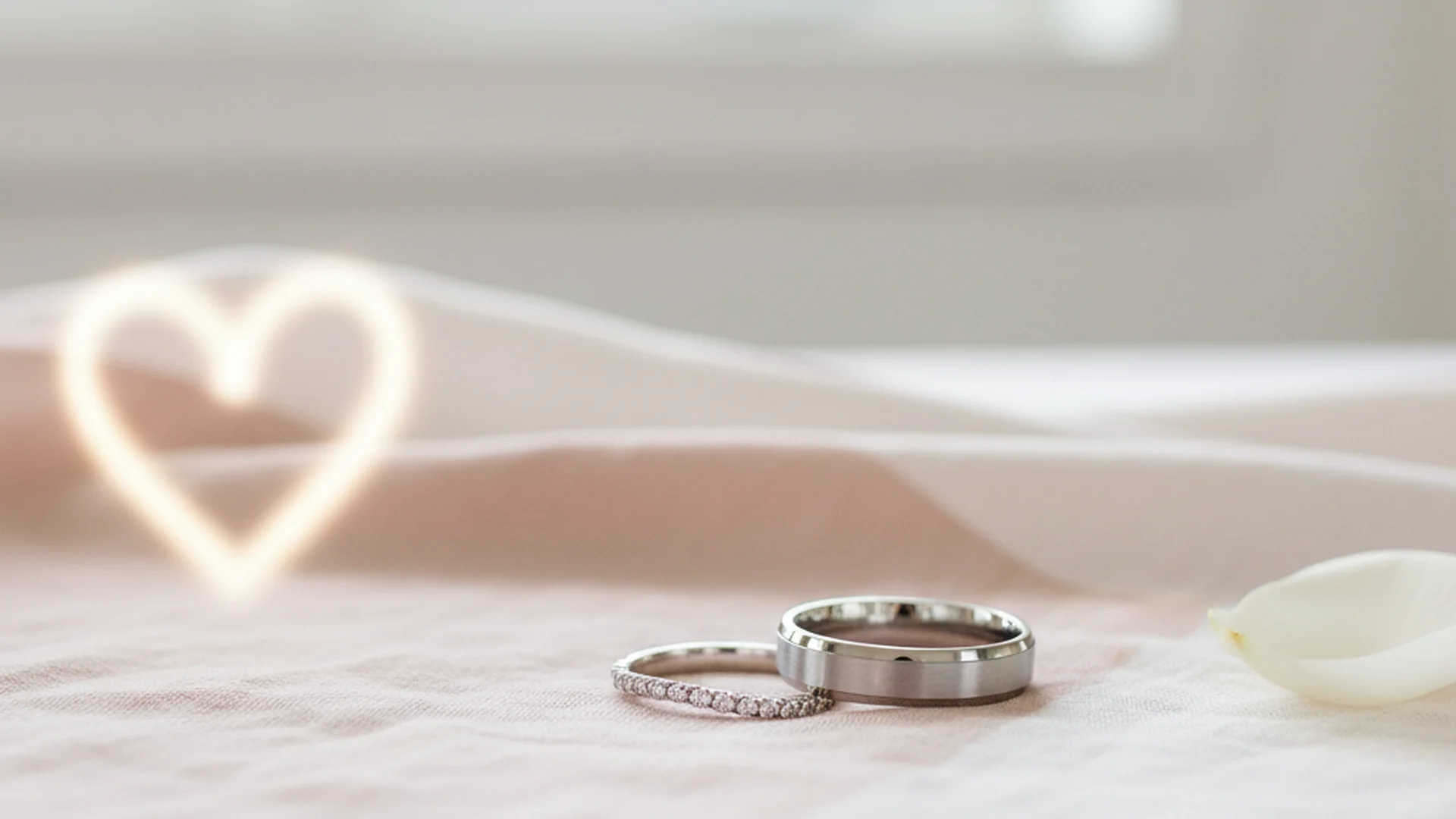
- Modern couples prefer complementary styles over identical matching sets.
- Sustainability is a top priority for most couples in 2025.
- Comfort fit and lifestyle-appropriate metals are essential for long-term wear.
Choosing your wedding rings is one of the most symbolic milestones in your journey toward marriage. Traditionally, his and hers wedding bands were expected to be identical carbon copies of one another—usually simple gold bands that signaled a couple's "matched" status. However, as we move into the 2025 and 2026 wedding seasons, that tradition has evolved into something far more personal and expressive. Today, your rings aren't just jewelry; they are a reflection of your individual personalities coming together to form a unique partnership.
As a relationship counselor, I often tell my clients that a successful marriage is about two unique individuals supporting each other, not losing themselves in each other. Your wedding bands can represent this exact sentiment. Modern couples are moving away from the "clone" look and toward "complementary" styling, where rings share a common thread—like a metal color or an engraving—while remaining distinct in design.
The Evolution of the Wedding Band Tradition
To understand where we are going with his and hers wedding bands, it helps to look at where we started. While the exchange of rings dates back to ancient Egypt—where the circle represented eternity—the tradition of both partners wearing a band is a relatively modern phenomenon in Western culture.
Historically, only women wore wedding rings. It wasn't until World War II that men’s wedding bands became a widespread American tradition. For soldiers fighting overseas, these bands served as a tangible connection to their wives back home. It was a sentimental anchor during a time of immense separation.
In the decades that followed, the "matching set" became the industry standard. It was a simple way for jewelers to package the concept of unity. However, today’s couples view unity differently. We see it as a "link" rather than "sameness." This shift has opened the door to incredible creativity in metal choices, textures, and silhouettes.
Note
Breaking the "Match" Myth: How to Coordinate Without Cloning
If you and your partner have completely different tastes, don't panic. You are part of the many modern couples who choose non-identical bands. The goal is to find a "visual bridge" that makes the rings feel like they belong together.
Shared Metal Tones
The easiest way to coordinate is through the metal. You might choose a sleek, 2mm 14K rose gold band with diamonds, while he chooses a 6mm brushed rose gold band. The color creates the harmony, but the widths and finishes cater to your individual styles.
Complementary Textures
Texture is a major trend for 2025. One partner might choose a high-polish finish, while the other goes for a "hammered" or "bark" texture in the same metal. This creates a tactile connection without requiring identical looks.
Hidden Links
Some of the most romantic his and hers wedding bands are those with "hidden" matching elements. This could be a small sapphire set on the inside of both bands or a fingerprint engraving on the interior.
Do this
Materials and Durability: Choosing the Right Metal
When selecting your bands, it’s easy to get caught up in the aesthetics, but durability is paramount. You are choosing a piece of jewelry intended to be worn every day for the next 50 years.
The Gold Standard: 14K and 18K Gold
Gold remains the most popular choice. 14K gold is particularly favored because it contains a higher percentage of alloy metals, making it harder and more resistant to scratches than 18K gold. If you are active or work with your hands, 14K is usually the smarter bet.
Platinum: The Forever Metal
Platinum is naturally white and will never fade or change color. It is also hypoallergenic, making it ideal for those with sensitive skin. While it is more expensive than gold, it is incredibly dense. When platinum is scratched, the metal is merely displaced, not lost, meaning it lasts for generations.
Alternative Metals for Men
Many men are moving toward "contemporary" metals like Tungsten, Titanium, and Tantalum. These are often more affordable and offer a darker, more "industrial" look.
| Metal Type | Resizable? | Durability | Maintenance |
|---|---|---|---|
| 14K Gold | Yes | High | Low |
| Platinum | Yes | Extreme | Low |
| Tungsten | No | Scratch-Resist | Cannot be repaired |
| Titanium | No | Very High | Difficult to resize |
Heads up
Sustainable Sourcing and Ethical Choices
As of 2025, most couples prioritize ethical sourcing when shopping for his and hers wedding bands. This has led to a massive surge in the popularity of lab-grown diamonds and 100% recycled gold.
Choosing recycled gold doesn't mean the quality is lower; it simply means the gold was sourced from existing jewelry or industrial products rather than newly mined. This significantly reduces the environmental impact of your rings. Similarly, lab-grown diamonds offer the same physical, chemical, and optical properties as mined diamonds but with a much cleaner ethical footprint and a lower price point.
If you are just starting your search, I highly recommend reading our Diamond Engagement Ring Guide to understand the nuances of stone quality and sourcing.
From the OurVows workspace
Ring sorted — now the wedding.
Set a realistic budget and a checklist that knows what's next, all in one free workspace.
2025-2026 Trend Report: What’s New in Wedding Bands?
The upcoming wedding seasons are all about bold choices and "gender-neutral" aesthetics. Here is what is dominating the showrooms:
1. The "Cigar" Band
For years, women’s bands were getting thinner and thinner. Now, the pendulum is swinging back. Wide "cigar" bands (6mm and up) are trending for women. These bands make a massive statement and often look best when worn alone, without an engagement ring.
2. Mixed Metal Inlays
Instead of choosing one metal, couples are opting for "inlays." Imagine a white gold band with a thin "vein" of rose gold running through the center. This allows you to match your partner’s ring color in a subtle, sophisticated way.
3. Textured Surfaces
High-polish is taking a backseat to tactile finishes. Look for:
- Bark Finishes: Metal that looks like organic wood grain.
- Sandblasted Matte: A grainy, non-reflective surface that looks modern and architectural.
- Hammered: A classic look that hides scratches exceptionally well.
4. Contour and Open Bands
For women with unique engagement ring shapes—like pear, marquise, or oval—the "contour" band is a must. These rings are curved to fit flush against the center stone, preventing any awkward gaps. To learn more about pairing these, check out our Custom Engagement Ring Guide.
Tip
Practical Advice: Sizing and Comfort
One of the most frequent complaints I hear from couples is that their rings become uncomfortable after a few months. To avoid this, keep these three rules in mind:
The "Comfort Fit" Rule
Always ask for a "Comfort Fit" interior. Standard rings have a flat interior, which can sometimes pinch the skin. A comfort fit ring has a domed interior that glides over the knuckle more easily and sits more naturally on the finger.
The Timing of Sizing
Your fingers change size based on temperature, humidity, and even what you ate for dinner (salt causes swelling!). Visit a jeweler when your body temperature is normal. Avoid getting sized right after a workout or on a freezing cold morning.
The 20-Year Rule
When looking at his and hers wedding bands, ask yourselves: "Will I still love this when I'm 50?" While ultra-trendy designs are fun, classic shapes have the most longevity. If you want something trendy, try to incorporate it into the finish rather than the structural shape of the ring.
Do this
Common Mistakes to Avoid
Even with the best intentions, it's easy to make a mistake during the ring-buying process. Here are the most common pitfalls:
- Waiting Until the Last Minute: Many couples think they can just walk in and buy a ring. However, if you need a specific size, custom engraving, or a custom contour, it can take 4 to 8 weeks.
- Neglecting the "Stack": Women often buy a wedding band because it looks pretty in the tray, only to find it doesn't sit well with their engagement ring. Always try them on together.
- Ignoring Maintenance: White gold requires "rhodium plating" every 1-2 years to maintain its bright white finish. If you don't want to deal with maintenance, choose Platinum or Yellow Gold. For more on this, see our Engagement Ring Cleaning Guide.
- Mixing Metals of Different Hardness: If you wear a Platinum band next to a 14K Gold engagement ring, the harder Platinum will gradually "eat away" at the gold through years of friction. Try to keep your metals consistent for rings that will be worn on the same finger.
Frequently asked questions
Do our rings have to match?
Should my wedding band match my engagement ring metal?
How much should we spend on wedding bands?
Can alternative metals like Tungsten or Titanium be resized?
How far in advance should we order our rings?
Conclusion
Choosing his and hers wedding bands is a beautiful opportunity to celebrate your unique bond. Whether you choose identical gold bands that honor tradition or modern, complementary designs that reflect your individual paths, the most important thing is that the rings feel right for you.
Remember to consider your lifestyle, prioritize comfort, and give yourselves plenty of time to explore your options. Your rings are the one part of your wedding day that you will carry with you every single day for the rest of your lives—make sure they are pieces you truly love.
Before you make your final purchase, don't forget to look into Engagement Ring Insurance to protect your investment for the long haul.
Do this
Ready when you are
Planning Your Wedding?
Use our free calculator to manage your jewelry and vendor costs effectively.
Ready when you are
Plan your wedding without the chaos.
Free forever for couples just getting started. Two minutes to set up. No credit card.
Keep reading
The Ultimate Guide to Engagement Ring Insurance: Protecting Your Symbol of Love
Protect your investment with our comprehensive guide to engagement ring insurance. Learn about costs, 2025 trends, coverage types, and how to avoid common pitfalls.
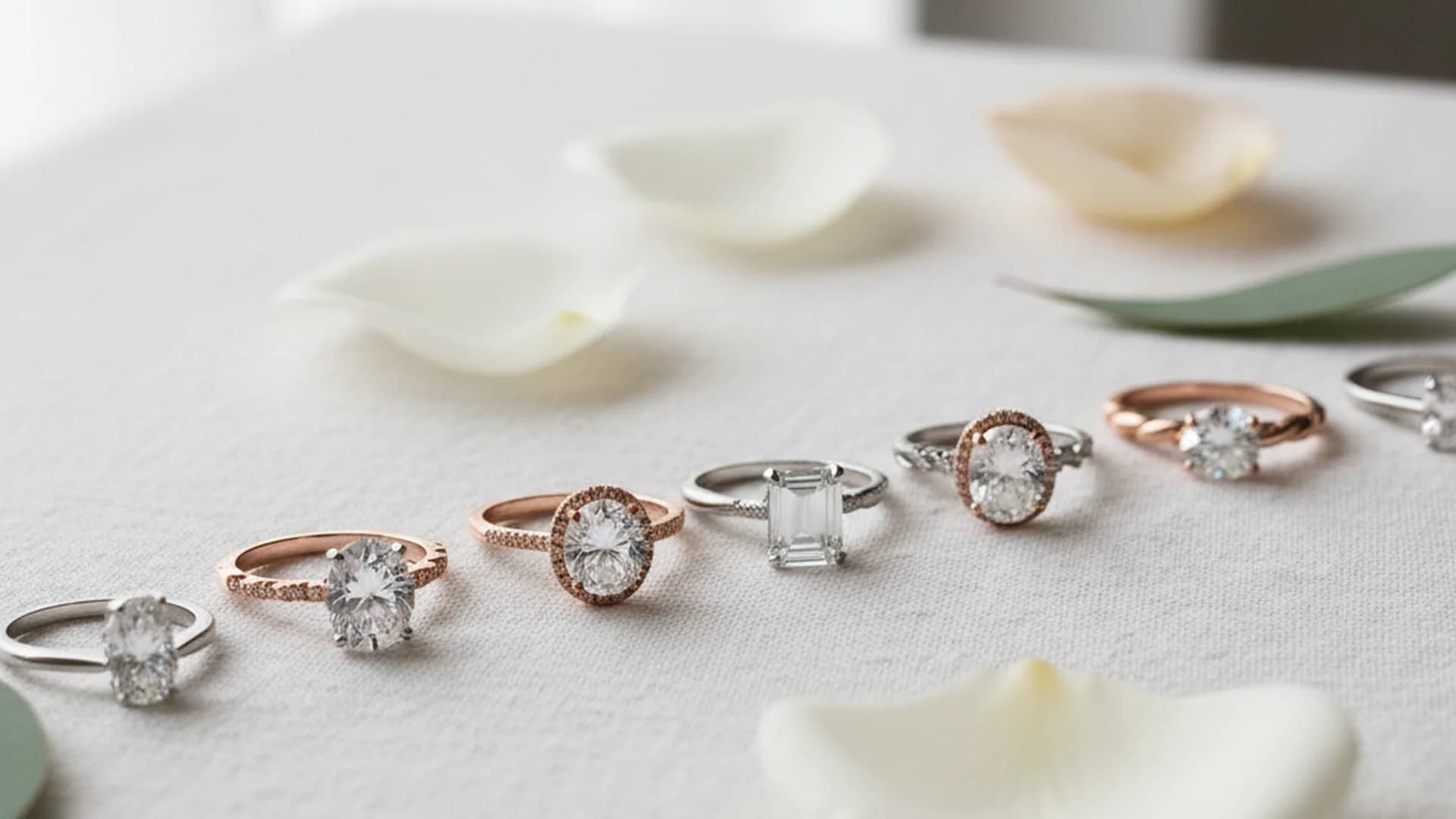
2025-2026 Guide to Engagement Ring Styles: Trends, Costs, and Expert Tips
Explore the top engagement ring styles for 2025-2026. From lab-grown diamond trends to vintage revivals and yellow gold's comeback, find your perfect ring.
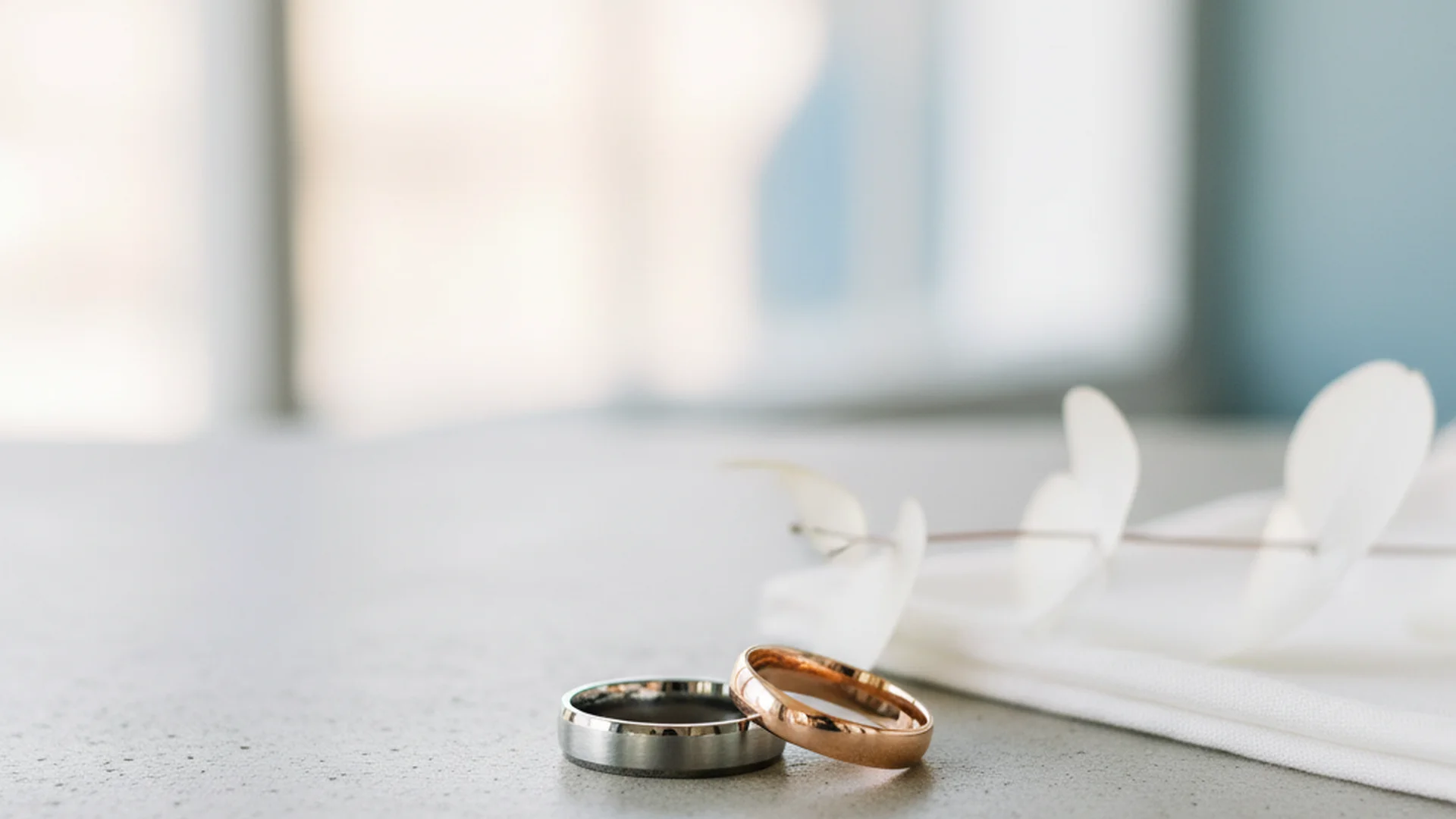
The Ultimate Mens Wedding Band Guide: Metals, Styles, and 2025 Trends
Discover the perfect ring with our comprehensive Mens Wedding Band Guide. Explore top metals, 2025 trends like meteorite inlays, and expert tips on fit and sizing.