Mastering Your Head Table Seating Arrangement: 2025 Trends and Etiquette
Explore the best head table seating arrangement options for 2025. From sweetheart tables to serpentine layouts, learn expert tips for a flawless reception.
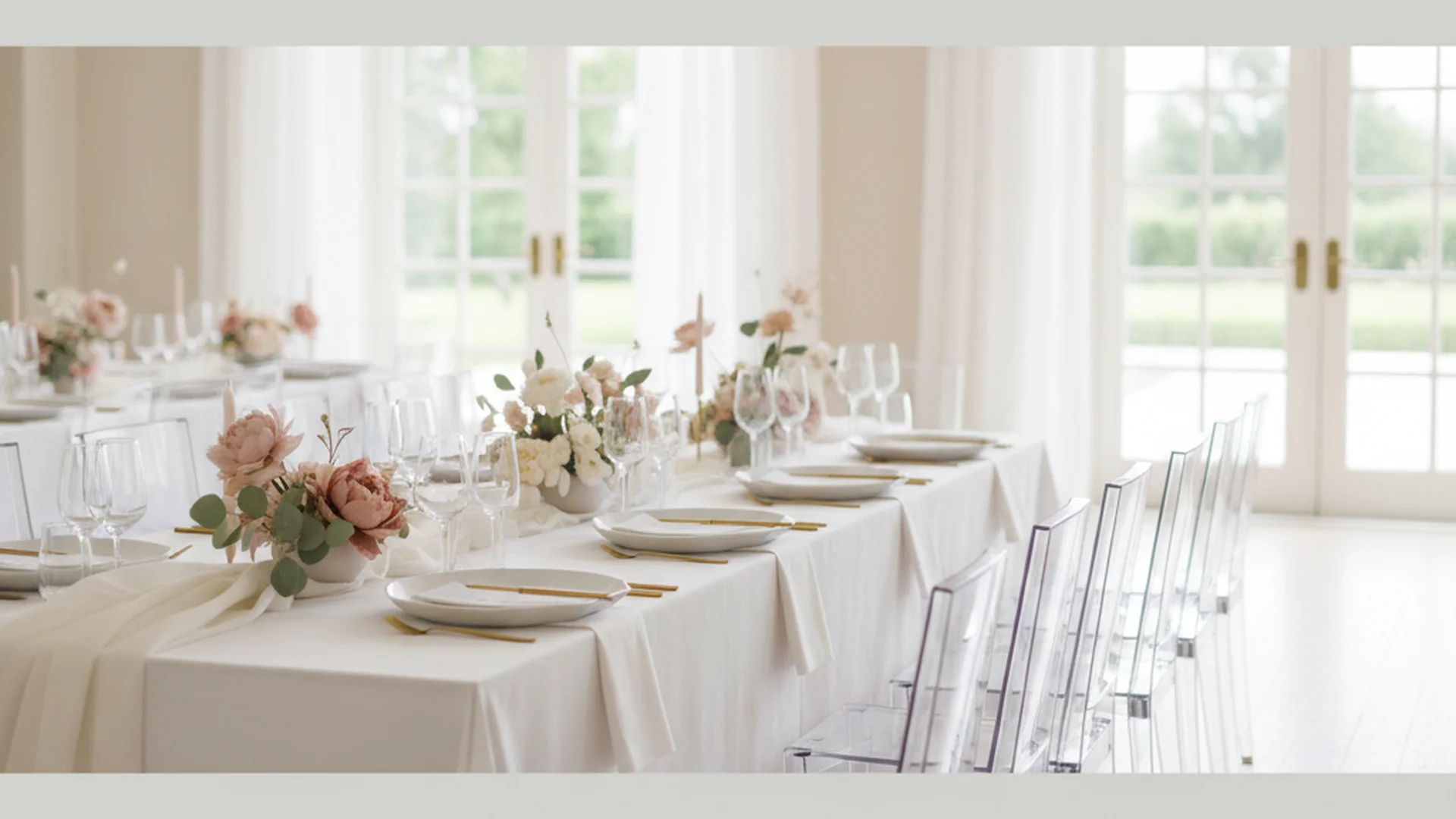
- Sweetheart tables have surged in popularity due to intimacy and logistical ease.
- The "Two-Seat Gap" is essential for King's Tables to maintain photographer sightlines.
- 2025-2026 trends favor organic shapes like serpentine and circular island tables.
The reception is where the formal "I dos" transform into a celebration, and at the center of it all is the head table seating arrangement. As an officiant and ceremony designer, I often tell couples that while the ceremony is the soul of the day, the head table is the heartbeat of the party. It is the focal point where your first meal as a married couple occurs and where some of the most emotional speeches will be delivered.
However, designing the perfect layout isn't just about choosing a pretty tablecloth. It involves navigating family dynamics, guest comfort, and the logistical flow of the room. Most couples still use specific table assignments to ensure a smooth reception flow. Choosing the right style for your VIPs sets the tone for the entire evening.
The Evolution of the Head Table: Finding Your Style
In years past, the head table was a rigid, one-sided rectangular affair where the couple and their wedding party sat like a panel of judges overlooking the room. Today, the "rules" have been rewritten. Whether you want to be the center of attention or prefer a private moment of calm amidst the chaos, there is a layout that fits your vision.
The Traditional Head Table
This classic setup features a long table, often on a riser, where the couple and their entire wedding party sit on one side facing the guests. Traditionally, the groom sits to the bride's right, the Best Man to the bride's left, and the Maid of Honor to the groom's right.
Note
The Sweetheart Table
The sweetheart table is a small table designed exclusively for the newlyweds. This trend has surged in popularity over the last several years. It offers the couple a rare moment of privacy and solves the logistical headache of where to seat the wedding party's plus-ones.
The King’s Table (Estate Table)
A King’s Table is a long rectangular table where guests sit on both sides. This includes the couple, their wedding party, and often the party's significant others. It creates a communal, "family dinner" atmosphere that feels much more natural than the one-sided traditional table.
| Feature | Traditional Head Table | Sweetheart Table | King's Table |
|---|---|---|---|
| Visibility | High (Facing guests) | Medium (Front & center) | Moderate (Communal) |
| Intimacy | Low (Fishbowl effect) | High (Private) | High (Social) |
| Plus-One Friendly | Rarely | Yes (at other tables) | Yes (at the same table) |
| Floor Space | Large footprint | Minimal footprint | Significant footprint |
Etiquette 101: Who Sits Where?
Navigating the guest list is hard enough, but deciding who gets the "best seat in the house" can be a political minefield. Understanding Wedding Seating Chart Etiquette is the first step in avoiding hurt feelings.
Handling Wedding Party Plus-Ones
Traditionally, plus-ones did not sit at the head table. However, in 2025, this is increasingly viewed as outdated. If you opt for a King’s Table, it is considered "best practice" to include significant others. If you prefer a traditional head table but want your friends to be happy, consider a sweetheart table so your wedding party can sit with their dates at guest tables.
Managing Complex Family Dynamics
One of the most common questions I receive as an officiant is: "How do we handle divorced parents?" If tensions exist, the sweetheart table is your greatest ally. By sitting alone, you allow parents to "host" their own separate VIP tables with their respective families, avoiding the awkwardness of forced proximity at one big table.
Do this
2025–2026 Trend Spotlight: Beyond the Rectangle
If you want to break away from traditional shapes, the next two years are all about organic flow and community-centric designs.
The "Serpentine" Table
Breaking away from rigid lines, 2025 is seeing a rise in curved or "snaking" tables. These S-shaped arrangements add a soft, contemporary flow to the room. Not only do they look stunning in wide-angle photography, but they also allow guests to see each other more easily than a straight line.
Floating Top Tables
For the social butterflies, the "floating" seating arrangement is gaining traction. Instead of sitting in one spot all night, the couple has a small sweetheart table as a "home base" but moves to different guest tables for each course of the meal. This ensures you actually get to speak to your guests without the "table-to-table" greeting marathon later in the night.
Circular Island Tables
A predicted 2026 trend involves placing a large round table in the absolute center of the room. This "island" houses the couple and their closest circle, surrounded by all other guest tables. It creates a "heart of the party" vibe where the couple is literally at the center of their community.
Minimalist Maximalism
The aesthetic trend for 2025 head tables is "quiet luxury" in linens (high-quality neutrals) paired with "maximalist" installations. Instead of tall centerpieces that block sightlines, expect to see "floral clouds" hanging above the table.
Tip
Logistical Mastery: Tips for a Flawless Layout
Even the most beautiful table fails if the logistics aren't sound. Proper planning ensures you and your party enjoy the night without feeling trapped or ignored.
The Vantage Point and Sightlines
Place the head table at the focal point of the room, typically centered against a wall or in the middle of a "U" shape of guest tables. Ensure the couple has a clear, unobstructed view of the dance floor for toasts. If your guest list is large (150+), consider using a riser—a slightly elevated platform—to ensure you remain visible to the guests in the back.
The "Two-Seat Gap"
For King’s Tables, planners recommend leaving the two seats directly across from the newlyweds empty.
Do this
Proximity and Sound
Warning: Never seat the head table directly in front of the band’s speakers or the DJ booth. This is a common mistake that makes it impossible for the couple and wedding party to talk during dinner and can lead to a literal headache before the cake is even cut.
The Exit Strategy
If your head table is longer than 8–10 feet, ensure there is enough space behind the chairs for you to easily slip out. There is nothing less graceful than having four bridesmaids stand up and move their chairs just so the bride can go to the restroom or greet a guest.
From the OurVows workspace
Solving the seating puzzle?
Drag-and-drop tables, relationship warnings, and printable charts — built into your guest list.
Common Mistakes to Avoid
- The "Singles Table" Faux Pas: Don't assume single members of the wedding party should be "pitted together" at a separate table. Seat them with people they actually know or have shared interests with.
- Obstructive Centerpieces: High, thick floral arrangements on the head table can "wall off" the couple from their guests. Stick to low, "bridge" style arrangements or floor-to-ceiling installations behind the table.
- Forgetting the "Support System": If you have a Complete Wedding Seating Chart Guide, make sure the people seated nearest to you are the ones who can actually help you (e.g., the person holding your bouquet or the one with the emergency kit).
- Mandatory Tradition: Don't feel guilty for ditching the traditional head table. If your wedding party is massive, or your family dynamics are strained, the sweetheart table is a perfectly acceptable and modern solution.
Real-World Examples
1. The "Chosen Family" King's Table
A recent couple I worked with had a wedding party consisting of siblings, childhood friends, and a few non-binary "attendants." Instead of trying to fit them into a traditional gendered row, they used a Long Table Wedding Seating arrangement (King's style) where everyone—including the attendants' partners—sat together. It felt like an intimate dinner party within a larger gala.
2. The Grand Ballroom Riser
For a wedding of 250 guests in a high-ceiling ballroom, the couple felt "lost" at a standard table. We used a 6-inch riser and a "floral cloud" hanging installation. This kept the couple as the visual anchor of the room, ensuring guests at the furthest tables still felt connected to the "head" of the room.
3. The Minimalist Sweetheart
A couple with four sets of divorced parents opted for a minimalist sweetheart table. By sitting alone, they were able to place each set of parents at their own "Tier 1" tables surrounding the sweetheart table. This allowed every parent to feel like the "guest of honor" without any awkward interactions during dinner.
Frequently asked questions
Do wedding party plus-ones sit at the head table?
What is the difference between a Head Table and a King's Table?
How do we handle divorced parents at the head table?
How do I calculate how much space I need for a King's Table?
Is it okay to have a "floating" head table?
Conclusion: Prioritize Your Comfort
The most important thing to remember when designing your head table seating arrangement is that the "rules" of the past are now merely suggestions. Whether you choose the privacy of a sweetheart table, the community of a King's table, or the modern flair of a serpentine arrangement, your comfort should come first. This is your first meal as a married couple—make sure you are sitting exactly where, and with whom, you want to be.
Do this
Ready when you are
Ready to Design Your Floor Plan?
Start organizing your wedding seating with our intuitive digital tools.
Ready when you are
Plan your wedding without the chaos.
Free forever for couples just getting started. Two minutes to set up. No credit card.
Keep reading
The Ultimate Guide to Choosing the Best Wedding Seating Chart App for 2025–2026
Discover how a wedding seating chart app can save you significant planning time. Explore AI-driven tools, 3D floor plans, and expert seating strategies for your big day.
Navigating the Divorced Parents Seating Chart: A Diplomatic Guide for 2025-2026
Learn how to design a divorced parents seating chart that maintains peace and honors family. Expert tips for ceremony and reception layouts in 2025.
The Ultimate Wedding Seating Chart Timeline: A Month-by-Month Guide
Master your wedding seating chart timeline with our expert guide. From early drafts to last-minute changes, learn how to organize your guests stress-free.